Save money on pet care
Take good care of your pet for less: Your cost-saving tips resource for vet bills, pet insurance, healthcare and shopping.

Owe Carter
27 April 2026
With everyday living costs still high, many of us are feeling the pinch when it comes to looking after our pets.
Here’s what you need to know about the support available out there if you’re struggling with affording pet care. Plus ideas of what you can do to help keep costs down while still doing right by your four-legged friend.
- Can I get help with vet bills?
> Charities that help with vet bills in the UK
> Taking up pet insurance - Can I get help with pet behavioural support?
> Dedicate quality time to your pet
> Neuter your dog at the right time - Can I get support with feeding my pet?
- Ways to cost save on everyday pet items
- Preventative care to keep your pet healthy
> Stay up to date with your pet’s vaccinations and health checks
> Set up a consistent pet care routine
Can I get help with vet bills?
Worries about money shouldn’t mean that pets go without. But vet bills are an understandable concern if you’re tightening your belt.
Speak to your vet if you’re worried about the cost of treatment. They may be able to:
- Offer credit options and payment plans
- See whether there are alternative treatments or management options at a more affordable cost
- Apply for charitable financial support schemes on your behalf
- Give you a prescription to take to a pharmacy or order online (your vet may charge to write up the prescription)
On the last point, we’ve teamed up with Petscribers, where you can compare prices for pet meds. Here’s why saving on medication matters.
Get clued up on treatment costs and more with this expert breakdown of vet fees and how they work.
There’s also a few other things you can do to help manage vet costs:
- Keep a close eye on your pet for any signs of changes to their behaviour or health. Getting to a vet sooner means illnesses can be caught at an earlier stage and treated more easily.
Check if your insurer offers free video calls with vets at home. Depending on what’s wrong with your pet, you might be saved from an unnecessary in-person vet visit.
Charities that help with vet bills in the UK
A number of charities across the UK might be able to support you with vet costs and neutering schemes. You’ll need to check eligibility as certain schemes are based on household income and whether you get means-tested benefits.
Don’t forget to contact the charities directly to find out what other discounts and support might be available.
- PDSA – offers low-cost or free services. Use their automated checker to see if you’re eligible.
- Cats Protection – offers free and low-cost neutering schemes for cats.
- Dogs Trust – offers free and reduced-cost vet assistance for people experiencing or at risk of homelessness. They also have an emergency fund to contribute towards urgent treatment, which can only be applied for by your vet.
- RSPCA – may be able to offer help with vet bills through their local branches and hospitals.
- Blue Cross – offers low cost vet care and money towards treatment costs depending on your pet’s prognosis and treatment needed.
Find out more about neutering cats and neutering dogs.

Taking up pet insurance
You never know when your pet might need vet help for an accident or sudden illness. If you don’t have enough money put aside to pay the bill, you could be left making tough decisions.
To put things in perspective, the Association of British Insurers (ABI) found that the average cost of a claim in 2024 was £685.
Having pet insurance in place means that you could be covered for these unexpected and potentially ongoing vet costs.
If you’re still unsure, why not take a look at whether pet insurance is worth getting for your cat or dog.
Did you know…?
It’s possible to get Petgevity cover from just 28p a day^.
That’s £8.46 a month or £101.48 a year.
Freeing up more money for what matters most!
^Figure calculated using the cheapest 10% of our new business sold policies (renewals and amended policies were not included in the data), 1 July 2025 – 31 December 2025. The premiums used for calculation were the final premiums across all customers regardless of how they bought, including all additional cover options and Insurance Premium Tax, without exclusion on any specific customer segmentations.
Could you save if you have multiple pets?
If you have more than one cat or dog – or a mixture of each – you might be able to save with a multi-pet policy. These often work out better value than covering each pet individually. Plus it’s less admin, and there’s only one payment date to remember.
And with Petgevity, if you add an extra pet to your cover, you’ll save £24 – guaranteed!
For every pet you add to your Petgevity policy, we’ll give you a £1 discount per pet, per month. That’s at least a guaranteed £24 saving a year, with extra savings for each extra pet.

Can I get help with pet behavioural support?
Behavioural issues can affect both cats and dogs alike. The 2024 Paw Report notes, for example, that dogs biting strangers in their home has more than doubled in incidents, and instances of unwanted behaviour around livestock have increased too.
The cost of a behavioural consultation package varies depending on your pet’s individual needs. More complex issues like separation anxiety (which cats get too) often need longer term support.
- Check whether your pet cover includes behavioural consultations.
- See if your pet insurance works with a digital vet service that offers free access to video behavioural consultations.
- See whether you’re eligible for discounted behavioural or training sessions through Dogs Trust. They also have a free Behaviour Support Line run by a team of experts. This is available if you’re low-income or getting means-tested benefits.
It’s also important to know the difference between a behaviourist and a trainer, as these experts charge differently for their time and support. Be aware that some insurance providers won’t cover training sessions.
Dedicate quality time to your pet
Remember to give your pet lots of love and attention and find activities to engage their brain. This can help stop behavioural problems like boredom and frustration from escalating.
There’s lots of ways that you can keep your cat entertained and give your dog enrichment.
Neuter your dog at the right time
The timing of your canine’s neutering can have a big impact on their personality.
Getting it done at the wrong time can lock in unwanted behaviours that need expert help to work through.
So make sure you’re spaying or castrating your dog at a point that won’t negatively affect their physical or emotional health.

Can I get support with feeding my pet?
A growing number of pet food banks are opening up across the UK to help support a range of animals. Some of the charities running these banks include:
- Blue Cross – check out this map of Blue Cross food banks across the UK.
- Dogs Trust – you can find a list of Dogs Trust food banks on their website.
- RPSCA – you can put your location into the RSPCA website map to find your nearest bank.
Animal Food Bank Support UK – Look out for local support groups on social media like this who can help with food for your four-legged pal.

Ways to cost save on everyday pet items
- Check out online marketplaces and charity shops for some second-hand bargains. You can find good quality, pre-loved items like pet beds, crates and toys at more affordable prices. Just remember to do safety checks on everything before you bring them home.
- Buying food in bulk can help save money, so hunt around and see if those bigger bags work out to be cost-effective for you.
- With food in mind, it’s important to measure out your pet’s meals and make sure you’re giving them the right amount for their needs. Overfeeding them will cost more and could lead to weight gain. Your vet can guide you on the right meal sizes for your individual pet. And remember, your pet doesn’t need supplements if they’re getting a balanced diet.
- You don’t have to always turn to treats to reward your pet for good behaviour. Praise and playtime can work just as well! Cutting down on treats can save on both your wallet and your pet’s waistline.
Find out more about maintaining a healthy weight for your dog and helping your cat lose weight.
Preventative care to keep your pet healthy
Being consistent with your pet’s care and watching out for signs of problems can make a big difference to their long-term wellbeing.
Stay up to date with your pet’s vaccinations and health checks
Taking your pet for their regular check ups and boosters helps to keep them fit and healthy.
Vaccinations help to protect your pet from preventable common illnesses which can be expensive to treat in the long run.
Find out more about vaccinations for kittens and vaccinations for puppies.
Going for six-month or annual check-ups means your vet can do a thorough health check and catch any issues early.
Ask your vet about whether their practice offers a monthly pet health scheme to help spread costs and save you money. These schemes can often include:
- Preventative treatments such as flea and worming
- Annual or bi-annual check ups
- Discounts on operations and procedures
- Discounts on toys
- Savings on food
It’s also worth understanding when your pet needs to see an emergency vet. These visits are charged at a higher rate than normal appointments, and aren’t always needed. Try to keep any required visits to your regular vet.
Or you can make a video call to FirstVet for free if you have a Petgevity policy.
Set up a consistent pet care routine
Following a good care routine can help maintain both your pet’s physical and mental health. Focus on:
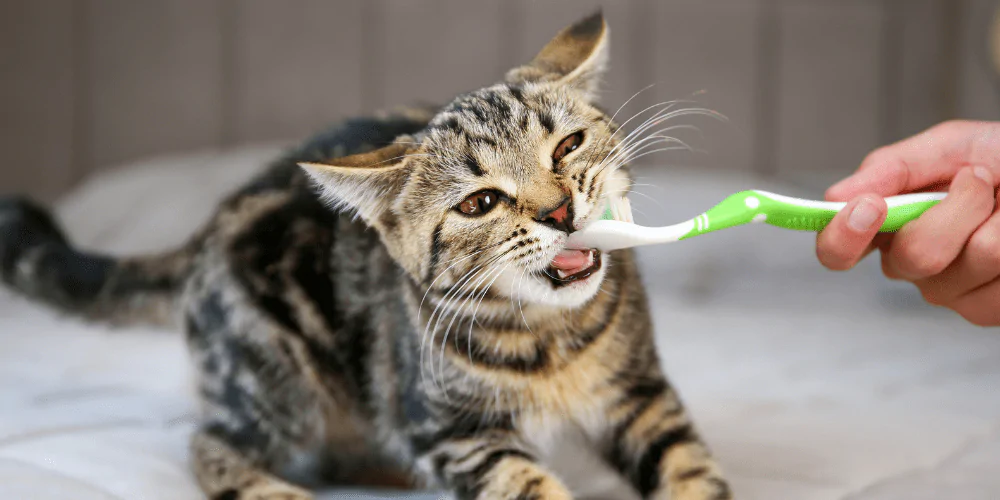
- Daily dental care – brushing your cat’s teeth and dog’s pearly whites contributes to their overall health.
- Exercise – give your pet exercise appropriate to their age and physical needs to help keep them fit and prevent illnesses like arthritis and diabetes.
- Flea and worming – do this regularly (as guided by your vet) to help keep nasty parasites at bay.

