Do pets need supplements?
A vet’s guide for UK dog and cat owners.
Lucy Hoile
23 March 2026
Walk into any pet shop and you’ll see shelves packed with supplements promising shinier coats, stronger joints and better digestion. It’s easy to assume they’re essential for your pet’s health.
But are supplements really necessary, or could they do more harm than good? Learn when supplements may be beneficial and when they’re best avoided.
- What are pet supplements?
> Why do pet owners choose to give their cat or dog supplements? - How do I know if my adult cat or dog needs supplements?
> Examples of when a pet might need supplements
> Are pet supplements safe? - Do older cats and dogs need supplements?
- Do puppies and kittens need supplements?

What are pet supplements?
Pet supplements are products designed to provide additional nutrients or ingredients that support specific aspects of your pet’s health.
They often come in powders, tablets or treats, and may contain:
- Vitamins and minerals (such as calcium, zinc and vitamins A, C, D and E)
- Fatty acids like omega-3
- Amino acids
- Joint-support ingredients such as glucosamine
- Herbal extracts like milk thistle or turmeric
- Prebiotics and probiotics
Some supplements aim to correct nutritional gaps, while others are designed to support particular health conditions.
Why do some owners give their dog or cat supplements?
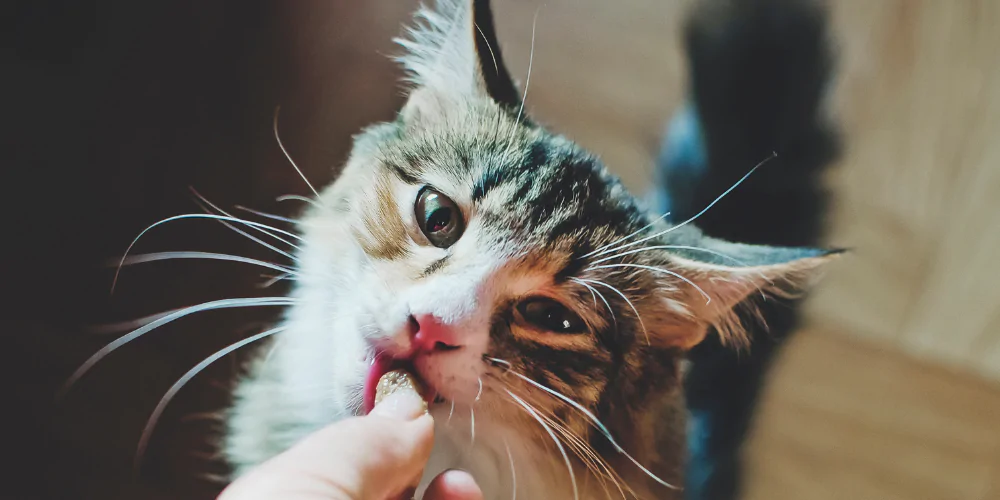
There are several reasons why pet owners consider adding supplements to their dog or cat’s diet.
Common reasons include:
- A recommendation or prescription from their vet
- Concerns that standard pet food isn’t providing enough nutrients
- A preference for more ‘natural’ health support
- Trying to manage side effects from medication
- Supporting pets with long-term health conditions
While these reasons are understandable, supplements aren’t always necessary – especially for healthy pets.

Do most pets need supplements?
In most cases, healthy adult cats and dogs don’t need supplements if they’re fed a complete, balanced diet.
Pet food generally falls into two categories:
- Complete food – contains the right balance of nutrients your pet needs, including protein, fats, carbohydrates, vitamins and minerals
- Complementary food – includes treats and snacks that don’t provide full nutritional balance on their own
Feeding a high-quality complete food is the simplest way to ensure your pet gets everything they need nutritionally.
Complementary foods – like treats – should make up no more than around 10% of your pet’s daily calorie intake. Feeding too many can disrupt nutritional balance.

When might a pet need supplements?
There are situations where supplements can be beneficial – but they should always be recommended by a vet.
Examples include:
- Skin and coat issues – omega-3 fatty acids may help reduce inflammation
- Joint problems – glucosamine and chondroitin can support mobility in conditions like osteoarthritis
- Digestive issues – probiotics may help balance gut health
- Stress or anxiety – calming supplements may be advised in some cases of dog stress or stress in cats
Pets on homemade or raw diets may also require supplements, as it can be difficult to provide the correct balance of nutrients without professional guidance.
If you’re unsure, it’s always best to speak to your vet before introducing anything new.
Are pet supplements safe?
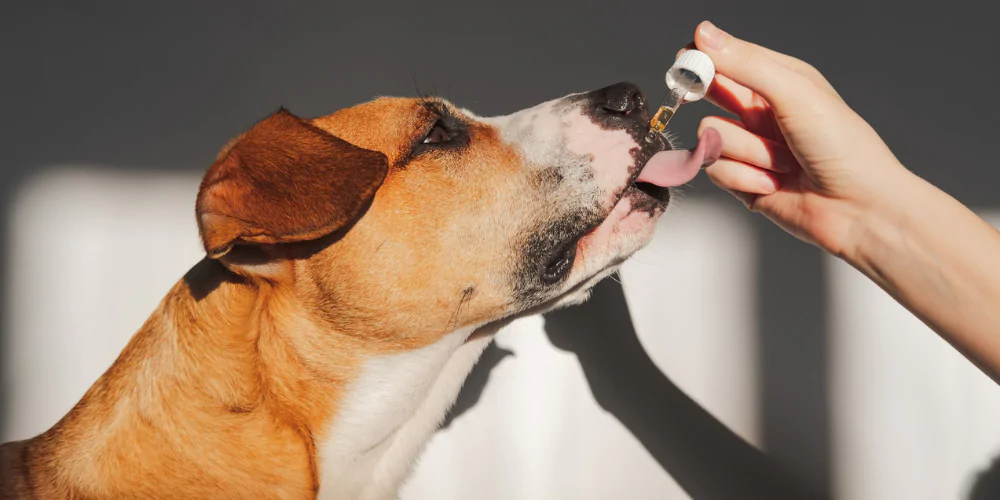
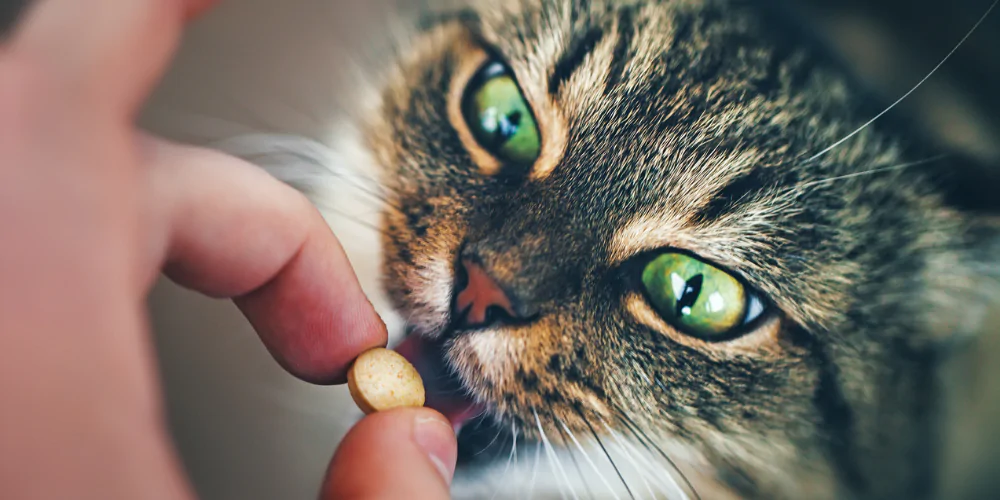
Supplements aren’t risk-free, especially if used incorrectly.
Giving supplements without veterinary advice can lead to imbalances or even toxicity. For example:
- Too much vitamin A or D can be harmful
- Excess minerals such as calcium or iron can affect development and organ function
Because pets have specific nutritional requirements, adding supplements unnecessarily can sometimes do more harm than good.
Do older pets need supplements?
As dogs and cats age, their nutritional needs change – but that doesn’t automatically mean they need supplements.
Senior cats and older dogs (typically aged 7+) may benefit from:
- Higher-quality protein to maintain muscle mass
- Antioxidants to support immune health
- Lower-calorie diets to help manage weight
- Good hydration
Many commercial pet foods are specially formulated for older pets and already include these adjustments.
If your pet develops a health condition, your vet may recommend a targeted approach – such as a prescription diet, medication or supplements – depending on their needs.

Do puppies and kittens need supplements?
Growing pets need a carefully balanced diet to support healthy development. However, most puppies and kittens can get everything they need from a complete food designed for their life stage.
These diets are formulated to provide:
- Protein for growth and immune function
- Healthy fats for energy
- Calcium for strong bones and teeth
- Essential vitamins and minerals
Routine vet check-ups – including the important six-month check – help make sure your pet is developing normally.
It’s also worth remembering that training treats count towards your pet’s daily intake, so overfeeding can still become an issue.
So, what’s the final word on supplements?
For most pets, a complete and balanced diet provides all the nutrition they need – without the need for additional supplements.
While supplements can be useful in certain situations, they should only be used under veterinary guidance. This helps ensure your pet gets the right nutrients in the right amounts, without risking their health.
If you’re ever unsure, your vet is the best place to start.
And if your pet does develop a health condition, having the right cover in place can make a big difference. With Petgevity pet insurance, you can focus on your pet’s wellbeing without worrying about unexpected vet bills.

