Patellar luxation in dogs

  • Up to £15,000 vet fees
  • No compulsory excess or bill share, even as your pet ages†
  • No upper age limit
  • Free 24/7 access to FirstVet video consultations
  • All pre-existing conditions considered*†

Why choose Petgevity pet cover for patellar luxation in dogs?

Vet fees up to £15,000

More info

To suit your pet’s needs, choose vet fee cover from £1,000 to £15,000. The limit resets every year you renew.

Design your own pet insurance

More info

Policies as unique as your pet. Set your own limits, excess and optional extras, for cover as snug as a collar.

Switch with unbroken cover

More info

If you switch to us from a like-for-like policy, there’ll be no gap in cover, with protection starting straight away**.

What is patellar luxation in dogs?

Content by Dr Nicole Olewinski – BVSc MRCVS

Patellar luxation is when the kneecap (patella) slips out of its normal position. Unlike joints such as the hip, the knee mainly works as a hinge, directing muscle power into running and jumping. The kneecap plays an important role in this by gliding up and down in a groove at the bottom of the thigh bone (femur), helping transfer force smoothly through the leg.

When the kneecap doesn’t stay within this groove and slips to one side, it’s called patellar luxation.

What Causes What Causes
Overview
  • A common condition that can lead to arthritis
  • Small dogs more often have medial luxation (inwards)
  • Large dogs more often have lateral luxation (outwards)
  • Symptoms range from barely noticeable to difficulty walking
  • Surgery is recommended for more severe case
What Causes What Causes
What causes patellar luxation in dogs?

The kneecap normally stays in place because it sits within a groove in the thigh bone and is stabilised by muscle tension. The force travels from the thigh muscles through the kneecap to the shin bone (tibia), where the patellar tendon attaches, helping to anchor the patella within the groove. If the groove is too shallow, or the bones of the leg have developed slightly out of alignment, the kneecap can drift or be pulled out of position.

In most cases, this is a developmental problem. And while both legs can be affected, one is often worse than the other. Less commonly, trauma or injury can cause the kneecap to luxate.

What Causes What Causes
Which breeds are most affected?

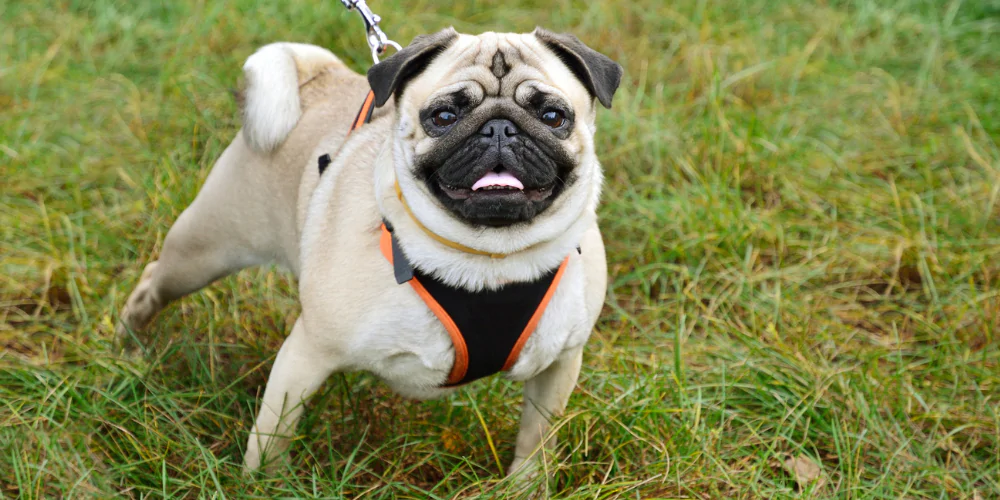
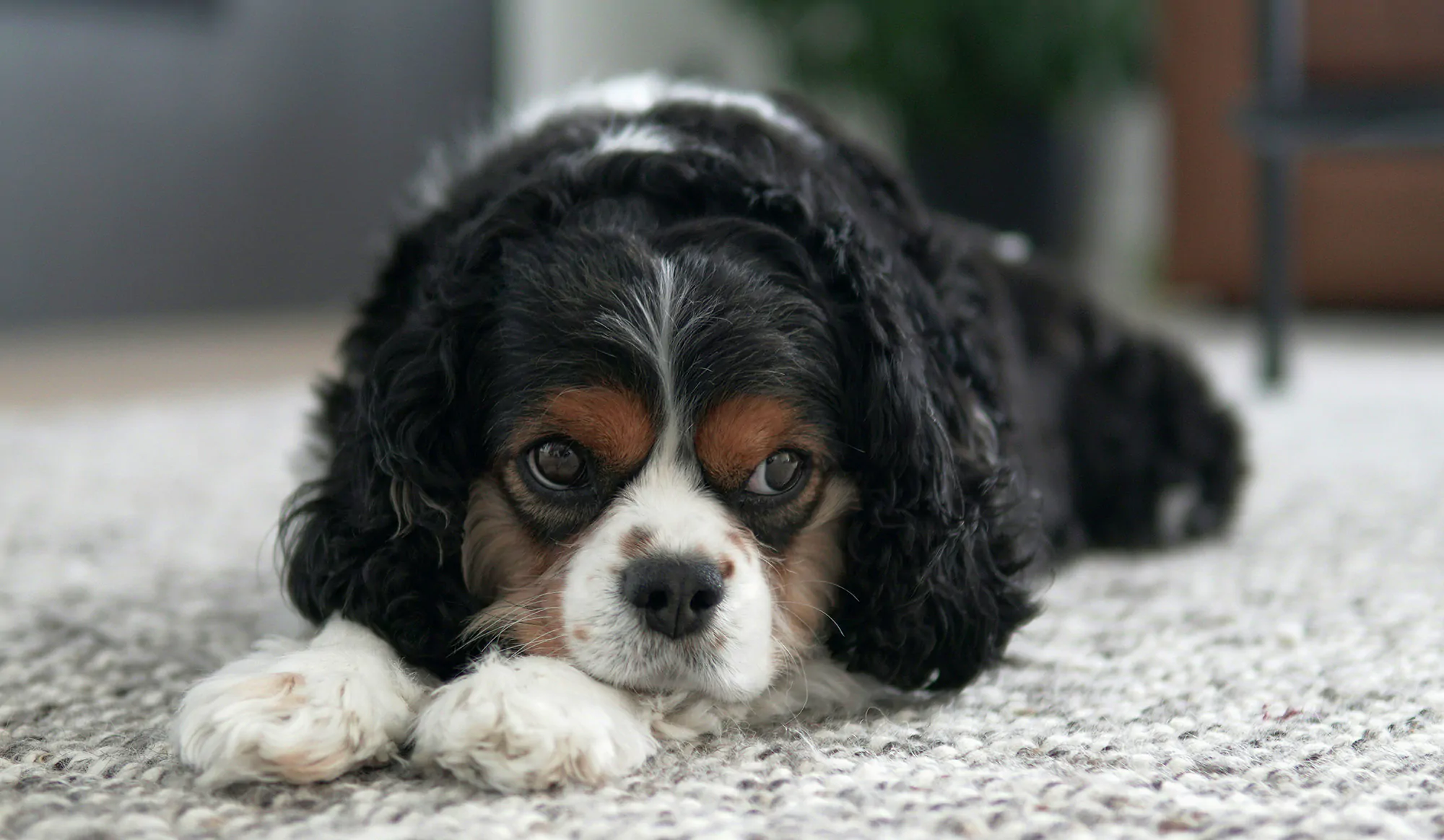
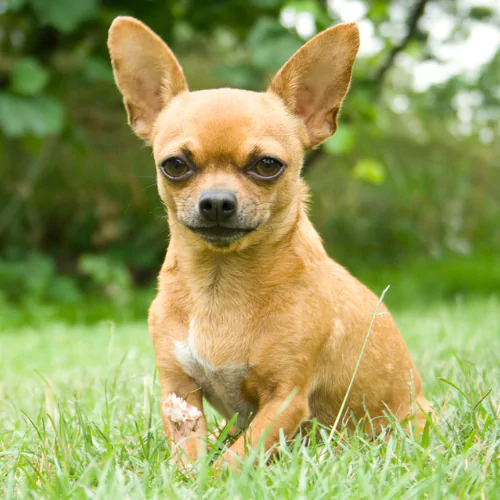
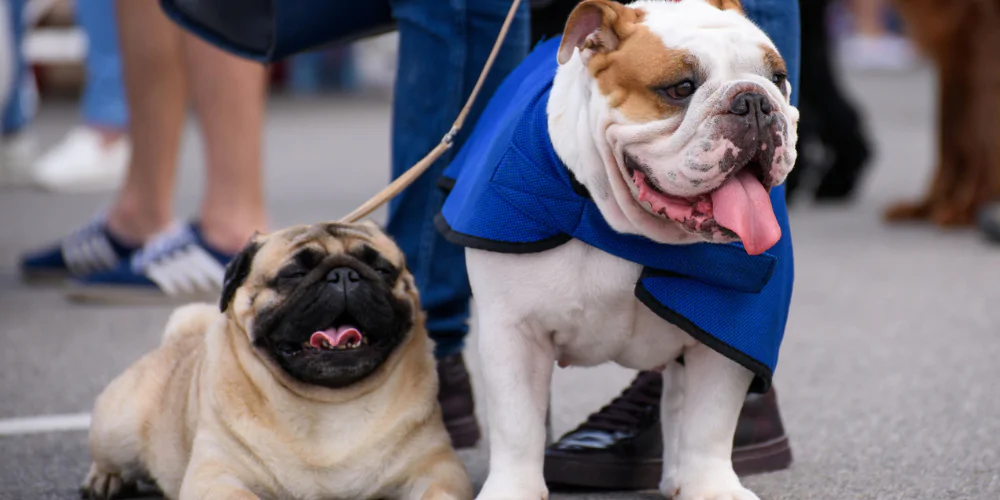
Patellar luxation is a common finding in practice. Small breed dogs are particularly prone to medial luxation (where the kneecap slips inwards), and many popular breeds and their crosses are affected:

In larger breeds, lateral luxation (where the kneecap slips outwards) is less common but well recognised, particularly in breeds such as:

  • Flat-coated Retrievers
  • Great Danes
  • Irish Wolfhounds
  • Saint Bernards
What Causes What Causes
What are the signs and symptoms of patellar luxation?

Signs vary depending on how often the kneecap moves out of place. In milder cases (Grade I and II), where the kneecap only slips briefly and returns to position on its own, the only sign may be an occasional skipped step.

In more severe cases (Grade III and IV), where the kneecap is out of place most or all of the time, lameness becomes more obvious. Dogs may even struggle with walking and getting up from lying down. If both legs are affected, they may develop a bow-legged or knock-kneed stance.

Diagnosis

In many cases, a vet can feel the kneecap moving out of position during an examination. To understand why this is happening and plan treatment, further imaging such as X-rays or – in more complex cases – CT scans may be recommended.

What Causes What Causes
Treatment of patellar luxation

Treatment depends on the severity of the condition. Low-grade or mild patella luxation is often managed conservatively with weight control, physiotherapy, joint supplements and – where needed – anti-inflammatory medication.

In more severe cases, where the mechanics of the joint are significantly affected, surgery is usually recommended to improve mobility, comfort and long-term joint health. Surgery may involve deepening the groove, tightening soft tissues, and correcting bone alignment to prevent the kneecap from being pulled out of position.

Prognosis

Arthritis is a common long-term outcome of patellar luxation. In mild cases, many dogs live long, active lives with minimal impact, especially with early diagnosis and management.

For more severe cases, surgery can significantly improve comfort and joint function as well as delay the onset of arthritis. Without treatment, however, quality of life can be impacted by rapid onset of arthritis and difficulties with basic mobility.


What Causes What Causes
Our expert says...

“It may seem like a lot of fuss over a small bone, but the patella sits right in the middle of a powerful system. If that system isn’t aligned properly, it’s a bit like a tug of war between the top and bottom of the leg, putting real strain on the joint.

“In milder cases, you may not even realise there’s a problem until your vet picks it up. But no symptoms now doesn’t mean it’s something to ignore. By the time limping appears, there may already be wear and tear in the joint.

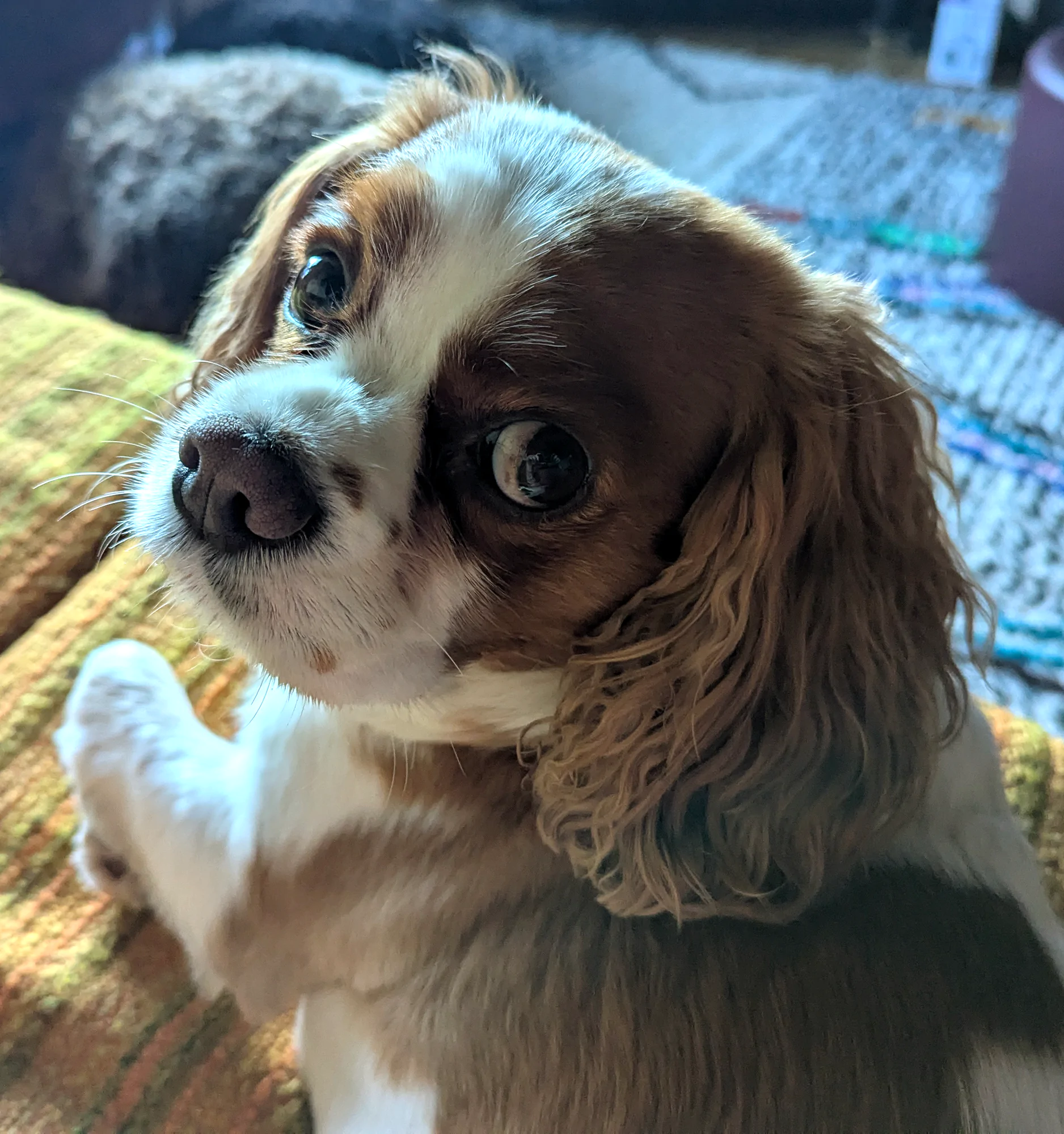
“I see this with my own elderly rescue dog, nicknamed the ‘Hairy Hippo’. She loves food and lounging on the sofa, which both pose risks. What feels like a small treat to us makes a big difference to a 5kg dog. Jumping onto furniture is another hazard… Those explosive movements can pop the patella out of place and increase inflammation. She also isn’t as strong as she used to be, and falls can add injury to an already arthritic joint.

“So if you notice your young dog skipping the odd step, or worse, get it checked out. Surgery is a big step – but if it’s appropriate, it can dramatically improve mobility and protect the joint from rapid decline.”

Dr Nicole Olewinski – BVSc MRCVS

What Causes What Causes
Can I get insurance for a dog with patellar luxation?

Tell us about your dog’s patellar luxation when you get a quote for Lifetime Plus insurance and we’ll see if we can cover them*.

You must tell us about all the conditions they’ve had in the last two years – including those which need ongoing treatment, monitoring or check-ups. This way we can offer the exact level of cover for your dog’s individual needs. 

Find out more about our dog insurance for pre-existing medical conditions


*Cover for pre-existing medical conditions is subject to acceptance. They will not be covered unless you have declared them and they are shown on your Confirmation of Cover.

What Causes What Causes

What’s included in your pet cover

Choosing Petgevity to protect your pets gives you more than just vet fee cover. Here's what you get from our policy.

Dental accident

More info

Covers your pet up to the chosen vet fee limit if they have a dental accident or injury. Always be sure to take your pet for annual dental check-ups, and follow your vet’s advice.

Behavioural treatment

More info

Get expert help with your pet’s mental and emotional wellbeing, as advised by your vet. Cover up to your chosen vet fee amount or the cost of up to 12 sessions, whichever is lower (Lifetime Plus); or up to £1,000 (Lifetime).

Complementary therapy

More info

As advised by your vet, this covers alternative treatments like acupuncture or hydrotherapy. Cover up to your chosen vet fee amount (Lifetime Plus); or up to chosen vet fee amount or £1,500, whichever is lower (Lifetime).

Emergency care

More info

If you can’t look after your pet due to an emergency, such as an unplanned hospital visit, this covers you for up to £1,500 (Lifetime Plus) in minding costs.

Third-party liability for dogs

More info

Covers you for legal costs if your dog causes injury to somebody or their pet, or causes loss or damage to someone’s property. Protects you for up to £2 million in a legal action.

Choice of optional extras

More info

Need extra protection? Choose from several optional extras to cover your pet’s needs, including dental illness, or cover if your pet is stolen or lost.

Award-winning pet insurance provider

best_pet_insurance_provider_logo

Defaqto 5 star rating when you choose vet fees over £4,000 with all optional add-ons included.

Basic cover alone has 3 star rating

best_pet_insurance_provider_logo

Three-time winner National Insurance Awards Pet Insurance Award 2022, 2023 & 2024.

best_pet_insurance_provider_logo

Awarded Best Pet Insurance Provider at The Money Mentor Awards 2024

Compare our multi-pet cover

petgevity-logo-white p-only-petgevitylogo ManyPets Petplan Agria
Maximum vet fees £15k per year £15k per year £12k per year £20k per year
Cover for pre-existing conditions?
No compulsory excess?
No compulsory co-payments for older pets? 20% (from age 9) 20% (from age 7) Min. 10% (from any age)
Tailor limits per pet on a multi-pet policy
Dental treatment for accidents?
Behavioural treatment and complementary therapy?

†For Lifetime Plus policies only – details correct as of 10 September 2024 via competitor websites. Competitor products are subject to their own T&Cs and can have different limits and requirements for cats versus dogs at different ages. For full details, please check the relevant policy wording.
For full details of Petgevity pet insurance, please read our policy wording.

Frequently asked questions about patellar luxation

  • How do I know if my dog has a luxating patella?

    The most common sign is an occasional skipping step or hop, where your dog briefly lifts a back leg before carrying on as normal. In more severe cases, you may notice ongoing lameness or difficulty exercising. Your vet can usually confirm the diagnosis during a physical examination.

  • Does patellar luxation require surgery?

    Not always. Mild cases (Grade I and II) can often be managed without surgery using weight control, physiotherapy and medication if needed.

    Surgery is typically recommended for more severe cases or when your dog is showing ongoing pain or lameness.

  • Can mild cases be managed without surgery?

    Yes. Many dogs with mild luxation live comfortable, active lives with good management. Keeping your dog at a healthy weight and maintaining muscle strength are key to reducing strain on the joint.

  • Will both knees be affected?

    ​In developmental cases, it’s not unusual for both knees to be affected, although one side may be worse than the other.

  • What happens if left untreated?

    Over time, the abnormal movement of the kneecap can lead to wear and tear within the joint, resulting in arthritis. In more severe cases, this can cause ongoing pain, reduced mobility and a decline in quality of life.

†Lifetime Plus policies only

*Cover for pre-existing medical conditions is subject to acceptance. They will not be covered unless you have declared them and they are shown on your Confirmation of Cover.

**Illnesses and symptoms won’t be covered in the first 14 days and accidents won’t be covered in the first 2 days of the policy. This is unless you are switching from another lifetime pet insurance product with no break in cover and the claim you want to make would have been covered by your previous policy. Other exclusions may apply to other sections.