Ear infections (otitis) in dogs

  • Up to £15,000 vet fees
  • No compulsory excess or bill share, even as your pet ages†
  • No upper age limit
  • Free 24/7 access to FirstVet video consultations
  • All pre-existing conditions considered*†

Why choose Petgevity pet cover for ear infections in dogs?

Vet fees up to £15,000

More info

To suit your pet’s needs, choose vet fee cover from £1,000 to £15,000. The limit resets every year you renew.

Design your own pet insurance

More info

Policies as unique as your pet. Set your own limits, excess and optional extras, for cover as snug as a collar.

Switch with unbroken cover

More info

If you switch to us from a like-for-like policy, there’ll be no gap in cover, with protection starting straight away**.

What is an ear infection in dogs?

Content by Dr Siân Burwood MA VetMB MRCVS

An ear infection in a dog refers to the overgrowth of bacteria and yeast within the ear canal, causing inflammation, pain and smelly discharge. The medical term for this is ‘otitis’.

Most of the bugs that cause them are meant to live in the ear all the time, and the infection is caused by overgrowth. But sometimes bacteria that should never be in the ear can cause infections, which are challenging to get on top of.

Some cases of otitis are just inflammation, rather than inflammation and infection.

What Causes What Causes
Overview
  • It’s very common for vets in the UK to see ear infections (otitis)
  • They can affect any breed, but are especially common in those that have poorly ventilated ears (due to shape or hair) or in dogs that suffer from allergies
  • Common symptoms are redness, pain and a smelly discharge – making your dog shake their head a lot
  • Treatment relies on finding out what the underlying cause is so the right medications can be given
  • Recheck appointments with your vet are vital, as infections can seem to be cleared when they are not, only to come back worse
  • Your dog may need sedation to have their ears cleaned and treatment started if they are very painful
What Causes What Causes
What causes ear infections in dogs?

Most ear infections in dogs are caused by an overgrowth of the bacteria and yeast that live in the ear canal all the time. If the environment of the ear canal becomes moist, warm or traumatised, these bugs can overgrow and produce more ear wax than usual, and sometimes pus.

This is uncomfortable for your dog, causing them to shake their head and rub their ears. This in turn causes more trauma and continues the vicious circle.

Sometimes ear infections are caused by bacteria that are not meant to be in the ears at all, but can get in there through activities like swimming. Cleaning ears out after water-based activities can help prevent these infections.

The majority of otitis seen in veterinary practice these days are caused by underlying skin allergies. This is because the ear canal is made of skin, just like anywhere else on the body – only rolled into a tube where it can get warmer!

Many dogs with allergies show only ear disease as their symptoms, so any recurrent problems are worth looking into further.

Ear infections caused by parasites (such as ear mites) are rarely seen apart from in young puppies, or as part of a more generalised itching problem (such as a flea or fox mange infestation).


What Causes What Causes
Which breeds are most affected?

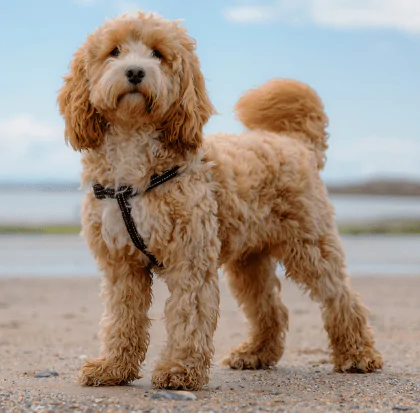
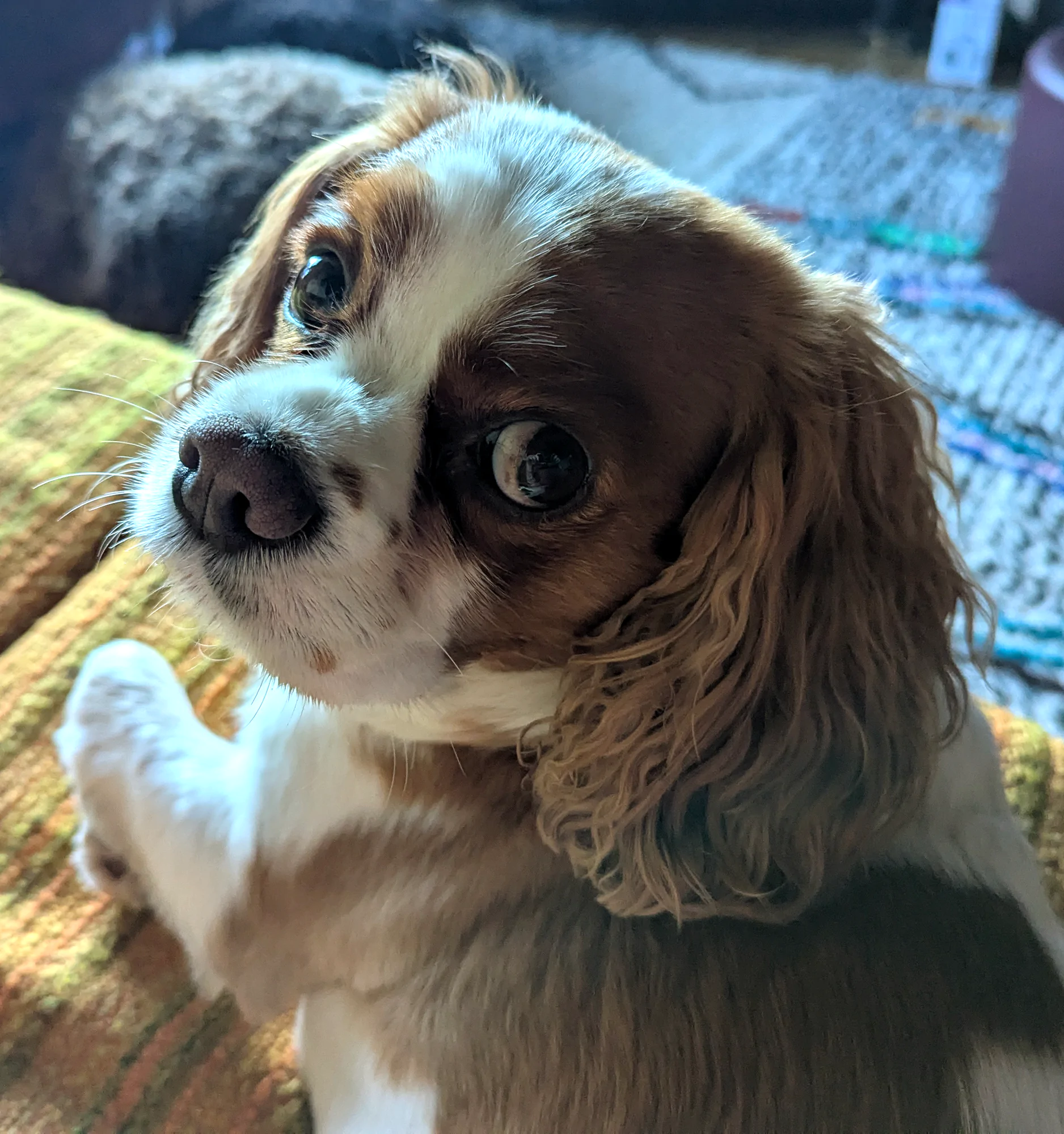
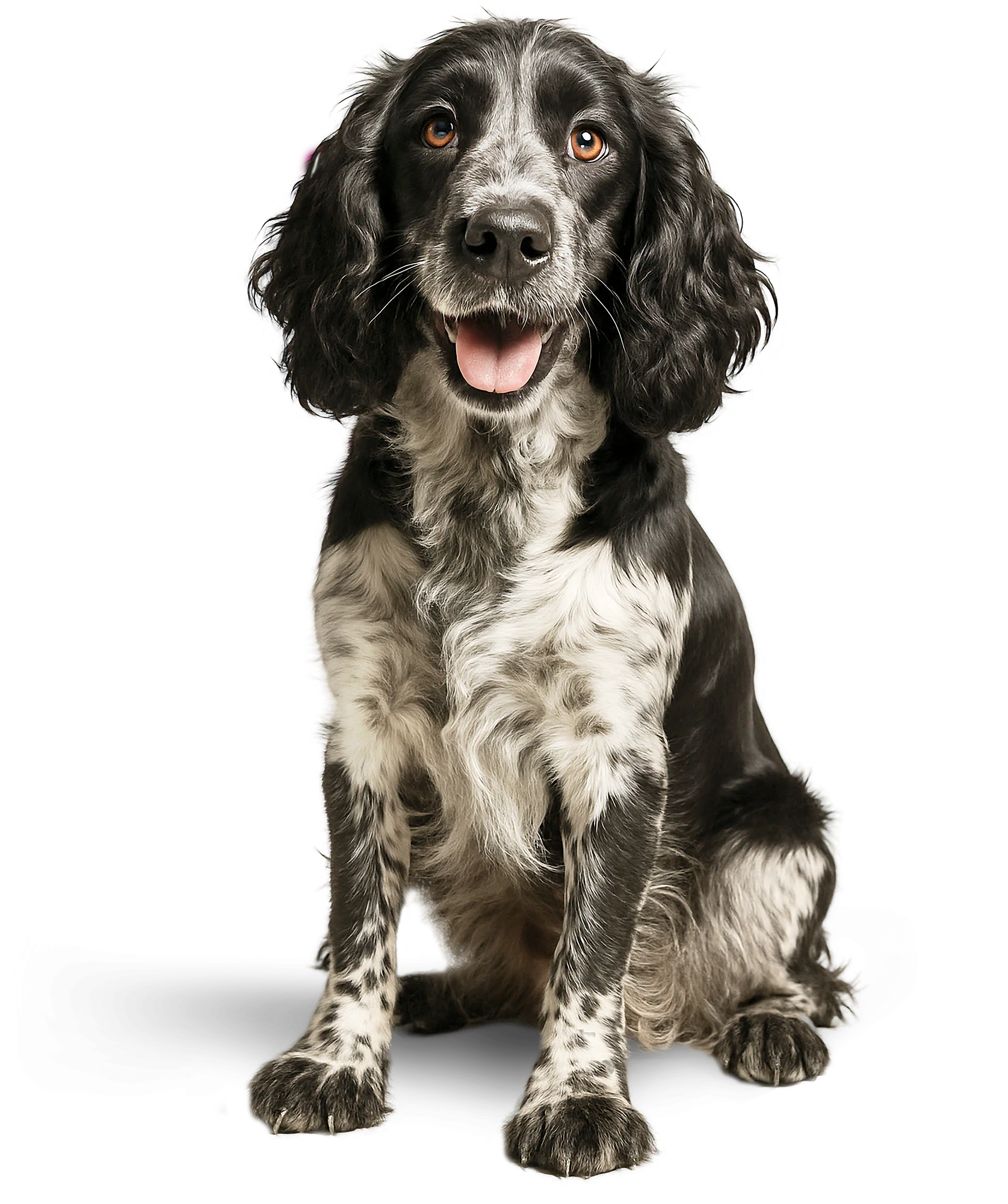
Although any breed of dog can develop an ear infection, the shape of the ear (and so the breed) has a big impact on how likely this is to happen. Dogs with floppy ears are more likely to get infections, as the air flow to the ear canal is reduced and bugs more easily overgrow. For example:

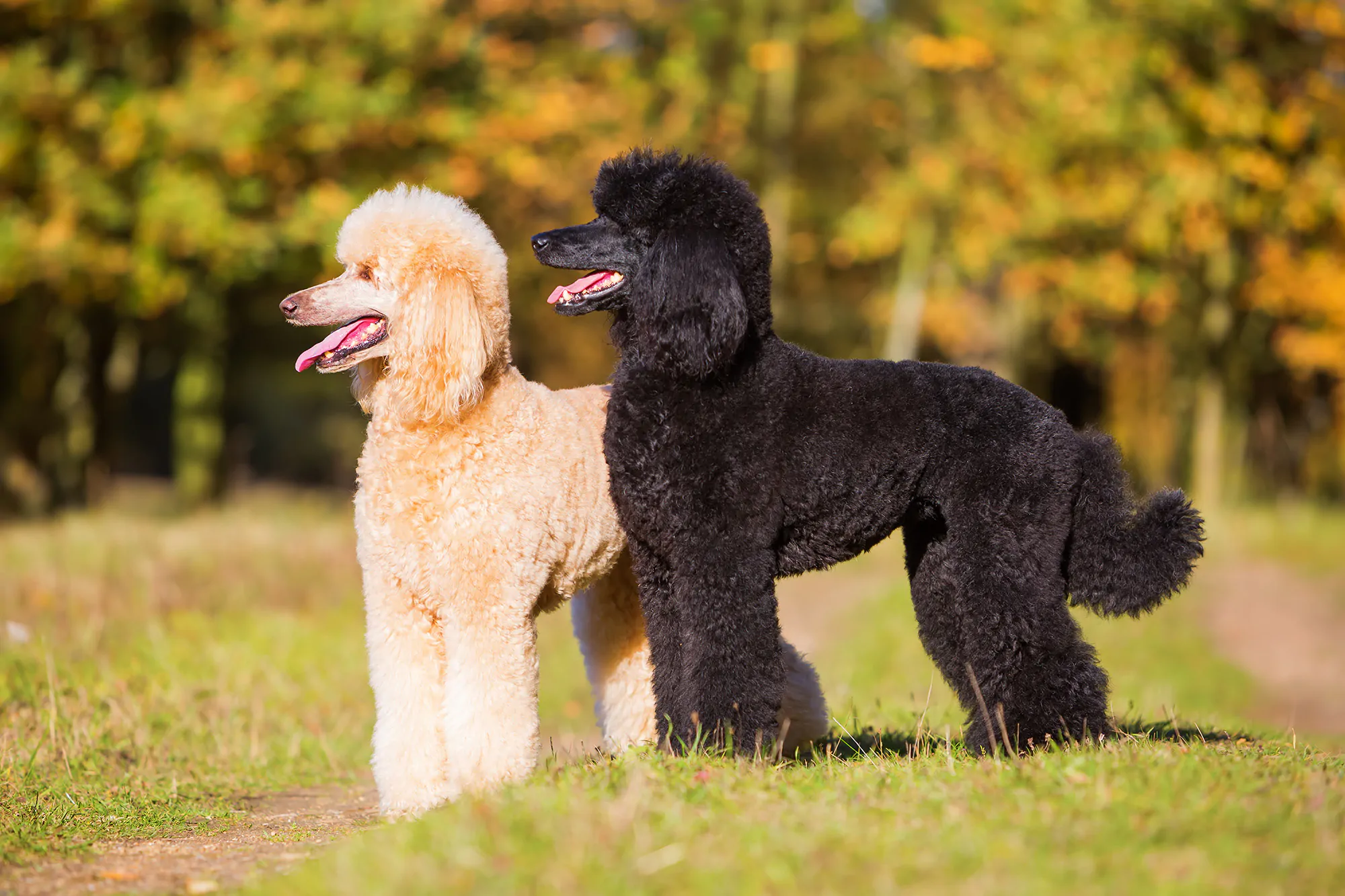
Dogs who grow hair inside their ear canals are particularly at risk, as this design flaw makes the ear very hot – which the bugs like. For example:

  • Poodles and poodle crossbreeds (eg Cavapoos and Cockapoos) especially
  • Bichon Frise
  • Shih Tzu
  • Lhasa Apsos

Regular grooming of these dogs is essential to help control the hair growth and reduce the likelihood of ear disease.

Any breed prone to skin allergies are far more likely to be seen with recurrent otitis, and this may be their only symptom. For example:

What Causes What Causes
What are the signs and symptoms of mild or early otitis/ear infections?

A dog with a mild ear infection will start shaking their head and may rub at the ears. If you look at the ear flap and inside the ear canal, you’ll see it’s more red than usual, and may have a musty smell. There might be some discharge, typically dark brown in colour.

As the ear infection gets more serious, the ear canal will become more swollen and hot, and will be painful to the touch.

Diagnosis

Accurate early diagnosis of ear infections is essential so they don’t become more serious and cause lasting damage.

Your vet can do this by taking a swab of the discharge from the ear, which they then look at with a microscope to identify the type of bugs in there. If it’s not obvious which type of bug caused the infection – or if they have concerns that there’s an unusual type of bacteria or one that might be resistant to antibiotics – they’ll ask to send the swab off to the lab for a ‘culture and sensitivity’. This is where the lab can specifically identify the exact species of bacteria causing the problem and exactly what treatments will or won’t work.

If your dog seems generally to be a bit itchy and sensitive, you’ll need to work with your vet to do a logical work-up for allergic skin disease. This can take a while, and often involves food trials and sometimes blood tests.

What Causes What Causes
Treatment of milder ear infections

Treatment of mild ear infections usually involves:

  • Ear cleaning, to remove excess discharge and ensure the medication gets to the skin)
  • In combination with an ear medication which usually contains steroid, antifungal and antibiotics, in varying amounts

Some treatments are applied once or twice by the vet. Others need daily cleaning and application by you at home. Treatment courses range from 1-4 weeks before a recheck is needed.

Whatever treatment you’re given, it’s vital that you follow your vet’s instructions carefully and make sure you return for that recheck.

Prognosis

When caught early and accurately diagnosed, most ear infections are readily dealt with if the treatment plan is followed.

Vets tend to see issues if the full course isn’t given, if ear cleaning techniques aren’t effective, or when the owner doesn’t return for a recheck. This is usually because they feel the problem is fixed, and don’t realise that the more resistant bugs are waiting to flare up again and cause more infection. 

If treatment doesn’t seem to be effective, looking for underlying causes such as allergic skin disease is essential to improving prognosis.

What Causes What Causes
What are the signs and symptoms of severe or chronic otitis/ear infections?

Recurrent, untreated or severe infections caused by unusual bacteria can cause serious problems for dogs and their owners. The reasons for this are:

  • Over time, the body will try to heal the inflamed ear canal by laying down scar tissue. This makes the canal even narrower, worsening air flow and making the next infection more likely.
  • Over time, the natural wax removal processes of a dog’s ear stop as the little hairs that move the wax along are damaged. More wax means the next infection is more likely.
  • Trauma to the ear from persistent rubbing, shaking or more aggressive bacteria can cause ulceration of the skin inside the canal and even more pain.
  • Some types of bacteria (rods) develop resistance to antibiotics very quickly which can make treatment really challenging.

Signs you may see include more violent head shaking or even tilting the head to one side. But for some dogs, the pain means that instead you’ll see loss of appetite and lethargy.

Some dogs with chronic ear disease show no symptoms at all because they’ve learnt to suffer in silence.

Diagnosis

Diagnosis by in-house swab and/or culture and sensitivity remains the best way to diagnose these ear infections. If the signs are very severe, your dog may need a course of steroids or even an examination under sedation to be able to take this sample.

What Causes What Causes
Treatment of severe or chronic otitis/ear infections

Treatment of severe ear infections is more likely to involve the need for an ear flush under sedation or general anaesthesia. This is to allow thorough cleaning before treatment. This may need to be done several times.

For chronic ear infections, there’s nothing that can be done to reverse the secondary scar tissue that develops. This is why early diagnosis and accurate treatment to prevent it forming in the first place is so important.

In the most severe cases, surgical procedures such as a lateral wall resection (LWR) or total ear canal ablation (TECA) may be suggested, where part or all of the ear canal is removed to at least take away the pain and source of infection for the dog. These are last-resort procedures.

Prognosis

Treating a severe or chronic ear infection is a position that you never want to be in. While not fatal, these chronic ears are often only ever managed – not cured. Severe infections can be treated successfully, but do require consistency and dedication to stop them turning into chronic damage.

What Causes What Causes
Our expert says...

“Ear infections take up a surprising amount of my day to day life as a vet! This has definitely increased in recent years with the increased popularity of the poodle crossbreeds – whose hairy ears create a lovely warm environment for bugs. But also with the sad fact that many breeds now suffer from high levels of allergic skin disease – also known as atopy.

“Working with your vet to really understand otitis in your dog is a must.

“Preventative grooming and regular ear cleaning with a liquid wash are the best way to really get to know the ears of your own dog. This way you can notice any infections early, and can then see your vet.

“I’d urge people away from trying home remedies or pet shop ‘ear drops’. These often just clog up the L-shaped canal, and make my job much harder in the long run”

Dr Siân Burwood, MA VetMB MRCVS

What Causes What Causes
Can I get insurance for a dog with an ear infection?

Be sure to tell us about your dog’s otitis when you get a quote for Lifetime Plus insurance and we’ll see if we can cover them*.

Always declare every condition they’ve had in the last two years – including those which need ongoing treatment, monitoring or check-ups. This way we can offer the exact level of cover for your dog’s individual needs. 

Find out more about our dog insurance for pre-existing medical conditions.

What Causes What Causes

What’s included in your pet cover

Choosing Petgevity to protect your pets gives you more than just vet fee cover. Here's what you get from our policy.

Dental accident

More info

Covers your pet up to the chosen vet fee limit if they have a dental accident or injury. Always be sure to take your pet for annual dental check-ups, and follow your vet’s advice.

Behavioural treatment

More info

Get expert help with your pet’s mental and emotional wellbeing, as advised by your vet. Cover up to your chosen vet fee amount or the cost of up to 12 sessions, whichever is lower (Lifetime Plus); or up to £1,000 (Lifetime).

Complementary therapy

More info

As advised by your vet, this covers alternative treatments like acupuncture or hydrotherapy. Cover up to your chosen vet fee amount (Lifetime Plus); or up to chosen vet fee amount or £1,500, whichever is lower (Lifetime).

Emergency care

More info

If you can’t look after your pet due to an emergency, such as an unplanned hospital visit, this covers you for up to £1,500 (Lifetime Plus) in minding costs.

Third-party liability for dogs

More info

Covers you for legal costs if your dog causes injury to somebody or their pet, or causes loss or damage to someone’s property. Protects you for up to £2 million in a legal action.

Choice of optional extras

More info

Need extra protection? Choose from several optional extras to cover your pet’s needs, including dental illness, or cover if your pet is stolen or lost.

Award-winning pet insurance provider

best_pet_insurance_provider_logo

Defaqto 5 star rating when you choose vet fees over £4,000 with all optional add-ons included.

Basic cover alone has 3 star rating

best_pet_insurance_provider_logo

Three-time winner National Insurance Awards Pet Insurance Award 2022, 2023 & 2024.

best_pet_insurance_provider_logo

Awarded Best Pet Insurance Provider at The Money Mentor Awards 2024

Compare our multi-pet cover

petgevity-logo-white p-only-petgevitylogo ManyPets Petplan Agria
Maximum vet fees £15k per year £15k per year £12k per year £20k per year
Cover for pre-existing conditions?
No compulsory excess?
No compulsory co-payments for older pets? 20% (from age 9) 20% (from age 7) Min. 10% (from any age)
Tailor limits per pet on a multi-pet policy
Dental treatment for accidents?
Behavioural treatment and complementary therapy?

†For Lifetime Plus policies only – details correct as of 10 September 2024 via competitor websites. Competitor products are subject to their own T&Cs and can have different limits and requirements for cats versus dogs at different ages. For full details, please check the relevant policy wording.
For full details of Petgevity pet insurance, please read our policy wording.

Frequently asked questions about patellar luxation

  • What is the difference between otitis and an ear infection?

    Otitis is the scientific term for ‘inflammation of the ear canal’, whereas an ear infection technically means an overgrowth of yeast or bacteria in the ear canal – which always includes inflammation.

    The terms are often used interchangeably, but the key thing for both is to understand the underlying cause of the problem.

  • What causes chronic otitis?

    Chronic otitis is the progressive narrowing and scarring of the ear canal. This happens over time with untreated or poorly treated ear infections and otitis. It’s the reason why returning to your vet for rechecks after any ear infection is important, as well as understanding any underlying allergies, as this damage cannot be reversed.

  • Are some breeds more prone to ear infections?

    Yes, breeds with floppy ears are more prone to ear infections, as the airflow inside is worse. So are breeds that grow hair inside the ear canal, particularly Poodles and Poodle crossbreeds. Regular ear cleaning and grooming for these breeds is absolutely essential.

    Any breed sold as ‘hypoallergenic’ is actually more likely to develop ear infections as they don’t shed their fur as quickly!

  • Can food allergies cause ear infections?

    Yes, allergic skin disease – including food allergies – are common causes of recurrent ear infections in dogs.

    Allergies cause skin itching and inflammation, and the ears are a prime site for this causing a problem. If you suspect this, speak to your vet to work out a sensible plan to work out the underlying cause, as it can be very frustrating to do on your own.

  • How can I prevent ear infections in dogs?

    Regular ear cleaning with a vet suggested ear wash and regular grooming (if necessary) are the best ways to prevent ear infections in dogs. Speak to your vet to see what they would advise for your particular dog.

  • When should I see a vet for an ear infection?

    It’s a good idea to see your vet sooner rather than later for an ear infection, ideally within a couple of days. If you have ear cleaners at home, you can try these first while waiting for your appointment. But it’s not advisable to wait and see – or try to treat yourself – as incorrect diagnosis can lead to long-term problems.

†Lifetime Plus policies only

*Cover for pre-existing medical conditions is subject to acceptance. They will not be covered unless you have declared them and they are shown on your Confirmation of Cover.

**Illnesses and symptoms won’t be covered in the first 14 days and accidents won’t be covered in the first 2 days of the policy. This is unless you are switching from another lifetime pet insurance product with no break in cover and the claim you want to make would have been covered by your previous policy. Other exclusions may apply to other sections.