Asthma in cats

  • Up to £15,000 vet fees
  • No compulsory excess or bill share, even as your pet ages†
  • No upper age limit
  • Free 24/7 access to FirstVet video consultations
  • All pre-existing conditions considered*†

Why choose Petgevity pet cover for asthma in cats?

Up to £15,000 vet fees

More info

To suit your pet’s needs, choose vet fee cover from £1,000 to £15,000. The limit resets every year you renew.

Design your own pet insurance

More info

Policies as unique as your pet. Set your own limits, excess and optional extras, for cover as snug as a collar.

Switch with unbroken cover

More info

If you switch to us from a like-for-like policy, there’ll be no gap in cover, with protection starting straight away**.

What is asthma in cats?

Content by Dr Nicole Olewinski – BVSc MRCVS

Feline asthma, often called cat asthma, occurs when mucus, inflammation and muscle spasms narrow the lower airways inside the lungs. This narrowing makes it harder for a cat to breathe, a bit like trying to breathe through a drinking straw. 

Often, it’s first noticed in middle-aged cats as coughing, panting or wheezing. Cats may hunch over and stretch their neck out while coughing. This posture can look very similar to a cat trying to cough up a hairball, which means asthma can be easy to miss early on.

Overview

  • Causes coughing, wheezing, panting and difficulty breathing
  • A chronic condition that gets worse with time
  • Can’t be diagnosed with a single test
  • Requires lifelong treatment and monitoring
  • Asthma attacks are an emergency
What Causes What Causes
What causes asthma in cats?

Asthma is caused by an abnormal immune response to inhaled particles. Simply put, it’s an allergy to things in the air. Many different allergens can trigger this reaction, leading to inflammation and muscle spasms in the airways. Common ones include dust, dust mites, pollen, smoke and artificial fragrances. 

Cats often react to different combinations of allergens. While some cats have seasonal triggers, others have symptoms all-year round. Flare-ups can also occur unexpectedly when allergen levels suddenly increase. In some cases, strong triggers and stress lead to an asthma attack. This is a medical emergency.

Which breeds are most affected? 

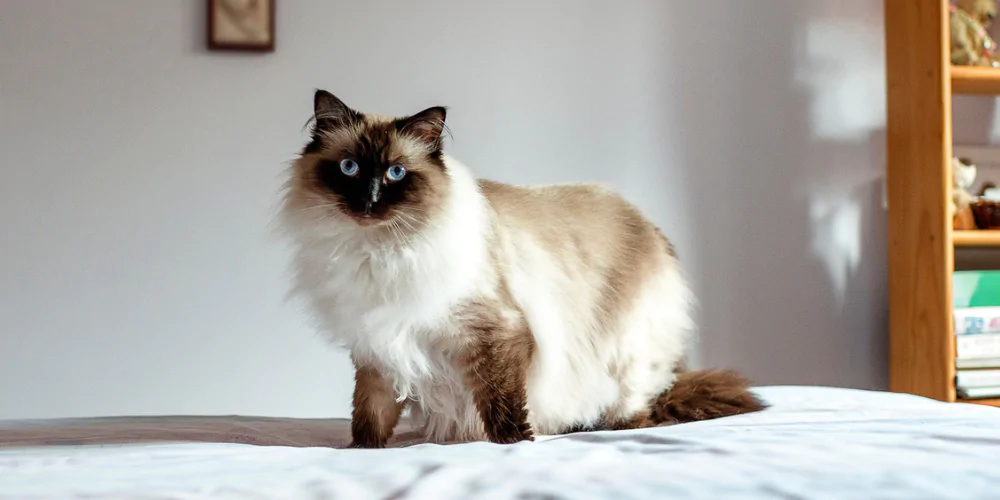
Any cat can be affected, but Siamese and Himalayan cats appear to be more susceptible. 

What Causes What Causes
What are the signs and symptoms of asthma in cats?

Some cats with asthma show only mild symptoms at first, such as an occasional cough or short bout of coughing. This can be easy to miss in the early stages of the disease. Other common symptoms include wheezing, panting like a dog after exercise or excitement, and using the stomach muscles more when breathing. Though severely affected cats may cough every day, mild cases may only be noticeable seasonally. 

If your cat has not been diagnosed and you notice repeated coughing in the typical hunched position with the neck extended – especially if no hairball is produced – try to film the episode and bring the recording with your cat to the vet for a check-up. 

What Causes What Causes
Diagnosing asthma in cats

There’s no single test used to diagnose asthma in cats. Vets usually rely on a combination of tests to look for tell-tale signs and rule out other conditions with similar symptoms. These tests often include:

  • Blood tests, sometimes including allergy testing
  • Faecal tests to check for parasites that can damage the lungs
  • Cytology to examine cells collected from fluid inside the airways
  • X-rays to look for a branching pattern in the lungs caused by the inflammation
  • Occasionally, bronchoscopy and CT scans
What Causes What Causes
Treating asthma in cats

Managing asthma in cats focuses on reducing inflammation, opening the airways and limiting allergen exposure and stress. Steroids are the most effective treatment, and work by dampening the immune response and reducing inflammation. Bronchodilators are often used alongside steroids to relax the airway muscles and improve airflow. 

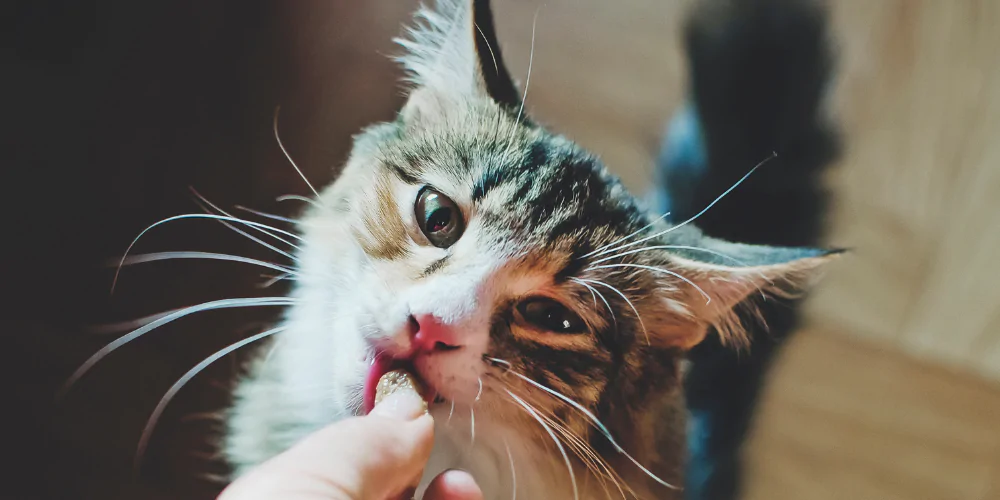
For calmer, easy-to-handle cats, giving medication using a special cat inhaler device known as a spacer is a good option. A human inhaler is sprayed into the spacer, and the mask is placed over the cat’s mouth and nose. As the cat breathes, the medication is inhaled directly into the lungs. This delivers the steroids where they are needed, reducing side effects often seen with tablets or injections. 

Lifestyle changes can also play an important role in managing asthma in cats. Weight loss can make breathing physically easier, while dust-free cat litter and air filters may reduce the level of allergens in the air. 

What Causes What Causes
Prognosis

Feline asthma can’t be cured. Treatment aims to control flare-ups, reduce asthma attacks and slow the damage done to the lungs. 

Over time, the airways can become more reactive and accumulate damage, which worsens symptoms. In easy-to-manage cats, this process can be very slow and many live well into their teens. But for challenging cases, worsening symptoms could affect their quality of life. 

What Causes What Causes
What are the signs and symptoms of an asthma attack?

An asthma attack is a sudden severe flare-up. As well as coughing, wheezing and rapid breathing, cats may pant with their mouth open and breathe using their stomach muscles. Often, they hunch low and extend their neck to try and make breathing easier. 

If your cat’s tongue looks bluish or purple, they’re not getting enough oxygen. This is a medical emergency: without treatment, it can quickly become life-threatening. 

Diagnosis 

If an asthma attack is the first sign of disease in your cat, your vet will still need to perform the same tests used to diagnose milder cases. This is because infections or parasites can also cause severe respiratory problems, but the immediate priority will be stabilising your cat. 

What Causes What Causes
Treating asthma attacks

Emergency treatment focuses on opening the airways and reducing stress. This may include oxygen therapy, fast-acting medications given directly into the veins and sometimes mild sedation. 

Prognosis 

Asthma attacks are life-threatening, and cats that experience repeated attacks or severe flare-ups often develop further airway damage. This can make the condition harder to manage and flare-ups even more likely. It’s a vicious cycle.  

What Causes What Causes
Our expert says...

“While I’m very likely to reach for steroids after an asthma diagnosis, the most effective treatment plan is one that takes both your cat and your home environment into account. 

“I can’t see inside your home, so I always treat asthma management as teamwork. I rely on owners to track their cats’ symptoms and pick up on patterns, such as specific rooms, products or situations that seem to trigger symptoms. 

“When it comes to medication, cats can also behave very differently at home compared with the clinic. A cat who’s a firecracker on my examination table may be calm and trusting with their owners. Because of that, I often encourage owners to try an inhaler with a cat spacer if it’s an affordable option. However, if handling or tabletting causes stress and worsens their symptoms, long-acting steroid injections may be the best option – and that’s nothing to feel guilty about.” 

Dr Nicole Olewinski – BVSc MRCVS

What Causes What Causes
Can I get insurance for a cat with asthma?

If you’re looking to get a Petgevity Lifetime Plus policy, we’ll consider all conditions when offering cover for your cat*. 

When you apply for cat insurance, just tell us:

  • What medical conditions they’ve had in the last two years
  • Their current health status

Find out more about Petgevity’s cat insurance for pre-existing conditions. 


What Causes What Causes

Award-winning pet insurance provider

best_pet_insurance_provider_logo

Defaqto 5 star rating when you choose vet fees over £4,000 with all optional add-ons included.

Basic cover alone has 3 star rating

best_pet_insurance_provider_logo

Three-time winner National Insurance Awards Pet Insurance Award 2022, 2023 & 2024.

best_pet_insurance_provider_logo

Awarded Best Pet Insurance Provider at The Times Money Mentor Awards 2024

What’s included in your pet cover

Choosing Petgevity to protect your pets gives you more than just vet fee cover. Here's what you get from our policy.

Dental accident

More info

Covers your pet up to the chosen vet fee limit if they have a dental accident or injury. Always be sure to take your pet for annual dental check-ups, and follow your vet’s advice.

Behavioural treatment

More info

Get expert help with your pet’s mental and emotional wellbeing, as advised by your vet. Cover up to your chosen vet fee amount or the cost of up to 12 sessions, whichever is lower (Lifetime Plus); or up to £1,000 (Lifetime).

Complementary therapy

More info

As advised by your vet, this covers alternative treatments like acupuncture or hydrotherapy. Cover up to your chosen vet fee amount (Lifetime Plus); or up to chosen vet fee amount or £1,500, whichever is lower (Lifetime).

Emergency care

More info

If you can’t look after your pet due to an emergency, such as an unplanned hospital visit, this covers you for up to £1,500 (Lifetime Plus) in minding costs.

Third-party liability for dogs

More info

Covers you for legal costs if your dog causes injury to somebody or their pet, or causes loss or damage to someone’s property. Protects you for up to £2 million in a legal action.

Choice of optional extras

More info

Need extra protection? Choose from several optional extras to cover your pet’s needs, including dental illness, or cover if your pet is stolen or lost.

Compare our multi-pet cover

petgevity-logo-white p-only-petgevitylogo ManyPets Petplan Agria
Maximum vet fees £15k per year £15k per year £12k per year £20k per year
Cover for pre-existing conditions?
No compulsory excess?
No compulsory co-payments for older pets? 20% (from age 9) 20% (from age 7) Min. 10% (from any age)
Tailor limits per pet on a multi-pet policy
Dental treatment for accidents?
Behavioural treatment and complementary therapy?

†For Lifetime Plus policies only – details correct as of 10 September 2024 via competitor websites. Competitor products are subject to their own T&Cs and can have different limits and requirements for cats versus dogs at different ages. For full details, please check the relevant policy wording.
For full details of Petgevity pet insurance, please read our policy wording.

Frequently asked questions about asthma in cats

  • Can indoor cats develop asthma?

    Yes, indoor cats can develop asthma too. This is because there are a lot of allergens such as dust and dust mites inside our homes.

  • How long can a cat live with asthma?

    Asthma in cats can’t be cured, but well-managed cats with milder asthma often live into their teens. 

  • Can cat asthma suddenly get worse?

    Yes, stress or a new allergen can trigger an asthma attack or make everyday symptoms worse.

  • Can stress trigger asthma in cats?

    Stress doesn’t cause asthma, but it can worsen symptoms or trigger an asthma attack. This is because of the way surges in stress hormones influence the immune system. 

†Lifetime Plus policies only

*Cover for pre-existing medical conditions is subject to acceptance. They will not be covered unless you have declared them and they are shown on your Confirmation of Cover.

**Illnesses and symptoms won’t be covered in the first 14 days and accidents won’t be covered in the first 2 days of the policy. This is unless you are switching from another lifetime pet insurance product with no break in cover and the claim you want to make would have been covered by your previous policy. Other exclusions may apply to other sections.