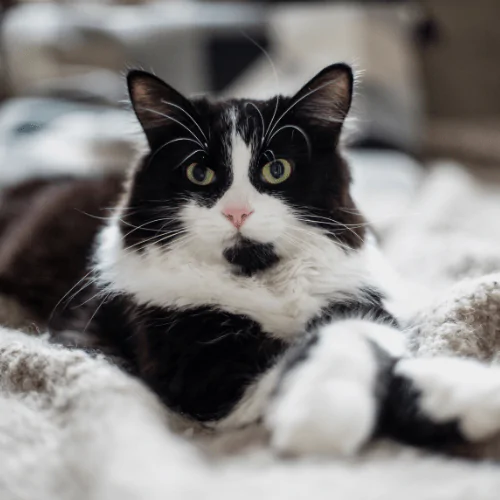
Why is my cat stressed?
Here are the telltale signs to look out for, and how you can help.
Lucy Hoile
16 December 2025
| 14 minutes read
Cats can be stoic little characters, often hiding pain, illness and other problems. So how do you tell if your pet is genuinely feeling stressed?
Cat behaviourist Lucy Hoile breaks down the common causes of stress in cats, what signs to keep an eye on, and practical ways to support a worried or overwhelmed feline.
- What’s making my cat feel stressed?
Health-related stress in cats
> How can medical conditions trigger stress in my cat?
> What are the signs of stress caused by health issues?
> Ways to support a stressed cat with an underlying health issue - Stress linked to social interactions
> Why do social conflicts or changes affect my cat’s wellbeing?
> Symptoms of stress caused by social factors
> How to help a cat experiencing social stress - Environmental stress in cats
> How can changes in the home or surroundings lead to stress?
> What are the clues that your cat is stressed by their environment?
> Steps to ease environmental stress in your cat - Encouraging a stressed cat to eat
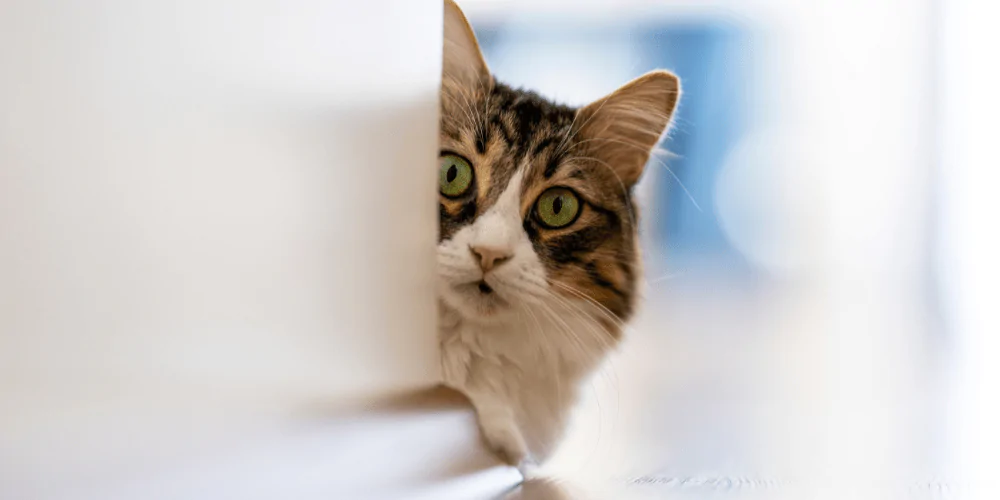
What’s making my cat feel stressed?
Cats may live alongside us – and sometimes other animals – but at their core they’re solitary hunters. They’re designed to avoid danger rather than confront it, so most will choose to flee rather than fight unless they’re really pushed.
Your cat’s stress triggers depend on their individual temperament, early-life experiences and current environment. Generally, feline stress falls into three categories: health-related, social and environmental.
It’s also worth remembering that a mother’s stress levels can affect her kittens before they’re even born. If a pregnant cat is living in difficult or unpredictable conditions, her kittens may be more reactive and struggle to adapt to a calm domestic setting. This is why kittens born to feral mothers often find home life challenging.
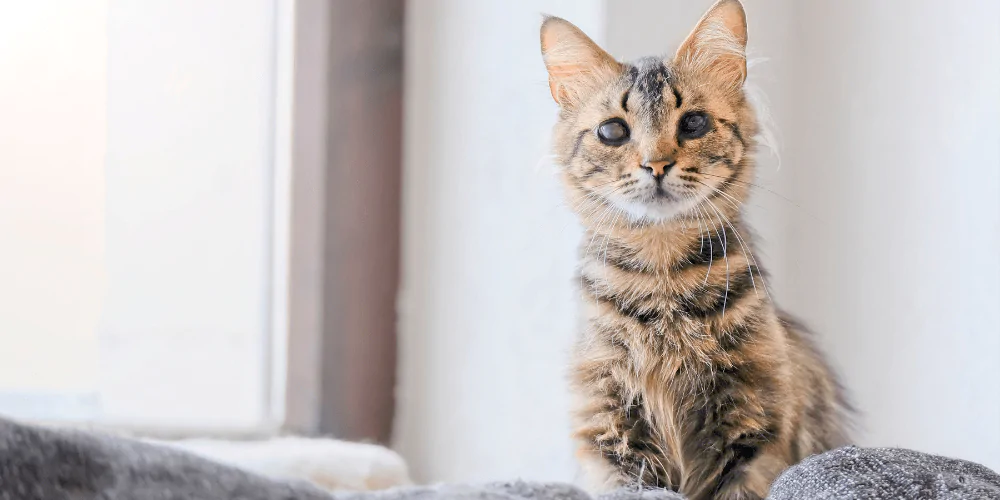
Health-related stress in cats
How can medical conditions trigger stress in my cat?
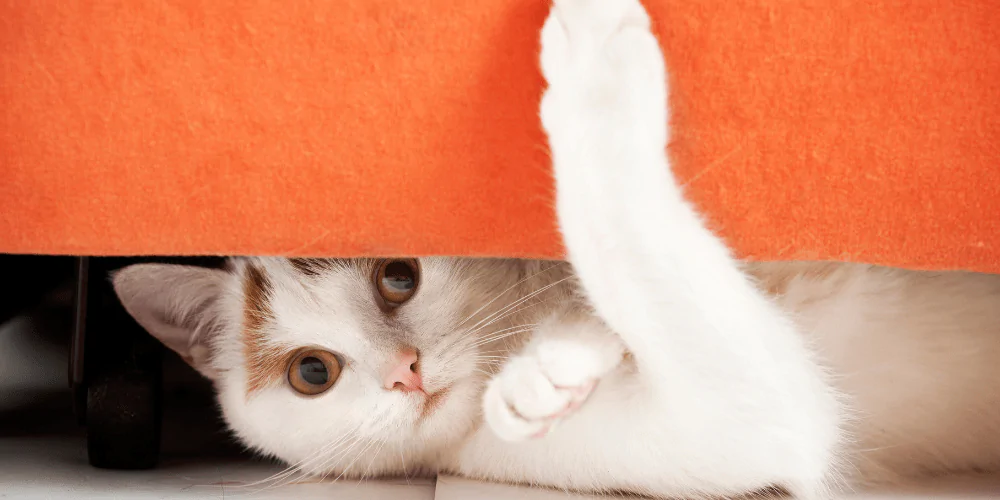
Health and behaviour go hand in hand. Any pain, discomfort or underlying illness can leave a cat feeling anxious, vulnerable and less confident. Urinary issues, dental pain, kidney disease and arthritis are all common culprits.
A poorly cat may be stressed because of:
- Loss of sight or hearing
- Struggling to move around their territory as normal (including using their litter tray)
- Discomfort with being picked up
- Feeling unable to defend themselves around other animals
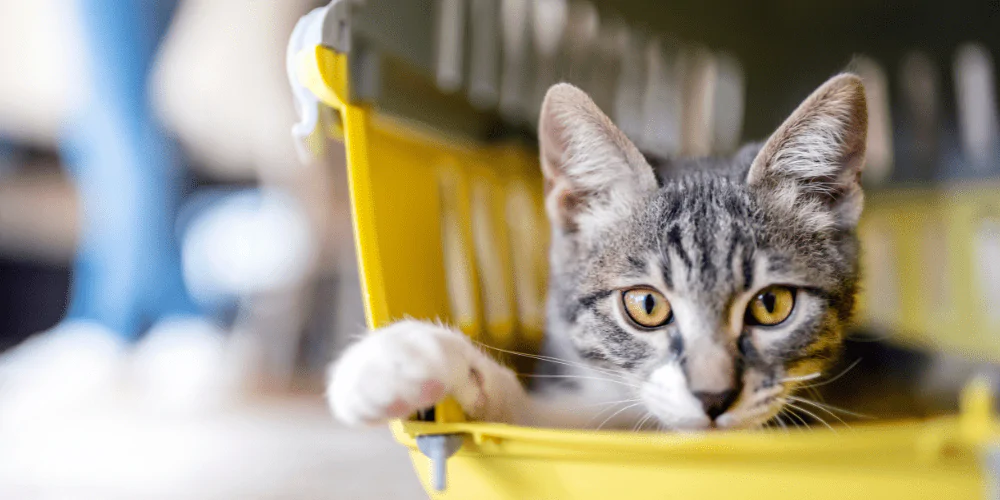
- Frequent vet visits, especially if they dislike their carrier
What are the signs of stress caused by health issues?
It can be tricky to separate symptoms of illness from signs of stress, so always consult your vet if you’re unsure.
You may notice your cat:
- Eating less
- Vomiting or having diarrhoea
- Overgrooming or pulling out fur
- Letting their coat become scruffy
- Hiding more than usual
- Licking their tummy until it’s bald
- Having accidents outside the litter tray
- Becoming less active or playful
- Avoiding interaction
- Showing more irritability or aggression
- Becoming wary of their carrier
Cats mask pain extremely well, so visible signs mean things have usually progressed. Subtle posture changes – tight facial muscles, hunched shoulders, wide pupils – can also indicate discomfort.
If your cat is in pain, they may hide, lash out or struggle to chew.
Ways to support a stressed cat with an underlying health issue
A trip to the vet is essential. Alongside medical treatment, you can reduce stress by:
- Training your cat to feel comfortable with their carrier
- Getting kittens used to gentle handling and vet-style checks
- Adjusting your home to suit their needs – for example, making litter trays and food bowls easier to reach
Regular health checks are particularly important for older cats who often hide signs of illness.
Stress linked to social interactions
Why do social conflicts or changes affect my cat’s wellbeing?
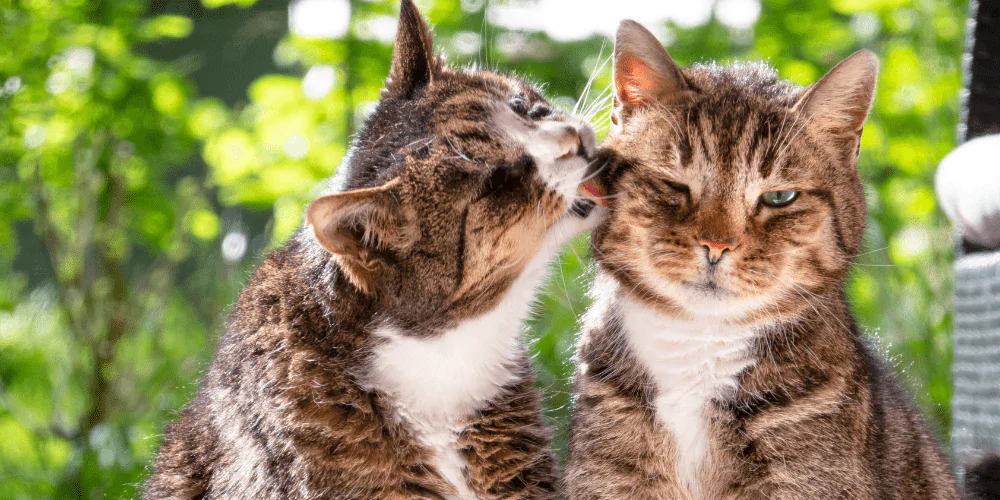
Despite their reputation, cats can enjoy company – but only when it suits them. They’ll live with other animals if it’s beneficial, but they don’t have the same in-built social drive as dogs.
Common social stressors include:
- Other cats in the home, especially if they don’t get along
- Personality clashes
- Long periods alone for cats that enjoy interaction
- Neighbourhood cats invading their territory
- Unwanted touching or handling
- Boisterous children
- Dogs that chase or intimidate them
- Living near prey animals they can’t reach
Symptoms of stress caused by social factors
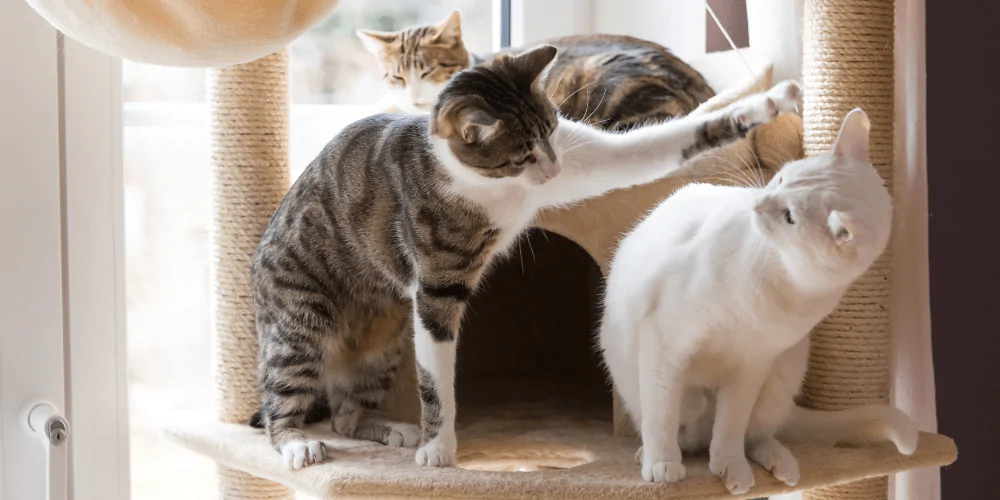
If tensions are high between cats in the same home, you may see:
- Fighting
- Hissing, growling or long meows
- Injuries such as cuts or abscesses
- Blocking access to beds, litter trays or cat flaps
- Competition for favourite spots
- Spraying or urine marking
- Going to the toilet in inappropriate places
If the stress is caused by an outside cat, your pet may avoid certain areas, look fearful or run from the intruder.
Cats stressed by people might:
- Hide from certain individuals
- Show tense body language
- Swipe, nip or hiss
Stress from dogs or other animals in the house, including prey animals such as mice, may show as:
- Avoidance
- Running away
- Aggression
- Pacing near cages or tanks
- Redirected aggression towards you
How to help a cat experiencing social stress
For cats clashing indoors:
- Give each cat separate areas with their own resources
- Ensure there are multiple beds, food bowls, water bowls, litter trays and scratching posts
- Feed cats apart
- Add vertical space for assurance (cats naturally feel more confident up high)
- Spread resources throughout the home so they can avoid each other when needed
Find out how to introduce a cat to a new kitten properly.
For cats stressed by neighbourhood felines:
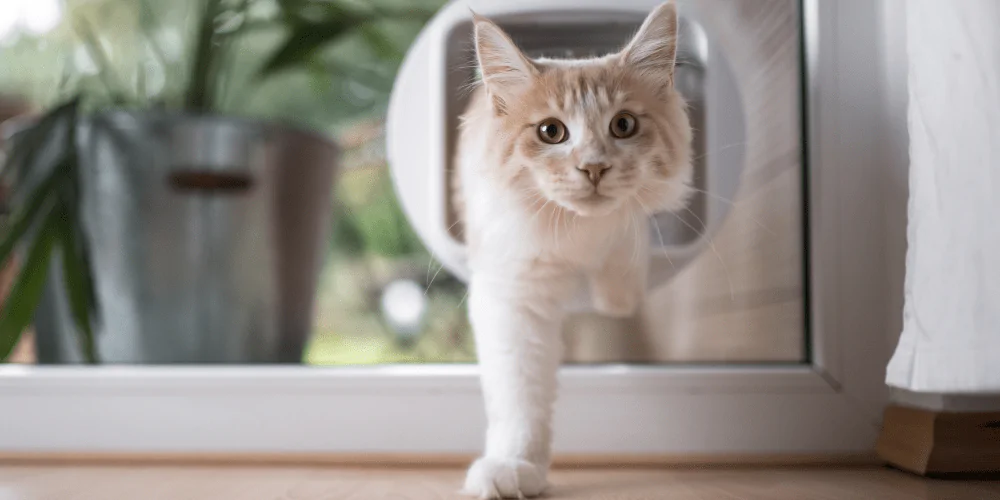
- Use a microchip cat flap
- Keep windows screened
- Move food and litter away from external doors or windows
- Frost windows to block direct views
- Secure the garden with fencing and remove lookout spots
- Create sheltered areas outdoors
To reduce stress from humans:
- Let the cat initiate contact
- Use the ‘consent test’ – offer a hand and see if they rub against it
- Slow blink at them before interacting – cats interpret prolonged eye contact as confrontational, so deliberately softening your gaze and slowly blinking tells them you’re calm and friendly
- Watch for signs they’ve had enough
For cats stressed by dogs:
- Provide dog-free zones using gates
- Manage the dog with leads or distraction
- Offer high-up safe spots
Find out how to introduce a kitten to a dog properly.
For cats stressed by prey animals, such as mice:
- Keep the animals in a separate room where your cat can’t reach them – this helps all animals stay safe
- Give your cat lots of play that mimics hunting, such as ping pong balls
Cats are natural predators, and even the most pampered indoor feline still has a strong instinct to stalk, chase and pounce. Offering play that mimics hunting behaviour isn’t just fun for them – it provides vital mental stimulation, helps burn off nervous energy and can reduce stress-related behaviours.
Environmental stress in cats
How can changes in the home or surroundings lead to stress?
Your home is your cat’s core territory, and any big changes can unsettle them. Cats rely heavily on scent, so redecorating, new furniture or building work can disrupt the familiar smells they find reassuring.
Examples include:
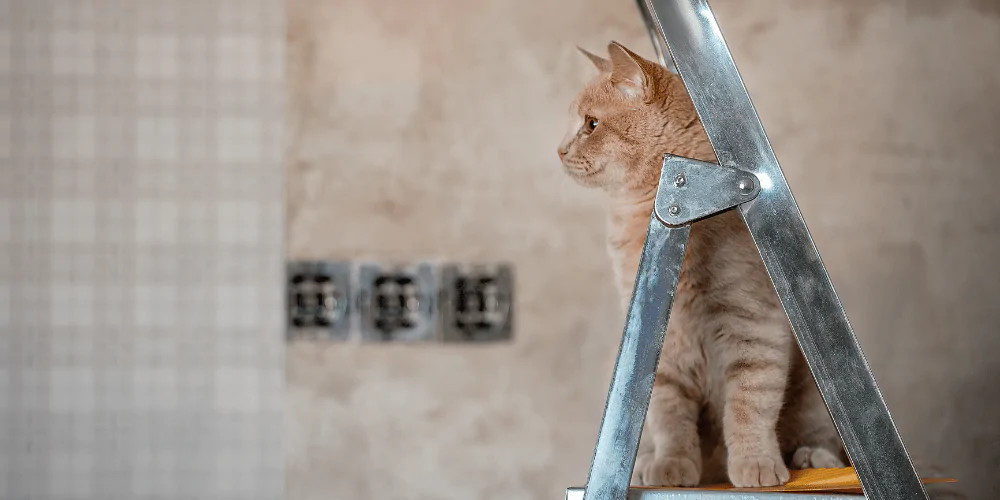
- Building work or decorators
- Painting over scent-marked areas
- Replacing furniture
- A new baby and the resulting routine shift
- Loud appliances
- Fireworks, storms or noisy neighbours
Truly feral cats often find it extremely stressful to live indoors. A kitten’s crucial socialisation period runs from about two to eight weeks of age. If a kitten is discovered after this stage, it’s much harder for them to adapt to living comfortably in a home. They’re also more challenging to care for medically, as they’re not familiar with things like carriers, handling or routine injections.
What are the clues that your cat is stressed by their environment?
These can overlap with signs of illness, and may include:
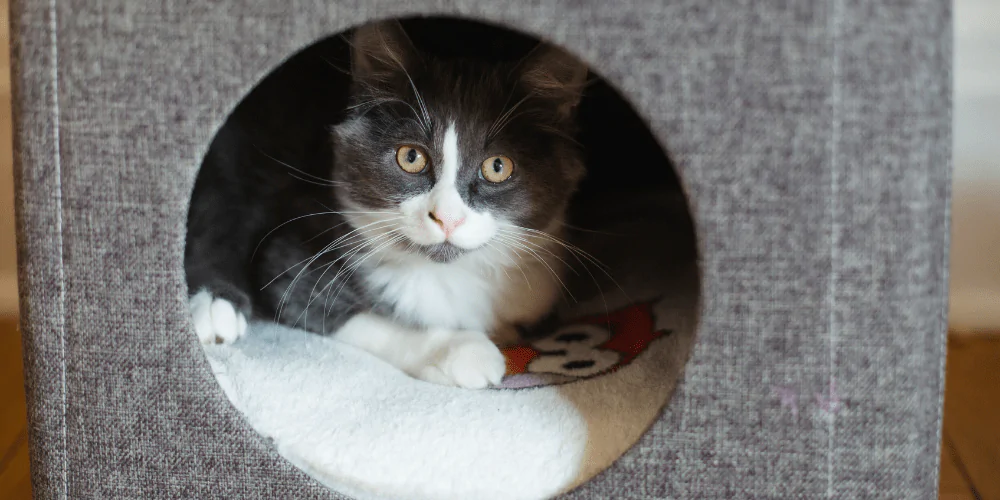
- Avoiding certain rooms
- Hiding a lot
- Reduced playfulness
- Seeking reassurance
- Eating much less or more
- Grooming too much or too little
Steps to ease environmental stress in your cat
During renovations:
- Keep your cat away from the work
- Consider a reputable cattery if major building work is happening
- Redecorate gradually so they always have a safe space
For triggers you can’t control, such as the weather or fireworks:
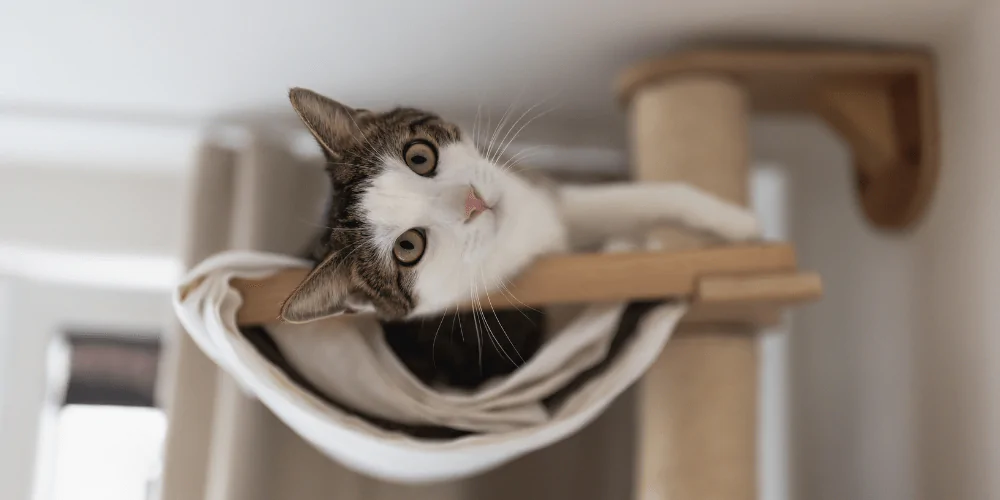
- Provide high perches
- Open up safe hidey holes
- Mask noise with gentle radio or TV
- Use wand toys for play
- Offer puzzle feeders
- Sit with your cat and comfort them if they enjoy company
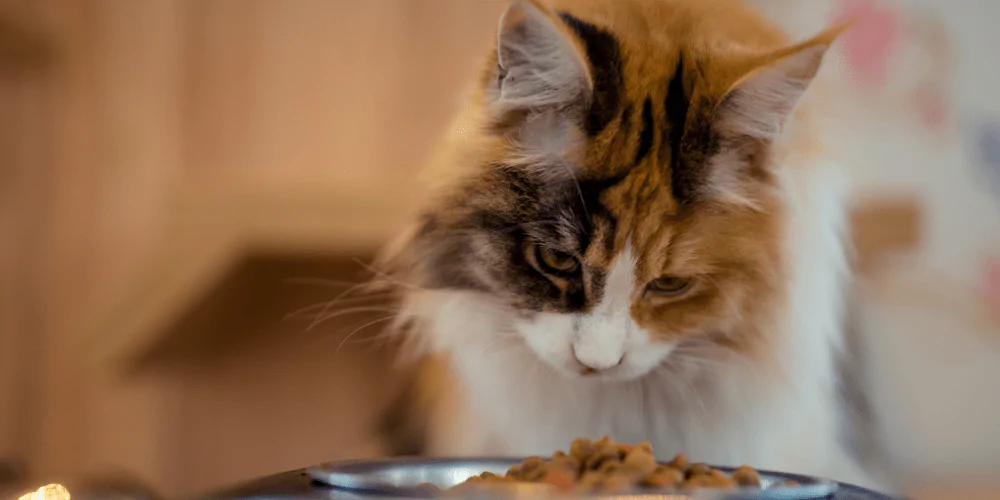
Encouraging a stressed cat to eat
Simply trying to encourage your cat to eat won’t solve the problem, as it doesn’t address the stress behind their loss of appetite. The first step is to work out what’s upsetting them. If you’re unsure what’s causing the change in behaviour, a qualified cat behaviourist can help you get to the bottom of it.
Once you’ve identified what’s triggering the stress, you can support your cat’s appetite by:
- Offering different flavours
- Adding a small amount of something extra tasty
- Warming food to enhance the smell
- Moving their bowl to a spot where they feel safe
- Serving smaller, frequent meals
Look after your top cat with flexible cat insurance from Petgevity.

