Cat blindness
Here are the common causes, symptoms, and how to care for a blind cat

Dr Scott Miller
17 December 2025
Cats are famous for their keen eyesight, which helps them navigate dim light and hunt with precision. But what happens when that superpower fades?
Blindness in cats is a relatively common issue, particularly as they grow older.
Learn about the causes of feline blindness, how to recognise the signs, available treatment options, and how to care for a cat that has lost its sight.
- What causes blindness in cats?
> What conditions can lead to sudden loss of vision in cats? - How to recognise if your cat is blind
> Signs your cat may have lost vision in one eye
> Simple at-home checks to assess your cat’s eyesight - How vets diagnose blindness in cats
- Treatment options for feline blindness
> Can a cat’s vision be restored? - Caring for a cat with vision loss
> How to communicate effectively with a blind cat
> Enrichment and toy suggestions for blind cats
What causes blindness in cats?
Several factors can lead to vision loss in cats, from genetics to illness and the ageing process. Common causes include:
- Inherited conditions – Certain breeds are more prone to eye disorders such as progressive retinal atrophy (PRA) or glaucoma, which can result in gradual vision loss
- Age – Like humans, cats’ eyesight can deteriorate over time
- Trauma – Injuries to the eyes may cause scarring, cataracts, or retinal detachment
- Infections – Chronic infections, such as feline herpesvirus, can trigger inflammation and permanent eye damage
- Systemic illnesses – Diseases like diabetes or high blood pressure can affect the eyes
- Toxins – Exposure to harmful chemicals may impair vision
What conditions can lead to sudden loss of vision in cats?
Sudden blindness can be alarming. Possible causes include:
- Severe hypertension – Spikes in blood pressure can cause retinal detachment, often linked to kidney disease or hyperthyroidism
- Acute glaucoma – A rapid increase in eye pressure that can cause quick vision loss without prompt treatment
- Sudden acquired retinal degeneration (SARD) – This rare condition can lead to blindness over days or weeks, though the exact cause is unknown
How to recognise if your cat is blind
Early detection is crucial. This is because recognising blindness – or the underlying cause of vision loss – early can make a significant difference to your cat’s health and quality of life. Many causes of blindness, such as infections, high blood pressure, glaucoma or retinal problems, can be treated or managed more effectively if caught quickly.
Spotting vision issues early also helps prevent accidents at home. Cats rely heavily on sight to judge distances and navigate their environment, so early awareness allows you to adapt your home safely before your cat injures themselves.
Additionally, early detection gives you and your vet time to establish routines, support confidence, and plan enrichment that helps your cat adjust to sight loss.
Watch for signs such as:
- Behaviour changes – Becoming withdrawn or overly clingy due to feeling vulnerable.
- Loss of spatial awareness – Bumping into furniture or walls, moving clumsily.
- Reluctance in dim light – Hesitation to explore areas that were previously easy to navigate.
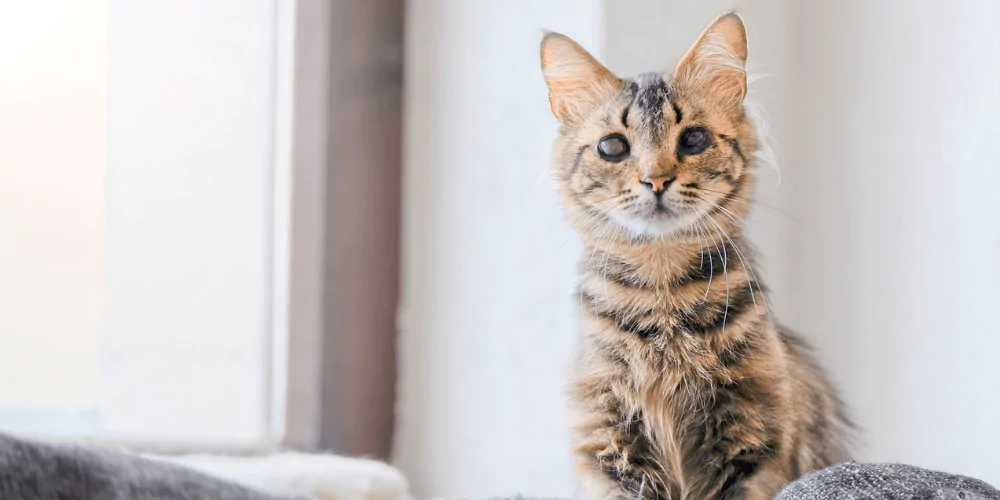
- Eye changes – Cloudiness, inflammation or excessive tearing.
If you notice any of these, take your cat to the vet straight away.
Signs your cat may have lost vision in one eye
Sometimes vision loss affects only one eye, known as unilateral blindness. Indicators include:
- Difficulty or unwillingness to jump
- Appearing disoriented
- Tilting the head or bumping into objects
- Misjudged leaps or falls
- Nervous or aggressive behaviour
Simple at-home checks to assess your cat’s eyesight
While only a vet can confirm blindness, you can try simple checks:
- Dazzle reflex – Shine a gentle, focused light at your cat’s eyes. A sighted cat will blink or look away; a cat with poor vision may stare straight ahead.
- Menace reflex – Move your hand slowly towards your cat’s eyes to see if they blink in response.
Always consult a vet for an accurate diagnosis.
How vets diagnose blindness in cats
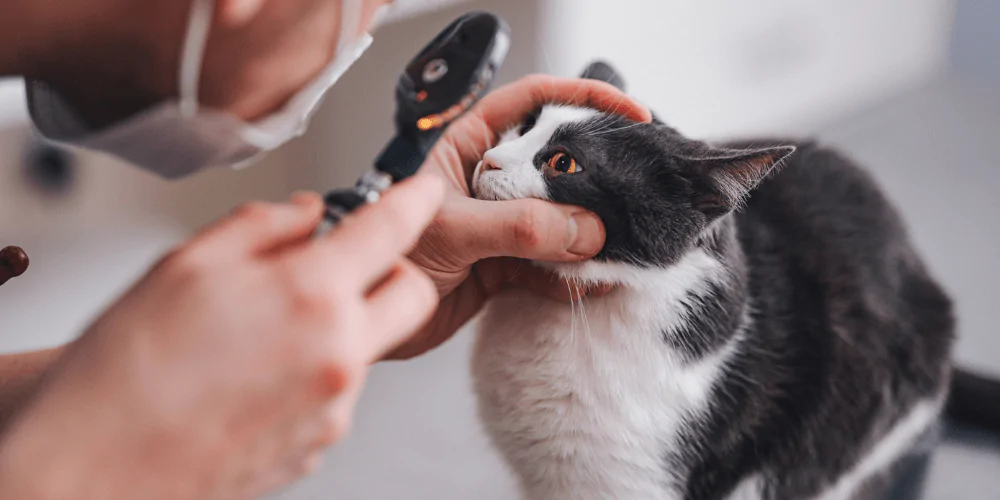
Veterinarians use several methods to identify the cause and extent of blindness, including:
- Examining the eyes for cloudiness or inflammation
- Testing tear production
- Checking for corneal ulcers
- Measuring eye pressure to detect glaucoma
- Inspecting the retina and optic nerve
- Evaluating the eye’s electrical response to light
- Scans to investigate the eye and brain regions linked to vision
Cat insurance can help cover the costs of these diagnostic tests.
Treatment options for feline blindness
Once the cause is identified, vets can recommend treatment or management strategies such as:
- Medication to reduce inflammation or treat infections
- Surgery for issues like retinal detachment or cataracts
- Adjustments at home to make the environment safer and more comfortable
Can a cat’s vision be restored?
Whether it’s reversible depends on the cause. Vision lost to infections or inflammation may be restored with prompt treatment, whereas inherited conditions like PRA cause irreversible deterioration. In cases of permanent blindness, management focuses on adapting your cat’s environment and routines.
Caring for a cat with vision loss
Blind cats can live happy, fulfilling lives with patient care and support. Focus on emotional reassurance, consistent routines and guidance from your vet.
How to communicate effectively with a blind cat
Effective communication relies on sound and touch:
- Make familiar noises as you approach, such as gently shuffling your feet
- Approach from the front so your cat can sense you before contact
- Speak calmly and reassuringly
- Avoid sudden movements or loud noises that could startle them
- Keep items like litter trays, food, water bowls, and favourite spots in the same location
Enrichment and toy suggestions for blind cats
Playtime is just as important for blind cats. Toys that stimulate other senses can help maintain confidence and provide enrichment:
- Sound – Toys with bells or crinkly materials
- Texture – Feathers, fur, or different fabrics
- Scent – Catnip or safe aromatic toys
Look after your top cat with flexible cat insurance from Petgevity.

