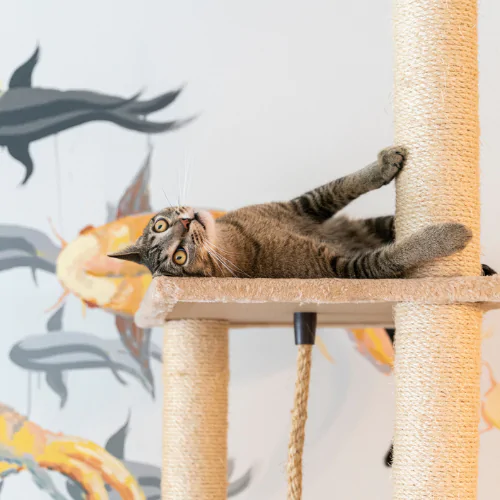
Fun enrichment ideas for cats 🐈
How to keep your cat happy, stimulated and stress-free.

Owe Carter
2 September 2026
| 8 minutes read
Reviewed by Dr Siân Burwood – MA VetMB MRCVS
Cats may be independent by nature, but they still need plenty of mental and physical stimulation to stay happy and healthy. ‘Enrichment’ means creating an environment that helps your cat express natural behaviours like hunting, climbing and exploring – all of which are essential for their wellbeing.
In this guide, we explain why enrichment matters and share practical ways to enrich your cat’s daily life.
- What is cat enrichment and why’s it important?
> Do indoor cats get depressed? - What are the different types of enrichment for cats?
> Environmental enrichment ideas for cats
> Social enrichment ideas for cats
> Cognitive enrichment ideas for cats
> Sensory enrichment ideas for cats - Does age and breed matter for cat enrichment?
- Cat enrichment toy ideas
> DIY cat enrichment toy ideas - How long should you play with your cat?
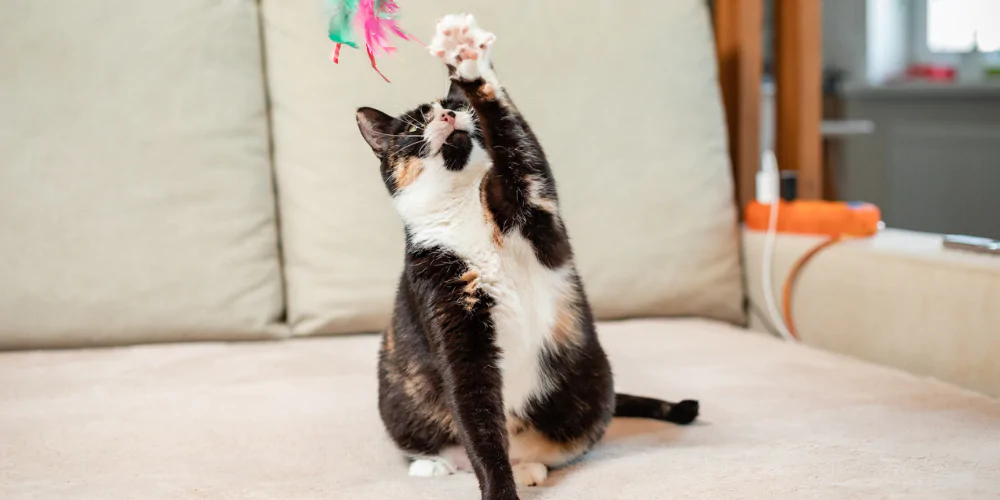
What is cat enrichment and why is it important?
Cat enrichment is all about providing activities and environments that reduce boredom and encourage natural behaviours.
This could include play, exploration, problem-solving or social interaction. When cats don’t have enough stimulation, they can become stressed or frustrated – which could lead to behavioural or health issues.
Benefits of enrichment include:
- Reduced stress and anxiety
- Encouragement of natural instincts like hunting and scratching
- Improved physical and mental health
- Better behaviour at home
Providing the right kind of enrichment can help your cat live a more balanced and fulfilling life.
Do indoor cats need enrichment?
Yes, indoor cats need enrichment. And often more so than outdoor cats.
Indoor cats don’t have access to the same stimulation as those who roam outside, such as hunting, climbing and exploring new environments. Without these outlets, they can become bored or stressed.
Signs your indoor cat may need more enrichment include:
- Scratching furniture
- Toileting outside the litter tray
- Signs of anxiety or withdrawal
- Overreacting to small changes in their environment
Creating opportunities for play and exploration at home can help prevent these behaviours.
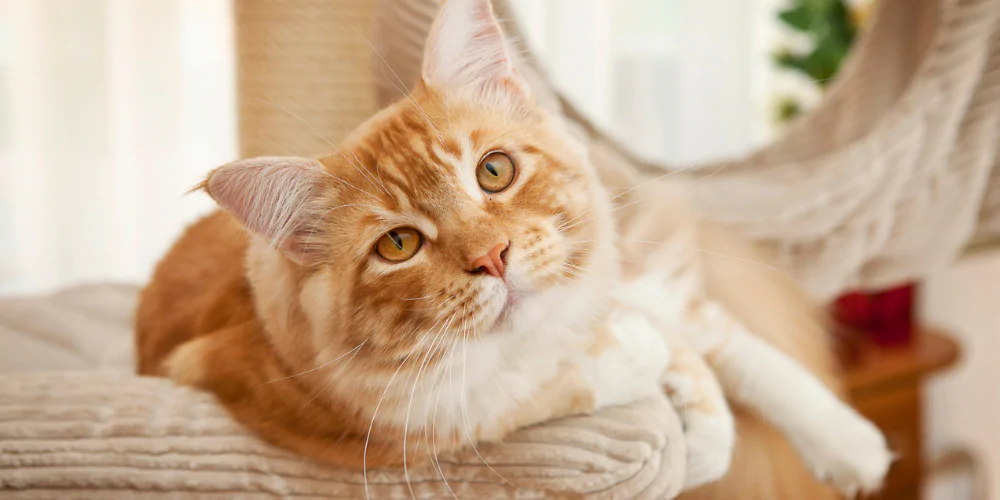
Types of enrichment for cats
To keep things varied and engaging, it’s helpful to include a mix of different enrichment types: environmental, social, cognitive and sensory.
Environmental enrichment
This focuses on making your cat’s surroundings more stimulating and comfortable.
Ideas include:
- Cat trees or climbing structures
- Window perches for watching the outside world
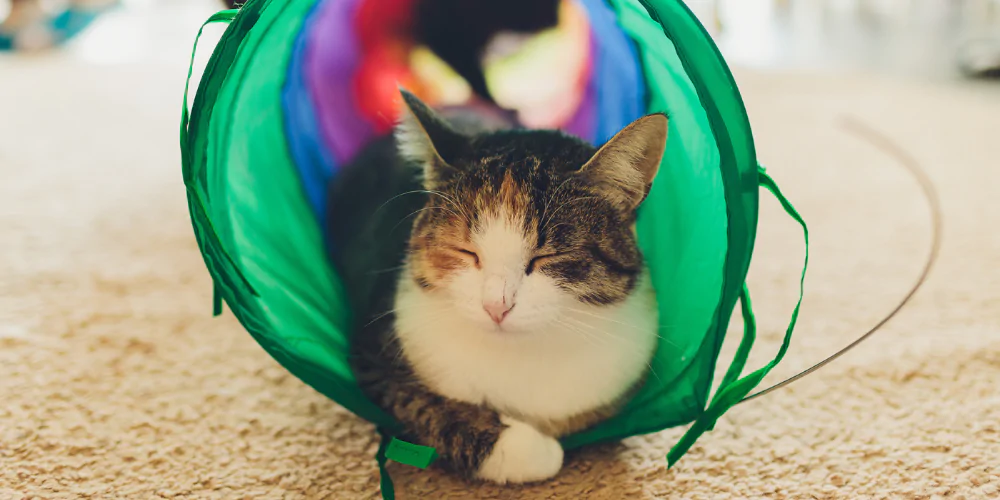
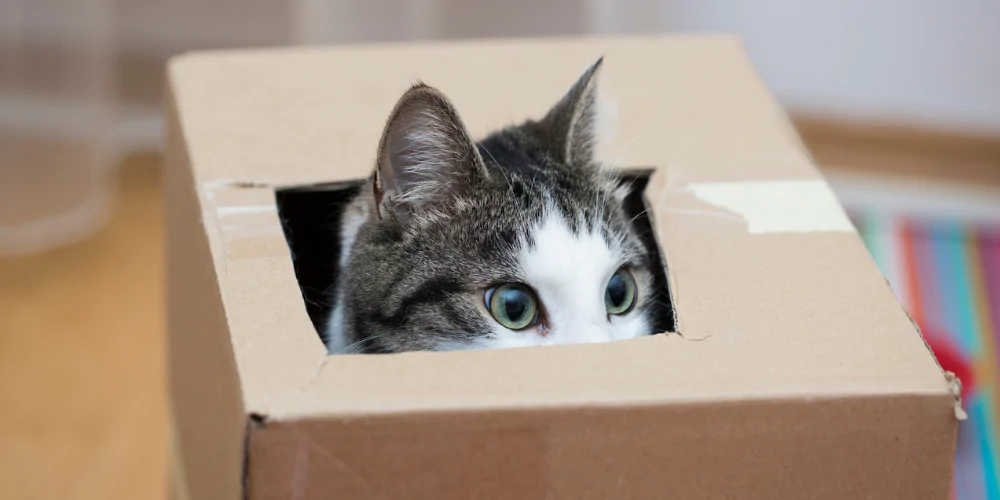
- Hiding spots like boxes or tunnels
- Scratching posts and pads
- Safe outdoor spaces such as catios or enclosed gardens
Older cats may benefit from ramps or steps to help them move around more easily.
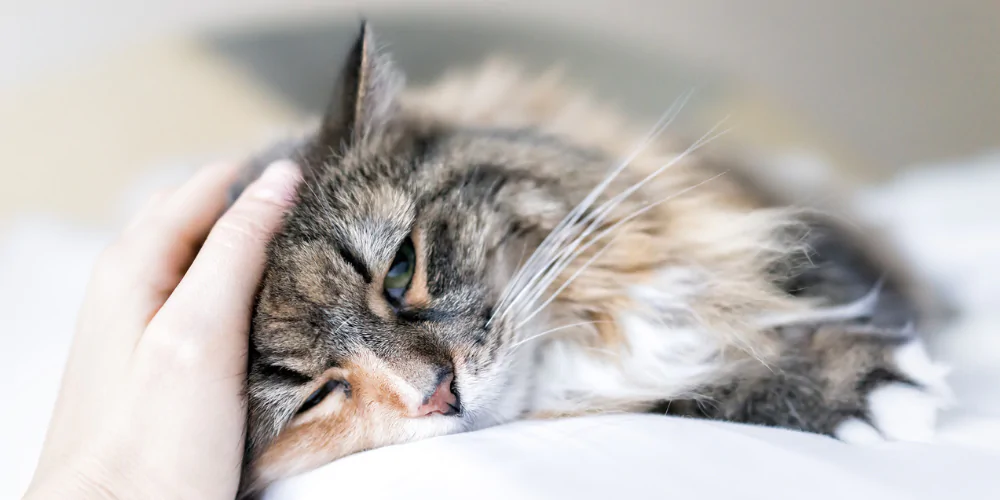
Social enrichment ideas for cats
Most cats enjoy interaction with humans and sometimes with other cats – although each cat has its own preferences and it’s important not to force it.
You can support social enrichment by:
- Gentle, consistent handling – especially when you’re caring for a kitten
- Lowering yourself to their level and giving them time to initiate contact
- Talking to them gently to help put them at ease
- Petting around their head, cheek and chin. They don’t tend to enjoy being petted in other areas, like the abdomen
- Playing with them at a consistent time each day for a consistent period to create familiarity and routine
- Learning their preferences and how much they like each kind of interaction, whether petting, playing, grooming, being picked up or sitting on your lap
- Giving them individual attention away from other cats in the house
Regular, positive interaction can help build trust and confidence. Plus it’s helpful if you ever need to give your cat a groom or medicine.
Cognitive enrichment
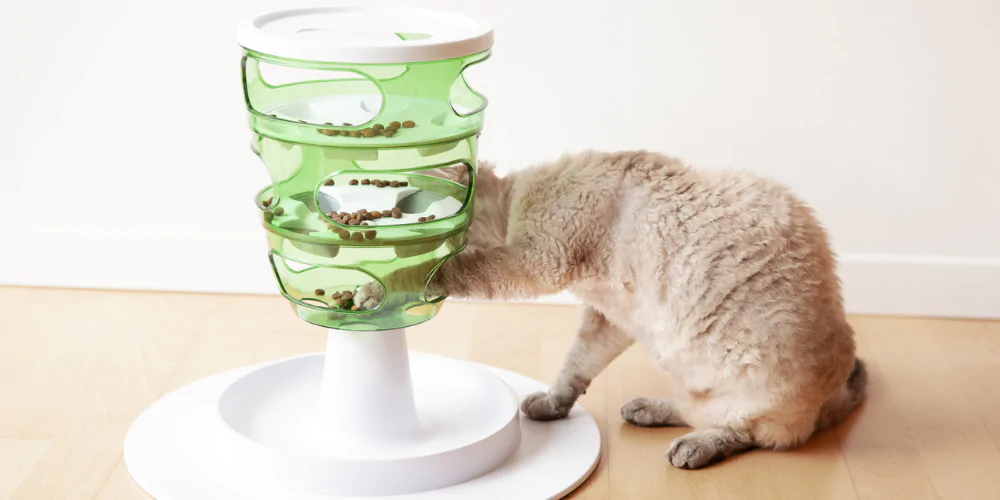
Mental stimulation helps keep your cat engaged and encourages natural hunting behaviour. The following activities allow your cat to use their instincts in a safe and rewarding way:
- Puzzle feeders or treat-dispensing toys
- Hiding food or toys around the house
- Rotating toys to keep them interesting
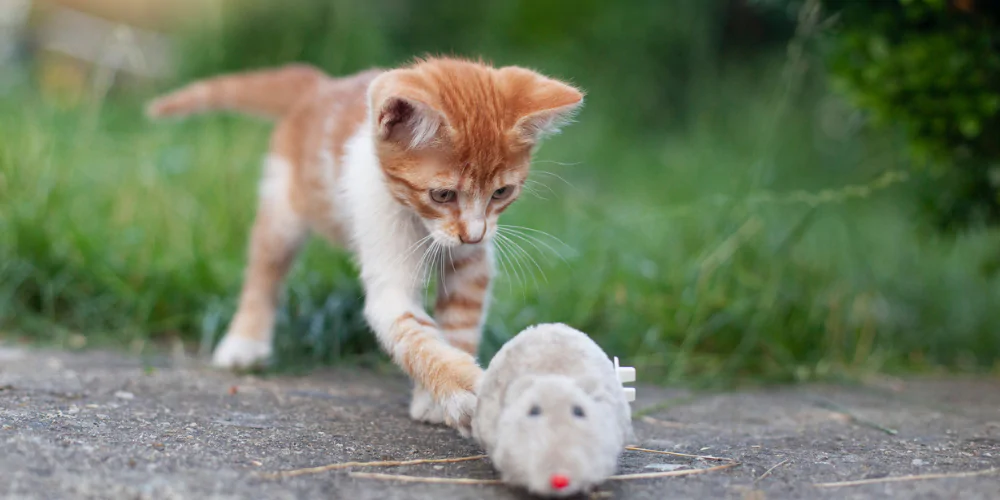
- Using wand toys or feather teasers to mimic prey
- Using a cat-friendly laser pointer
A few things to bear in mind when using a laser pointer:
✔ DO let your cat ‘catch’ the red spot now and again, else they can become frustrated
❌ DON’T point the laser into their eyes
❌ Not all cats like laser pointers, so don’t force it if they prefer other toys

Sensory enrichment
Cats rely heavily on their senses, so introducing new sights, smells and textures can be very stimulating.
Examples include:
- Scratching areas where they can leave scent marks
- Window views of birds and wildlife
- Catnip toys or calming diffusers
- A mix of textures in bedding and play areas
Try to avoid strong artificial scents, as these can be overwhelming, as can lots of smells in the same area.
Does enrichment vary by age and breed?
Yes, enrichment should always be tailored to your cat’s needs.
- Kittens tend to need more frequent and energetic play
- Adult cats benefit from a mix of stimulation and routine
- Senior cats may prefer gentler activities and easier access to favourite spots
- Some breeds, such as Maine Coons or Persians, may enjoy more social interaction
Adjust activities based on your cat’s energy levels, mobility and personality.
Cat enrichment toy ideas
There are plenty of toys designed to keep cats entertained and mentally stimulated.
Popular options include:
- Puzzle feeders and treat mazes
- Wand toys and feather teasers
- Motion-activated toys
- Catnip toys
- Play tunnels and climbing structures
- Balls and track toys
Always choose toys that are safe and appropriate for your cat.
DIY cat enrichment ideas
You don’t need to spend a lot to keep your cat entertained. There are simple DIY options you can try at home.
For example:
- DIY enrichment box – grab an empty cardboard box, drop toys and dry kibble in the bottom, and cover up with plenty of scrunched up newspaper. Allow your cat to explore and find the food.
- Muffin tin puzzle – put small treats or kibble inside each muffin holder. Cover up with a toy and watch your cat figure out how to move it to get to the treat underneath.
- Sensory box – get a cardboard box big enough for your cat to sit comfortably inside. Add soft blankets or a pillow and add in textures and smells that help relax them.
- Foraging puzzle toy – take an empty cardboard toilet roll, pop in some treats or kibble, and fold in the ends to close it up. Cut small holes along the sides so the treats fall out as your cat rolls the tube around.
Just remember to consider your cat’s diet when using food-based activities. All those treats need to be taken out of their daily ration to make sure they don’t gain weight. Also be aware that treats high in protein and fat can cause tummy upsets.
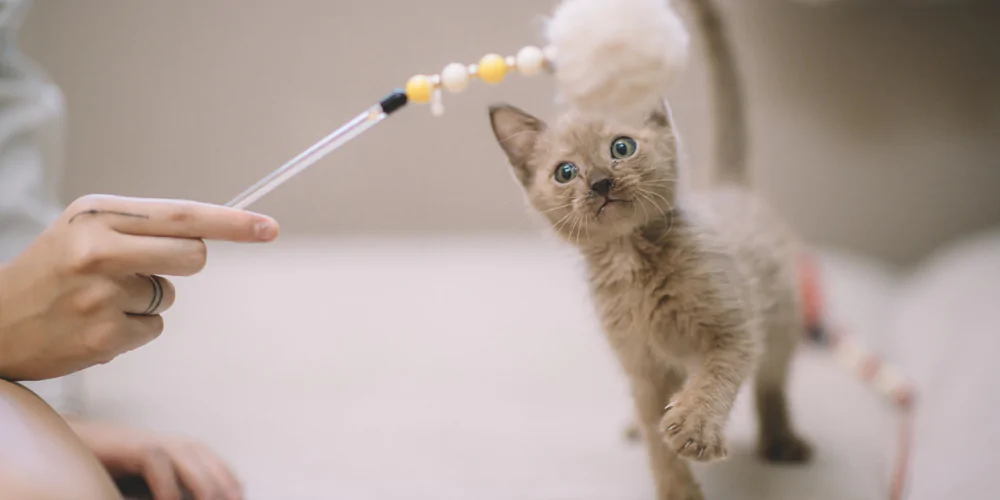
How long should you play with your cat?
Every cat is different, so there’s no fixed rule.
Many cats enjoy:
- Two to three short play sessions a day, or
- One longer session depending on their energy levels
Let your cat guide you. If they walk away, it’s usually a sign they’ve had enough.

A vet’s take on cat enrichment
“Enrichment is a vital but often overlooked part of owning a cat. As caregivers it is our responsibility to provide everything they need for a happy normal life, and not being bored is a huge part of this.
“If your cat goes outside you may find they want very little extra from you, but house cats need lots of enrichment that changes on a regular basis to keep them occupied.
“As vets, many of the physical conditions we see – such as overgrooming, cystitis and gastrointestinal issues – can be directly caused by stress and boredom, so it’s an easy win to address.”
Helping your cat lead a happy life also means being prepared for when the unexpected happens. Protect your favourite feline with flexible cat insurance from Petgevity.

