
Does a raw food diet help with dog skin allergies?
It's often touted as having health benefits, but does the science back this up?

Dr Emma Chandley BVetMed MRCVS PGCertSAS
1 September 2026
| 6 minutes read
Reviewed by Dr Nicole Olewinski – BVSc MRCVS
You may have noticed more adverts promoting raw food diets for dogs, often claiming a wide range of health benefits – including relief from skin allergies.
But how much truth is there behind these promises? We take a closer look at raw feeding and separate fact from fiction.
- What is a raw food diet for dogs?
> Claimed benefits of raw feeding for dogs - What does the science say about raw dog food diets?
- Can a raw diet improve skin allergies in dogs?
> Why do many vets advise against raw feeding?
> Can dogs catch e. coli or worms from raw meat?
> Are raw bones dangerous for dogs? - What is the best food for dogs with itchy or allergic skin?
> Other treatments for dog skin allergies

What is a raw food diet for dogs?
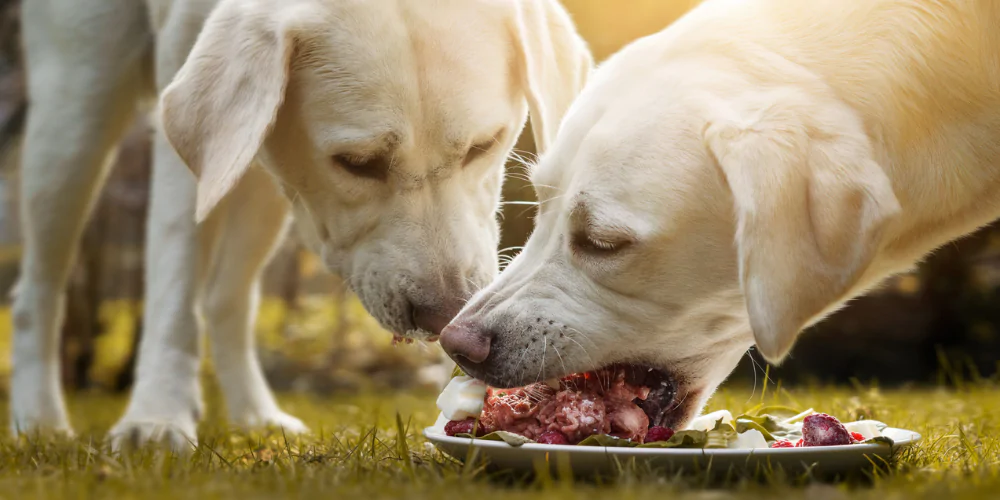
A raw food diet is just as it sounds: feeding your dog meals made from raw, uncooked ingredients. Some people also use the term BARF, which can stand for Biologically Appropriate Raw Food or Bones and Raw Food. It’s a choice some pet owners make because they believe it offers health benefits and is more natural than more processed commercial pet foods.
Raw diets for dogs typically include a combination of uncooked:
- Fresh fruit
- Fresh vegetables
- Raw bones (whole or ground)
- Muscle meat
- Animal organs
- Raw eggs
Many owners choose raw feeding because they believe it reflects what dogs would naturally eat in the wild. However, today’s dogs have lived alongside humans for thousands of years, and their digestive systems aren’t the same as their wild ancestors.
Claimed benefits of raw feeding for dogs
Brands promoting raw dog food often suggest that this type of diet can:
- Reduce skin allergies
- Improve coat condition and shine
- Produce firmer, better-quality stools
Some manufacturers argue that commercial pet foods are overly processed and lack the right balance of nutrients. Others go further, suggesting that processed foods may even contribute to long-term health problems in pets.
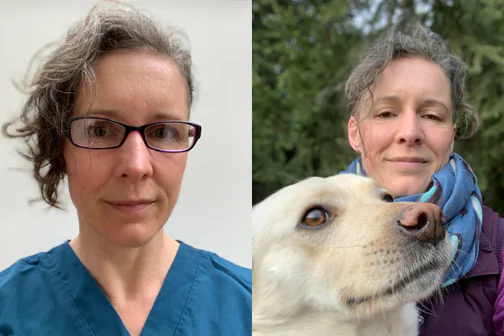
“Choose fact-based, not fad-based nutrition” – a vet’s take
“Pet nutrition has become a bit like human nutrition – everyone seems to have an opinion. Too often I meet owners considering diet changes out of guilt because social media has convinced them there’s only one ‘right’ way to feed a dog or cat.
“Personally, I feed my own pets a high-quality commercial diet. Not because I think raw feeding is inherently wrong… But because with a busy job, young children and thankfully healthy pets, it’s the best choice practically and nutritionally for my family and my pets.
“Remember that when people talk about ‘commercial pet food’, they’re describing everything from the nutritional equivalent of a fast-food meal to diets developed by veterinary nutritionists and backed by decades of research. It’s a bit like comparing McDonald’s with a Michelin-starred eatery simply because they’re both restaurants.
“If you want to try a raw diet for the right reasons and you’re prepared to do it properly, most vets will be happy to help. What worries us isn’t raw feeding itself – it’s when owners rush into big changes after being persuaded by confident claims that aren’t supported by good scientific evidence. Sadly, the result can sometimes be life-threatening. I’ve seen pets needing emergency surgery after swallowing bones given with the very best intentions but without understanding the potential risks.”
Dr Nicole Olewinski – BVSc MRCVS
What does the science say about raw dog food diets?
In 2021, researchers at the University of Helsinki published a study examining how a puppy’s early diet might influence skin health later in life. Dog owners completed an online questionnaire about what their puppies ate between the ages of two and six months.
The findings suggested that:
- Puppies whose diets included at least 20% raw food were less likely to develop allergy-related and atopic skin conditions as adults.
- Puppies fed no raw food at all showed a marked increase in these skin issues later in life.
- Puppies whose diets included around 20% processed commercial foods (such as tinned or sausage-style products) also showed a significant rise in skin symptoms as adults.
- Diets higher in fresh foods and lower in processed items and sugary fruits appeared to be linked with a reduced risk of skin allergies.
- Further research is needed to explore how different foods and oils may influence canine skin health.
The problem is this study shows an association, not proof that raw food itself reduced allergy risk. Other factors could have played a role, such as breed, genetics, environment, exercise, overall diet quality, and owner lifestyle or income.
What’s really needed are studies comparing well-balanced raw diets with equally well-balanced commercial diets under similar conditions.

Can a raw diet improve skin allergies in dogs?
For a dog with suspected or confirmed allergies, changing the diet can certainly help. But the improvement is usually because the offending ingredient has been removed, rather than because the food is raw.
Sadly, some dogs are allergic to so many common protein sources that home-prepared or raw exclusion diets become practically impossible. In these cases, hydrolysed, feather or insect protein prescription diets offer the best chance of reducing their symptoms while still providing complete and balanced nutrition.
Whether a raw diet can outperform a high-quality commercial diet for skin and coat health hasn’t yet been proven, although some owners do report improvements after making the switch.

Why do many vets advise against raw feeding?
Not all raw diets are the same. Commercially prepared complete raw diets or following a plan from a pet nutritionist are very different from a casual “if it’s raw, it must be good” approach.
How the diet is formulated makes a huge difference to both its safety and nutritional value, which is one reason vets are very cautious about recommending raw feeding.
- Nutritional balance: By way of example, too much liver can lead to vitamin A toxicity, while the wrong calcium-to-phosphorus balance can have a big impact on bone development in puppies and kittens.
- Bone risks: Dogs don’t instinctively know how to eat bones safely. Some eat them their whole lives without issues, while others swallow large pieces that can cause choking or intestinal blockages. Bones can also fracture teeth, injure the mouth or digestive tract, and eating too many can cause painful constipation. Cooked bones are more brittle and harmful splinters are even more likely.
- Harmful bacteria: Healthy dogs can carry bacteria like salmonella, listeria, and E. coli. Feeding raw meat can increase the amount of these bacteria they shed in their saliva and faeces, increasing the risk to young children, older adults, pregnant women and anyone with a weakened immune system. There’s also concern about antibiotic-resistant bacteria associated with some raw diets.

Can dogs catch E. coli or worms from raw meat?
Yes, there is a risk that dogs can be exposed to E. coli, worms or other pathogens through raw meat – particularly if it hasn’t been handled or stored correctly. Raw meat sold for pets may be produced to different standards than meat intended for people, although this varies between countries.
Many healthy adult dogs cope without becoming seriously ill, but puppies, elderly dogs and pets with weakened immune systems are more vulnerable. It’s also worth remembering that any bacteria aren’t confined to the food bowl – they can end up around your dog’s mouth, on their fur after grooming, and on surfaces around the home.

Are raw bones dangerous for dogs?
In short, yes. While some dogs eat raw bones without problems, they can pose genuine risks, including choking, broken teeth and intestinal blockages. For these reasons, commercial raw diets use finely ground bones.

What is the best food for dogs with itchy or allergic skin?
There’s no universal ‘best’ diet for dogs with skin allergies, as every dog is different. Your vet can help design a tailored feeding plan or carry out a food elimination trial to identify specific allergies or intolerances.
This approach ensures your dog receives balanced nutrition suited to their age, breed, size and any existing medical conditions.
Other treatments for dog skin allergies
Diet is only one part of managing skin allergies. Your vet may also recommend treatments like:
- Antihistamines
- Immunomodulatory medications
- Steroid tablets or sprays
- Regular parasite prevention, including flea and tick control
- Limiting outdoor exposure on high pollen days
- Frequent household cleaning to reduce allergens
- Supplements and medicated shampoos
- Specialised therapeutic shampoos
If you have a Petgevity policy and would like additional guidance on managing your dog’s skin allergies, you can contact FirstVet. Their service offers unlimited 24/7 video consultations with UK-registered vets for personalised advice.
And when unexpected health issues arise, Petgevity dog insurance can provide reassurance that your pet is protected.

