What human food can dogs eat?
Here's what food's safe to feed your dog, plus what to avoid.

Dr Jessica May, FirstVet vet
3 December 2025
| 6 minutes read
Sharing food with your dog can feel like the most natural thing in the world. After all, they’re part of the family. But many human foods can upset your dog’s stomach or even be dangerous, so it’s important to know what’s safe before letting them have a bite from your plate.
Expert FirstVet vet Dr Jessica May answers the most common questions about what dogs can safely eat.
Find out what human foods are safe for cats here.
Table of contents
- Can dogs eat apples?
- Can dogs eat bananas?
- Can dogs eat blueberries?
- Can dogs eat cucumbers?
- Can dogs eat grapes?
- Can dogs eat oranges?
- Can dogs eat strawberries?
- Can dogs eat tomatoes?
- Other human foods your dog can eat
- Human food your dog should avoid eating
Fruit and vegetables that dogs can eat
Let’s start with the safe fruit and veg. Bear in mind that most of these should only be given in treat proportions, supplementing a well-balanced diet. This is especially true of fruit, which contains naturally occurring sugar, and can cause upset stomachs.
Can dogs eat apples? 🍎
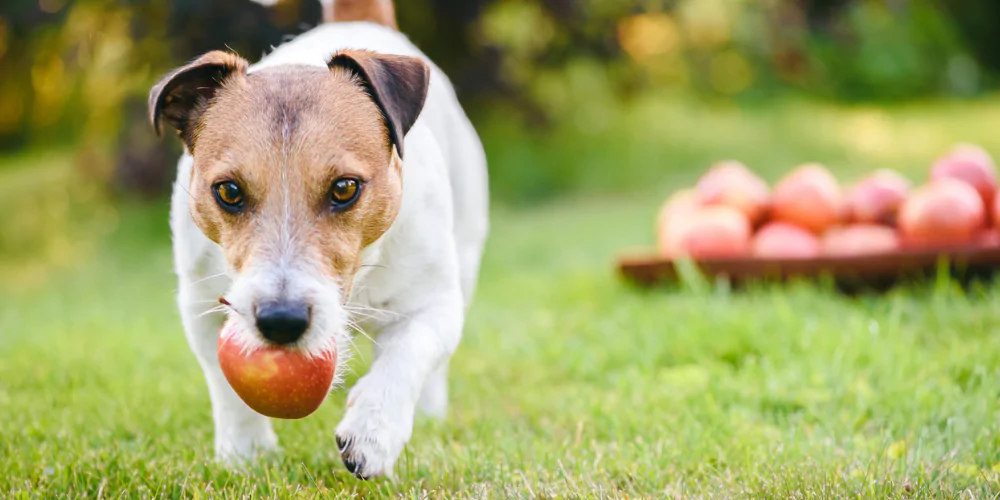
Yes indeed. Apples provide fibre, vitamin C and vitamin A, and their low fat and protein content makes them a lovely snack. Always remove the seeds and core – apple seeds contain trace amounts of cyanide and can be a choking hazard.
Can dogs eat bananas? 🍌
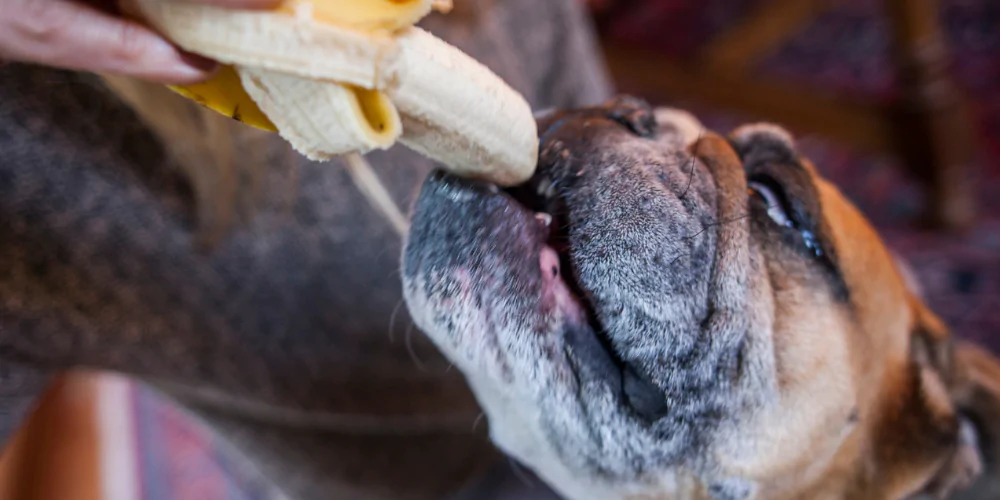
Yes. Bananas are safe for dogs when offered in moderation. They contain fibre, potassium, vitamin B6 and vitamin C, making them both a tasty and nutritious treat. Because bananas are naturally high in sugar, they should only be given occasionally and in small pieces.
Can dogs eat blueberries? 🫐
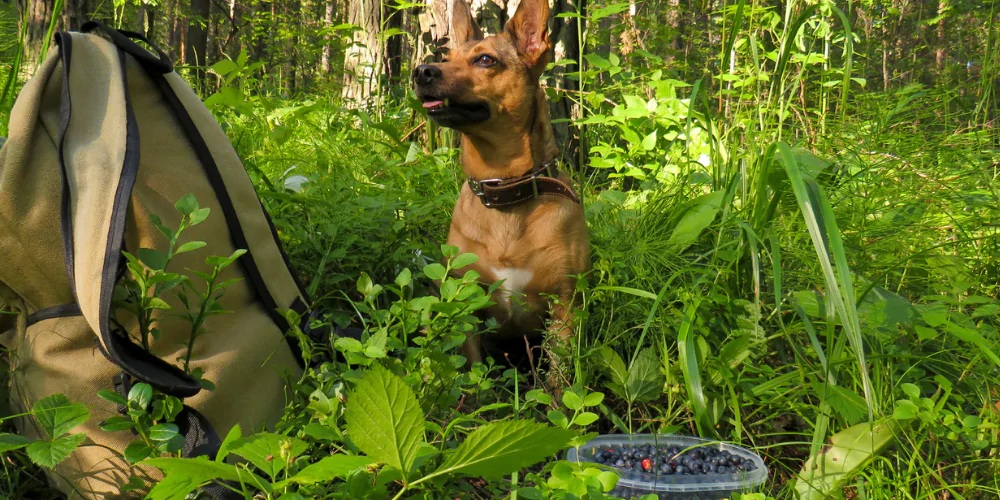
Yes they can. Blueberries are packed with antioxidants and are safe for dogs to eat. They’re often considered a superfood for dogs because they support immune health. Raspberries, blackberries and cranberries are also safe – but avoid juniper berries and other wild berries that may be toxic.
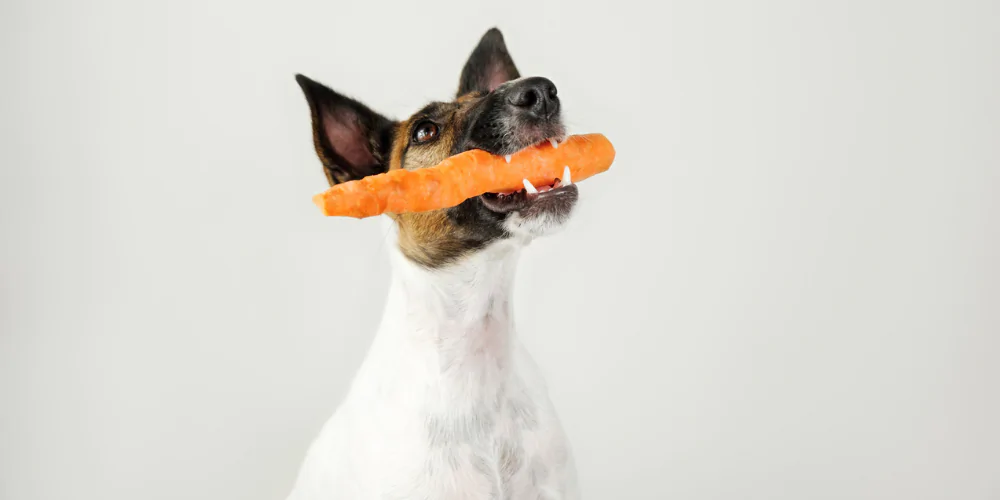
Can dogs eat carrots? 🥕
Yep. Carrots make a crunchy, low-calorie treat rich in vitamin A and fibre. They can help keep teeth cleaner and can be fed raw or cooked, as long as they’re cut into safe bite-size pieces.
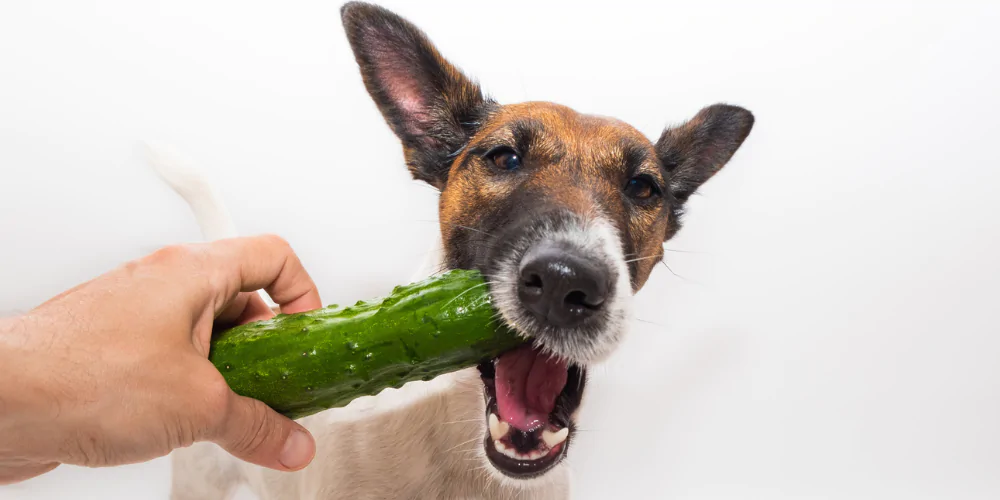
Can dogs eat cucumbers? 🥒
Yes. Cucumbers are low-calorie, hydrating and a good snack for overweight dogs. Only give them plain cucumber, and avoid any dips or dressings.
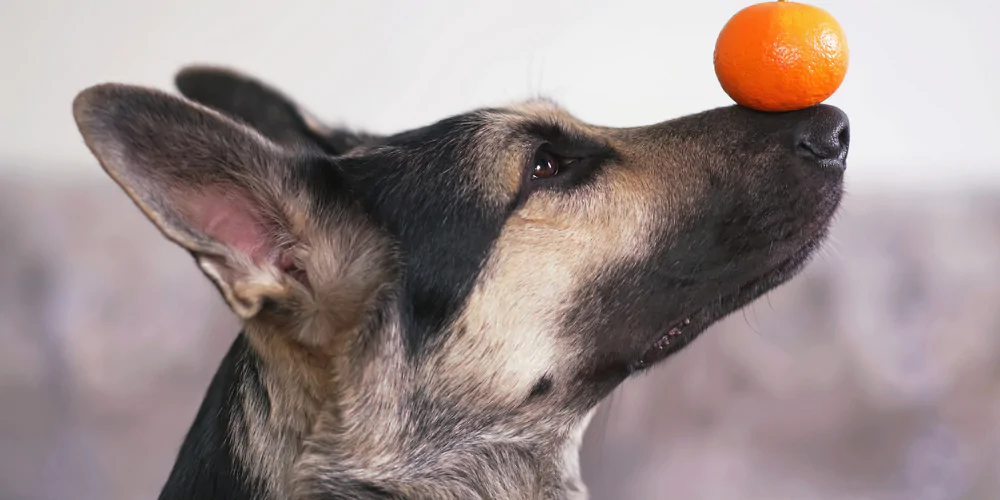
Can dogs eat oranges? 🍊
Yes, although you need to prepare them properly. Dogs can enjoy small amounts of peeled oranges. They offer vitamin C, potassium and fibre. Remove the peel, pith and seeds though, which are difficult to digest and can cause stomach upset.
Can dogs eat pears? 🍐
Yes – dogs can eat pears in small amounts. They’re a good source of fibre and vitamins, but always remove the core and seeds (which contain trace cyanide) and cut the fruit into bite-sized pieces to avoid choking. Stick to fresh pear only, as tinned varieties often contain added sugar. As with all fruit, feed pears occasionally to avoid upsetting your dog’s stomach.
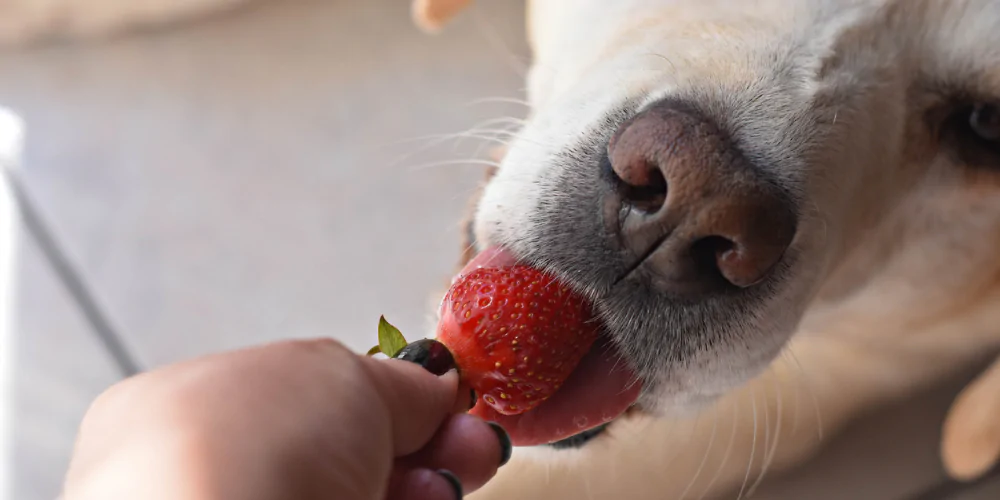
Can dogs eat strawberries? 🍓
Yes. Strawberries are safe and hydrating, offering fibre and vitamin C. They also contain an enzyme that can help keep your dog’s teeth clean and pearly white. Because they contain natural sugars, only give them fresh strawberries and avoid tinned fruit, which typically contains added sugar.
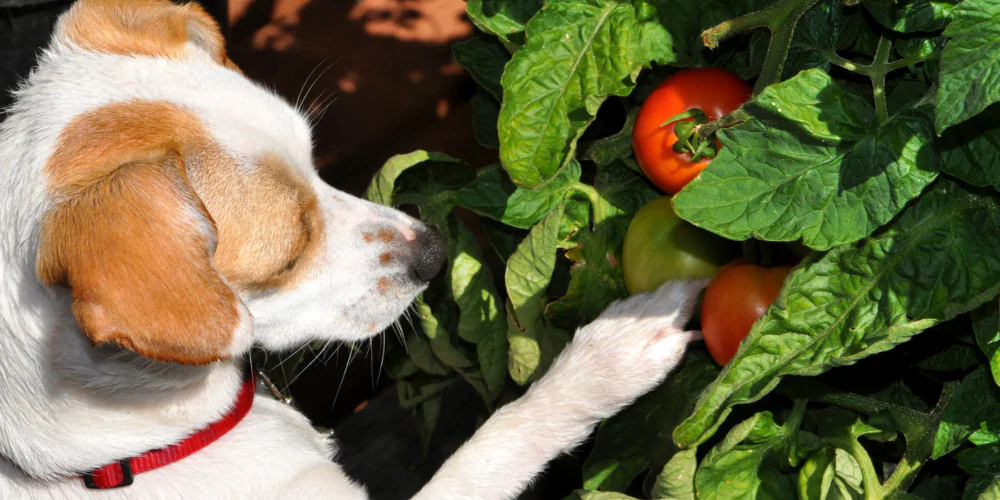
Can dogs eat tomatoes? 🍅
Yes, ripe red tomatoes are safe for dogs in small amounts. Avoid unripe green tomatoes, and also leaves and stems, which contain solanine and can be toxic. Tinned tomato, soup or sauces should also be avoided due to added salt, seasoning, garlic or onions.
Can dogs eat watermelon? 🍉
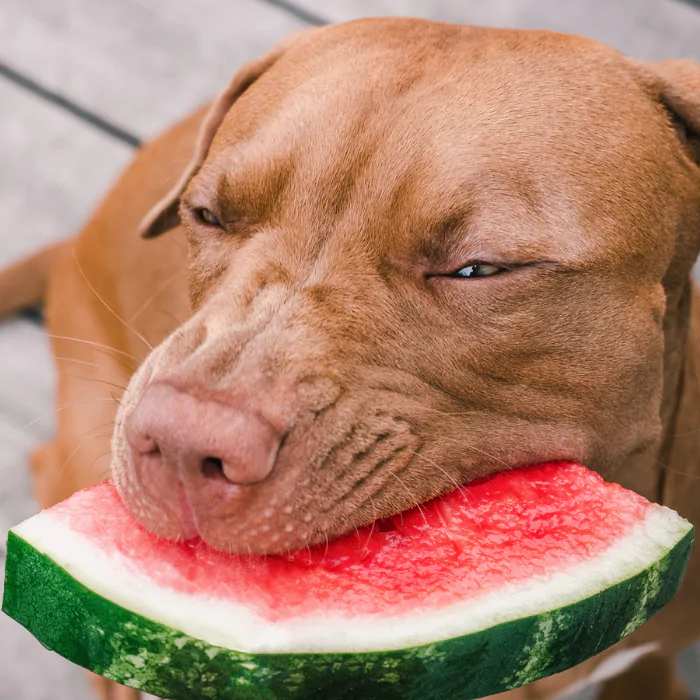
Yes indeed. Watermelon is hydrating and refreshing. Remove seeds and skin before feeding – seeds can cause blockages, and the rind is tough to digest.
Other human foods your dog can eat (in moderation)
Here are some more foods your dog can enjoy in small quantities:
Can dogs eat rice? 🍚
Yes. Plain, cooked rice is gentle on the stomach and is often used in bland diets for dogs recovering from digestive problems.
Can dogs eat chicken? 🍗
Yes. Cooked, unseasoned chicken is safe and commonly found in commercial dog food. Remove all bones to prevent choking or intestinal issues.
Can dogs eat milk, cheese and yoghurt? 🥛🧀
Yes, but. Dogs can tolerate small amounts of dairy, but many are lactose-sensitive. Too much dairy can lead to gas, diarrhoea or vomiting. Choose low-lactose options like plain yoghurt to stay on the safe side.
Can dogs eat fish? 🐟
Yep. Cooked salmon, white fish and tuna are safe as long as all bones are removed. Fish is rich in omega-3 fatty acids, supporting skin, coat and joint health.
Can dogs eat peanut butter? 🥜
Yes, but proceed with caution. Peanut butter can be a high-value treat, providing protein and beneficial nutrients like vitamin E and B. Only feed xylitol-free varieties, as xylitol is extremely toxic to dogs. Due to its high fat content, peanut butter should be limited to avoid pancreatitis risk.
Human food your dog should avoid eating
As you probably know, lots of dogs are very food-orientated, and don’t know which foods are safe for them to eat – and which aren’t. As everything tastes delicious to them, it’s up to you to be selective. You should never feed your dog the following foods:
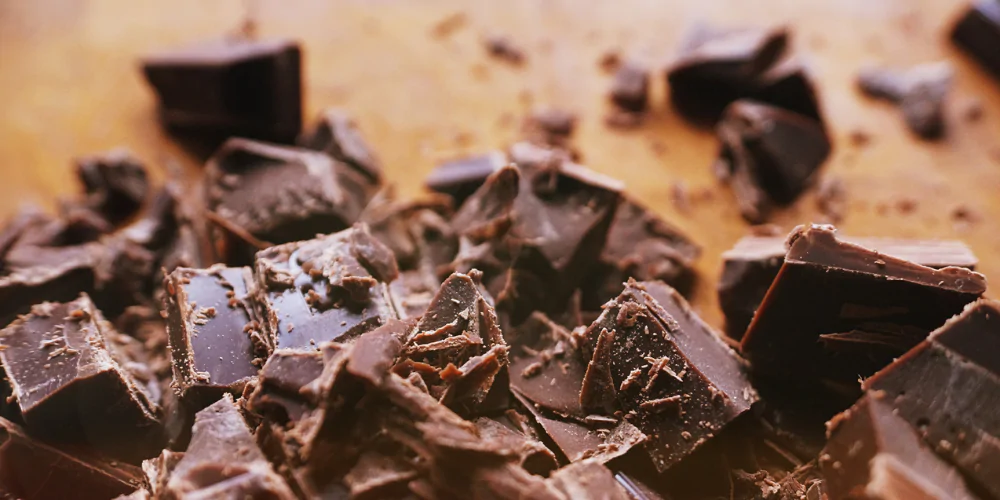
Can dogs eat chocolate? 🍫🚫
No. Chocolate contains theobromine and caffeine, both of which are toxic to dogs. Dark chocolate carries the highest risk. Symptoms of poisoning include vomiting, restlessness, increased heart rate, tremors and seizures. Contact a vet immediately if your dog eats any chocolate.
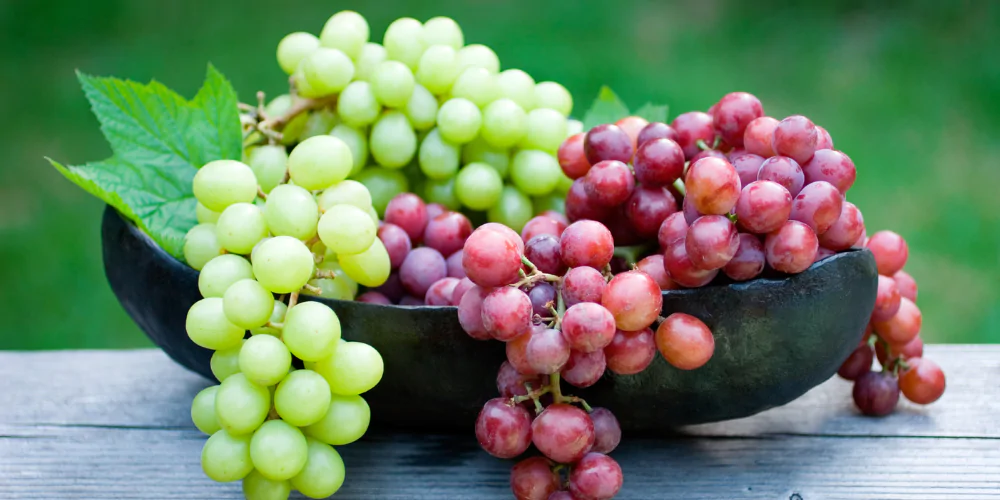
Can dogs eat grapes? 🍇🚫
No. All forms of grapes, raisins, sultanas and products containing them (including Christmas staples such as mince pies and Christmas pudding) are highly toxic to dogs and can cause sudden kidney failure. Even small amounts can be dangerous. Seek urgent vet help if your dog eats any.
Can dogs have alcohol? 🍸🚫
Absolutely not. Alcohol is extremely dangerous for dogs. Even small quantities can cause vomiting, disorientation, breathing issues or seizures. Contact a vet right away if your dog has consumed any alcohol or you suspect they might have alcohol poisoning.
Can dogs have macadamia nuts? 🚫
No. While not all nuts are toxic to dogs, macadamia nuts absolutely are. They can cause weakness, vomiting, tremors, fever and abdominal pain.
Can dogs eat onions and garlic? 🧅🧄🚫
Nope. All forms – raw, cooked, powdered, or dehydrated – can damage red blood cells and cause anaemia. Symptoms may include lethargy, pale gums, vomiting, diarrhoea and fast breathing.
Can dogs eat cooked meat bones? 🦴🚫
No. While raw bones can be safe in controlled situations, never feed cooked bones. They splinter easily and can cause choking, intestinal blockages or perforations.
If your dog eats something dangerous
Contact your vet immediately if your dog eats any food known to be toxic. Fast treatment can make a huge difference in whether they make a full and safe recovery.
Your dog deserves the best care. Our lifetime pet insurance will get tails wagging. It also includes 24/7 video call access to the experts at Firstvet.

