Vet fees up to £15,000
To suit your pet’s needs, choose vet fee cover from £1,000 to £15,000. The limit resets every year you renew.
Design your own pet insurance
Policies as unique as your pet. Set your own limits, excess and optional extras, for cover as snug as a collar.
Switch with unbroken cover
If you switch to us from a like-for-like policy, there’ll be no gap in cover, with protection starting straight away**.
Content by Dr Siân Burwood MA VetMB MRCVS
Pancreatitis is inflammation of the pancreas, an organ that sits in the front of the abdomen and produces enzymes that digest fats and proteins (among other things). Because the dog’s body is also made of fats and proteins, if the inflamed pancreas produces too many of these digestive enzymes, it can start to digest itself rather than food – something that’s incredibly painful.
Pancreatitis can range from a very painful condition that needs several days in hospital to occasional episodes of vomiting and diarrhoea that don’t really need treatment. There’s no specific treatment for it, so prevention is key – as is early treatment of signs.
Pancreatitis can be caused by rich high-protein, high-fat diets, fed either all the time or as one-off treats. Meat (especially beef, lamb and pork), cheese and butter are often culprits, as are rawhide chews. Dogs fed human food as titbits are especially at risk and this is why vets see a lot of pancreatitis cases around Christmas and BBQ season!
If your dog is overweight they’re particularly at risk, as are dogs who’ve recently been unwell or had surgery for other reasons.
Some dog breeds are more at risk than others, and some seem to have an auto-immune version of the disease.
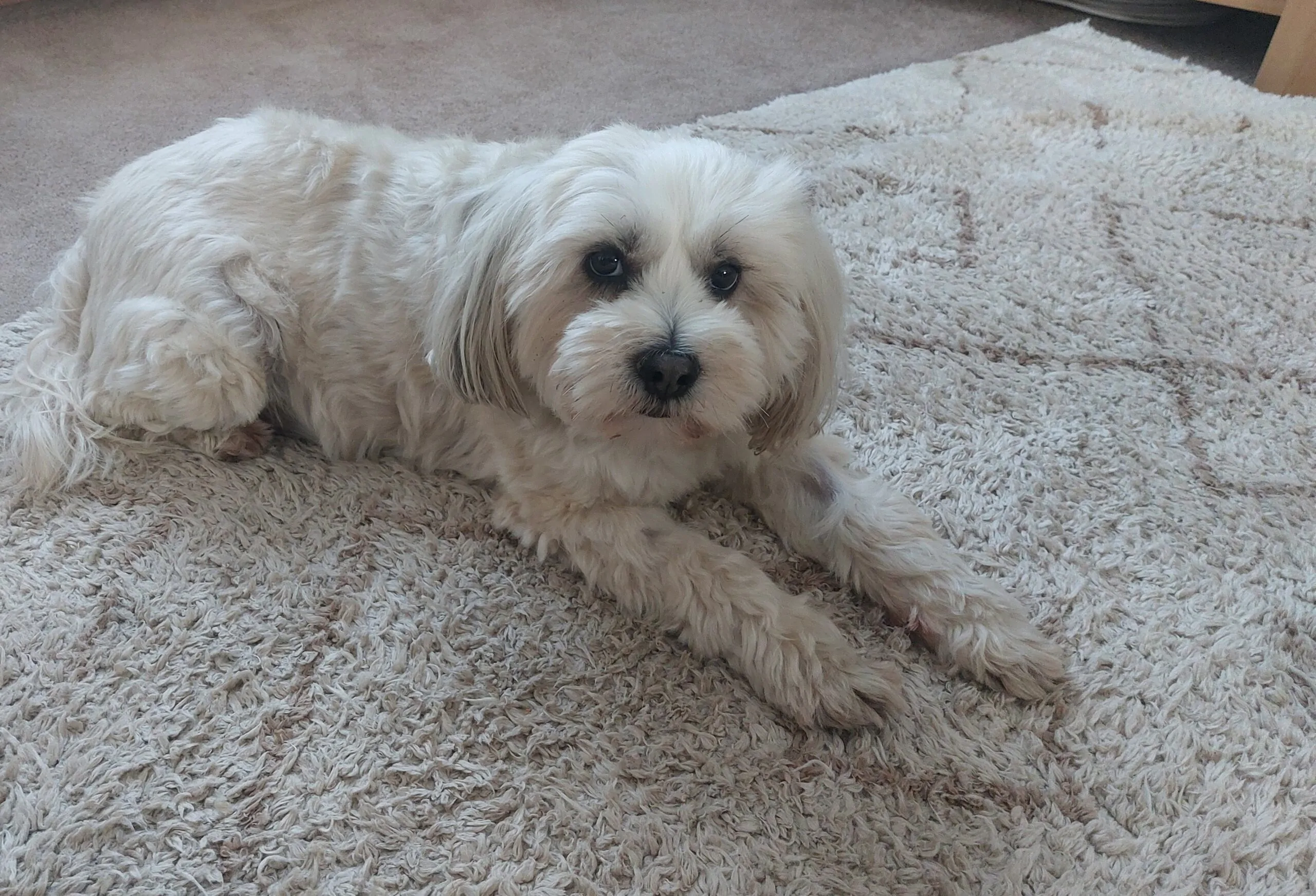
Pancreatitis is more common in toy breeds, such as:
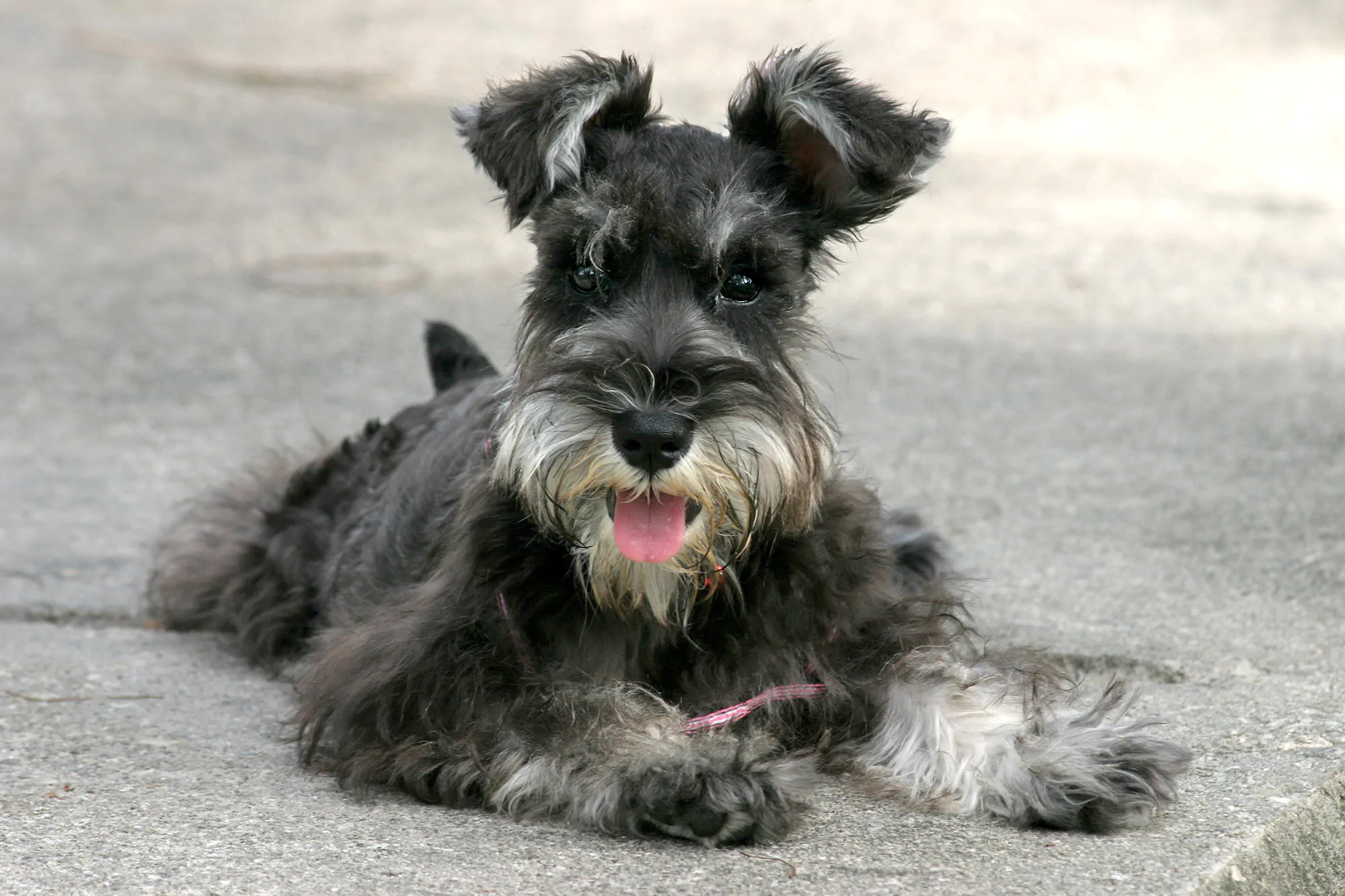
It’s also common in Miniature Schnauzers, who more often have issues with fat metabolism. Plus it’s prevalent in breeds which have a tendency to be overweight, such as
Mild pancreatitis will often show itself as:
Mild pancreatitis may never actually be diagnosed as the symptoms may pass quickly – often as soon as your dog starts eating properly again. They may also look very similar to other causes of mild tummy upset.
Your vet will likely use history and clinical examination alone to decide what treatment plan to use. If these mild symptoms are happening frequently, your vet may ask to do some blood tests or an ultrasound scan to see if the pancreas is involved.
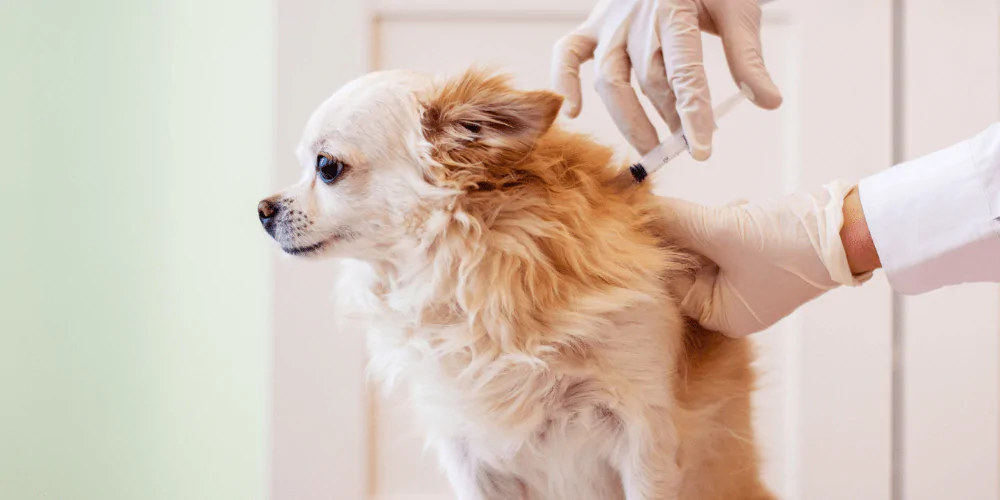
Treatment of mild pancreatitis may involve an anti-vomiting injection given at the vets, followed by antacids and probiotics to have at home. Your vet will likely advise feeding a bland, easily digestible diet – either homemade (simple proteins like white fish or egg with carbohydrate such as rice or potato) or fed as a prescription diet.
Prognosis for mild pancreatitis is good, although it’s worth remembering these dogs are more at risk of severe pancreatitis and other tummy issues. Making sure you keep your dog at a healthy weight and feed only a complete, balanced diet without titbits is the best way to prevent pancreatitis or any future flare ups.
More severe pancreatitis will present with:
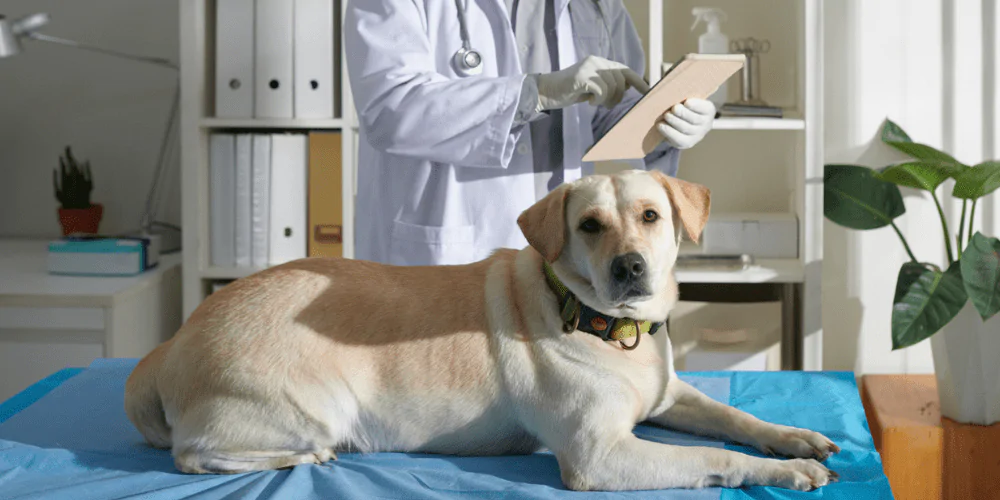
History and physical examination are still very important in raising suspicions of pancreatitis, and the presence of abdominal pain and a high temperature will usually mean your vet will want to admit your dog.
Blood tests are the next step to look at organ function and for signs of dehydration and infection, but an extra test for ‘canine specific pancreatic lipase’ is needed. Your vet may also want to do an ultrasound scan of the abdomen.
Pancreatitis can technically never be officially diagnosed in a living animal, but all these signs and tests together will often give a diagnosis.
Specific treatment for pancreatitis does not exist, but in hospitals, more aggressive supportive treatment can be provided. A fluid drip corrects dehydration and allows for administration of intravenous pain relief, anti-nausea medications and others.
Getting dogs to eat as soon as possible can make all the difference. So if a dog cannot be tempted by the skills of the nursing team, it may be necessary to place a feeding tube to provide nutrition. If your practice does not open overnight, they may need to advise the transfer of your dog to an out-of-hours centre.
Treatment of severe pancreatitis is usually successful if treated early and aggressively, but it can take several days to weeks to do so. Scar tissue can form in the pancreas afterwards, so the dog will need to be on a low-fat, low-protein diet for life to reduce the likelihood of any further attacks.

“Pancreatitis can be a really nasty condition to treat, and it can never be fully ruled out for any dog with GI signs.
“I see cases most commonly around Christmas, or BBQ season, or any other family occasion when someone has given their dog ‘just a little bit’ of meat or cheese as a treat, which is why pubs or cafes that sell sausages just for dogs make me stressed!
“Many dog treats (especially rawhide chews) are also potential triggers for pancreatitis, so I would always avoid these, especially in small breeds and Miniature Schnauzers – who are highly prone”.
Dr Siân Burwood MA VetMB MRCVS
Tell us about your dog’s pancreatitis when getting a quote for Lifetime Plus insurance and we’ll see if we can cover them*.
It’s important to tell us about all the conditions they’ve had in the last two years. This way we can offer the exact level of cover for their needs.
Find out more about our dog insurance for pre-existing medical conditions.
*Cover for pre-existing medical conditions is subject to acceptance. They will not be covered unless you have declared them and they are shown on your Confirmation of Cover.
Choosing Petgevity to protect your pets gives you more than just vet fee cover. Here's what you get from our policy.
Dental accident
Covers your pet up to the chosen vet fee limit if they have a dental accident or injury. Always be sure to take your pet for annual dental check-ups, and follow your vet’s advice.
Behavioural treatment
Get expert help with your pet’s mental and emotional wellbeing, as advised by your vet. Cover up to your chosen vet fee amount or the cost of up to 12 sessions, whichever is lower (Lifetime Plus); or up to £1,000 (Lifetime).
Complementary therapy
As advised by your vet, this covers alternative treatments like acupuncture or hydrotherapy. Cover up to your chosen vet fee amount (Lifetime Plus); or up to chosen vet fee amount or £1,500, whichever is lower (Lifetime).
Emergency care
If you can’t look after your pet due to an emergency, such as an unplanned hospital visit, this covers you for up to £1,500 (Lifetime Plus) in minding costs.
Third-party liability for dogs
Covers you for legal costs if your dog causes injury to somebody or their pet, or causes loss or damage to someone’s property. Protects you for up to £2 million in a legal action.
Choice of optional extras
Need extra protection? Choose from several optional extras to cover your pet’s needs, including dental illness, or cover if your pet is stolen or lost.
Defaqto 5 star rating when you choose vet fees over £4,000 with all optional add-ons included.
Basic cover alone has 3 star rating
Three-time winner National Insurance Awards Pet Insurance Award 2022, 2023 & 2024.
Awarded Best Pet Insurance Provider at The Money Mentor Awards 2024
†For Lifetime Plus policies only – details correct as of 10 September 2024 via competitor websites. Competitor products are subject to their own T&Cs and can have different limits and requirements for cats versus dogs at different ages. For full details, please check the relevant policy wording. For full details of Petgevity pet insurance, please read our policy wording.
Pancreatitis in dogs is often caused by rich high-fat, high-protein foods, fed either all the time or as treats. Dogs who are already overweight are more at risk, as are some specific breeds mentioned above.
Yes, once a dog has had pancreatitis once, the scar tissue that develops means they’re always at risk in the future. This is why prevention is key, and a low-fat, low-protein diet is advised for dogs who’ve had it before.
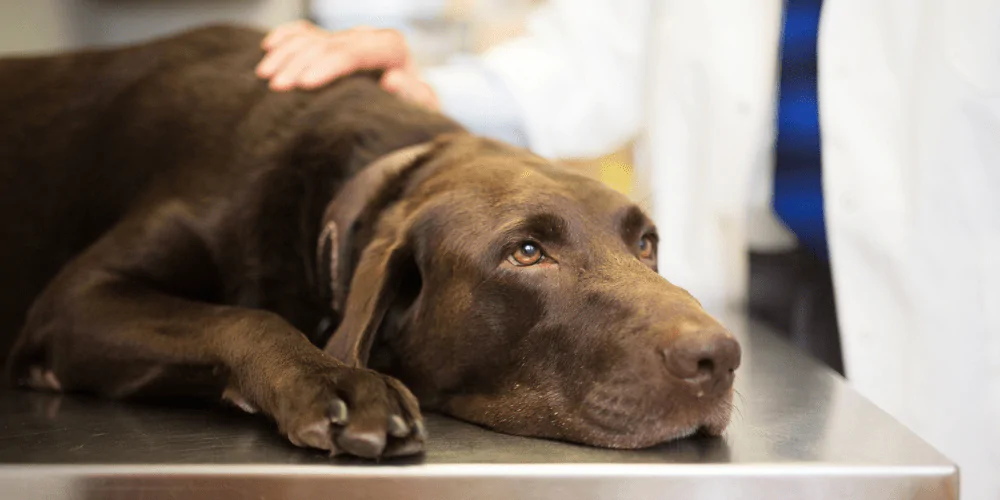
Pancreatitis can be very serious in some cases. It can cause significant pain, and dogs can rapidly become very dehydrated and unwell as they stop eating and drinking. These cases often require long hospital stays at the vet.
Other cases are more mild and can be treated at home with medication and diet.
Dogs with pancreatitis should be fed an easily digestible, low-fat, low-protein diet. There are many pancreatitis specific prescription diets that your vet may advise, or there are some homemade solutions that can work well in the short-to-medium term.
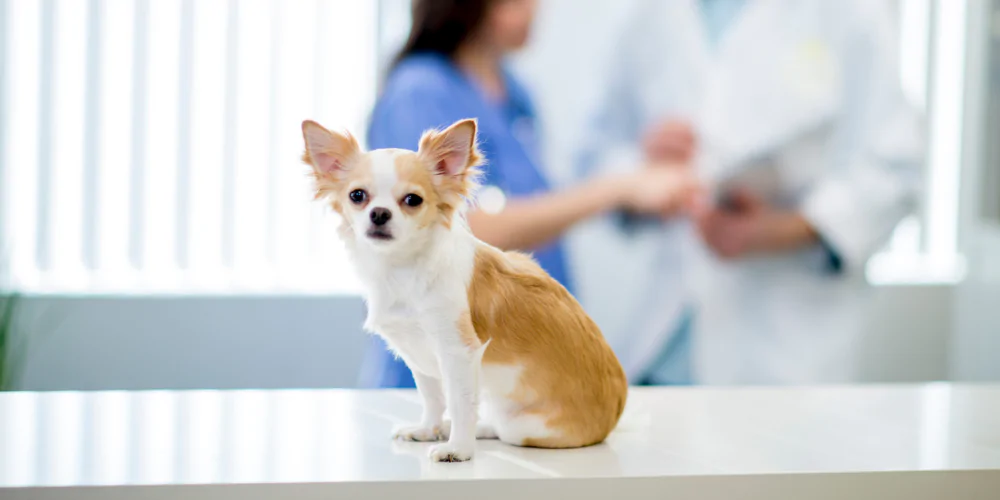
Yes, small toy breeds – such as Chihuahuas and Terriers – and Miniature Schnauzers are more prone to pancreatitis. But it can be seen in any breed.
†Lifetime Plus policies only
**Illnesses and symptoms won’t be covered in the first 14 days and accidents won’t be covered in the first 2 days of the policy. This is unless you are switching from another lifetime pet insurance product with no break in cover and the claim you want to make would have been covered by your previous policy. Other exclusions may apply to other sections.