
Should I get my dog castrated?
Dog castration: a complete guide to neutering male dogs

Philippa Short
26 February 2026
| 9 minutes read
Deciding whether to neuter your male dog is a significant choice, and timing plays a crucial role in both their physical development and emotional wellbeing. Understanding what castration involves, along with the potential benefits and drawbacks, can help you make an informed decision.
It’s worth knowing that neutering is classed as preventative care. As such, you most likely won’t be able to claim for castration on your dog insurance policy. If you need help with the cost of castration, look into schemes offered by some dog charities.
Here, expert dog behaviourist Philippa Short explains how male dog neutering works. She also explores common myths around behaviour, and outlines when castration may – or may not – be the right option.
- What is castration for dogs?
> Retained testicles in male dogs
> How much does dog castration cost in the UK? - How is a male dog neutered?
> Caring for your dog after castration - The benefits and drawbacks of neutering
> Why neutering too early can be harmful - What is the best age to neuter a male dog?
- What if you don’t neuter your dog?
- Neutering nervous or anxious dogs
- What changes should you expect after neutering?
> Does neutering calm dogs down?
> Does neutering reduce aggression?

What is castration for dogs?
Dog castration is a surgical procedure carried out by a veterinary surgeon to remove a male dog’s testicles, permanently preventing him from fathering puppies.
In some countries, an alternative procedure called a vasectomy is available. This leaves the testicles intact but blocks or removes part of the tube that carries sperm. While this stops reproduction, testosterone levels remain unchanged. Vasectomies aren’t routinely offered in the UK.
Note that neutering in female dogs is a different procedure, known as spaying. Find out about getting your female dog spayed here.
Retained testicles in male dogs
Some male dogs develop a condition known as cryptorchidism, where one or both testicles fail to descend into the scrotum.
Here’s how testicular development normally works:
- A puppy’s testicles initially form near the kidneys
- They travel down through a passage called the gubernaculum
- They usually settle into the scrotum by seven to eight weeks of age (though this can take longer)
A testicle is classed as retained if it becomes stuck somewhere along this route. If one or both testicles have not descended by 14 months of age, neutering is strongly recommended.
Testicles are not designed to remain inside the body, where higher temperatures significantly increase the risk of cancer. Your vet may need to carry out imaging to locate the retained testicle before surgery.
Regular veterinary check-ups are essential during puppyhood so retained testicles can be identified early. Taking out lifetime dog insurance when your puppy comes home can help cover medical conditions that arise later in life.
How much does dog castration cost in the UK?
The cost of castrating a dog varies depending on several factors, including:
- Your location (vet fees are typically higher in London and the south east)
- Your dog’s size and weight, as larger dogs require more anaesthetic and medication
- Whether your dog has one or two retained testicles, which can make surgery more complex
Your vet will be able to give you a tailored estimate based on your dog’s individual circumstances.
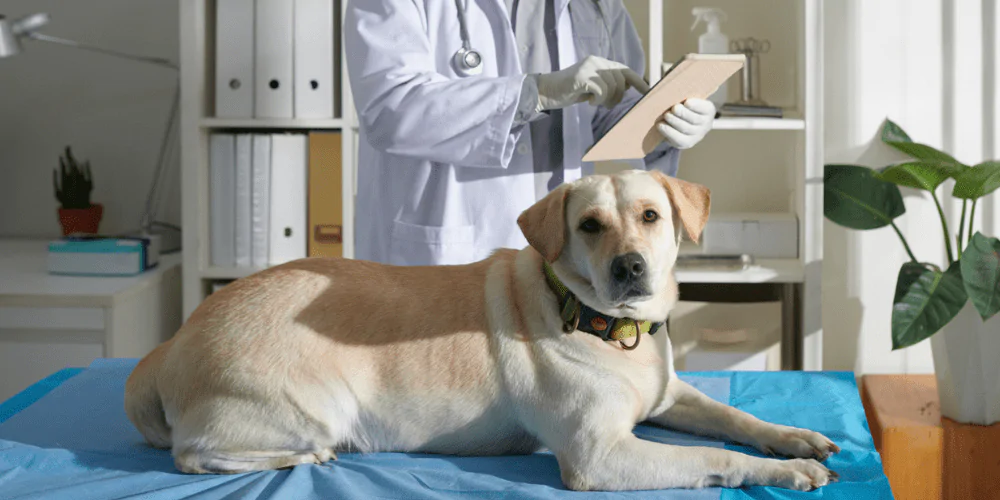
How is a male dog neutered?
Before surgery
Ahead of your dog’s operation, your vet will provide preparation instructions, which usually include:
- No food for eight hours before surgery
- No water for around three hours beforehand
- A full health check, sometimes including pre-operative blood tests
- Light sedation followed by a full general anaesthetic
During the procedure:
- The area around the groin is clipped and cleaned
- A small incision is made just in front of the scrotum
- The testicles are gently removed through the incision
Once the surgery is complete, your dog is gradually brought out of anaesthesia. A vet nurse monitors them closely, keeping them warm and comfortable as they wake up.
Caring for your dog after castration
Most dogs are able to go home the same day. To support their recovery:
- Expect some grogginess for the first 24 hours
- Offer a small, light meal such as plain chicken or fish
- Your dog may wear a surgical suit or cone to protect the stitches – distraction can help, such as a small smear of dog-friendly peanut butter inside the collar
- Follow-up checks are often scheduled a few days after surgery, with another around 7–10 days later
Encourage plenty of rest for the first 48 hours. Gentle, short walks on a lead are usually fine, but your vet will advise when it’s safe to resume more energetic activity.
Most post-op complications occur when dogs lick or chew their wounds, so do your best to prevent them accessing their stitches.
The benefits and drawbacks of neutering
Potential health benefits
Veterinary professionals often cite the following advantages:
- Eliminates the risk of testicular cancer
- Reduces the likelihood of prostate disease (though this is increasingly debated)
- Lowers the risk of certain perianal tumours
- Prevents unplanned breeding, although it’s worth noting that viable sperm can remain for up to 10 weeks after surgery
Behavioural reasons for neutering
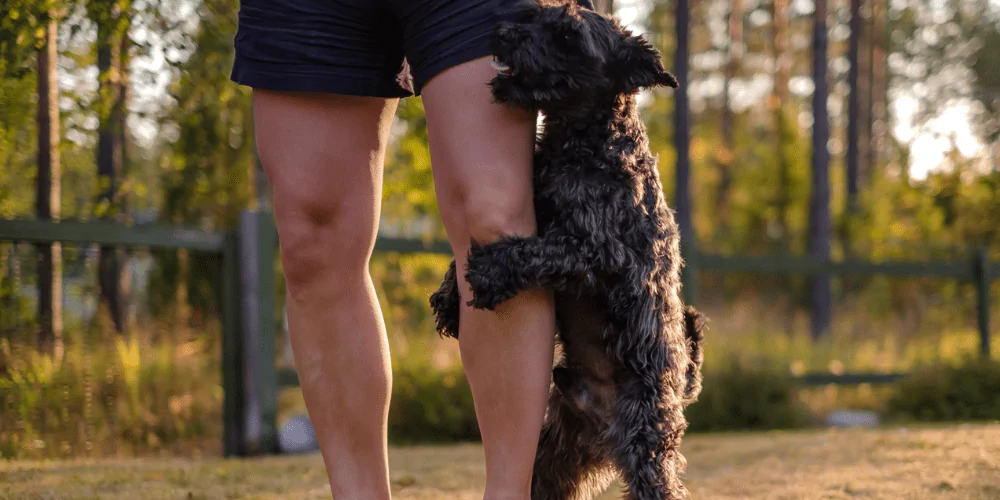
Historically, castration has been used to help manage behaviours thought to be testosterone-driven, such as:
- Roaming in search of females
- Inter-dog aggression
- Mounting behaviour
- Vocalising when nearby females are in season
However, neutering only affects behaviours directly influenced by testosterone and is not a universal solution.
Why neutering too early could be harmful
Hormones play a vital role in a dog’s physical development, particularly in closing growth plates within the bones. If a dog is neutered too young:
- Growth plates may stay open for longer
- Dogs may grow taller than intended
- Joint stability, muscle development and strength can be compromised
This increases the risk of conditions such as hip dysplasia and cruciate ligament injuries.
Research has also linked early neutering to a higher likelihood of:
- Hypothyroidism
- Urinary incontinence
- Certain infectious diseases
- Cardiac tumours, osteosarcoma and lymphosarcoma
Some studies suggest early neutering may shorten lifespan by up to 30%.
Behavioural effects of early neutering
Potential behavioural consequences include:
- Increased mounting behaviour linked to insecurity
- Greater sensitivity to loud noises and busy environments
- Heightened anxiety during adolescence
What’s the best age to neuter a male dog?
The ideal time to neuter a dog is once they have reached full physical maturity and their growth plates have closed.
As a general guide:
- Small breeds: around 12 months
- Medium breeds: around 18 months
- Large and giant breeds: closer to 2 years
Your vet can assess your dog’s individual development and advise on the most appropriate timing. In some cases, a qualified behaviourist may recommend earlier intervention, but this decision should always balance physical risks against behavioural needs.

What if you don’t neuter your dog?
Choosing not to neuter means your dog will retain the ability – and drive – to reproduce. During adolescence in particular, intact males can be highly motivated by hormones.
Owners of uncastrated dogs must manage:
- Close supervision during walks
- Extra care around females in season
- Stronger urges to roam or escape
This responsibility continues until – and unless – you decide neutering is appropriate.
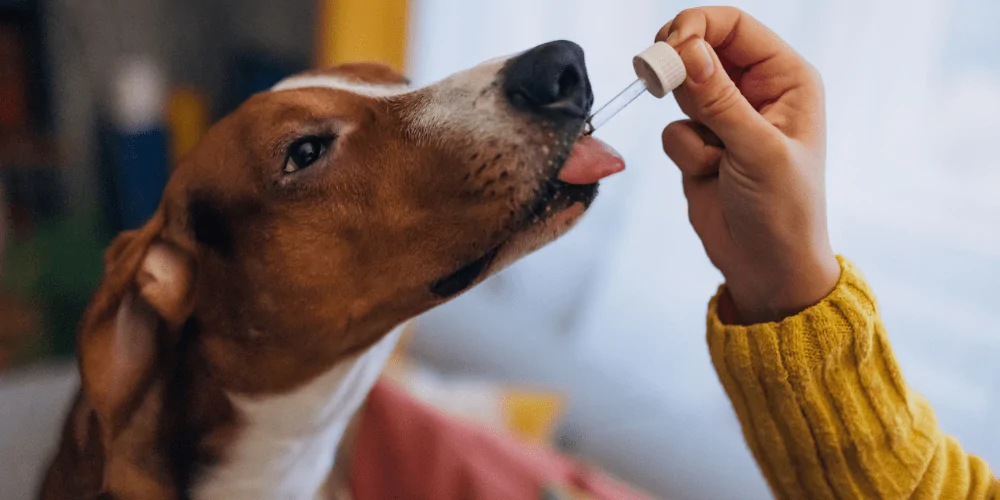
Neutering nervous or anxious dogs
Testosterone is closely linked to confidence. Removing it from a naturally nervous dog can sometimes worsen anxiety rather than improve behaviour.
In some dogs, testosterone levels may already be unusually high, making professional assessment essential. Consulting a qualified behaviourist before neutering is strongly advised.
Chemical castration as an option
A behaviourist may suggest chemical castration as a temporary trial:
- A small implant is placed under the skin
- It suppresses testosterone for 6 or 12 months
- Testosterone may briefly increase between weeks two and four
- Testicles then shrink significantly
By the end of two months, you’ll have a clear sense of how your dog responds to reduced testosterone. Monitoring behaviour between months two and five is recommended.
If surgical castration is planned, timing it towards the end of month five prevents testosterone from rebounding. Alternatively, another implant can be used to extend the trial period.
What changes should you expect after neutering?
- First week: your dog may be quieter as they recover, though testosterone is still present in parts of the body
- One month: hormone levels begin to decline
- Six months: testosterone reaches its lowest level
Low levels of testosterone can remain for up to 10 weeks post-surgery. Some dogs also experience a change in coat texture, which is normal and harmless.
Does neutering calm dogs down?
Neutering can reduce behaviours driven purely by sexual hormones. However, many ‘hyper’ behaviours stem from other causes, such as:
- Insufficient exercise
- Inappropriate diet
- Boredom or lack of stimulation
Neutering won’t address these issues, which is why behavioural support is often worth pursuing.
Does neutering reduce aggression?
Neutering is not a guaranteed fix for aggression. In fact, early neutering can increase the risk in some dogs due to:
- Loss of confidence during adolescence
- Pain or discomfort from joint issues linked to early surgery
Neutered dogs may also show intolerance towards intact males. Importantly, neutering does not resolve all forms of aggression, including fear-based or predatory behaviours.
A qualified behaviourist can identify the underlying cause of aggression and guide you towards the most effective support plan.
Philippa Short is a certified dog trainer and behaviourist.
Protect your dog at every stage of life with flexible, reliable dog insurance from Petgevity – so you can focus on enjoying the journey together.

