To suit your pet’s needs, choose vet fee cover from £1,000 to £15,000. The limit resets every year you renew.
We don’t have an NHS for pets, so turning to our local vet is pretty much the only choice when our four-legged friends become ill or get into scrapes. It can often surprise pet owners when they learn how much consultations and treatment actually cost, so it’s important to have a plan for how you might pay for vet costs as they come up.

Vet fees up to £15,000
To suit your pet’s needs, choose vet fee cover from £1,000 to £15,000. The limit resets every year you renew.
More info
To suit your pet’s needs, choose vet fee cover from £1,000 to £15,000. The limit resets every year you renew.

Design your own pet insurance
Policies as unique as your pet. Set your own limits, excess and optional extras, for cover as snug as a collar.
More info
Policies as unique as your pet. Set your own limits, excess and optional extras, for cover as snug as a collar.

Switch with unbroken cover
If you switch to us from a like-for-like policy, there’ll be no gap in cover, with protection starting straight away**.
More info
If you switch to us from a like-for-like policy, there’ll be no gap in cover, with protection starting straight away**.
Vet fees up to £15,000
More info
Design your own pet insurance
More info
Policies as unique as your pet. Set your own limits, excess and optional extras, for cover as snug as a collar.
Switch with unbroken cover
More info
If you switch to us from a like-for-like policy, there’ll be no gap in cover, with protection starting straight away**.
What affects how much you pay at the vet?
Veterinary costs are pretty variable, and depend on several factors:
- Where you live. Where you are in the country will influence your vet bills. In big cities like London where overheads are higher – it’s more costly to run a practice, which will impact pet owners’ bills.
- The type of consultation. What you pay will be influenced by whether you’re having a standard or emergency consultation or a home visit.
- Your pet’s breed and age. Different conditions are more likely depending on each of these. Younger animals are less likely to need to see the vet than older animals of any breed. Some breeds now have such high levels of genetic and body shape related problems that even when they are young they need to see a vet frequently. What treatment or procedure your cat or dog needs. For example, one-off prescriptions won’t cost the same as a surgical procedure, or ongoing medication.
- The expertise required. Referral to specialists for, treatment or procedures are likely to cost more than general practice.
While veterinary medicine now operates at a similar level as human medicine with advanced imaging, medication and surgeries, it does come at a price. It’s also worth being aware that your bill will reflect your pet’s individual medical circumstances, and what your friend may have paid for their animal for something that seems similar may in fact be different medically, and result in different costs. When you take your pet for a consultation, your vet will talk you through all the options available to help you make an informed decision on treatment together, one that is the best for you and your pet., Ultimately what option you choose is always your call, but your vet is there to guide you.
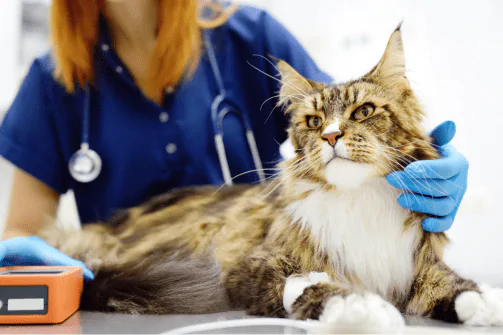
Does it cost to register with a vet?
It’s typical for vets not to charge a fee when you register your cat or dog but this will be down to the practice in question. Some practices will ask for a deposit for new clients as this helps to reduce no-shows, something that reduces practice income and pushes prices up for everyone. If you’re not sure, contact your local vet, or have a look at the practice’s website.
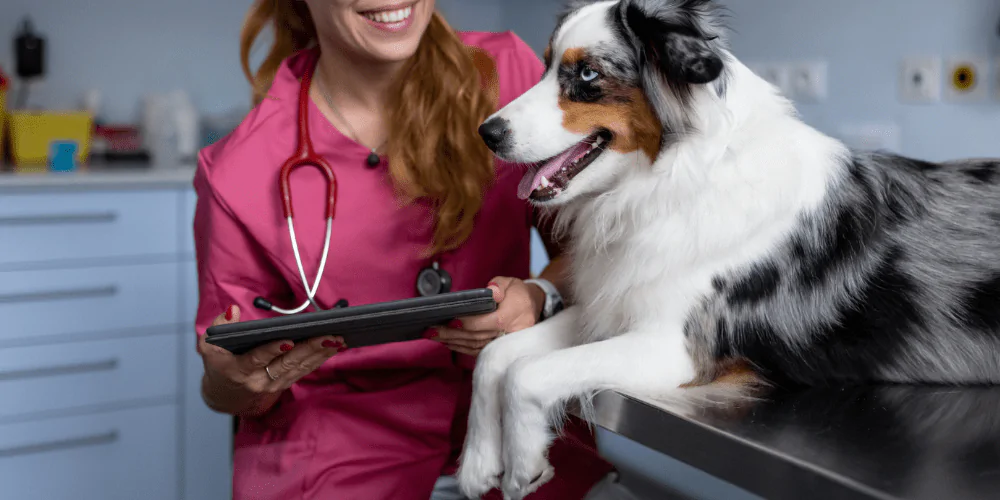
How much is a vet consultation fee for a sick pet?
All vet time is chargeable and will incur a consultation fee. Any further treatment costs, such as tests and medication, will be extra, and cannot be predicted until the vet has assessed your pet to see what is needed. Consultation fees vary a lot by geographical region, and can vary between £40-75. This is due every time you see your vet, including for rechecks.
There are not-for-profit organisations which will see sick or injured animals without charging a consultation fee, such as Animal Trust, but these are not present in every area. Charities such as Blue Cross, RSPCA and PDSA offer low cost clinics in some areas which are open to people who fit the eligibility criteria, usually based on postcode and the level of any benefits you might be on.
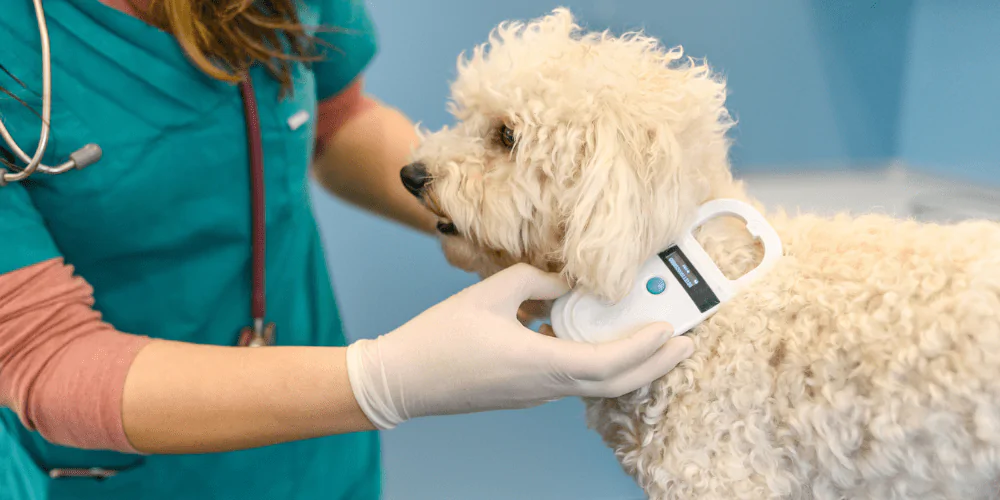
How much is a vet check up for a healthy pet?
Routine health checks (usually carried out at the annual booster) are a vital part of keeping your pet healthy. Boosters protect against viral diseases that are often fatal in unvaccinated pets, and the opportunity to have a full clinical assessment once a year gives you peace of mind, and your vet an opportunity to spot any issues early.
Annual boosters cost between £45-90 depending on what is needed and whether you have a dog or a cat. This cost usually includes the health check and the vaccination together.
It’s fairly standard for practices to offer pet health plans where you pay a monthly direct debit; . These will cover things like:
- A check-up every year or six months
- Keeping your cat vaccinations and dog vaccinations up to date with boosters
- Regular worming and flea treatment
- Potential discounts on food, supplements, toys and accessories
- Some plans will include a set number of vet consultations per year too
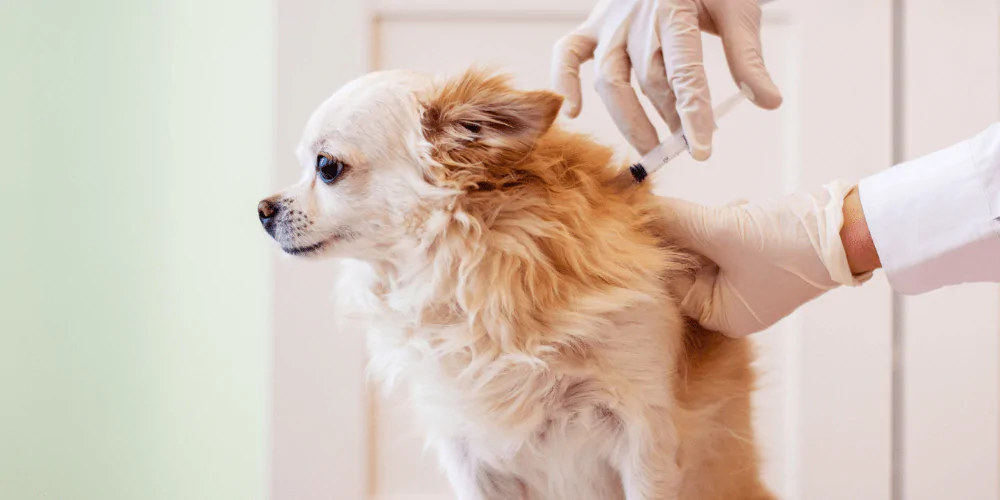
How much does a vet prescription cost?
You are entitled to ask your vet for a written prescription for any medications they recommend, which means that you can then buy them at a physical or online pharmacy where they may be cheaper.
Your vet will charge you to write this prescription to cover their professional time in preparing it, as well as for using their prescribing rights. Currently fees are variable, but after the recent CMA investigation into small animal veterinary fees, prescriptions will all cost £21 for the first medication and £12.50 for any further ones requested at the same time. These requirements become mandatory between March and September 2027 depending on the ownership of the practice you use.
Remember that prescription requirements are the same whether your vet is physically giving you the medications or a written prescription; your animal has to be directly under your vet’s care, and your vet only has to prescribe as much medication as they feel is currently safe for your pet. They will need to see your pet for rechecks to ensure they are still meeting this legal requirement; as often as the next day in acute illness, and up to every six months for long term medication. As such, sometimes a written prescription is worth it (especially for long term conditions), but in the short term it is safer and more convenient to get medication from your vets directly.

How much does an emergency vet cost?
Situations can arise where your pet may need to see a vet urgently, such as if they’re ill and getting quickly worse, or if they have a serious accident. The cost of an emergency vet appointment can be anything from £200 and up, depending on what time of day you are seeing them.
Organisations such as Animal Trust may charge a lower price than regular practices for an emergency vet visit but this will still be more pricey than a standard vet appointment. (You may not live near such a service.)
As they can’t tell us, it’s not always obvious when your pet might need urgent help – so it’s worth being aware of the signs that tell you when to visit an emergency vet.
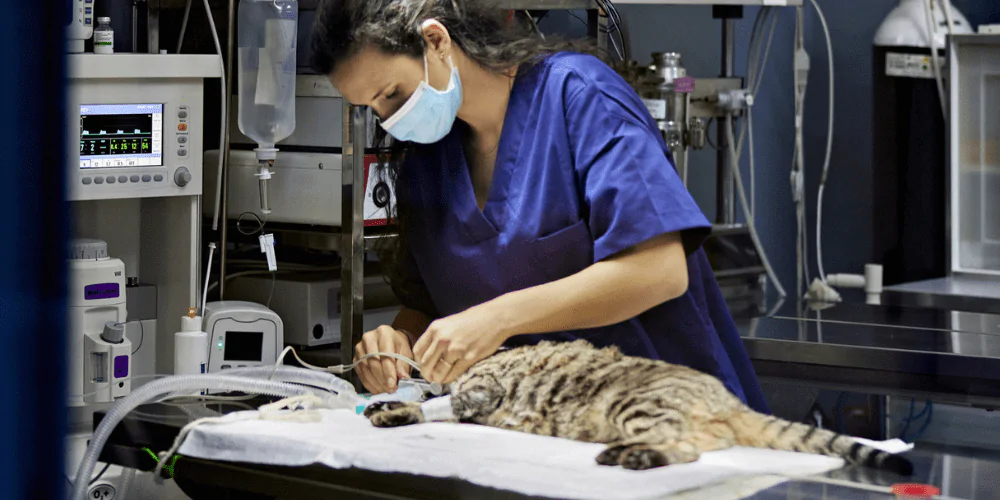
Why do emergency vets cost more?
Emergency vets work unsociable hours to deal with urgent veterinary work while other practices are closed. This means working overnight, on weekends, bank holidays and so on and as such, the costs are higher to compensate for the non-standard hours. Income is also not predictable for these practices as it is for daytime general practice, and prices have to reflect this.

Other examples of vet fee costs
Average of an overnight vet stay with a UK vet
Your pet may need to stay overnight to continue care or treatment as recommended by a vet surgeon, or in an emergency.
An overnight stay in a vet clinic can start from £300, but can be much higher depending on the level of care your pet needs. Intensive nursing care or surgeries that need to be carried out overnight will increase costs.
Vet home visit cost in the UK
Not all vets will offer home visits and if they do, these tend to come at a premium. This may well be added on top of the standard consultation fee.
House visits require multiple members of staff to be taken away from the practice for an extended period of time, usually the equivalent of 4-8 consultations within the practice. House visit costs reflect this.
Mobile vet services are becoming more common for routine presentations, but these also tend to charge more than standard vet practices to cover their overheads.
Why are some vet costs going up?
The cost of living rises seen over the last 20 years have affected all industries, and veterinary medicine is no exception. Wages, building costs, equipment and medications have all increased in price.
It is also the case that pet owners now expect their pet to be offered the same level of care that they would themselves receive from a doctor or hospital, and what is now possible is a world away from what could be done even a decade ago. Advances in medication and technology however do come with a cost that reflects this.
A final thing to consider is that it’s not just the case that vets cost more, but that pets are needing to go more often. The rise in popularity of some breeds that come with significant health problems due to their genetics or body shape means that some pet parents will be spending a lot more time and money at the vets to keep their animal comfortable.

Can I get help with vet costs?
Before committing to having a dog or cat, it’s important to think ahead. The lifelong costs of ownership can be high, including the affordability of vet bills. These costs are bound to crop up from time to time, whether that’s expected costs such as check-ups and vaccinations, or unexpected costs like treatment for illnesses and accidents.
If you need help with your vet bill, it’s worth noting that some bigger vet chains may be able to offer credit options through third party providers. Like with all credit, this needs repayment, and it is important not to exceed what you can afford to pay back. Vets themselves are not regulated financial institutions and so cannot offer credit.
Your vet may be able to help you find affordable ways to manage some conditions, and they will appreciate an honest conversation about what is realistic for you both. But you should be aware that some conditions may only have one management option or treatment, and in emergencies this is especially true. It’s best to be upfront with your vet about what you can afford, and then they can best help you and your pet.
A vet’s take on costs
“Every day I work in practice I am reminded how incredibly lucky we are to have the NHS – it’s not that vets cost a lot so much as healthcare costs a lot, but as humans in the UK, we have this funded by the government through taxation. This is not to say that veterinary fees do not represent a lot of a household budget (they do), and it’s really important to know for each pet you have how you will fund their care, both for routine costs and the unexpected ones too. Insurance is one option for this. Make sure you always have open conversations with your vet about what you can afford, as in some cases there are treatment options that cost less.”
Dr Siân Burwood MA VetMB MRCVS
Why is pet insurance important?
Having to make compromises on your pet’s care because you can’t afford treatment can be stressful at best, heartbreaking at worst.
This is why pet insurance is so important. It can give you peace of mind that your furry family member is covered for illness, accidents and long-term conditions.
This can free you up both financially and mentally, helping you focus on getting them well and happy.
Protect yourself and your four-legged pal from unexpected vet bills with pet insurance from Petgevity.

What’s included in a Petgevity policy
Choosing Petgevity to protect your pet gives you more than just vet fee cover. Here's what you get from our policy.

Dental accident
Covers your pet up to the chosen vet fee limit if they have a dental accident or injury. Always be sure to take your pet for annual dental check-ups, and follow your vet’s advice.
More info
Covers your pet up to the chosen vet fee limit if they have a dental accident or injury. Always be sure to take your pet for annual dental check-ups, and follow your vet’s advice.

Behavioural treatment
Get expert help with your pet’s mental and emotional wellbeing, as advised by your vet. Cover up to your chosen vet fee amount or the cost of up to 12 sessions, whichever is lower (Lifetime Plus); or up to £1,000 (Lifetime).
More info
Get expert help with your pet’s mental and emotional wellbeing, as advised by your vet. Cover up to your chosen vet fee amount or the cost of up to 12 sessions, whichever is lower (Lifetime Plus); or up to £1,000 (Lifetime).

Complementary therapy
As advised by your vet, this covers alternative treatments like acupuncture or hydrotherapy. Cover up to your chosen vet fee amount (Lifetime Plus); or up to chosen vet fee amount or £1,500, whichever is lower (Lifetime).
More info
As advised by your vet, this covers alternative treatments like acupuncture or hydrotherapy. Cover up to your chosen vet fee amount (Lifetime Plus); or up to chosen vet fee amount or £1,500, whichever is lower (Lifetime).

Emergency care
If you can’t look after your pet due to an emergency, such as an unplanned hospital visit, this covers you for up to £1,500 (Lifetime Plus) in minding costs.
More info
If you can’t look after your pet due to an emergency, such as an unplanned hospital visit, this covers you for up to £1,500 (Lifetime Plus) in minding costs.

Third-party liability for dogs
Covers you for legal costs if your dog causes injury to somebody or their pet, or causes loss or damage to someone’s property. Protects you for up to £2 million in a legal action.
More info
Covers you for legal costs if your dog causes injury to somebody or their pet, or causes loss or damage to someone’s property. Protects you for up to £2 million in a legal action.

Choice of optional extras
Need extra protection? Choose from several optional extras to cover your pet’s needs, including dental illness, or cover if your pet is stolen or lost.
More info
Need extra protection? Choose from several optional extras to cover your pet’s needs, including dental illness, or cover if your pet is stolen or lost.
Dental accident
More info
Covers your pet up to the chosen vet fee limit if they have a dental accident or injury. Always be sure to take your pet for annual dental check-ups, and follow your vet’s advice.
Behavioural treatment
More info
Get expert help with your pet’s mental and emotional wellbeing, as advised by your vet. Cover up to your chosen vet fee amount or the cost of up to 12 sessions, whichever is lower (Lifetime Plus); or up to £1,000 (Lifetime).
Complementary therapy
More info
As advised by your vet, this covers alternative treatments like acupuncture or hydrotherapy. Cover up to your chosen vet fee amount (Lifetime Plus); or up to chosen vet fee amount or £1,500, whichever is lower (Lifetime).
Emergency care
More info
If you can’t look after your pet due to an emergency, such as an unplanned hospital visit, this covers you for up to £1,500 (Lifetime Plus) in minding costs.
Third-party liability for dogs
More info
Covers you for legal costs if your dog causes injury to somebody or their pet, or causes loss or damage to someone’s property. Protects you for up to £2 million in a legal action.
Choice of optional extras
More info
Need extra protection? Choose from several optional extras to cover your pet’s needs, including dental illness, or cover if your pet is stolen or lost.
†Lifetime Plus policies only
*Cover for pre-existing medical conditions is subject to acceptance. They will not be covered unless you have declared them and they are shown on your Confirmation of Cover.
**Illnesses and symptoms won’t be covered in the first 14 days and accidents won’t be covered in the first 2 days of the policy. This is unless you are switching from another lifetime pet insurance product with no break in cover and the claim you want to make would have been covered by your previous policy. Other exclusions may apply to other sections.