When should I visit an emergency vet?
Learn the signs that mean urgent vet care, and what to expect when you get there.

Dr Lizzie Youens BSc (Hons) BVSc MRCVS
27 August 2026
| 7 minutes read
Reviewed by Dr Siân Burwood MA VetMB MRCVS
However careful an owner you are, pets have a knack for finding trouble – whether that’s something they’ve eaten, a fall, or a fight with another animal. And there are some medical emergencies that can happen at any time of the day or night.
When it happens, knowing what actually counts as an emergency can make a real difference. Dr Lizzie Youens – who works in emergency practice – talks through when to head to an emergency vet, what to expect once you’re there, and how to help your pet in the meantime.
Jump to:
- How do I know if my dog or cat needs emergency care?
- How do emergency vet visits work?
> How long do emergency vet visits take? - How much does an emergency vet cost?
> Is there a free emergency vet?
> Does pet insurance cover emergency vets? - How can I help my pet in an emergency?
> How to help your dog when choking on something
> How to help your cat when choking on something
> How to do CPR on your pet
> How to stop your pet bleeding
> What should I put in a basic pet first aid kit? - How can I help prevent emergency pet accidents?

How do I know if my dog or cat needs emergency care?
If you’re ever worried about your pet, your first call should be to your local vet – they can talk through what’s going on and tell you whether they need to be seen straight away. If you have pet insurance with Petgevity, you also get unlimited 24/7 video calls with a FirstVet vet, so there’s always someone available for advice, day or night.
Signs that your dog or cat may need emergency care include:
- Seizures (fits)
- Broken bones
- Severe bleeding
- Collapsing, or falling unconscious
- Open wounds
- A fast change in how they’re acting
- Difficulty breathing
- Facial swelling
- Excessive drooling or frothing at the mouth
- Persistent diarrhoea and/or vomiting
- Eating something toxic, such as chocolate
Find out more about how to recognise poisoning in dogs and poisoning in cats.
How do emergency vet visits work?
Most emergency visits follow a similar pattern:
- A vet or nurse carries out a quick initial assessment to establish the type and severity of the emergency.
- The most critical pets are seen first, which can mean a wait even if your own pet needs urgent attention too.
- A vet then carries out a full assessment and talks you through what tests or treatment your pet needs.
- You should be given an idea of costs before treatment goes ahead. If appropriate, the vet can advise you if any of these treatments can be done back with your local vet, or if they need to be done now to best treat your pet.
How long do emergency vet visits take?
There’s no fixed answer here – it depends entirely on what’s wrong and what treatment’s needed. If a more serious case comes in ahead of yours, be prepared for them to be seen before your pet – it’s a lot like going to A&E.

How much does an emergency vet cost?
Costs vary by practice, and by whether you’re already registered there. It’s worth checking your own vet’s website for their out-of-hours provision on their own premises, and appointment rates. Not all practices do their own out-of-hours on site (it’s an expensive service to offer) and so may share cover with other practices, or send you to a dedicated local provider.
Many practices work with Vets Now, a dedicated out-of-hours emergency provider, whose costs depend on the treatment needed and the time of day. You’ll be given an estimate covering the consultation and out-of-hours fee before treatment starts. Typically an out-of-hours consultation will be a few hundred pounds, with treatment on top.
Animal Trust is a low-cost veterinary provider that provides out-of-hours cover, currently primarily in North West England. Animal Trust charges an out-of-hours fee of £80 for its Pet A&E service.
Is there a free emergency vet?
Unfortunately not. Emergency treatment is rarely – if ever – free, and tends to cost more than a routine visit. This is because it costs veterinary businesses more to be open outside of typical hours when they cannot control their income, but have fixed costs.
That’s exactly why it’s worth having either a solid pet insurance policy in place, or money set aside specifically for accidents and emergencies.
Does pet insurance cover emergency vets?
This depends on your provider and your specific policy, so it’s always worth checking your wording carefully for what’s covered and any exclusions that apply.
Some insurers, for instance, will only cover an emergency visit if a vet confirms it genuinely couldn’t have waited for normal opening hours. So the ‘out-of-hours’ element itself needs to be medically justified, not just a matter of convenience.

“I’m not a vet – how do I know when to be seen?” A vet’s take on emergency treatment
“Over many years in general practice (including on-call work), I know that emergencies can happen at any time. You know your pet better than anyone, so if something seems wrong, pick up the phone to your local vet or to the vetline provided by your practice or insurer. We would always rather provide reassurance and answer any ‘silly’ questions than have a pet suffer and come in too late for us to help.
“Many emergencies are avoidable through common-sense measures (like keeping chocolate hidden away!), but some problems truly do come on very quickly out of the blue when it’s not anyone’s fault. Make sure you have the ability in those cases to seek treatment knowing that it does cost more out-of-hours.”
Dr Siân Burwood MA VetMB MRCVS
How can I help my pet in an emergency?
It can be hard to stay calm when your pet’s in pain or distress, but try to. Call or video your vet straight away for guidance. And if it’s out-of-hours, call their emergency vet. Your insurer may well have a dedicated vet line you can speak to for guidance, and some practices have their own provider who can also help.
If your pet needs help before you can get there, here’s what to do in some limited situations:

How to help your dog if they’re choking
Caution: Always keep your own safety in mind. Dogs’ jaws are powerful, and even the friendliest dog is likely to panic and bite when choking.
- Gently open their mouth and check for a lodged object.
- If it’s safe to do so, use tweezers to remove it.
- If your dog’s unconscious, clear the airway with your hand. Placing something soft, like a rolled bandage, between their back teeth can help keep the mouth open while you reach inside for the object.
- Be careful not to push the object further down the throat.
- For a larger object, place your hands firmly at the base of the throat, just behind it, and push upwards.
- If you still can’t dislodge it, place your hands on either side of the ribcage and apply quick, firm pressure.
- Keep going until the object comes free or you reach the vet.
How to help a cat if they’re choking
Caution: Always keep your own safety in mind. Cat bites can be very serious and they’re likely to be in a panic if choking.
- Cats rarely choke on round objects the way dogs do – gently open their mouth and look for things like string or grass instead.
- If it’s safe, use tweezers (never your fingers) to remove the object.
- If something more solid is lodged in their throat, don’t try to push or pull at it.
- Head straight to the vet.
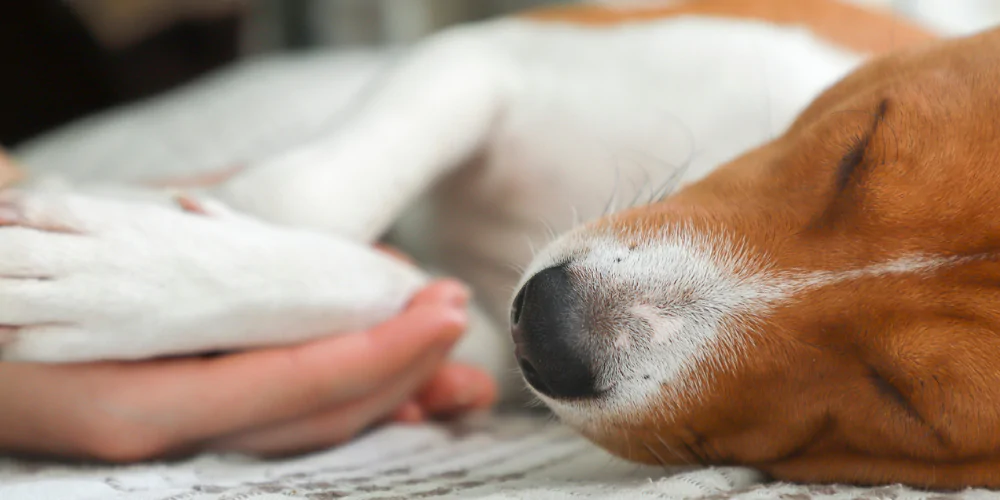
How to do CPR on your pet
- Lie your pet on their right side, and check whether their breathing has stopped by watching for movement in the belly or nostrils.
- Carefully open their mouth, pull the tongue forward to check for blockages, and clear the throat – taking care not to get bitten.
- Extend the neck, hold the mouth closed, and breathe into their nose by forming a tube shape with your hand. Aim for around 20 breaths per minute.
- Check for a pulse on the inside of the back leg, halfway between the knee and the groin. If there’s no heartbeat, start chest compressions to help blood flow round the body, pushing on the chest just behind their elbow, where the heart sits.
- Give two breaths into the nose for every 15 chest compressions.

How to stop your pet bleeding
- Apply immediate, firm pressure to the wound to slow the bleeding.
- Use a towel, t-shirt or dressing if you have one, and keep firm pressure on for at least three minutes.
- If it’s a leg bleeding, lift it up, above the level of the chest if you can.
- Maintain pressure and take your pet immediately to the vet.
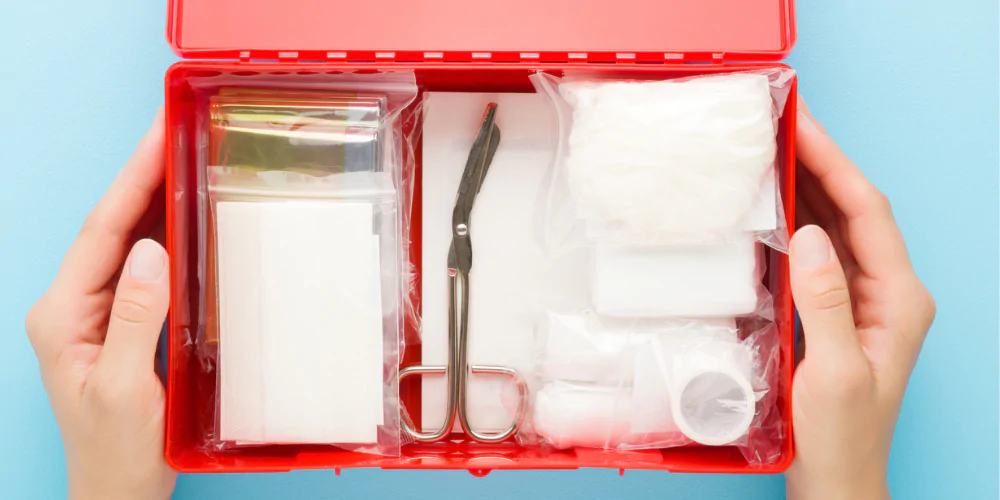
What should I put in a basic pet first aid kit?
A basic kit can help you manage small injuries while you get to an out-of-hours vet. It’s worth including:
- Bandages
- Wound dressings
- Curved, blunt-ended scissors
- Gauze
- Cotton wool
- Self-adhesive tape
- Vinyl gloves
- A foil blanket
- Tweezers

How can I help prevent emergency pet accidents?
Prevention really is better than cure. Staying alert both indoors and out goes a long way. Here’s how to stay safe:
- Keep your dog on a lead in busy areas, and stop them licking or eating anything from the floor
- Take your phone on walks, so you can get vet advice quickly if something happens
- Plant a dog- and cat-friendly garden
- Check your outdoor space is secure – a catio for indoor cats, and no broken fence panels your dog could escape through
- Store toxic foods and other dangerous items well out of reach
- Keep small, shiny or swallowable items away from curious cats
- If you let your cat out during the day, bring them in at night
- Attend dog training classes
- Attend an accredited pet first aid course
- As hard as it can be in the moment, don’t panic! If in doubt, call your vet
It’s also worth being prepared ahead of time:
- Keep your vet’s number saved in your phone.
- Check your vet’s out-of-hours procedure in advance, before you need it.
- Save your nearest emergency vet clinic’s number.
- Learn the fastest route to your vet and nearest emergency clinic.
- Keep a basic first aid kit both at home and in the car.
As a Petgevity customer, you get unlimited 24/7 video calls with a FirstVet vet for help with pet emergencies, day or night.
Be confident your dog or cat is covered for the unexpected with Petgevity pet insurance.

