Taking your pet on holiday
Going somewhere nice in 2026? And will you be taking your furry buddy with you?

Owe Carter
8 December 2025
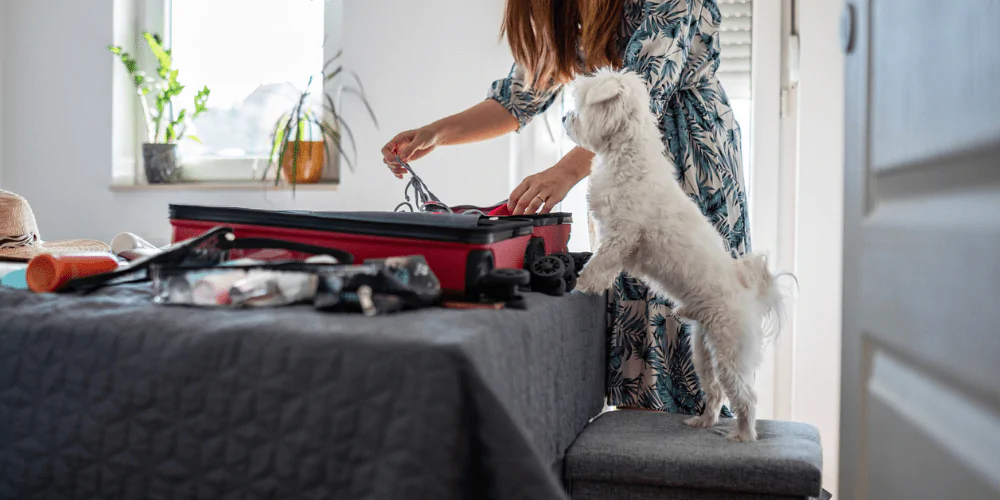
Thinking of booking somewhere nice to go in the new year? It’s fun to think about, and the idea of taking your furry pal on holiday with you can be very appealing. Although it takes careful planning, even if you’re only staying in the UK – let alone if you’re going overseas. Here are the important considerations if you’re thinking of travelling in 2026 with your dog or cat.
Considerations before you book your holiday
Before you book anything, it’s important to ask whether you should take your pet with you, especially if you plan on going abroad.
Should I take my dog with me?

Think about how your dog will cope with the journey itself, and the change of environment. If you’re thinking of flying for example, will your dog have to go in cargo? While these are climate-controlled, this will still be an unfamiliar environment where they’re left alone for a long time – with all sorts of bumps and weird noises.
If your dog won’t cope well with the way in which you plan to travel, it’s better to consider going by another mode, or travelling within the UK.
For inspiration, check out our top 10 ‘dogcation’ destinations in the UK.
If you’ve 100% decided on going abroad, you should at least consider a dog-sitter or reputable boarding kennels. If you don’t have any willing family or friends to look after them, you could look at a site or app with reviews for dog boarding, such as Rover. You should also look into how to manage separation anxiety over the holidays.
Note that a Petgevity pet insurance policy covers emergency care for a range of situations – for example if you fall ill while you’re away. If you need to pay kennel or cattery fees, or for dog walking or pet minding, we’ll cover you for:
- £35 per day up to £750 for professional care, or £1,500 with a Lifetime Plus policy
- £15 per day up to £750 for a friend or family member, or £1,500 with a Lifetime Plus policy
Still keen on taking your dog with you? In that case, do your homework to make sure your destination has everything your dog needs to be as comfortable and happy as possible.
Be sure to check if your accommodation is dog-friendly, with access to open spaces so they can exercise and go to the toilet.
Also check what’s available locally for your dog too, such as if the beaches are dog-friendly. And make a note of nearby vets or animal hospitals in case of emergency.
If you’re going somewhere hot, make sure the accommodation has air conditioning. Heatstroke is a real risk for dogs, so be sure to check the weather regularly. Find out more about keeping your dog cool in hot weather.
Should I take my cat with me?
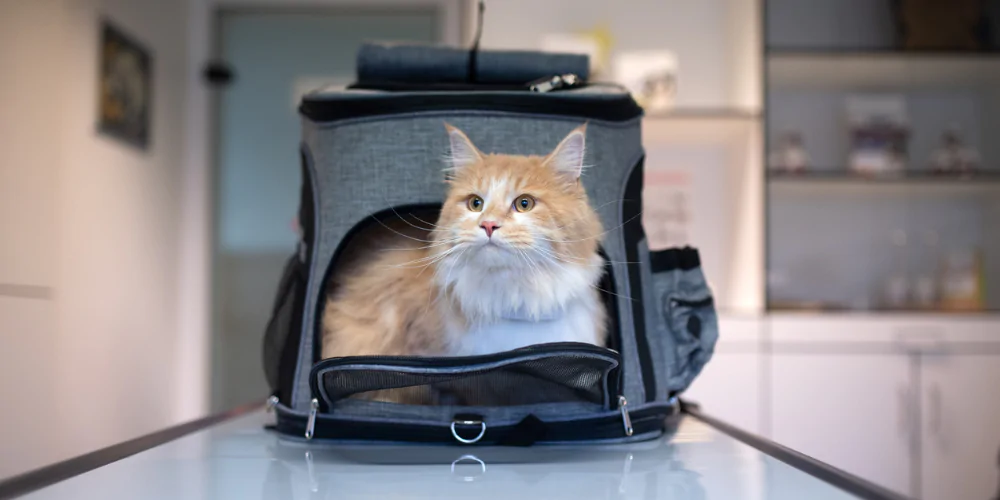
It’s doubly important to ask yourself if you should take your cat with you, even for domestic trips. Cats are territorial animals, and taking them out of their familiar environment can be very distressing for them.
At Petgevity, we’d always recommend letting cats stay in their home surroundings if you can. You could get family, friends or neighbours to go round to feed them and change their litter, or hire somebody nearby from a site like Rover. If you’re happy with someone staying in your home, you could also try TrustedHousesitters. Here you pay an annual fee, which could work out well if you plan on making several trips during a year.
What does my pet need when going abroad?
If you decide to take your pet with you overseas, you’ll need to get the necessary health check and paperwork in order ahead of your trip.
If you’re travelling to the EU or Northern Ireland, your pet will need:
- An animal health certificate (AHC), which must be issued in the 10 days before departure. At the time of writing, there are plans to reintroduce pet passports, which are cheaper and easier to arrange
- A microchip
- A valid rabies vaccination, which must be given in the 21 days before departure, and recorded in your pet’s AHC
Always check the exact requirements for the specific country in question in good time before you go. For example, if you’re taking a dog directly to Northern Ireland, Ireland, Norway, Finland or Malta, they’ll need tapeworm treatment. And bear in mind that all requirements also apply to assistance dogs.
If you’re going outside the EU, you’ll usually need an export health certificate (EHC), plus you should fill in an export application form (EXA). Find out more about travelling with a pet to a non-EU country at GOV.UK.
Plus you should make sure your pet insurance policy covers trips abroad, in case of illness or injury. If you take out optional Travel and Holiday cover with Petgevity, you can get cover for:
- Vet fees abroad
- Emergency return home
- Cancellation or cutting short your trip
- Delayed return
- Quarantine expenses
Terms and conditions apply.
Don’t forget insurance for yourself! Check out single-trip or annual travel insurance with Staysure to give you peace of mind should anything go wrong while on holiday.
What should I take with me?
You want your pet to feel as at home as possible, so be sure to pack with their comfort in mind.
What to take for your dog
Here’s what to pack for a holiday with your dog:
- Essentials such as their collar, harness, lead and a legally required ID tag
- Water for the journey
- See if their usual food is sold locally. If not, pack enough food and treats to last the trip, plus a little extra to be sure. Avoid an unfamiliar diet during the trip, as this can upset their stomach
- Take food and water bowls
- Pack your dog’s medication if needed
- Bring their bed, blanket and favourite toys
- Take any grooming gear they need
- Poop bags
- A basic first aid kit in case of minor accidents
- A crate or safe restraint for the car journey
What to take for your cat
Here’s what to pack for a holiday with your cat:

- Microchipping your cat is a legal requirement anyway, but if they’re not chipped, you should certainly get it done before taking them on holiday
- Cat carrier and bedding. If you’re taking more than one cat, they should have a carrier each
- Water for the journey
- See if their usual food is sold locally. If not, pack enough food and treats to last the trip, plus a little extra to be sure
- Litter box or tray. If you’re going on a long journey, give them a chance to relieve themselves every 2 to 3 hours
- Pack your cat’s medication if needed
- Favourite toy or two
- Scratching post. Don’t forget that scratching is an important cat behaviour, and if they don’t have a scratching post, they might resort to items in your accommodation
It’s also not a bad idea to take something with their scent on, like a blanket. If you get the chance, go into the accommodation beforehand, and rub their scent around. This can help them feel more comfortable in the new surroundings. It’s also worth considering using a pheromone diffuser to help calm them down.
When you get there
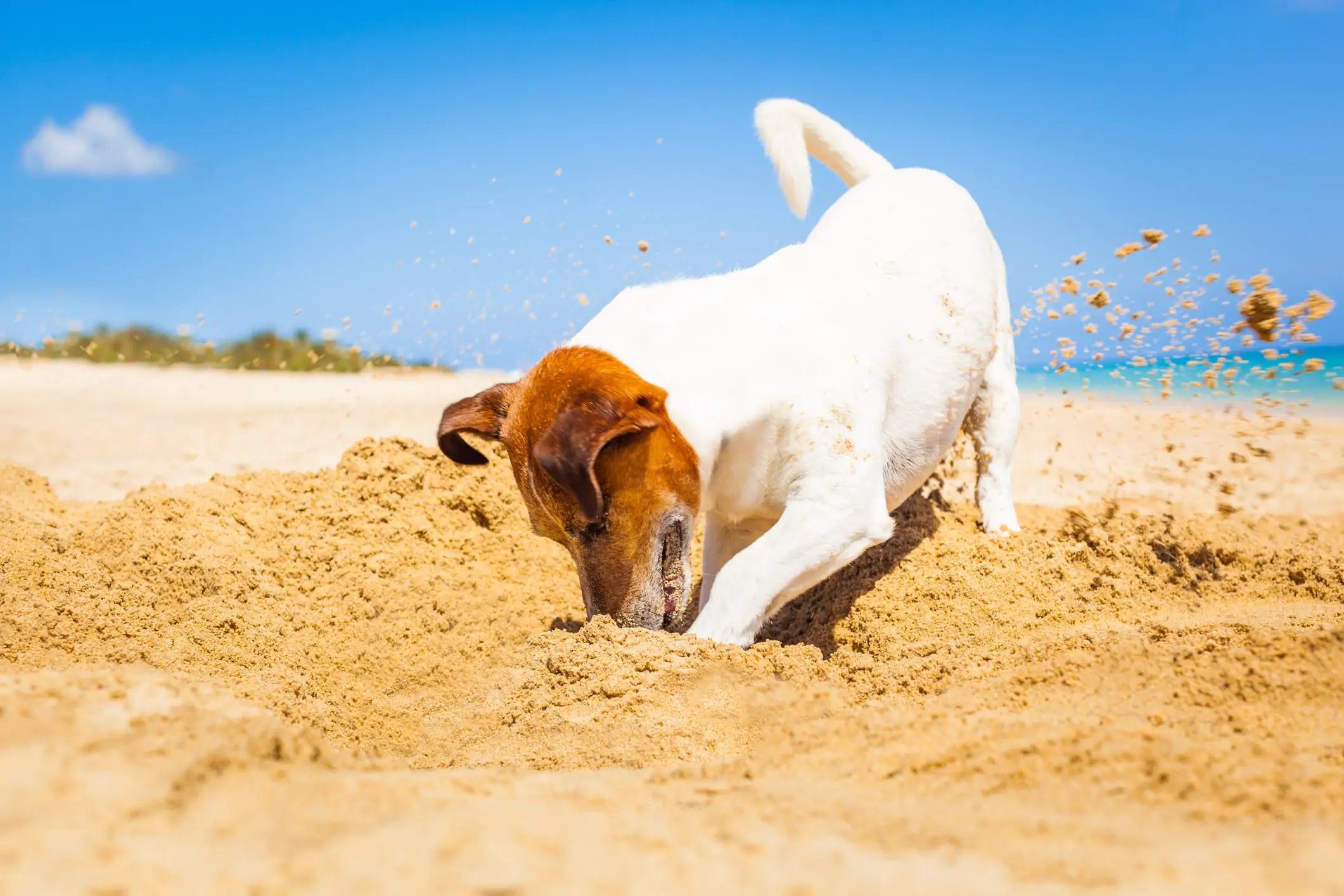
When you first arrive, make sure their bed, blanket, favourite toys and familiar-smelling items are close to hand. Set up a comfy space where they can relax.
Give them plenty of time to explore and get used to their new environment. And don’t leave them alone for too long, especially shortly after you get there. Make sure you’re available for reassurance.
During your stay, it’s best to stay as close as possible to your pet’s normal routine. This means the usual feeding times, and walking times if you’re taking your dog. Plus it’s best to stick to their normal diet.
Dogs can sometimes behave unpredictably in unfamiliar surroundings. So if you’re taking your dog out, be sure to keep them on a lead until they become more familiar with the area. Even then, it might be best to keep them on the lead near roads, for instance, or in crowded areas.As long as you pack well, exercise sensible caution and keep your pet at front of mind, you should all have a lovely time. Bon(e) voyage!

