How to keep your dog cool in hot weather ☀️
Find out the signs of overheating in dogs, how to cool them safely, and what to do if you spot a dog in a hot car.

Dr Rachel Cox, FirstVet vet
13 August 2026
| 6 minutes read
Sunny weather makes you want to get out and enjoy it with the whole family, canine best friend included. What’s considerably less fun is a dog with a heat-related illness.
FirstVet vet Dr Rachel Cox looks at what you can do to protect your dog through the hot summer months.
Table of contents
- Signs of overheating in dogs
> Dog is panting
> Dog has disorientation and wobbliness
> Dog has bright red or blue gums
> Dog is collapsing
> Dog is vomiting/has diarrhoea
> Dog is becoming anxious, barking, whining or trembling
> Dog is seeking shade or reluctance to move
> Dog has excessive drooling or increased thirst
> Dog has mental dullness or glassy eyes
> Dog has difficulty breathing, collapsing, seizures or loss of consciousness - How to stop dogs overheating
> Can dogs overheat in the house? - Dog breeds that overheat easily
Signs of overheating in dogs 🐕
Dogs love spending quality time with their humans, whether that’s a walk or a game of fetch – and summer usually means even more opportunities to get outside together.
The trouble is, plenty of dogs get so caught up in the fun that they don’t know when to stop. Walking a dog in hot weather can quickly become dangerous, particularly without ready access to water or shade.
Heat-related illness in dogs is more common than perhaps a lot of owners realise. VetCompass research from the Royal Veterinary College and Nottingham Trent University, drawing on records from over 900,000 UK dogs, found hundreds of cases a year even before accounting for milder cases that never make it to a vet.
There are several causes of heatstroke, but the most common by far is being left in a hot, enclosed space like a car. It can take as little as 15 minutes for a dog to die of heatstroke in these conditions.
Pets can’t tell you when they’re starting to overheat, which is exactly why it falls to us as owners to recognise the signs ourselves.
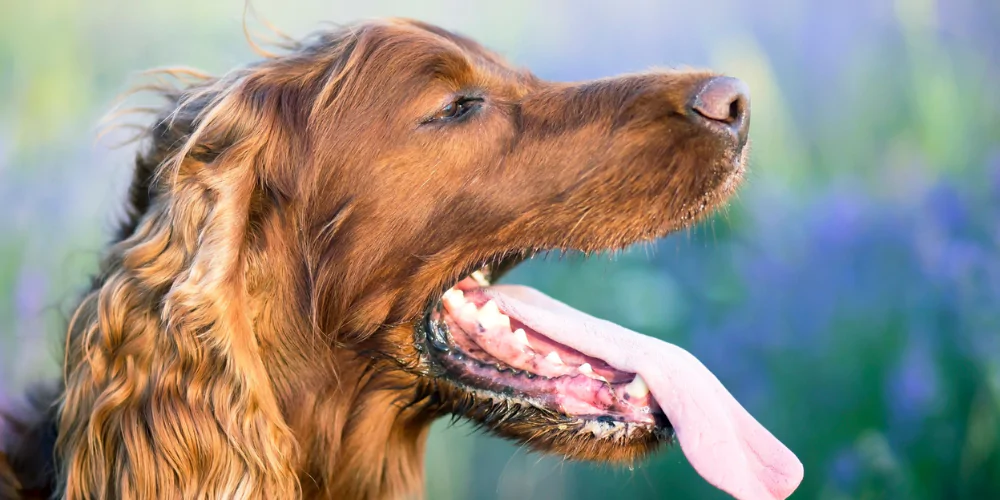
Panting
Dogs can’t sweat through their skin the way we do, so panting is their main way of regulating temperature. You’ll notice it after exercise, or when they’re excited – which, let’s be honest, is most of the time you walk back into a room.
Constant panting with no let-up, though, can be one of the earliest signs of overheating or overexertion. As such, it’s worth keeping an eye on excessive panting specifically during hot weather.
Disorientation and wobbliness
This one’s usually easier to spot. Falling over, walking in circles, an unsteady gait, or a head tilted to one side can all point to disorientation. And it tends to get worse the longer it’s left.
See to it as soon as you notice it. If your dog isn’t back to their usual self after some shade and water, get them to a vet.
Bright red or blue gums
Dry gums that look bright red or purple are another warning sign. As oxygen levels drop further, gums can turn blue – a clear signal your dog is overheating and needs urgent veterinary attention.
Collapsing
Collapse is a serious sign of heatstroke on its own, and more so alongside any of the others here. If your dog collapses, get them to a vet immediately.
Vomiting or diarrhoea
Both are common dog complaints generally, but alongside other signs of heatstroke, they mean it’s time to act fast – start cooling your dog and contact your vet.
Anxiety, barking, whining or trembling
Plenty of things can make a dog anxious – new people, unfamiliar animals, a missing family member… But in hot weather, this kind of distress can also be a sign they’re struggling with the heat.
Seeking shade or reluctance to move
A dog who won’t budge, or is clearly trying to avoid the sun, may already be showing signs of heatstroke. Resting in the shade is often a coping mechanism for a dog who’s struggling to cool down.
Excessive drooling or increased thirst
Context matters here, much like with anxious behaviour. A bit of drool at the sight of a favourite treat is normal; excessive drooling on a hot day is more of a concern.
The same goes for thirst – a dog who’s thirsty after a long walk is normal, but continuous drinking that never seems satisfied can point to overheating.
Mental dullness or glassy eyes
Slower reactions, not responding to commands, or a glassy look in the eyes are more serious signs of heatstroke, and worth acting on quickly.
Difficulty breathing, collapsing, seizures or loss of consciousness
These are the most severe signs, with the highest risk to your dog’s health. If you see any of these, get them to your nearest vet or an emergency vet straight away.
The three stages of heat-related illness 🌡️
Vets increasingly think of heat-related illness as a progressive condition, rather than something that’s simply present or absent. VetCompass researchers have proposed three broad stages, which can help make sense of how quickly things can escalate:
- Mild: lethargy and altered, heavier breathing
- Moderate: gastrointestinal upset, episodic collapse, or a single seizure
- Severe: neurological symptoms, gastrointestinal bleeding, or other bleeding disorders – the stage most associated with a poor outcome
The earlier you catch and act on the mild signs, the less likely things are to progress towards the severe end of the scale.
How to stop your dog overheating 💧
No one wants to see their dog suffer, and there’s plenty you can do at home in the earlier stages of overheating. If your dog’s showing any of the signs above, current veterinary advice – endorsed by the Royal Veterinary College – can be summed up as ‘cool first, transport second’:
- Move your dog to a cooler, quieter, less crowded spot, out of direct heat.
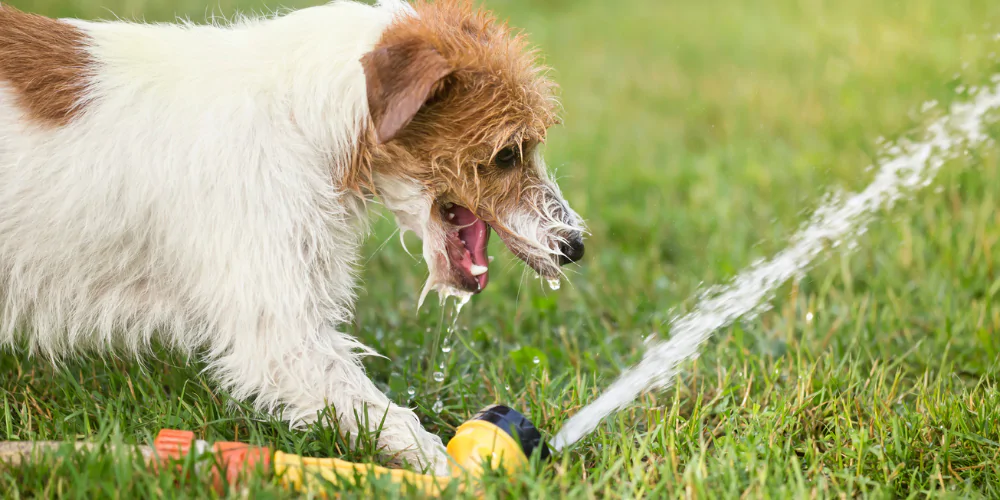
- Actively cool them down with cool water – a sponge, or a cool shower, both work well. Avoid submerging their head, since this can cause aspiration pneumonia.
- Place cold, wet towels on their stomach, armpits and paw pads, changing them regularly since they can trap heat and make things worse rather than better. A fan nearby helps circulate air around them too.
- Keep cooling them on the way to the vet if you need to travel – don’t stop cooling just because you’re now driving.
- Before heading out for a walk, press your hand to the pavement for seven seconds. If it’s too hot to keep your hand there, it’s too hot for paws – wait for it to cool, or walk earlier or later in the day instead.
Can dogs overheat in the house? 🏠
Yes – a hot, stuffy house can be just as risky as a hot car. Keeping an eye on your home’s temperature during a heatwave helps keep your dog safe. A few ways to maintain a cooler home:
- Close the curtains to keep direct sun out
- Keep your dog out of consistently sunny spots, like south-facing rooms, during the hottest part of the day
- Make icy treats by freezing meat, raw chicken or beef bones, or fruit
- Freeze part of their water bowl and top it up with fresh, cold water throughout the day
- A cooling mat or vest can also help, particularly for dogs who struggle in the heat generally
Every dog reacts differently to heat. Puppies, small dogs, dogs carrying extra weight, heavier-coated breeds, and dogs with existing health conditions can all be more vulnerable. It’s worth understanding your own dog’s individual tolerance rather than assuming they’ll cope the same as any other dog.
What to do if you see a dog in a hot car 🚗
If you see a dog in visible distress in a hot car, call 999 immediately and ask for the police. The RSPCA doesn’t have the legal power to break into a vehicle – only the police do. As such, calling their cruelty line first can waste valuable time in an emergency. Every minute matters here.
If the dog doesn’t appear to be in immediate distress but you’re still concerned, the RSPCA recommends the following:
- Work out how long the dog’s likely been in the car – a pay-and-display ticket can help establish this.
- Make a note of the car’s registration.
- If you’re at a shop, venue or event, ask staff to make an announcement to find the owner.
- Get someone to stay with the dog and monitor their condition, ready to call 999 if things get worse.
If the owner does return but you still feel the dog was put at genuine risk, you can still report it to the police afterwards.
Dog breeds that overheat easily 🐶
Some breeds are considerably more vulnerable to heat than others. Large-scale VetCompass research has consistently found brachycephalic (flat-faced) breeds and dogs over 50kg among those at greatest risk of heat-related illness. Breeds worth being especially mindful of include:
- Flat-faced breeds, such as the Chow Chow, Bulldog, French Bulldog, Dogue de Bordeaux and Pug
- Sport and working breeds, such as Greyhounds, Golden Retrievers and Springer Spaniels
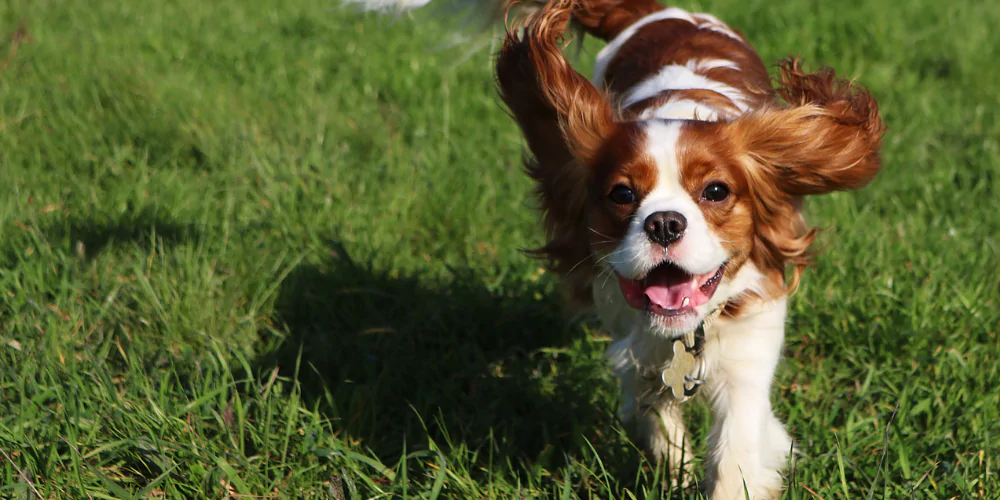
- Toy breeds, like Cavalier King Charles Spaniels
If your dog falls into one of these categories, it’s worth being extra cautious with exercise timing and intensity once the weather warms up. Go for shorter, gentler walks in the cooler parts of the day, rather than a full walk when it’s too toasty.
Keep your dog protected all year round, whatever the weather, with Petgevity dog insurance.

