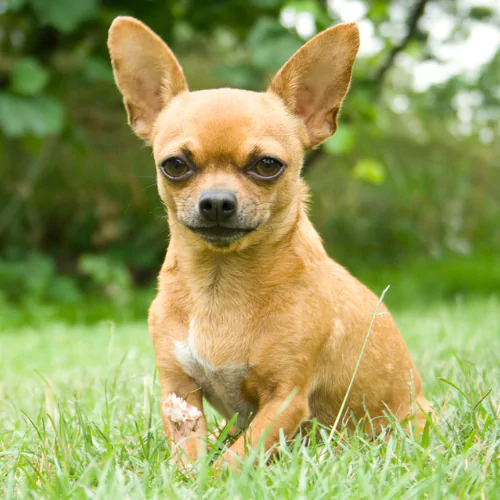
Caring for Brachycephalic pets
A guide to BOAS and common health issues in flat-faced dogs and cats (brachy pets).
Dr Corinne Wigfall BVMBVS(Hons) BVMedSci(Hons)
24 June 2026
Flat-faced pets have become hugely popular in the UK over the last two decades. Breeds like French Bulldogs, Pugs and Persian cats are loved for their distinctive looks and affectionate personalities. But their unique features can also bring certain health challenges.
Many brachycephalic pets are affected by breathing difficulties and other long-term conditions linked to their shortened skull shape. By understanding the risks, you can recognise potential problems early and help your pet enjoy the best possible quality of life.
Another way to aid your pet’s quality of life is with lifetime pet insurance.
- What is brachycephalic syndrome?
> What are the signs and symptoms of brachycephalic syndrome?
> What are some other health problems for flat-faced pets? - Which dog breeds are brachycephalic?
> Which cat breeds are brachycephalic? - How do vets diagnose brachycephalic syndrome?
- What are the treatment options for brachycephalic syndrome?
> How much is surgery for brachycephalic obstructive airway syndrome (BOAS)?
> Does pet insurance cover surgery for brachycephalic obstructive airway syndrome (BOAS)? - How do I care for my brachycephalic pet?
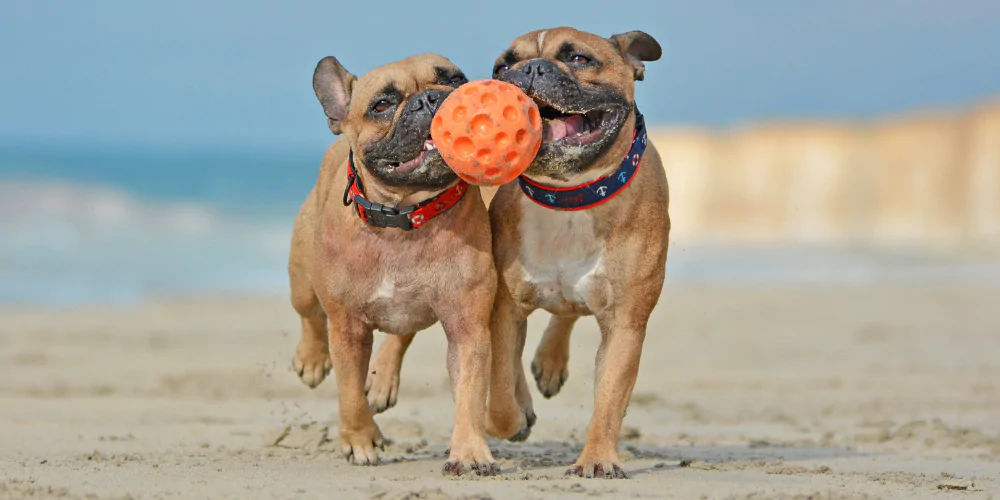
What is brachycephalic syndrome?
Brachycephalic syndrome – often called brachycephalic obstructive airway syndrome (BOAS) – is a group of airway abnormalities commonly seen in flat-faced pets.
Because these animals have shorter skulls and compressed airways, breathing can become more difficult.
Common issues include:
- Elongated soft palate – the end of the palate is too long and thick for the face, causing it to block the back of the throat
- Stenotic nostrils (nares) – the nostrils are narrow or pinched, making it more difficult to breathe
- Everted laryngeal saccules – the tissue in front of the vocal cords is pulled into the windpipe, partially blocking airflow
- Hypoplastic trachea – the windpipe is narrower than normal
These conditions can range from mild to severe and often worsen over time.
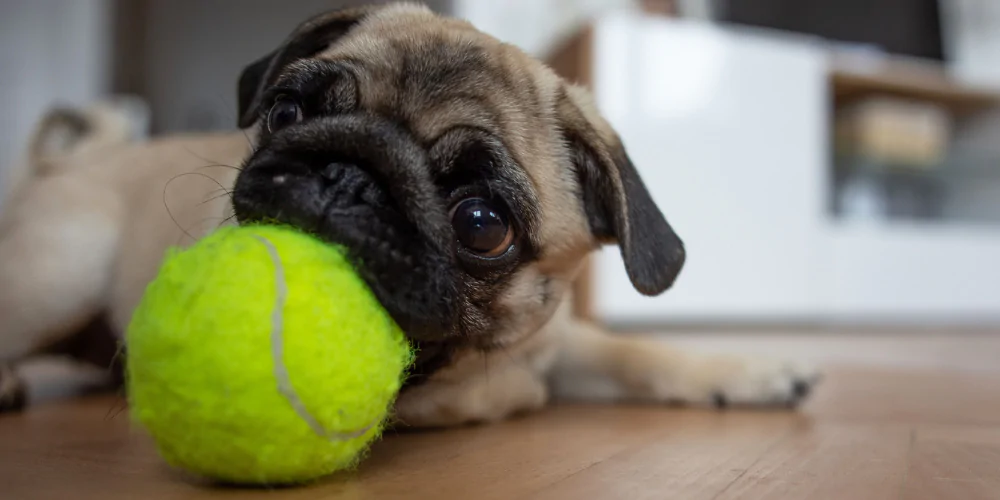
Signs and symptoms of brachycephalic syndrome
Some flat-faced pets show symptoms from a young age, while others develop more noticeable problems later on.
Common signs include:
- Loud or noisy breathing
- Snoring while awake or asleep
- Retching or gagging
- Difficulty exercising
- Heat intolerance
- Collapse after excitement or exertion
- Blue-tinged gums or tongue in severe cases
Many owners assume snorting and snoring are normal for flat-faced breeds, but they can actually be signs of restricted breathing.
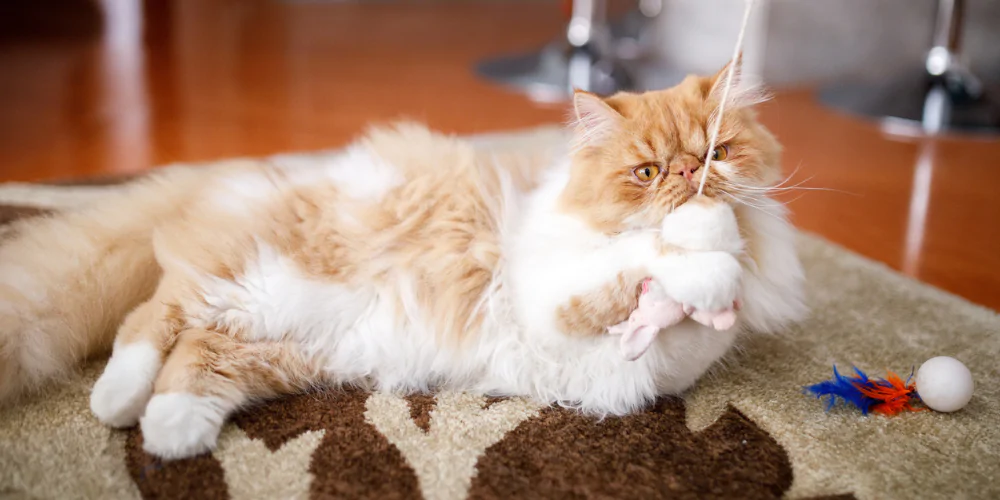
Other health problems for flat-faced pets
Brachycephalic pets can also be more prone to a range of related health conditions.
Eye problems
Their prominent eyes and shallow eye sockets can increase the risk of:
- Eyelids that don’t completely close, causing a black pigment to build up and ulcers to develop
- Abnormal eyelashes that can cause irritation and injury to the eye
- Tears not draining properly, leading to eye discharge, tear staining and eye infections
Dental issues
Because their jaws are shortened, teeth may become overcrowded.
This can lead to:
- A misaligned jaw, making chewing and biting difficult
- Increased risk of tooth decay and gum disease
Find out more about caring for your dog’s teeth and looking after your cat’s teeth.
Skin fold infections
Deep facial folds can trap moisture and bacteria, causing:
- Redness and irritation
- Yeast infections
- Unpleasant odours
Spinal and neurological conditions
Some breeds may develop spinal abnormalities or neurological issues linked to their body shape.
Obesity
Breathing difficulties can make exercise harder, increasing the risk of weight gain – which in turn can worsen BOAS symptoms.
Find out more about helping your dog lose weight and maintaining a healthy weight for your cat.
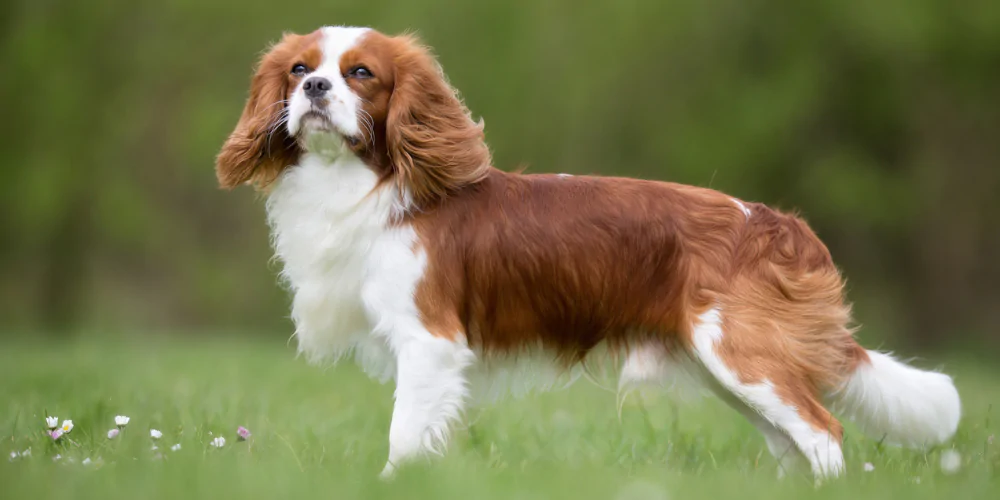
How common are brachy pets?
According to Blue Cross, brachycephalic breeds make up about a fifth of the nation’s dogs – roughly two million.
Flat-faced pets experienced a surge of popularity over the last two decades – in many cases influenced by social media, celebrities and advertising.
Although recent figures suggest a slowing of this trend. According to The Kennel Club in 2023, there were 42% fewer registrations of Pugs, 39% fewer of English Bulldogs and 34% fewer of French Bulldogs.
Dan O’Neill is Chair of the Brachycephalic Working Group (BWG), comprising vets, national animal welfare organisations, scientists and dog breed clubs. He said:
“We hope this is a sign that more and more puppy buyers, owners and breeders are considering the serious health and welfare implications for flat-faced dogs.
“This is particularly important if these dogs are bought on an impulse because they ‘look cute’ but without proper understanding of their potential health issues or how indiscriminate breeding to meet demand results in poor welfare.”
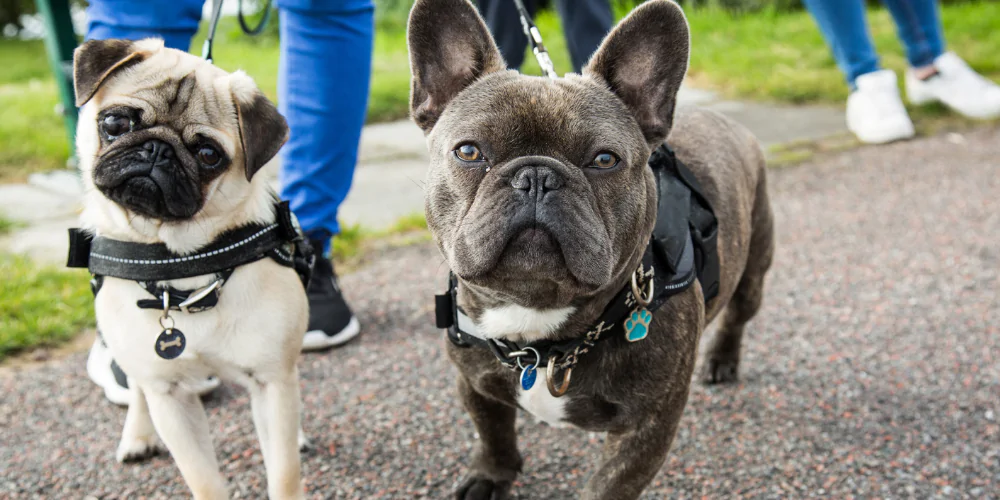
Which dog breeds are brachycephalic?
Many popular dog breeds fall into the brachycephalic category.
Small and medium-sized flat-faced breeds
- French Bulldog
- Pug
- Bulldog
- Boston Terrier
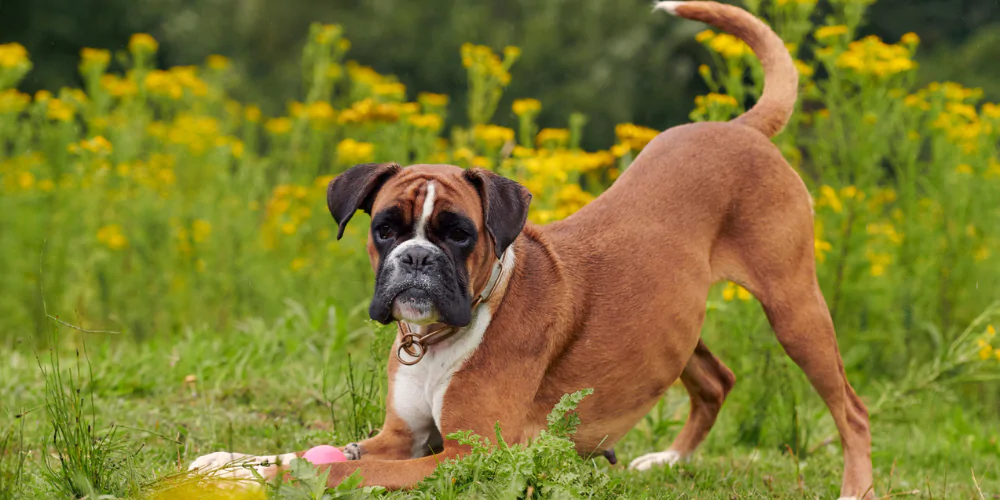
- Boxer
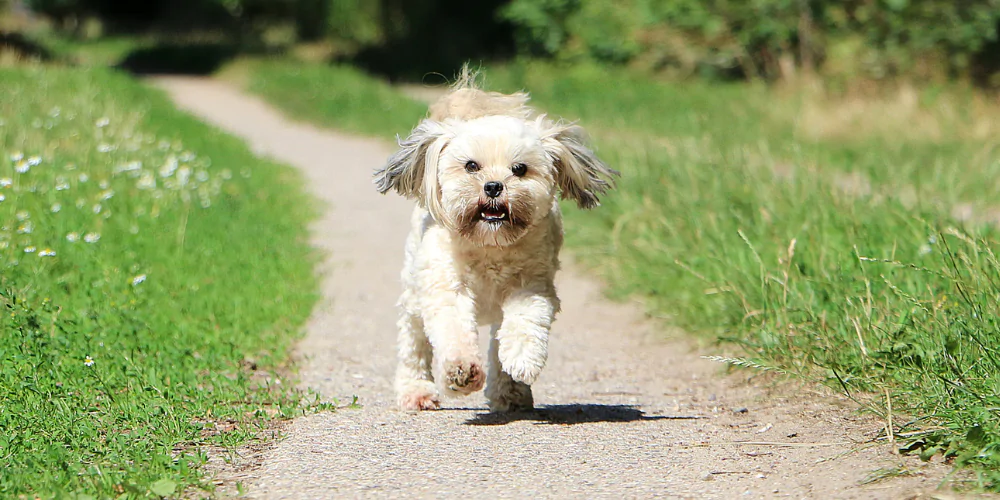
- Shih Tzu
- Pekingese
- Cavalier King Charles Spaniel
- Lhasa Apso
- Affenpinscher
Larger brachycephalic breeds
- Bullmastiff
- Cane Corso
- Dogue de Bordeaux
- Shar Pei
- Chow Chow
Some pet insurers may apply restrictions or exclusions to certain brachycephalic breeds, so it’s always worth checking policy details carefully.
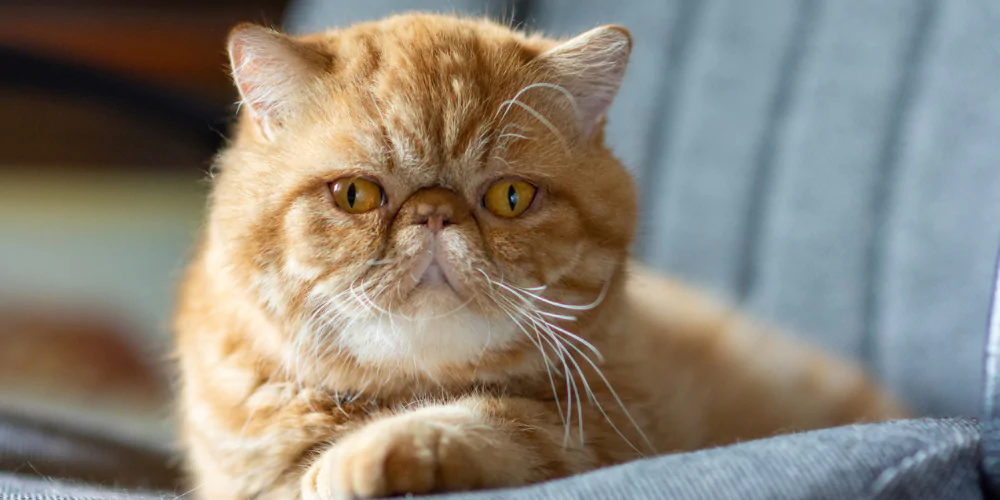
Which cat breeds are brachycephalic?
Brachycephaly is less common in cats, but several breeds are affected.
Popular flat-faced cat breeds include:
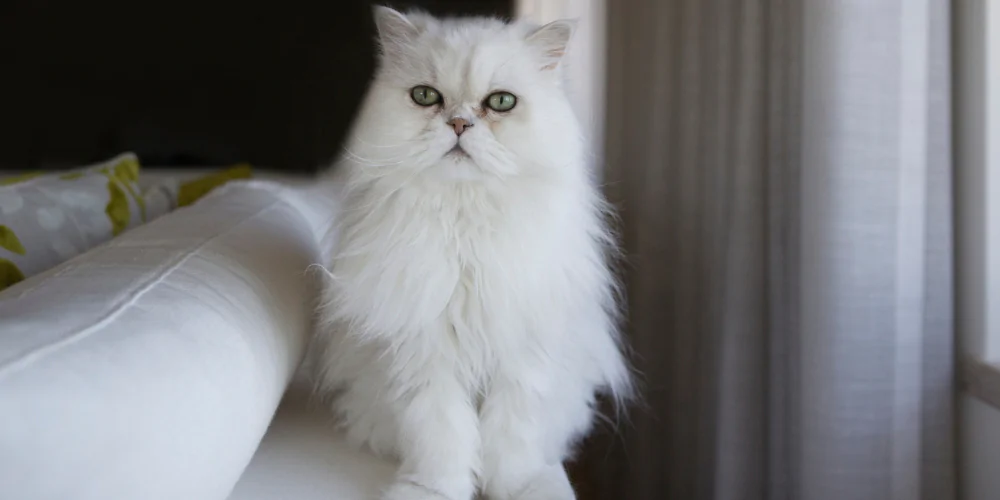
- Persian
- Exotic Shorthair
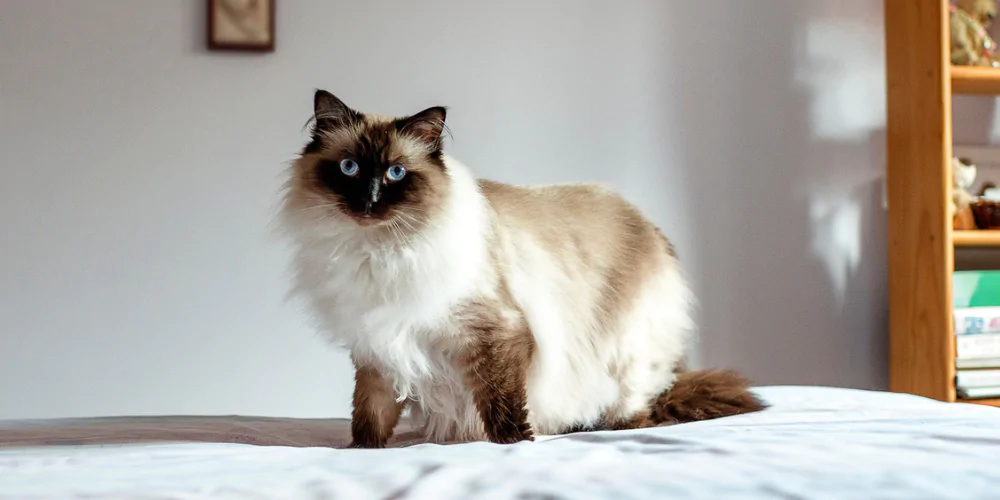
- Himalayan
Some other breeds – including British Shorthairs and Scottish Folds – may also show brachycephalic characteristics.
How do vets diagnose BOAS?
Vets diagnose brachycephalic syndrome through a physical examination and assessment of your pet’s breathing.
They may check:
- Nostril size
- Soft palate length
- Airflow restriction
- Breathing sounds and effort
In some cases, sedation or imaging may be needed to fully assess the airway and determine how severe the condition is.
Treatment options for brachycephalic syndrome
Treatment depends on how badly your pet is affected.
Weight management
Keeping your pet slim is one of the most important ways to reduce symptoms.
Your vet may recommend:
- Controlled exercise
- Calorie-managed diets
- Weight monitoring
Find out more about weight control for dogs and how to help a cat lose weight.
Medical treatment
Short-term treatments can include:
- Oxygen therapy
- Anti-inflammatory medication
- Cooling support during breathing crises
Surgery
For more severe cases, surgery may help improve airflow and quality of life.
Common procedures include:
- Widening the nostrils
- Shortening the soft palate
- Removing collapsed tissue in the airway
Many dogs show significant improvement after surgery, especially when treated early.
How much does BOAS surgery cost?
The cost of BOAS surgery can vary depending on:
- Your location
- The complexity of the surgery
- Your veterinary practice
In the UK, prices tend to cost between £1,100 and £2,300 according to the charity All Dogs Matter. But more complex procedures can cost considerably more.
Costs might include:
- Anaesthesia
- Hospital care and monitoring
- Medication
- Follow-up appointments
Does pet insurance cover BOAS surgery?
Some pet insurance policies may cover surgery for brachycephalic obstructive airway syndrome, depending on the policy terms and whether the condition is classed as pre-existing.
With a Petgevity Lifetime Plus policy, pre-existing conditions are considered subject to acceptance*.
It’s always important to check:
- Whether BOAS is covered
- Any exclusions or waiting periods
- Breed-specific conditions within your policy wording
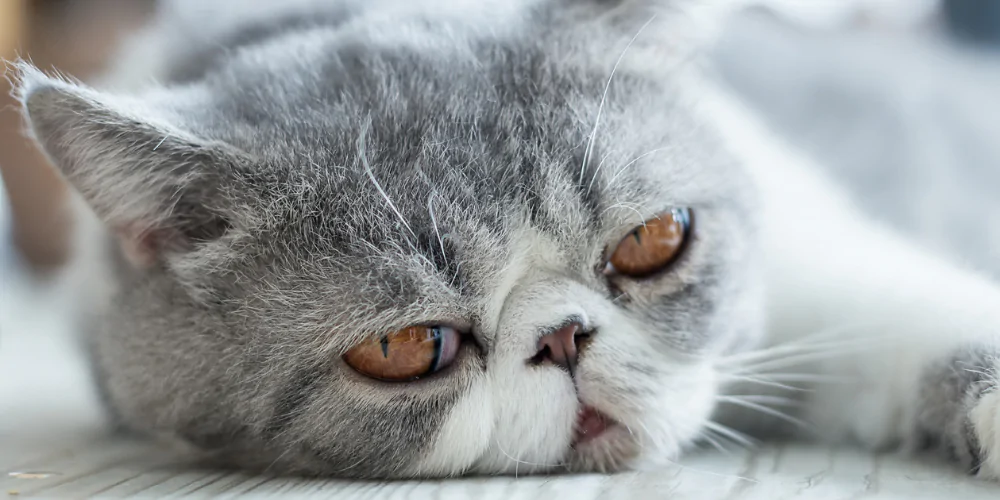
Caring for a brachycephalic pet
As we’ve seen from their breed characteristics, flat-faced cats and dogs need extra care and attention. If you’re ever worried about your pet’s health, always speak to your vet. Petgevity customers have free 24/7 access to video calls with a FirstVet vet if they need expert advice.
Here’s some ways to manage their symptoms and keep them as healthy as possible:
Help them stay cool
Brachycephalic pets struggle in hot weather because they can’t regulate heat as efficiently.
Try to:
- Walk dogs during cooler parts of the day
- Avoid strenuous exercise in warm weather
- Keep fresh water available at all times
Find out more about helping your dog to stay cool in warm weather.
Maintain a healthy weight
Even small amounts of extra weight can worsen breathing difficulties.
Use a harness instead of a collar
Harnesses can reduce pressure on your dog’s airway during walks.
Keep up with dental and skin care
Regular cleaning and health checks can help prevent infections and discomfort.
Watch for signs of breathing distress
If your pet suddenly struggles to breathe, collapses or develops blue gums, contact a vet immediately.
Further reading:
*Cover for pre-existing medical conditions is subject to acceptance. Conditions will only be covered if declared and shown on your Confirmation of Cover.

