UK’s Pet Longevity Zones: Where Cats & Dogs Live Longest

Nadeesha Fernando
14 October 2025
UK’s Pet Longevity Zones Revealed – Homes of the Cats and Dogs that Live the Longest and Healthiest Lives
Every pet parent dreams of more time with their furry family members – more walks, cuddles and happy memories together. As a pet insurance provider that champions longer, healthier lives for cats and dogs, we at Petgevity carried out extensive research to discover where in the UK our trusty companions are living the longest and what helps them stay happy, active and healthy pets for years to come.
The UK’s Pet Longevity Zones: The Top Cities for Long Cat and Dog Lifespans
Our latest research has revealed the UK’s Pet Longevity Zones – the top 10 cities where cats and dogs are living their longest and healthiest lives.
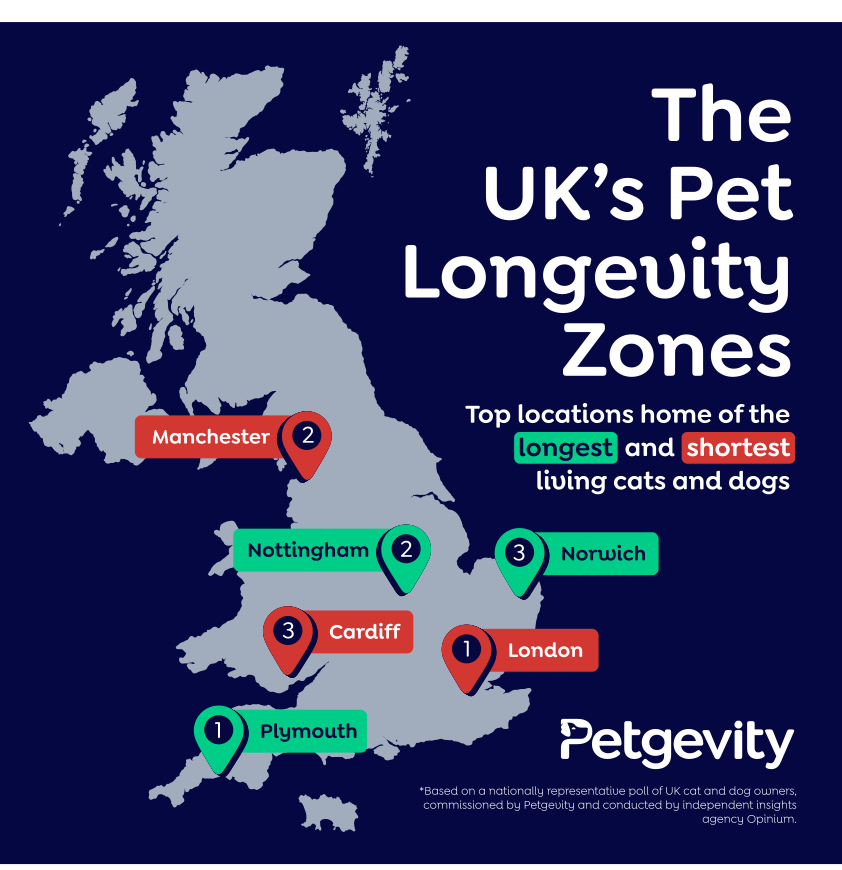
Taking the crown is Plymouth, followed by Nottingham and Norwich, with these regions coming out on top for pet lifespan and wellbeing.
| Rank | City | Average Pet Lifespan (Years) |
|---|---|---|
| 1 | Plymouth | 9.1 |
| 2 | Nottingham | 8.1 |
| 3 | Norwich | 7.9 |
| 4 | Southampton | 7.7 |
| 5 | Liverpool | 7.5 |
| 6 | Edinburgh | 7.3 |
| 7 | Brighton | 7.2 |
| 7 | Glasgow | 7.2 |
| 9 | Bristol | 7.0 |
| 10 | Belfast | 6.7 |
Interestingly, some of the UK’s biggest cities – including London, Manchester and Cardiff – sit at the other end of the scale. This suggests that the major, densely populated, urban city life might not always be the best environment for our pets to thrive, compared with mid-sized cities which offer quieter streets, more green space and a generally slower pace of life for pets.
| Rank | City | Average Pet Lifespan (Years) |
|---|---|---|
| 1 | London | 6.0 |
| 2 | Manchester | 6.1 |
| 3 | Cardiff | 6.2 |
Nature vs Nurture: What Influences Pet Longevity and Lifespan?
When it comes to how long cats and dogs live, UK pet owners are taking their animals’ needs more seriously than ever.
A third (33%) of UK pet owners say that their pet’s needs are a top priority when choosing where to live, while over two thirds (68%) would even consider moving to a different city or region if it meant their cat or dog could live a better life.
But the research also shows that pet longevity is more than just location. Over half (51%) of pet owners believe that genetics and lifestyle play an equal role in dog and cat lifespan, whilst almost a quarter (22%) think environment and routine matter most.
Our research shows that the below factors are the most important for our pets’ longevity:
- A nutritious diet (63%)
- Access to a trusted vet (42%)
- Love and companionship (39%)
- Regular exercise and time outdoors (37%)
- Good genetics (34%)
How To Improve Pet Health and Wellbeing
Despite growing awareness, there’s still a lot more that we can do to support our pets as they age.
Only 55% of owners regularly manage their pet’s weight, exercise and grooming, and fewer than two thirds (61%) keep up with annual vet visits, yet these small habits can significantly improve pet health and lifespan.
That’s why Petgevity has teamed up with Dr Nicole Oleswinski.
BVSc MRCVS Registered Veterinary Surgeon to share practical wellbeing tips for both older cats and older dogs, because it’s never too late to help your pet live healthier, for longer.
Caring for an Old Cat: 5 Expert Tips to Help Them Live Longer
- Rethink their diet – Older cats need fewer calories but higher quality protein to maintain muscle and a healthy weight.
- Limit solo outdoor time – As their senses decline, so does their agility. Keep senior cats safe and supervised during outdoor adventures.
- Help your old cat with grooming – A little help can keep their coat healthy and reduces stress.
- Avoid overexertion – Skip the high jumps and intense play, instead opting for gentle stimulating activities.
- Book regular vet checks – Older cats are experts at hiding signs of illness, so early detection is key to extending cat lifespan.
Old Dog Care: 5 Simple Ways to Support Their Health and Longevity
- Spread out their exercise – Short, gentle walks are kinder than one long session and help maintain a healthy dog lifespan.
- Adjust their diet – Lower calorie, joint-supporting food is ideal for older dogs to prevent weight gain and stiffness.
- Keep training – Mental exercise keeps dogs sharp, confident and content as they age.
- Adapt your home – Soft bedding and non-slip mats can prevent injury and improve comfort for your old dog.
- Monitor small changes – Accidents or stiffness may indicate underlying issues, not just age. Regular vet visits are essential.
Supporting Pet Longevity Across the UK with Older Pet Insurance
At Petgevity, we believe that pets are family – and every wag, purr and cuddle deserves to last as long as possible. That’s why we offer flexible, fair pet insurance for older cats and dogs that supports pets of all ages, including those with pre-existing medical conditions through our Lifetime Plus policies.
We’re passionate about helping healthy pets of all ages live longer, happier lives. To meet some of the UK’s thriving senior pets, including 16-year-old rescue cats, Mr Gum and Billy William, who have shared a home in Glasgow for over 15 years, head to our case studies page.