Worming your dog
A complete owner’s guide to how to worm your dog

Dr Lily Richards BSc (Hons) BVSc MRCVS
20 January 2026
| 4 minutes read
Protecting your dog’s health means guarding them against parasites such as worms and ticks, which can quietly cause serious problems if left untreated.
From how dogs pick them up to spotting the warning signs, regular worming is a key part of responsible pet care.
Veterinary surgeon Dr Lily Richards explains how worms affect dogs, how to recognise an infection, plus the best ways to treat and prevent them.
- How dogs catch worms
> Why regular worming matters - Signs your dog may have worms
> What different dog worms look like - How quickly worming treatments work
- Preventing worms in dogs
> How often should dogs be wormed? - Common questions about worming
> Do worming tablets cause side effects?
> Is it safe to worm a pregnant dog?
> Can humans catch worms from dogs?
How dogs catch worms
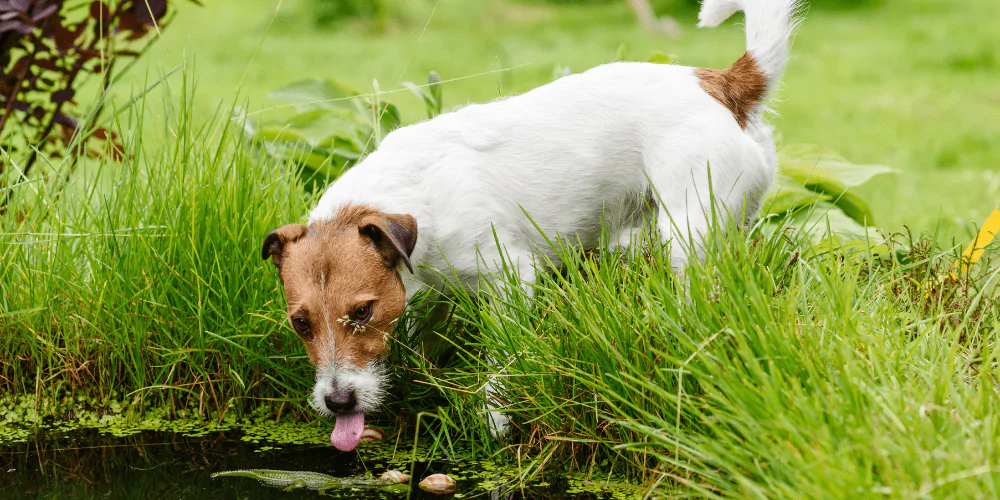
Dogs can become infected with worms in several everyday ways, including:
- Drinking water that contains worm larvae or eggs
- Eating the faeces of infected animals
- Picking up microscopic eggs from soil, grass or mud
Puppies are particularly vulnerable, as worms can be passed from mother to pup either during pregnancy or through milk while nursing.
Why regular worming matters
If worms aren’t treated promptly, they can lead to a range of health issues such as digestive upset, weight loss and anaemia.
In severe cases – especially in puppies, elderly dogs or those with weakened immune systems – worm infestations can be life-threatening. This is why routine worming and early treatment are essential for keeping your dog well.
Signs your dog may have worms
Common symptoms of worms in dogs include:
- Visible worms in poo or around the anus
- Increased appetite without weight gain
- Unexplained weight loss
- Lethargy or weakness
- A dull or poor-quality coat
- Diarrhoea
Worms aren’t always easy to spot, and some dogs show very mild symptoms. If you’re concerned, contact your vet before the condition worsens.
What different dog worms look like
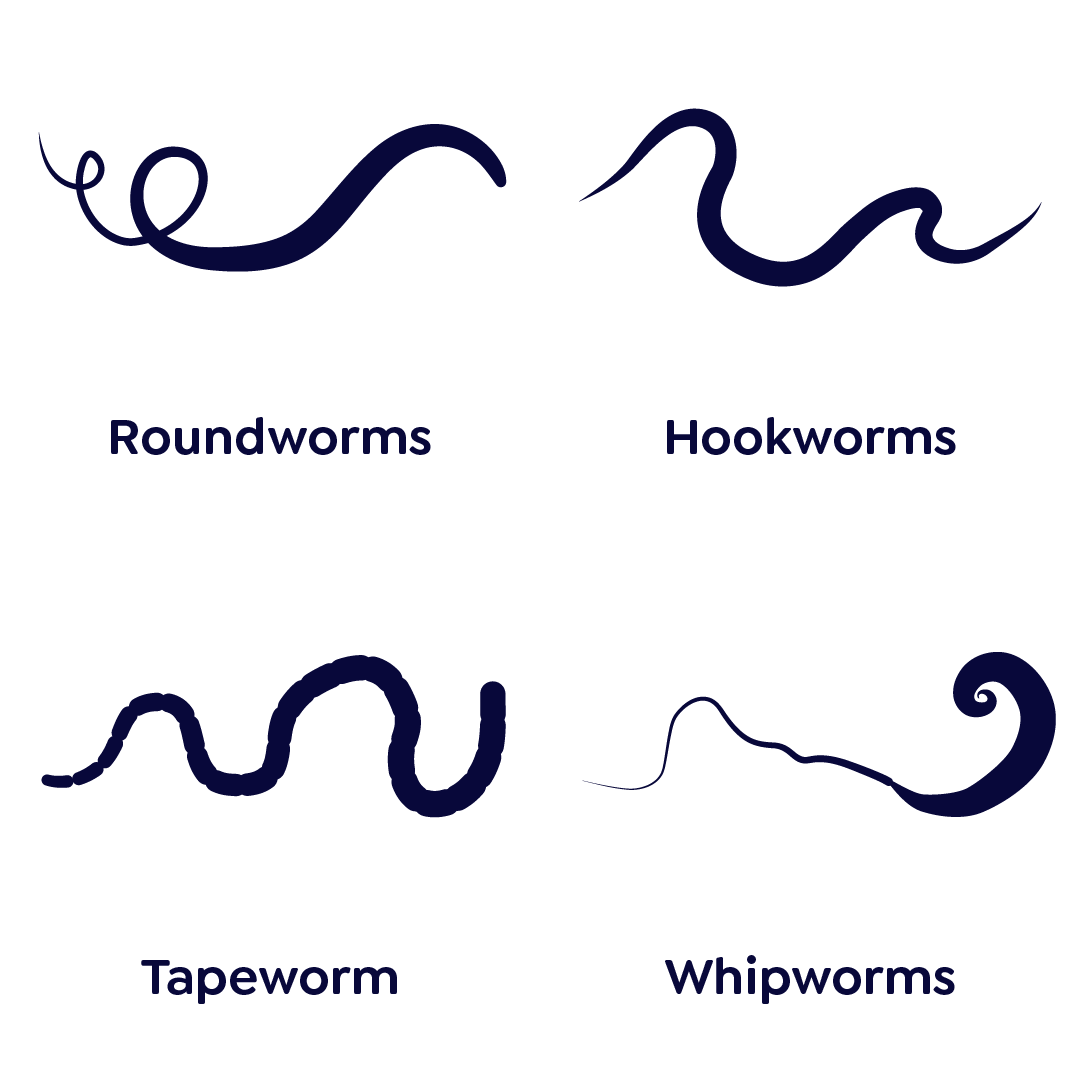
Several types of worms can affect dogs. The most commonly seen include:
- Roundworms – long, pale worms resembling spaghetti
- Tapeworms – small segments that look like grains of rice
- Hookworms – very small, thin worms
- Whipworms – shaped like a whip, thicker at one end
Avoid trying to diagnose the type yourself. If you spot worms, safely collect a sample and take it to your vet, who can identify the parasite and prescribe the correct treatment.

How quickly worming treatments work
The time it takes for worming tablets to work depends on the type of worm and how severe the infestation is – something your vet can advise on.
In most cases, treatment kills existing worms within 24 hours. However, worming tablets don’t prevent reinfection, which is why ongoing preventative treatment is so important.
It’s also vital to keep up to date with flea treatments, as fleas can carry tapeworm eggs and reintroduce infection.
Preventing worms in dogs
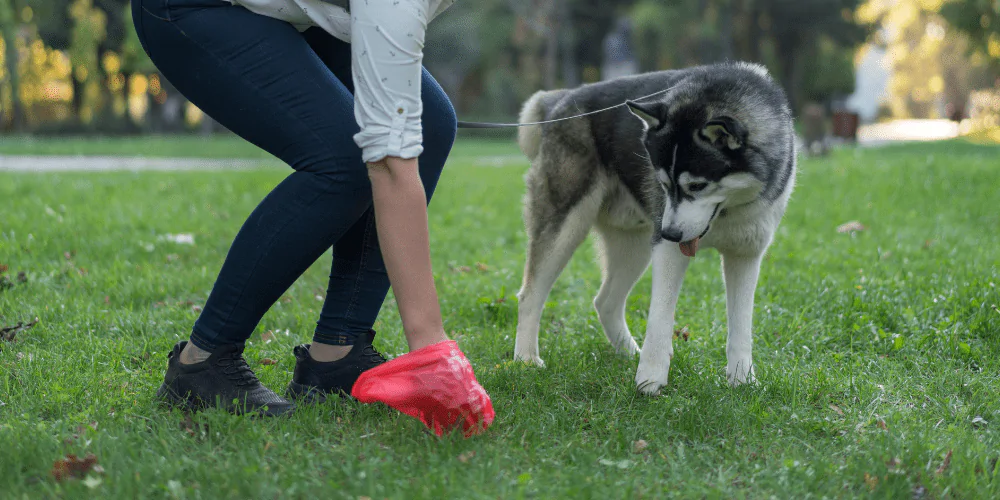
Regular worming is the most effective way to protect your dog from worms, but there are additional steps you can take to reduce the risk:
- Clear up dog mess promptly
- Prevent your dog from eating faeces
- Wash food and water bowls daily
- Avoid leaving water bowls outdoors
- Clean your home with pet-safe disinfectants
- Ensure all pets in the household are wormed
How often should dogs be wormed?
Worming schedules vary depending on your dog’s age, lifestyle and exposure risk.
Puppies should be wormed every two weeks until 12 weeks old, then monthly until six months
Adult dogs should usually be wormed at least every three months, though some may need more frequent treatment
Your vet will recommend a schedule tailored specifically to your dog’s needs.

Common questions about dog worming
Do worming tablets cause side effects?
Some dogs may experience mild side effects such as vomiting or diarrhoea after worming, but these symptoms are usually short-lived.
If your dog appears unwell or symptoms persist, speak to your vet for advice.
Is it safe to worm a pregnant dog?
Yes – pregnant dogs can be wormed safely using products designed specifically for use during pregnancy.
Vets commonly recommend worming:
- Before mating
- After 45 days of pregnancy
- Following the birth of the puppies
In some cases, ongoing treatment throughout pregnancy may be advised, so always follow your vet’s guidance.
Can humans catch worms from dogs?
While certain worms can pass from dogs to humans, this is relatively uncommon. Most canine worms cannot survive in people.
Good hygiene – such as washing hands after handling dogs and keeping up with regular worming – significantly reduces any risk.
Should dogs be wormed even if they don’t show symptoms?
Yes. Many dogs with worms show few or no obvious signs, especially in the early stages of an infestation. Even healthy-looking dogs can carry worms and pass them on to other animals or contaminate their environment.
Routine worming helps protect your dog before problems develop and reduces the risk of worms spreading to other pets or, in rare cases, humans. Your vet can advise on the safest timing.
Take care of your favourite four-legged pal with flexible dog insurance from Petgevity.

