
How to worm a cat
Here’s how to treat your cat for worms, and what to look out for

Dr Lily Richards BSc (Hons) BVSc MRCVS
17 December 2025
| 4 minutes read
Worms are a frequent nuisance for cats, and no pet owner wants to discover that their beloved feline is harbouring unwanted wrigglers.
Veterinary surgeon Dr Lily Richards outlines how to recognise the signs of worms, what to do if your cat is infected, and the best ways to stop worms taking hold in the first place.
- How do cats become infected with worms?
> Can a house cat still get worms? - Signs your cat may have worms
> What do cat worms look like? - How to treat worms in cats
- How to prevent worm infections in your cat
> How frequently should you worm your cat? - Additional questions about worming your cat
> Is it safe to worm a pregnant cat?
> Can people catch worms from cats?
> Should I give a worming treatment or a flea treatment first?
> How long should I leave between worming and flea treatments?

What are worms in cats?
Cat worms are internal parasites that live inside your feline’s digestive system, feeding off nutrients from their host. They’re more common than many owners realise, and while some infections cause only mild discomfort, others can lead to serious health problems if left untreated.
There are several types of worms that cats can pick up:
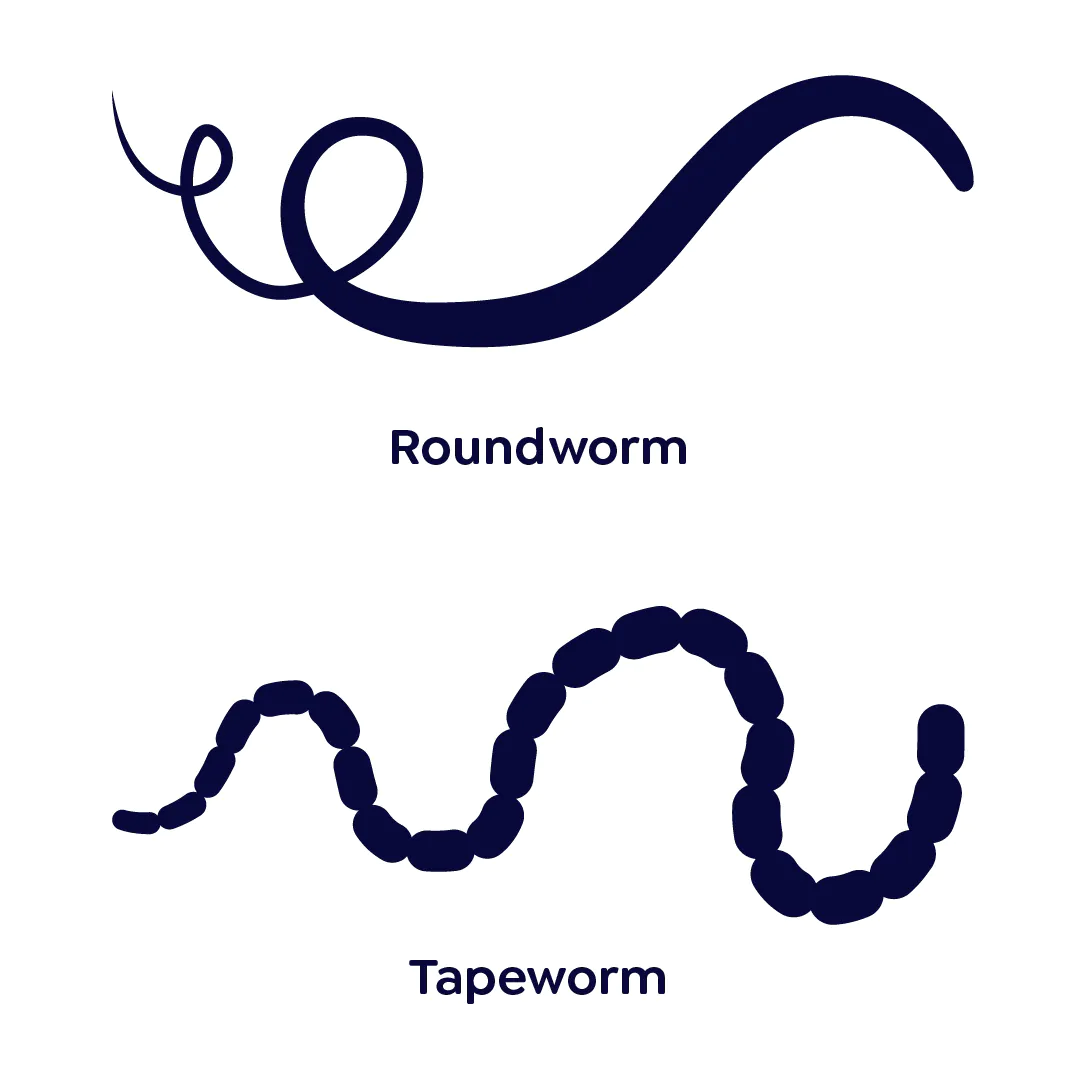
- Roundworms – long, spaghetti-like worms that often affect kittens, causing a pot-bellied appearance, diarrhoea or poor growth
- Tapeworms – flat, segmented worms that can resemble grains of rice around the cat’s bottom or in bedding. These are usually picked up from fleas or hunting small prey
- Hookworms – smaller worms that attach to the intestinal wall and feed on blood, sometimes causing anaemia or weakness
- Lungworms – less common, these worms live in the lungs and can cause coughing, breathing difficulties or lethargy
How do cats become infected with worms?
Cats pick up worms by ingesting worm eggs or larvae. This can happen in several ways, including:
- Eating infected prey such as birds or rodents
- Coming into contact with contaminated soil or faeces
- Swallowing fleas during grooming, as fleas can carry tapeworm larvae
- Kittens can also be infected if their mother has worms, as the parasite can be passed on through her milk
Can a house cat still get worms?
Yes – even house cats can end up with worms.
Although their risk is lower, they can still be exposed to parasites via people, other pets, or any fleas that make their way indoors. Fleas are the main carriers of tapeworms, so even indoor cats aren’t completely safe.
Signs your cat may have worms
Some cats show no obvious signs, so it’s not always easy to spot an infestation. Clues to look for include:
- Worms visible in faeces, vomit or on bedding
- Diarrhoea or constipation
- Losing weight while still eating well
- A rounded, bloated tummy – especially in kittens
If you notice any of these symptoms, book a vet appointment.
> What do cat worms look like?
Cats are typically affected by two main types of worms:
- Roundworms – long, pale and spaghetti-like, often seen in stools or vomit
- Tapeworms – short, flat segments resembling rice grains, usually found around the bottom or in bedding
How to treat worm infections in cats
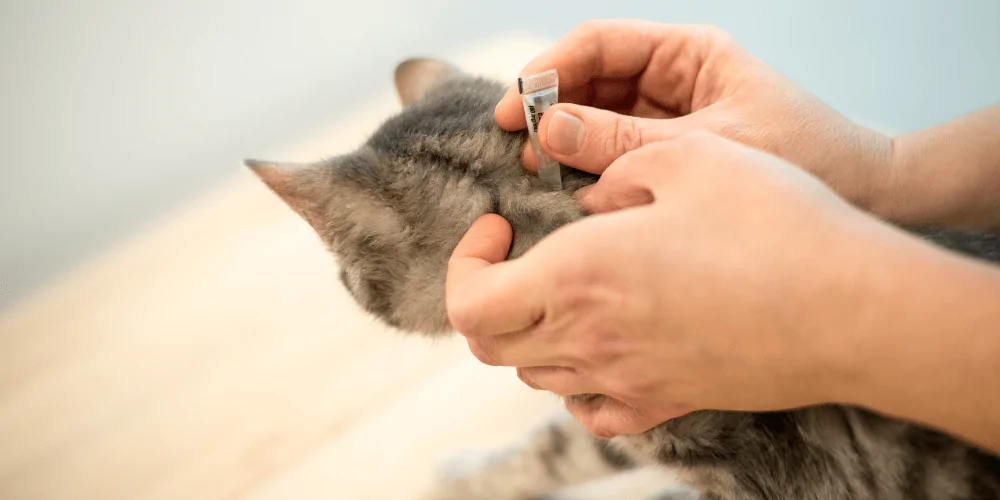
Dealing with worms is usually simple: your vet will prescribe either a tablet or a spot-on treatment that kills the parasites.
To reduce the chance of reinfection, make sure your cat stays up to date with routine worming – and keep on top of flea prevention too, since fleas can pass tapeworm eggs to your cat.
How to prevent worm infections in cats
Your vet can recommend a regular worming schedule and treatment that suits your cat’s age, habits, and health. These usually come as tablets or spot-on liquids.
You can help minimise the risk further by:
- Keeping the home clean with pet-safe disinfectants
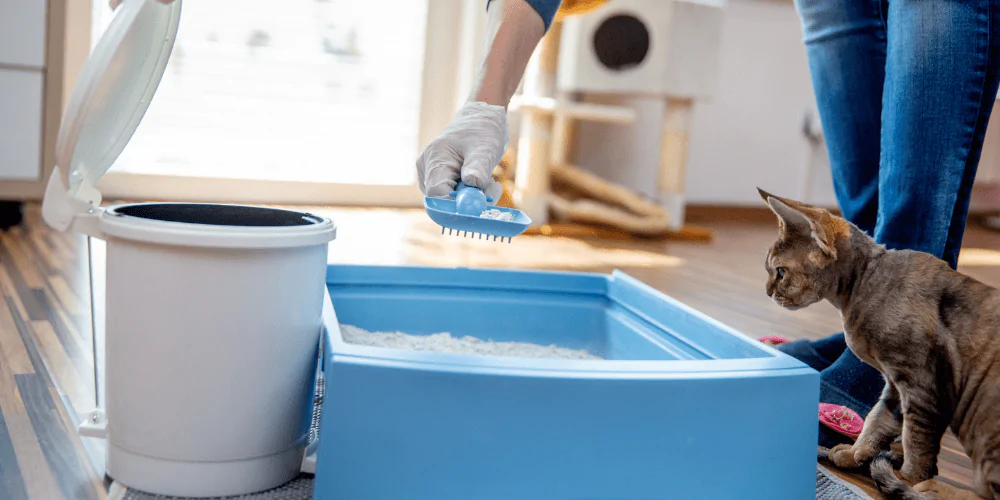
- Scooping and cleaning litter trays daily
- Maintaining flea and worming treatments for any other pets in the household
How frequently should you worm your cat
How frequently you should worm your cat depends on their life stage and how they live:
- Kittens – Every two weeks until 12 weeks old, then monthly until six months
- Adult cats – At least once every three months, though outdoor cats or keen hunters may need more frequent protection

Additional questions about worming your cat
Is it safe to worm a pregnant cat?
Ideally, worming should take place before mating. However, there are safe products available for pregnant cats. Speak to your vet for guidance tailored to your queen’s needs.
Can people catch worms from cats?
Cat worms can occasionally be transmitted to humans through contact with contaminated faeces or soil. You can reduce the risk by:
- Washing hands thoroughly after handling litter trays
- Keeping your cat on a regular worming programme
- Covering any children’s sandpits to prevent cats using them as toilets
Should I give a worming treatment or a flea treatment first?
Most vets recommend worming before flea treatment, as some wormers also tackle certain flea stages. Your vet will advise on the correct order based on the products you’re using.
How long should I leave between worming and flea treatments?
Flea treatments can usually be given a few days after worming, but this varies between products. Always follow your vet’s instructions or the guidance on the packaging.
What if my cat still has worms after being treated?
If worms persist after a course of treatment, consult your vet. They may recommend a different product, check for underlying health issues or take a faecal sample to identify the specific type of worm. Follow-up treatment is important to ensure the infestation is fully cleared.
Look after your favourite feline with flexible cat insurance from Petgevity.

