Coping with kitten regret
Vet advice on why it happens and how to deal with new kitten anxiety.

Allie Simpson
2 March 2026
| 7 minutes read
Bringing home a kitten is super exciting. The purring, the playful zoomies, the tiny paws padding around your home – you’ll almost certainly fall in love instantly.
But what if, after the initial joy fades, you start feeling anxious, overwhelmed or unsure? If you’re experiencing what’s often called kitten regret, you’re not alone. Learn why these feelings happen and discover practical ways to manage them.
- Before getting a kitten, do your research
- Why you might feel anxious getting a kitten
- Practical ways to cope with kitten anxiety
Is it normal to regret getting a kitten?
Absolutely!
Welcoming a kitten into your life is a big adjustment. It’s normal to feel unsettled while you both adapt to a new routine. Feeling stressed or questioning your decision doesn’t mean you don’t care. In fact, it often means you care deeply and want to get things right.
A cat is a long-term commitment. In the UK, the average lifespan of a cat is around 14 years, and many live well into their late teens or even early twenties. That’s a significant responsibility, and it’s natural to feel the weight of it at first.
Thinking about getting a kitten? Do your research first
If you’re still in the decision stage and worried about possible regret, the key is preparation.
Before choosing a kitten, consider the following:
Breed and temperament
Different breeds (and crossbreeds) vary in energy levels, sociability and enrichment needs. A high-energy breed may not suit a quieter household.
Your lifestyle
Do you have enough time for daily interaction and play? Kittens need plenty of stimulation and company, especially in the early months.
Financial commitment
Beyond bowls and toys, there are ongoing costs including:
- Quality food
- Litter
- Routine vaccinations and boosters
- Flea and worm treatments
- Neutering
- Cat insurance
- Unexpected vet care
Check out our new kitten checklist for a full list of what you’re likely to need.
According to government-backed personal finance organisation Moneyhelper, the average cost of cat ownership in the UK is around £1,500 a year, taking all costs into account. A bit of a whack to factor into your budget, and that’s before you consider…
Holiday care
Who will look after your kitten if you travel? It’s important to remember that cats are territorial, and generally prefer to stay at home.
Plus they’re not as low maintenance as some people think. If you get someone to call round, they’ll need to spend a bit of time feeding them, cleaning their litter tray, playing and keeping them company. If you can get a friend, family member or neighbour to do this, great. If not, it’s another cost.
Here are more considerations for what to do with your pet if you go on holiday.
Why you might feel anxious after getting a kitten
There are several common triggers for kitten-related stress.
Lifestyle changes
Your daily routine shifts quickly. You might find yourself:
- Budgeting more carefully
- Spending significant time on play and enrichment
- Avoiding long periods away from home
- Worrying about leaving your kitten alone
Even positive change can feel overwhelming sometimes. This is completely normal.
Health worries
Kittens commonly experience mild tummy upsets when they first settle in due to stress and environmental change. This can be worrying if you’re a new owner.
It’s also normal to feel anxious about potential future health issues. Making sure their healthcare – such as jabs and worming treatments – is up to date can help ease those concerns. And having cat insurance in place as a financial safety net can help too.
Damage around the house
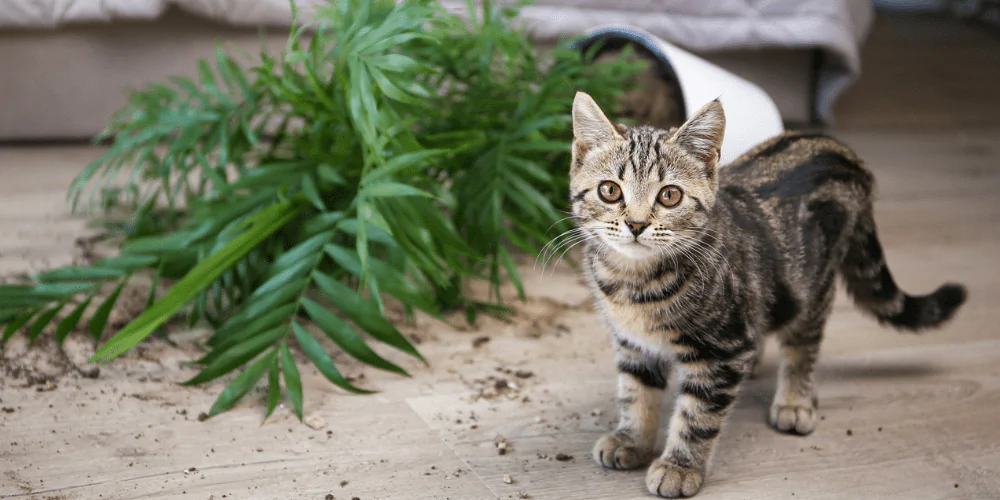
Scratched furniture. Clawed carpets. Knocked-over ornaments.
Kittens explore with curiosity and sharp claws. While this behaviour is normal, it can feel frustrating – especially if you’re already feeling stretched.
Behavioural challenges
You might encounter:
- Scratching in the wrong places
- Night-time activity
- Urine marking during stress
- Overexcitement during play
These behaviours are often part of normal development, and can be managed with a little helpful guidance.
Practical ways to cope with kitten anxiety
If you’re feeling overwhelmed, making small adjustments can make a big difference.
Create a kitten-friendly environment
A well-prepared space will hopefully reduce stress for both of you.
- Set up a quiet room with food, water and a litter tray placed away from bedding
- Remove breakable items entirely, not just ‘out of reach’
- Replace toxic houseplants with cat-safe alternatives, and make your garden cat-friendly
- Provide vertical spaces such as shelves or cat trees
- Offer a variety of scratching posts, ideally with different materials and angles
Top tip: Place scratching posts near areas your kitten is already targeting and reward them for using the correct surfaces.
Speak to your vet
If your kitten has a digestive upset or seems unwell, contact your vet. Mild stomach issues are common in the settling-in phase, and probiotics may be recommended.
Make sure primary vaccinations are completed and boosters scheduled. Staying on top of preventative care helps reduce anxiety about illness.
Note that if you have a Petgevity policy, you get unlimited video calls to expert vets FirstVet included. By using this, you can get reassurance without setting foot out of your front door.
Learn to read your kitten’s communication
Understanding your kitten can help you feel more in control.
Pay attention to:
- Body language, such as their tail position, ear posture or pupil size
- Different vocalisations
- Signs of stress such as hiding, over-grooming or litter tray changes
Recognising these cues early gives you a heads-up as to when something might be wrong, before things get worse.
Connect with other cat owners
Online forums and local pet groups can provide tips, support and reassurance. Hearing that others have gone through similar stages can help normalise your experience.
Just remember: every cat is an individual… It’s best to avoid comparing your kitten’s progress to others.
Arrange trusted care options
If you feel anxious about leaving your kitten:
- Ask a friend or family member if they can stay in your home
- Research reputable local catteries, and be sure to visit their premises in advance
- Choose a cat-sitter or boarder that provides updates while you’re away
Seek behavioural support if needed
If your kitten has persistent unwanted behaviours, you could consider speaking to a qualified feline behaviourist.
And check your pet insurance policy, as it may cover behavioural consultations. Petgevity cat insurance policies cover behavioural treatment, for example, provided they’ve been advised by a vet.
Give yourself – and your kitten – time
Bonding isn’t always instant. Some kittens settle within days, while others take weeks. There’s no fixed timeline.
Try to focus on small daily wins. Celebrate progress, even if it feels minor. Over time, routines will become easier, behaviour should improve and confidence will grow – for both of you.
Feeling kitten regret doesn’t mean you’ve made a mistake. It means you’re adjusting to a new chapter. With patience, preparation and support, those early doubts often transform into a deep, rewarding companionship.
And one day, the tiny whirlwind currently causing chaos will be the calm, familiar presence curled up beside you – and you’ll barely remember the wobble at the beginning.
Find out more about how to care for your kitten when you first bring them home.

