“My Dachshund’s surgeries nearly cost me £17,000”
One owner’s nerve-racking IVDD story.
Owe Carter
8 July 2026
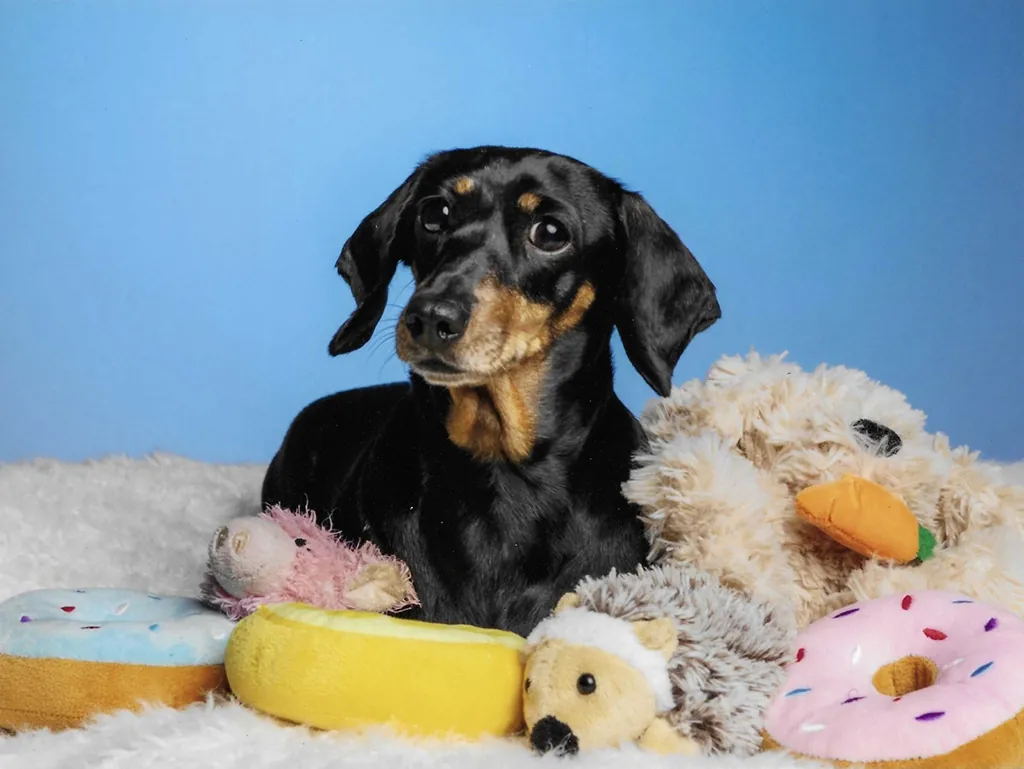
Rosie the Miniature Dachshund was just seven years old when she rolled over mid-walk and started to scream. Within hours, she’d been referred to a specialist animal hospital – the start of an ordeal that would happen not once, but twice, and rack up vet bills of almost £17,000 in under a year.
Her owners, dog trainers Davina Evans and Nicky Gardiner from Essex, are now speaking out about intervertebral disc disease (IVDD) – the condition behind Rosie’s two emergency spinal surgeries – and the one thing they credit with getting them through it: pet insurance.
What happened to Rosie
Davina and Nicky were walking Rosie in August 2024 when she suddenly rolled over and began to scream. It was immediately obvious something was seriously wrong, and their vet referred her straight to a specialist animal hospital in Cambridge.
“I was absolutely beside myself – then had to drive down the motorway to Cambridge with tears in my eyes,” Davina says. “Your mind just goes to the absolute worst-case scenario.”
Rosie was diagnosed with intervertebral disc disease (IVDD), and spent six weeks on painkillers and crate rest before her vet decided spinal surgery was needed.
Looking back, Davina says the warning signs had been there. Rosie had been arching her back and limping slightly in the days beforehand, and had gone off her food – a symptom her vet confirmed is a common early sign of IVDD.
What is IVDD, and why are Dachshunds so prone to it?
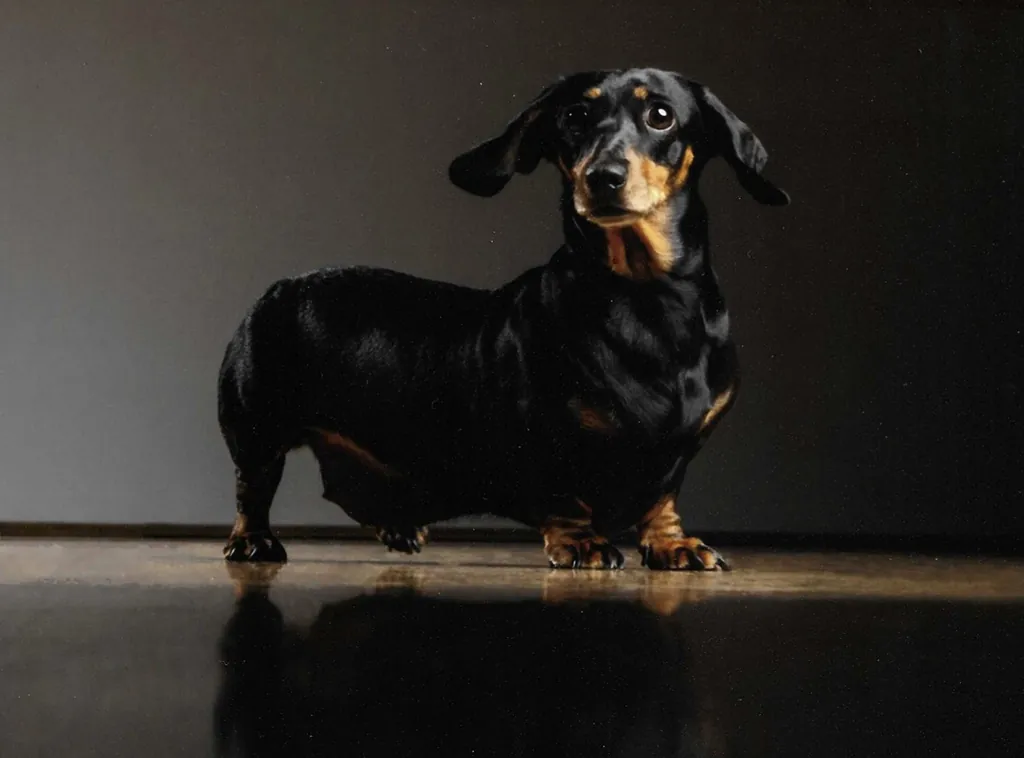
IVDD happens when the cushioning discs between the vertebrae bulge or burst into the spinal cord space. It’s a common problem in the breed: around one in four Dachshunds will develop IVDD in their lifetime, most often between the ages of four and seven. That said, it isn’t unique to sausage dogs – any breed can be affected.
Expert vet Dr Emma Chandley explains: “Dachshunds are predisposed to this form of early disc degeneration associated with their body shape and genetics. Other at-risk breeds include French Bulldogs, Beagles, Shih Tzus and Cocker Spaniels due to a similar genetic disposition. They are such special breeds but it’s worth being mindful of the risks.”
The real cost of treating IVDD
Rosie’s first round of treatment – six weeks of vet support, an MRI, surgery, medication and several nights in the animal hospital – came to just under £9,000. Because Davina and Nicky had taken out pet insurance with £10,000 of annual cover just eight months earlier, “the policy we held just covered it,” says Davina.
Ten months later, in August 2025, it happened again – this time even more suddenly. “One day Rosie could walk and the next she couldn’t,” Davina remembers. With spinal problems, the first 24 hours matter enormously, so the couple rushed her to an emergency vet on a Sunday morning. She was referred straight back to the animal hospital, given an MRI, and operated on the same day. The bill this time: £7,500.
Between the two surgeries, Rosie’s treatment came to almost £16,500 in under a year – on top of the crate rest and monitoring that came before it. Without insurance in place, that’s a bill most owners would struggle to find at short notice, let alone twice.
Petgevity’s own claims data shows IVDD – specifically disc protrusion – is the most common and most expensive of the top three health conditions affecting Dachshunds, alongside other spine issues (like myelopathy, fractures and tumours) and gastroenteritis.
Surgery for IVDD costs £2,868 on average, which works out at a monthly saving of £498 if you wanted to self-insure – and that’s before accounting for a severe, repeat case like Rosie’s.
Davina’s advice to other owners
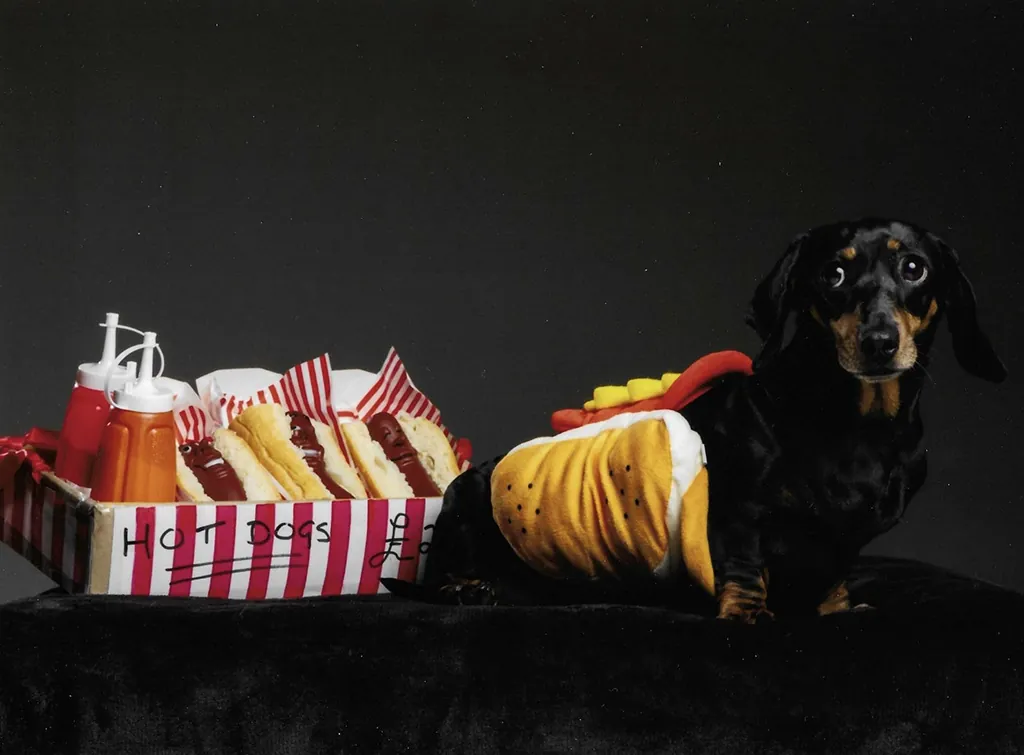
As a dog trainer, Davina spends a lot of time talking to other owners about the health risks certain breeds are predisposed to. Her take is blunt: “I think people assume their dog getting ill or injured is just something that will happen to somebody else, and that they can just put a little bit aside a month – that’s just not the case.”
“If you think about Rosie’s vet bill, I don’t know anyone who would have a spare £7,500 to cover it. We did everything to mitigate the risk of spine problems, as many Dachshund owners will know – we never let her jump on and off the sofa, and made sure she was doing low-impact activities. But it still happened, twice. You just never know what life is going to throw at you.”
Can IVDD be prevented?
Not entirely, according to Dr Chandley: “There is a strong genetic component to IVDD, so it cannot be fully prevented.” There are still sensible steps owners can take to ease the strain on a dog’s spine, including keeping them at a healthy body weight and limiting repeated high-impact activities, like jumping on and off furniture.
“If treatment or surgery is needed, many dogs recover well, particularly if treated promptly, and can return to a good quality of life,” she adds. Long-term, that means minimising strain on the spine where possible and keeping up with regular veterinary check-ups.
The takeaway
Rosie’s story is a stark reminder that even the most careful, well-informed owners can’t fully protect their dog from a condition like IVDD – but having the right pet insurance in place can make the difference between a frightening diagnosis and a financially devastating one. If you own a Dachshund, or any of the other breeds prone to IVDD, it’s worth checking your cover levels now, before you ever need to make a claim.
If you’re keen on learning more about IVDD in dogs and how to be prepared before a health crisis, head over to the Petgevity Podcast and listen to our episode featuring Davina and veterinary neurologist Dr Mark Lowrie: IVDD in dogs: Be prepared before you need to be.

