
Bringing your new puppy home
Here’s what you can expect in the first week of being a brand-new puppy parent.

Philippa Short
19 February 2026
There’s nothing quite like the first few days with a new puppy. It’s joyful, exhausting, heart-melting – and sometimes a little overwhelming.
If you’re about to welcome a puppy into your life, knowing what to expect can make the transition smoother for both of you. That’s why we’ve got some stellar advice from dog behaviourist Philippa Short: so with the right preparation and a calm approach, that first week can set the tone for a happy, confident dog.
- Before you bring your puppy home
- Collecting your new puppy: what to take
- Arranging a vet health check
- What to do during the first week with your puppy
> Introducing your puppy to new people
> Introducing your puppy to your resident dog
> Helping your puppy explore the house
> Feeding your puppy
> Helping your puppy sleep
> Toilet training your puppy - After the first week with your puppy
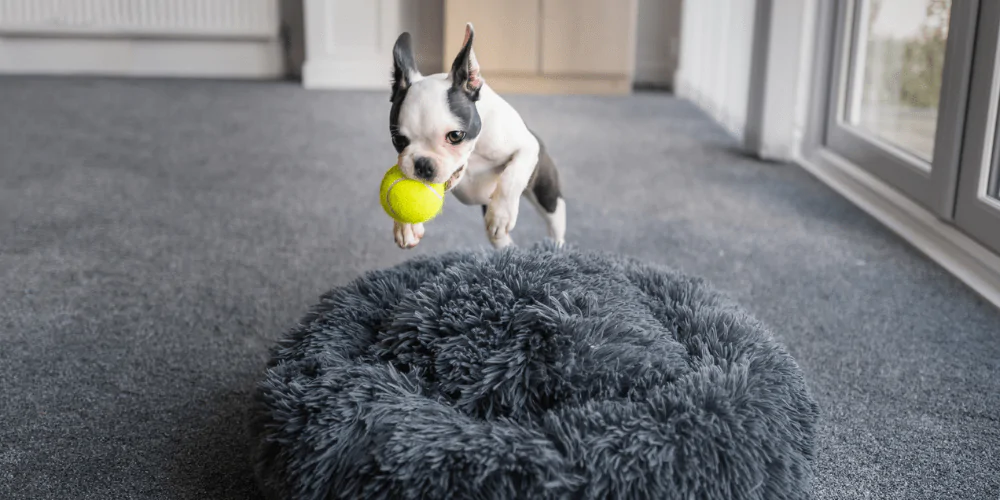
Before you bring your puppy home
The golden rule? Preparation makes all the difference.
Add your scent to your puppy’s world
Dogs rely heavily on scent for reassurance. A simple but powerful step is to:
- Sleep with an item of clothing (like an old t-shirt) for at least two weeks
- Let other family members scent the item too
- Ask your breeder if you can leave the item of clothing with your puppy in the week before collection
This helps your puppy form positive associations with your scent while they’re still in familiar surroundings. When you collect them, bring the item back home so it carries the comforting smell of their mum and siblings too.
Prepare existing pets
If you already have a dog or cat, help them adjust gradually:
- Ask the breeder to rub a cloth over the puppy
- Bring it home and place treats on it
- Let your pets at home investigate and enjoy the rewards
This builds a positive link between the new puppy’s scent and good experiences.
Set up a safe space
Think carefully about where your puppy’s crate or playpen will go. Ideally, it should be:
- Away from busy walkways so they can rest undisturbed
- Close to easy outdoor access for toilet breaks
- In a well-ventilated space, but not right by a window where outside sights and sounds may overstimulate them
Decide in advance where your puppy will sleep. Some families choose to sleep downstairs for the first few nights, while others place a crate beside their bed before transitioning it downstairs later.
Stock up on safe chews, toys and vet-approved calming sprays to help your puppy settle.
Book time off if possible
Your puppy is leaving everything they’ve ever known. That’s a huge adjustment. Try not to leave them alone during the first week. Taking time off work lets you focus on bonding and building trust.
Collecting your new puppy: what to take
The journey home is your puppy’s first big change.
Pack:
- Towels and cleaning supplies (travel sickness and nervous wees happen!)
- Puppy pads
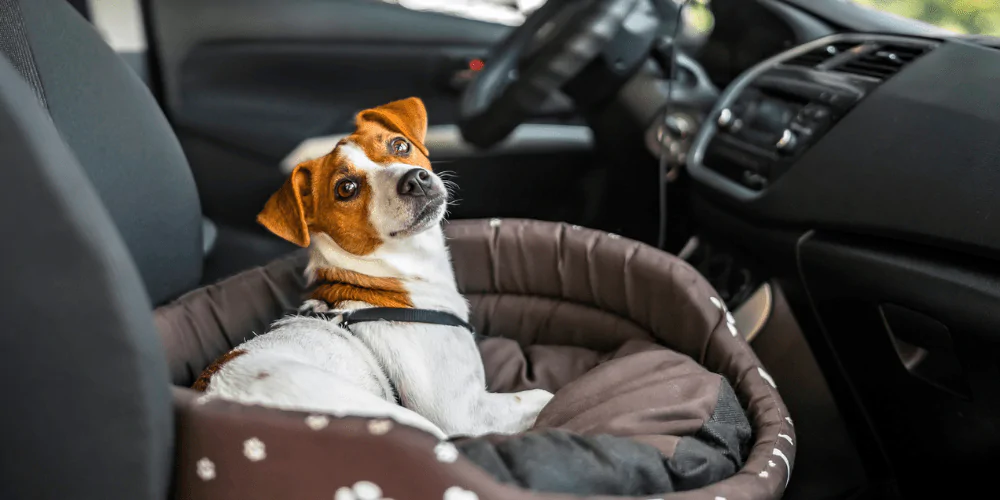
- A secure, comfortable carrier or fabric crate
Your puppy needs to be properly secured. A fabric crate secured with a seatbelt can keep your puppy safe while allowing you to gently reassure them during the drive.
Important: If your new pup is riding upfront in the passenger seat, you need to disable the passenger seat airbag first.

Arrange a vet health check
Book a health check within 48 hours of bringing your puppy home. This visit is typically just a wellness check – your vet will examine them and listen to their heart.
Keep the experience positive with treats and gentle praise. Vaccinations and other procedures can wait until the following week to avoid associating their first days with discomfort.
The first week at home: keep things calm
Your main goal during week one is stability. Puppies are highly sensitive to new experiences.
And because they’re naturally curious (and accident-prone), it’s also worth considering comprehensive puppy insurance for peace of mind.
Introducing your puppy to people
For the first three days, limit introductions to immediate members of your home.
Well-meaning visitors can unintentionally overwhelm a young puppy. Gradual exposure helps them build confidence in their new environment.
Introducing your puppy to the resident dog
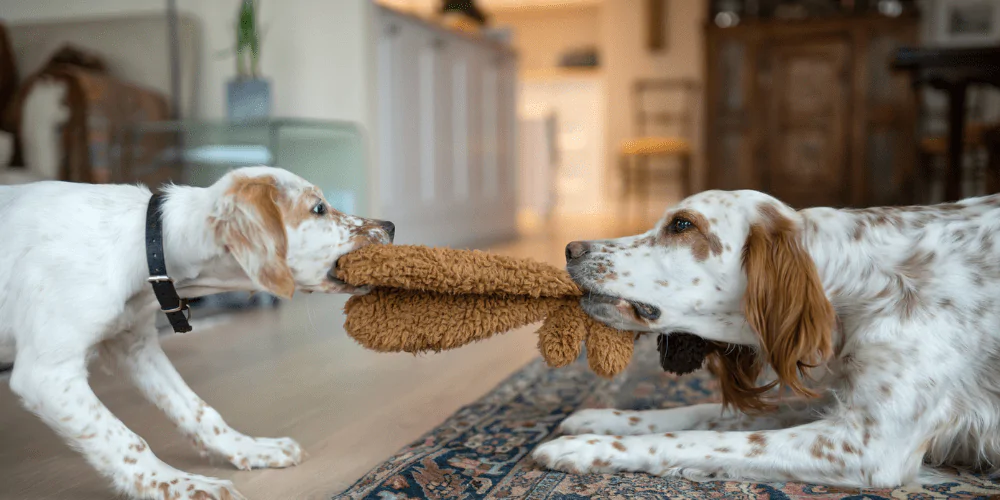
If you already have a dog, approach introductions carefully:
- On arrival day, give your existing dog something enjoyable in the garden, like a stuffed Kong
- Bring the puppy outside in a carrier or hold them securely
- Allow your adult dog to approach and sniff at their own pace
Give your older dog space and an easy way to move away. Never force interaction.
It’s normal if your resident dog seems unsure at first. Allow their relationship to develop naturally and continue giving your adult dog one-to-one attention away from the puppy.
If you’re concerned that things aren’t going well, seeking help from a qualified dog behaviourist can make a big difference.
If you live in feline company, here’s how to introduce a new puppy to your cat.
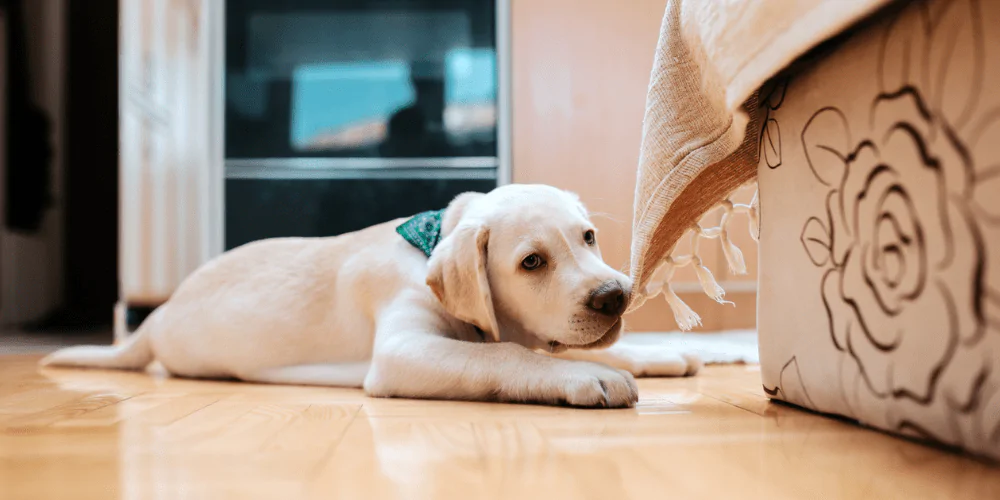
Helping your puppy explore the house
Keep your puppy’s world small at first. Introduce only the rooms they’ll use regularly, such as:
- The kitchen
- Your living room, or the room where the family spends the most time
Show them where water bowls are and spend quiet time together in these areas.
Gradually expose them to normal household sounds, including:
- Vacuum cleaner (good luck with this one)
- Washing machine, dishwasher
- TV or radio
- Doors
- Footsteps going up and downstairs
These everyday noises form part of their early habituation.
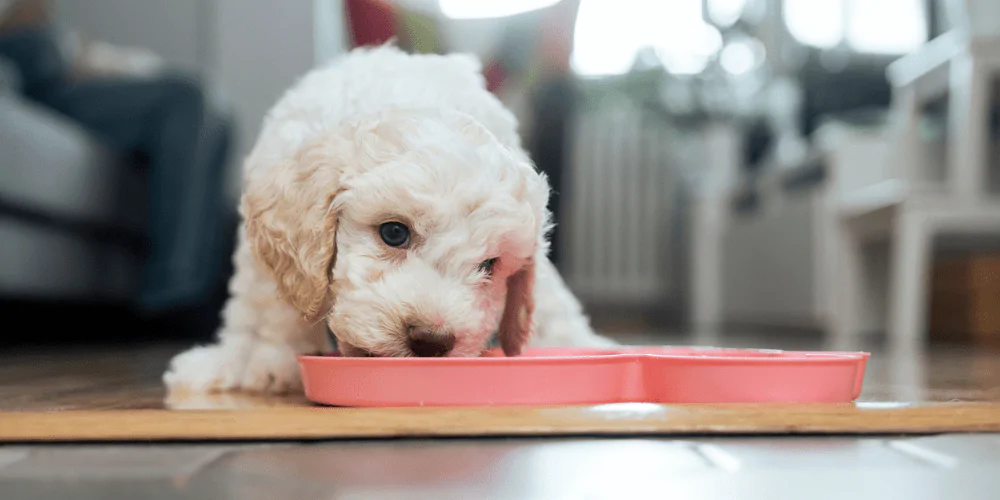
Feeding routine
Stick to the food recommended by your breeder or rescue centre, at least for the first four to five days.
Young puppies usually need four small meals a day. Avoid switching food immediately, as stress combined with dietary change can upset their stomach.
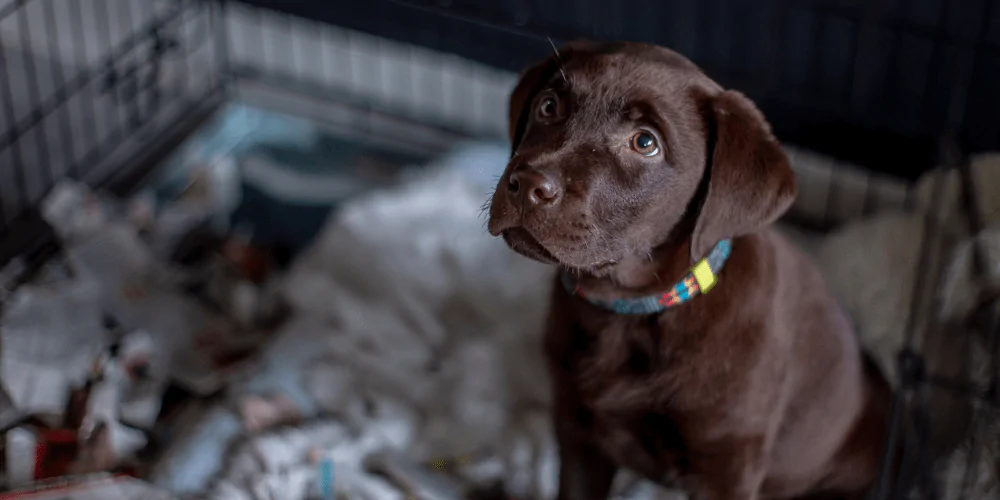
Sleep and crate training
Puppies need a lot of rest. Overtired pups can become bitey or overwhelmed.
Aim for a balance: short bursts of exploration followed by naps.
To build positive crate associations:
- Place treats inside for them to discover
- Scatter a few around the outside of the crate
- Use a warm, encouraging tone
The crate should always feel safe and calm. Children shouldn’t disturb a resting puppy, and only safe, non-destructible toys should be left inside.
If your puppy falls asleep elsewhere, let them wake naturally before gently taking them outside for a toilet break. If they’re still sleepy, pop them in the crate.
If they struggle to settle, vet-approved calming sprays or soft background music may help.
Read our full guide to crate training your puppy.
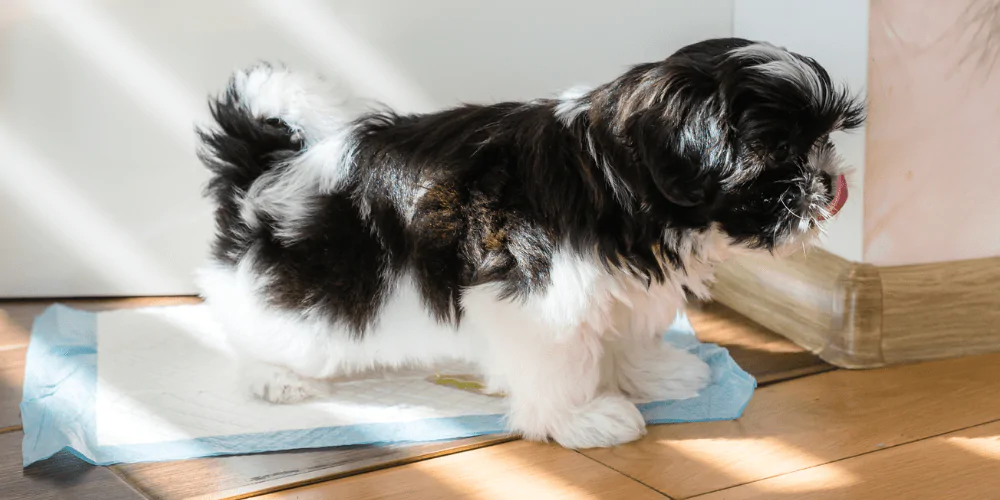
Toilet training your puppy
Toilet training begins immediately. Take your puppy into the garden regularly and reward them calmly for going to the toilet outside.
Progress takes patience. Every puppy learns at their own pace. Consistency and positive reinforcement are key.
After the first week
By the end of week one, your puppy should be starting to feel secure.
You can begin to:
- Invite small numbers of visitors over
- Introduce one new experience per day
- Start basic training, including essential cues like ‘leave it’
If they’re not fully vaccinated, you can still carry them for short outings to safely experience new sights and sounds.
You’ve got this!
The first week with a puppy can feel intense. There may be sleepless nights and plenty of learning curves. But this early investment in calm routines, gentle introductions and positive experiences lays the foundation for a confident, well-adjusted dog.
Don’t forget, you’re not just bringing a puppy home – you’re building the start of a lifelong bond!

