
How to introduce a new puppy to your cat

Philippa Short
7 July 2023
| 9 minutes read
Are you looking to create a strong and long-lasting connection between your new puppy and your favourite feline?
Top dog behaviourist Philippa Short shares her expert knowledge on how to slowly and successfully introduce your four-legged family members to each other.
- Before you introduce your puppy to your cat
> Step one – Setting up the house to introduce your puppy to your cat
> Step two – Scent swapping between your puppy and cat
> Step three – Sound desensitisation - Once your puppy and cat are relaxed around each other’s scent
> Step one – Seeing each other between a barrier
> Step two – Putting your puppy on a short lead
> Step three – Putting your puppy on a long lead
> Step four – Dropping your puppy’s lead - Key things to remember when introducing a puppy to a cat
- Introducing a puppy to a timid or anxious cat
Before you introduce your puppy to your cat
You can have lots of great relationships between cats and dogs. But how you introduce them is absolutely critical, as first impressions last.
Both your puppy and cat will remember if the first meeting goes wrong, and this can be a miserable start to their relationship.
Keep in mind:
- It’s always worth taking slow steps to cement what is hopefully going to be a lifetime friendship.
- You are putting two different species together, each with their own body language and needs. So you need to really understand both your puppy and cat to help them find common ground.
- Introductions should be done little and often to begin with.
> Step one – Setting up the house to introduce your puppy to your cat
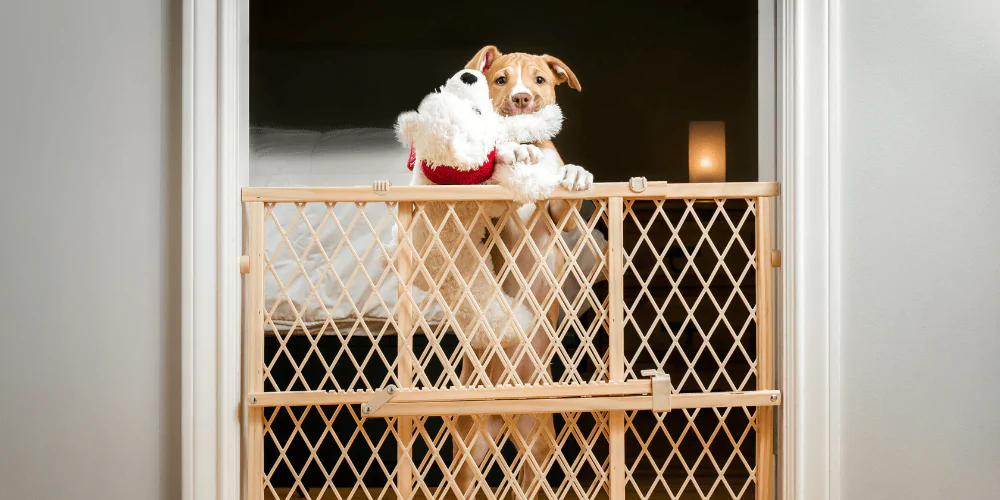
You should already be prepping your home for your puppy’s arrival by choosing which rooms they can and can’t go in. These areas then need to be divided off with dog gates, room dividers, and puppy pens.
This is also a great time to start helping your cat adjust to their territory changes. They can see how the home will be sectioned off for the new arrival.
Remember that your feline needs to know they can safely access their food, water, litter box, and outside at all times. Or know they will be able to get your attention easily so you can take them out.
With that in mind, you’ll want to set up the house in a way that:
- Helps your cat be confident that all their basic needs are met and they don’t need to compete with the new puppy
- Allows your feline to always be able to escape
- Doesn’t force your kitty into a room or situation they don’t want to be in
> Step two – Scent swapping between your puppy and cat
Scent swapping is introducing your dog and cat to each other via scent. It’s a super important step because, unlike humans, the majority of their world interpretation is done through smell.
Ideally, you want to do this step before your new puppy comes home. But if you can’t prep in advance, keep your puppy in a separate area and make sure your cat has a clear run to their resources. You can then begin scent swapping.
To scent swap:
- Take a small clean microfibre cloth and wipe it around your cat’s face and mouth, including the back of their ears and neck. Bring this with you when you visit your puppy.
- Take a separate microfibre cloth and wipe it around your dog’s face, armpits, belly, sides, genitalia, and feet. Reputable breeders should allow you to wipe the puppy all over with several cloths and then put them in a bag.
- Ask the breeder if you can leave behind the cat-scented cloth for the puppies to smell.
- Place the puppy-scented cloths all around the house in areas where your pup will be allowed to go. For example, the living room, kitchen, utility room.
- If your cat is quite receptive to the cloths, you can then start adding treats or your cat’s food bowl on top.
When it comes to successful scent swapping, you’re looking to:
- Get your cat’s scent library to associate your puppy’s smell with a good feeling (thanks to the food).
- Organically help your puppy learn that your cat is safe (as they’re smelling their scent while with their mum and siblings).
> Step three – Sound desensitisation
Sound desensitisation can help if you have a nervous cat who needs a little bit more prepping before your puppy’s arrival.
You can download apps which have a range of dog noises including barking, sniffing, dreaming, and squeaking. Playing these sounds around your cat can help them adjust to the upcoming changes in their territory.
- Wait until a time when your cat is calmed and settled, for example, when they’re eating a meal.
- Play the sounds at a very low volume so your cat can hear them but doesn’t feel the need to fear or react to them.
- You can also sprinkle around high-value treats if your kitty is food oriented.
Once your puppy and cat are relaxed around each other’s scent
Now you’ll want to make sure your puppy and cat are relaxed around each other before you move on with the bonding process. This is why understanding both of their body languages is key.
You’re looking to create a lifelong friendship, so it’s crucial to spend the first few weeks organising and managing really good interactions.
Your cat should be:
- Readily and happily sniffing the scent cloths, eating treats from them, and generally being relaxed.
- Still showing regular toilet, eating, and drinking habits once the puppy is in the house (and kept separately).
Your puppy should be:
- Intrigued and interested but not overly bouncy (though we’re not looking for a robot!).
- Calm enough that they’re not extremely excited each time they slightly see or hear the cat.
Keep everyone separated if your puppy is still getting too overexcited and your cat is scrabbling to get away. It’s important to give them as much time as they both need to settle.
> Step one – Seeing each other between a barrier
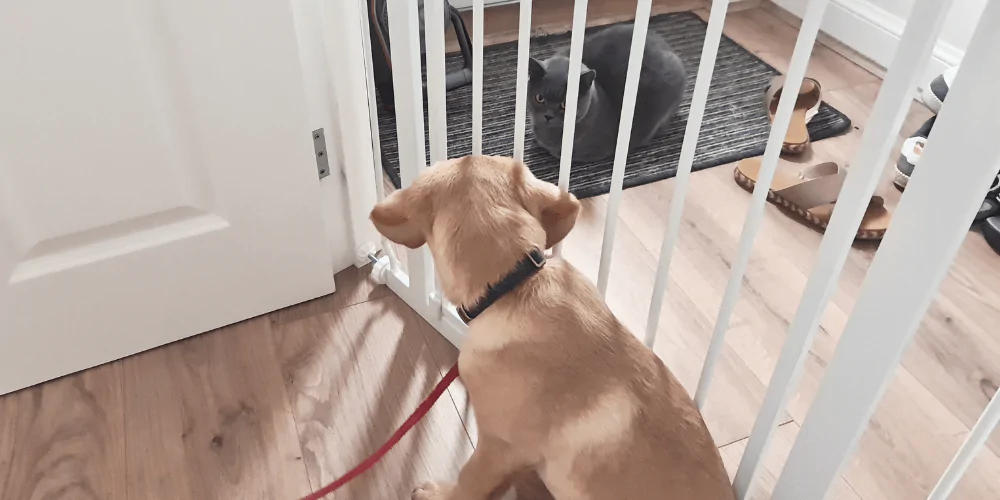
Once you’re happy both your feline and canine are calm enough around each others’ scents, you can introduce them through a barrier.
They should be able to see but not reach each other. This is also easier to do with two people each taking a pet:
- Glass barrier (patio door or window) – put your cat and dog on opposite sides of the glass and feed them while they watch each other.
- Puppy gate or pen – sprinkle treats around the barrier for each pet to pick up on their respective side.
Key things to remember:
- If your cat isn’t treat-oriented, make sure they’ll happily sit in your arms while watching your puppy.
- Sessions should be short, sweet, and done over several days.
- Your cat should always have free access to escape, whether that’s run off or get up high somewhere.
> Step two – Putting your puppy on a short lead
Next, you’re going to remove the barrier and set up your home environment so both your cat and dog are comfortable. That means they’re:
- Not hungry
- Not desperate for the toilet
- Neither too hot or too cold
- In a calm room without lots of distractions or commotion
- Not feeling under the weather – both should be happy and healthy
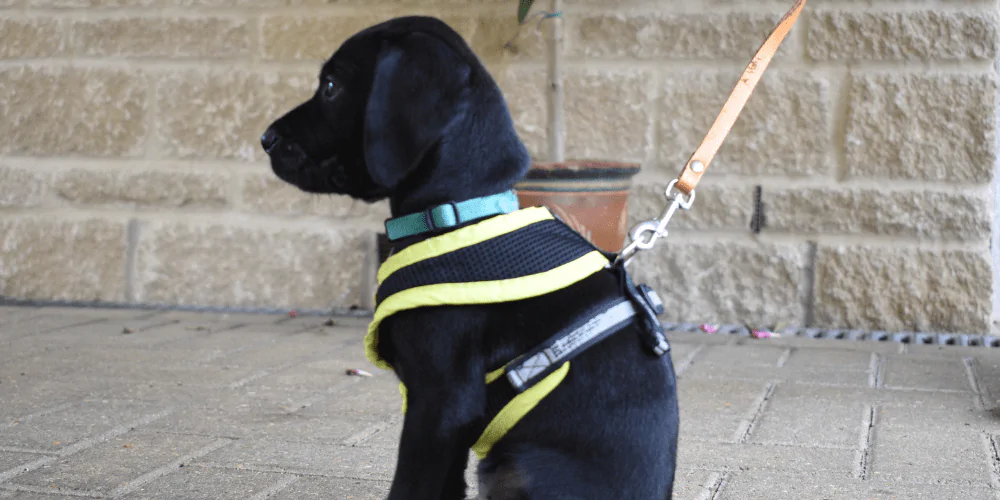
As your puppy won’t have any basic training, you’ll be managing them on a short lead while they wear a soft puppy harness.
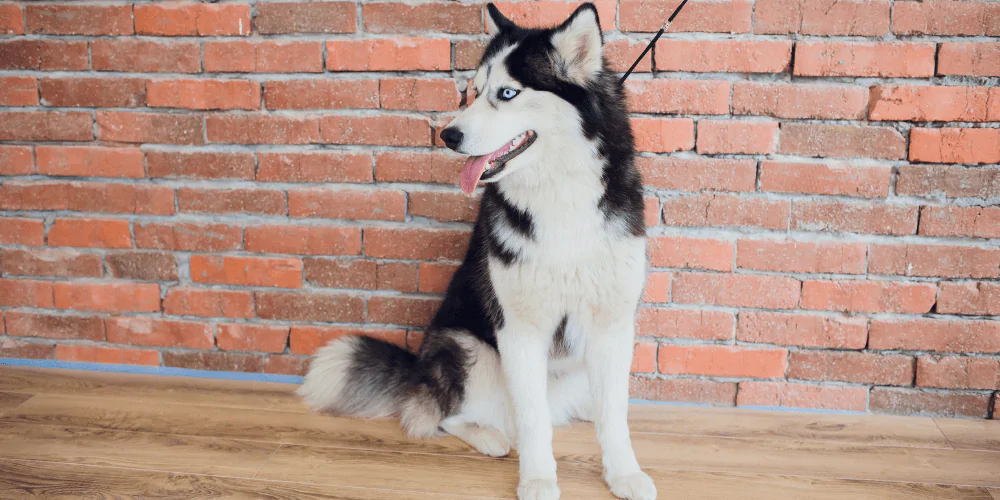
Once again, have one person pay attention to and feed each pet. You’re quietly restraining your puppy to teach them they can’t play and bounce on the cat. At the same time, they’re also learning its safe to be on their harness and lead.
If you’re managing this step alone:
- Puppy – give them a Kong or a licky mat as their food source.
- Cat – sprinkle catnip on the carpet, give them a licky mat, or drop little bits of chicken or cheese around the area. This lets them happily hunt around without the puppy bouncing on them.
You’re not ready to move onto the next step if:
- Your puppy is bouncing around and getting excited on their lead
- Your cat has their head lowered, ears drawn back, and is avoiding eye contact with your puppy
> Step three – Putting your puppy on a long lead
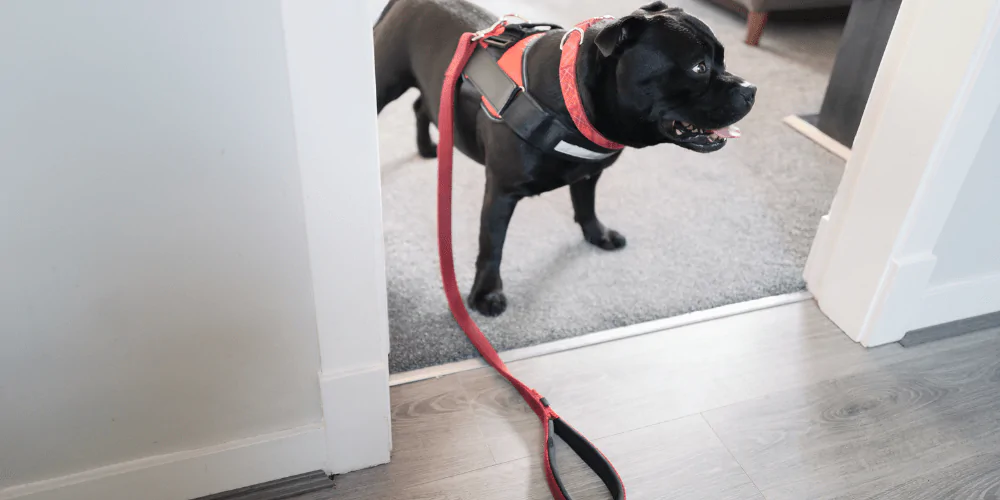
Once you’re happy both your pets can handle being together on a short lead, your puppy can go on a longer lead (around six foot).
This is where you’ll need good judgement. You don’t want your puppy to go mad with freedom and think they can bounce on your cat or around the room.
At some point your puppy and cat will need to figure out how they play together. But right now they’re learning to be considerate and understand each other’s expressions and body language.
> Step four – Dropping your puppy’s lead
If all is calm with your puppy while using a six foot lead, you can now try dropping the lead.
You’ll need to leave the lead on so you can gently remove your puppy if they forget themselves and have a bouncy moment. This:
- Shows your cat that you’ll back them up and teach your puppy acceptable behaviour.
- Teaches your puppy that they need to come away and settle if they get too excited.
Keep your puppy on a dropped lead until you have several weeks of calm, steady interactions.

Key things to remember when introducing a puppy to a cat
- Your cat should have the freedom to leave any interaction at any point.
- If your cat chooses to be in the space for only a minute, that’s all you get. No matter whether you planned for a ten minute session.
- You should never condone your puppy chasing your cat during this bonding process. This may happen later once they’ve had time to work out their relationship, but not during these introductions.
Introducing a puppy to a timid or anxious cat
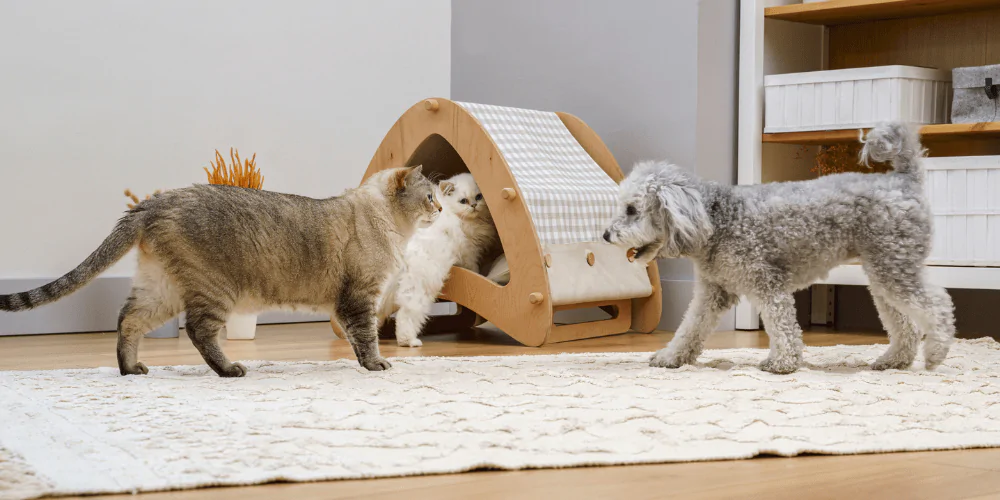
Here’s some extra ways you can support your cat if they’re nervous or things aren’t progressing on their side:
- Speak to your vet as your feline may be unwell or in pain. A poorly cat is more likely to get stressed and have a lower tolerance for noise, environment and routine changes, being bounced on, etc.
- Add extra catnip around the house as this can help calm a fearful cat.
- Use other calming remedies such as cat-safe oils, plug ins, and collars.
- If over-the-counter calming remedies don’t work, speak to your vet or a cat behaviourist. Your cat may need calming medication or expert behavioural support.
Your puppy may still be completely overexcited around your cat after weeks of careful and managed introductions.
This is where a big push on basic puppy training is needed to teach your canine essential cues like leave it, wait, and stay. A dog trainer or behaviourist can help you get the ball rolling on teaching your puppy those core skills.
Every pet in your household deserves to live a happy and healthy life. Protect your four-legged family members with flexible pet insurance from Petgevity.

