Vet fees up to £15,000
To suit your pet’s needs, choose vet fee cover from £1,000 to £15,000. The limit resets every year you renew.
Design your own pet insurance
Policies as unique as your pet. Set your own limits, excess and optional extras, for cover as snug as a collar.
Switch with unbroken cover
If you switch to us from a like-for-like policy, there’ll be no gap in cover, with protection starting straight away**.
Content by Emma Chandley BVetMed PGCertSAS MRCVS
Osteoarthritis (often shortened to OA) is a chronic, progressive condition that affects the joints in dogs. It develops when the smooth cartilage that normally cushions and protects the ends of bones inside a joint gradually breaks down. As this protective surface becomes damaged, the joint becomes inflamed and less able to move smoothly. Over time this leads to stiffness, pain and reduced mobility.
Osteoarthritis can affect any joint in the body, although it’s most commonly seen in the hips, elbows, knees and the spine.
A healthy joint contains protective cartilage that allows the bones to glide easily over each other during movement. In dogs with osteoarthritis, this cartilage becomes damaged and thinner. The joint lining may become inflamed, and changes can develop in the surrounding bone and soft tissues. Together, these changes reduce the joint’s ability to move comfortably.
Although osteoarthritis is commonly associated with ageing, it is not a direct result of getting older. Many cases develop because of previous joint injury, abnormal joint development or long-term strain placed on the joint. Once the process begins, the condition tends to progress gradually.
Osteoarthritis is one of the most common chronic pain conditions diagnosed in dogs. The good news is that with early recognition and appropriate management, many dogs can remain active and comfortable for a long time.

Osteoarthritis develops when a joint experiences ongoing mechanical stress, instability or inflammation over time. In some dogs this occurs as part of the natural ageing process, but very often there is an underlying factor that places additional stress on the joint.
Developmental orthopaedic conditions are a common cause. Dogs with hip dysplasia, elbow dysplasia or abnormal joint formation may develop arthritis earlier in life because the joint surfaces don’t fit together properly. This creates uneven pressure within the joint, gradually damaging the cartilage.
Previous injury can also play a role. Dogs that have experienced things like cruciate ligament rupture, joint fractures or other orthopaedic trauma are more likely to develop osteoarthritis later because the joint mechanics may never return completely to normal.
Body weight is another important factor. Excess weight increases the load placed on joints during everyday movement. Over time this extra strain can accelerate cartilage damage and inflammation.
Activity level, muscle strength and overall joint conformation can also influence how the disease develops. In many cases seen in vet practices, several of these factors contribute rather than there being a single cause.
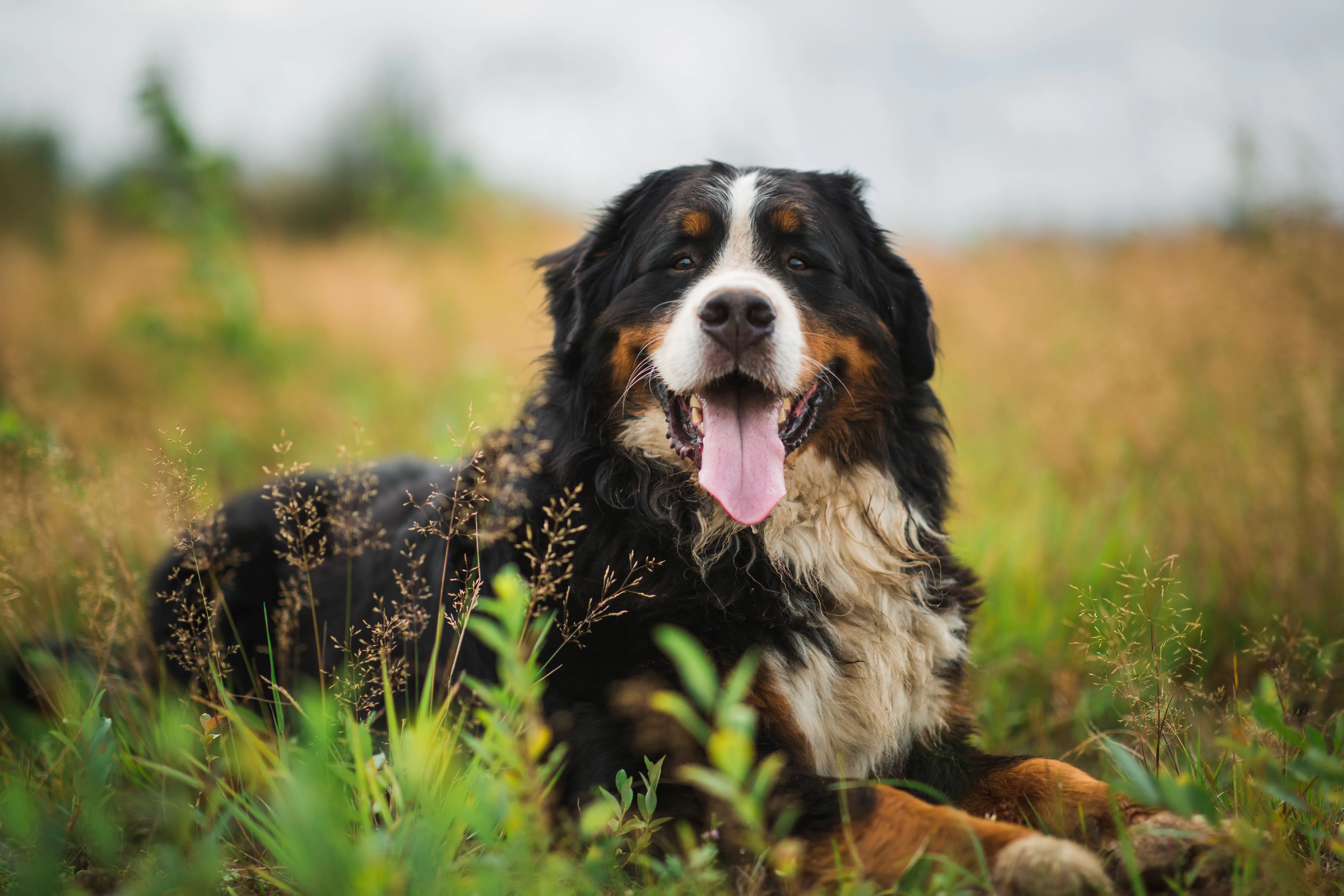
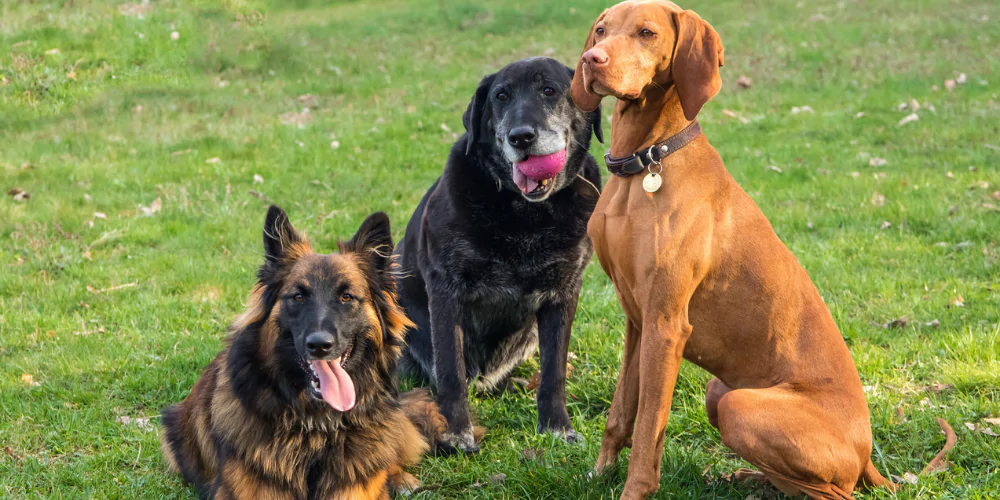
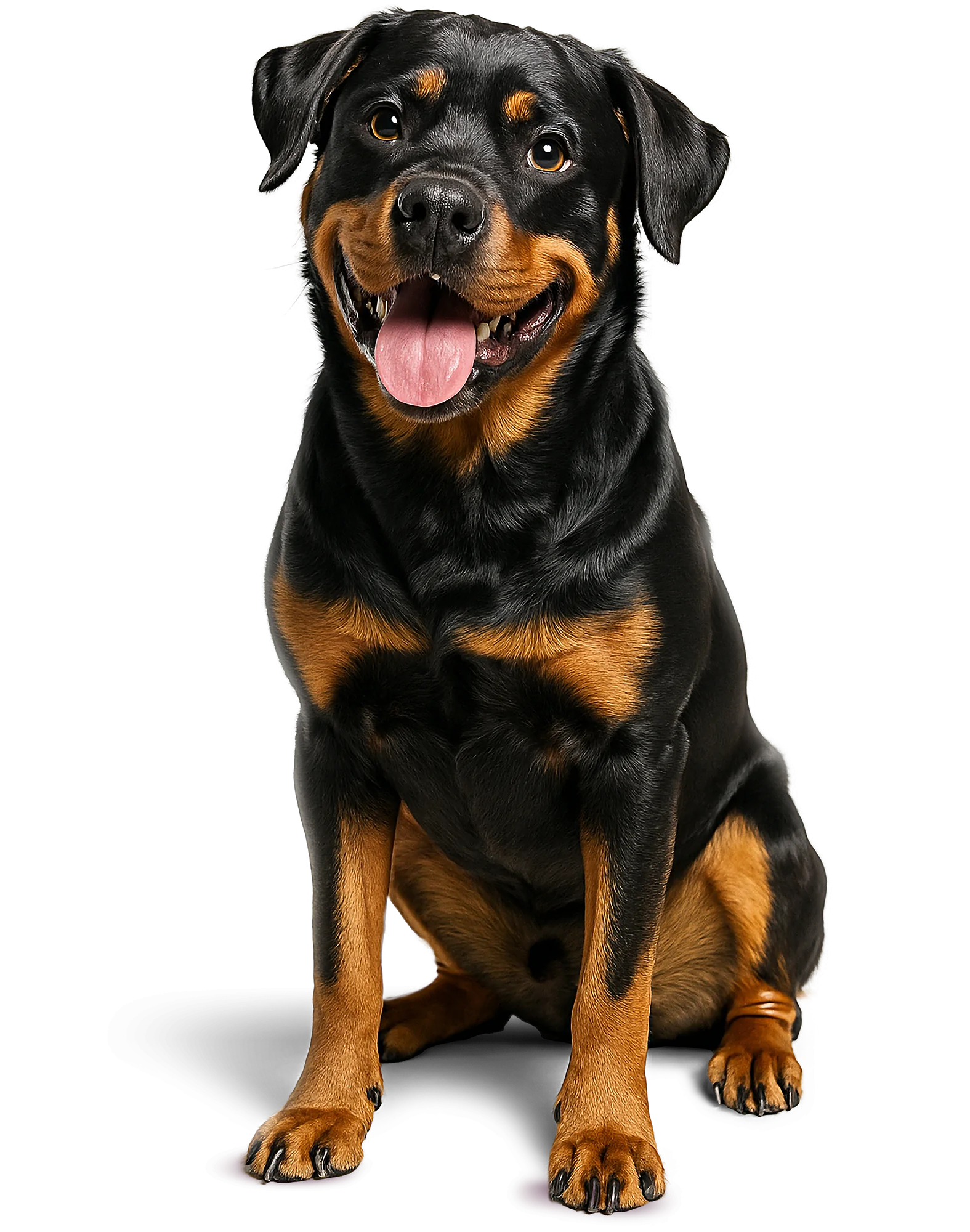
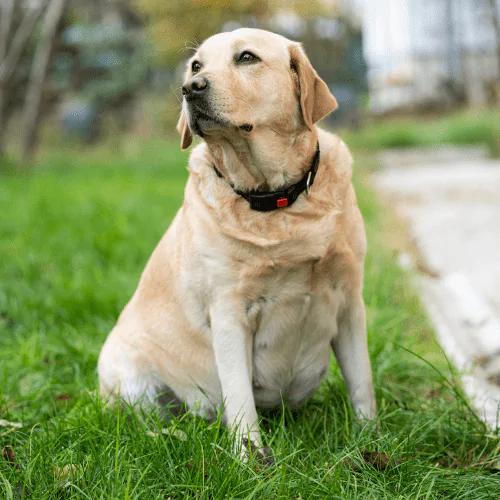
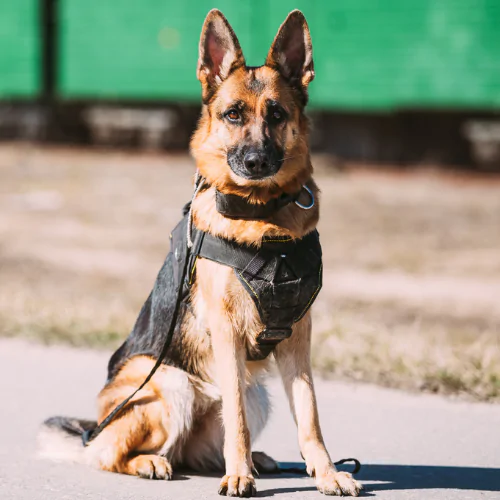
Osteoarthritis can affect dogs of any breed or size. However, it’s seen more commonly in medium to large breeds, partly because these dogs are more prone to developmental joint conditions that increase the risk of arthritis.
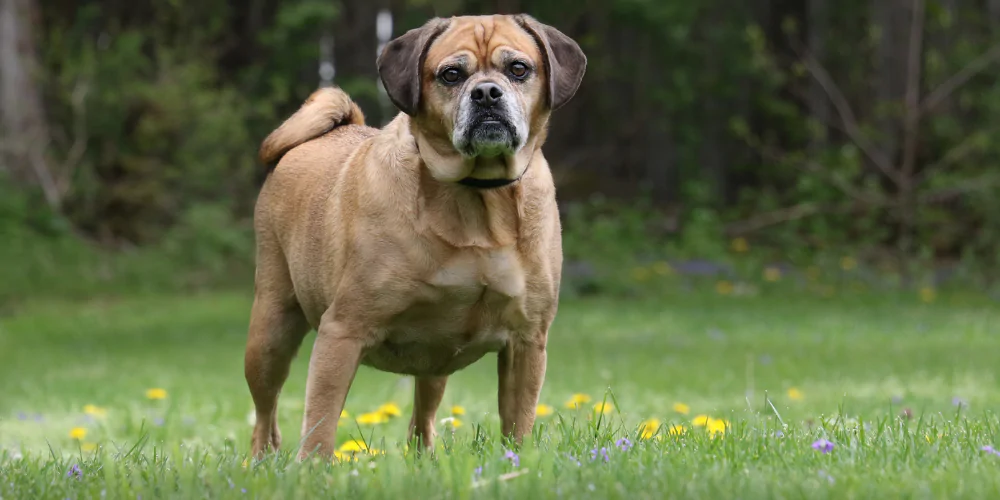
Breeds frequently associated with joint problems include:
These breeds may be predisposed to conditions such as hip or elbow dysplasia, which can lead to arthritis as the dog ages. Smaller breeds can also develop osteoarthritis as well, particularly if they’ve experienced joint injuries or conditions such as patellar luxation.
Body weight remains one of the most significant modifiable risk factors. Dogs carrying excess weight place greater mechanical stress on their joints, regardless of their breed or genetics.
Early signs of osteoarthritis can be subtle and may appear gradually. Owners sometimes think the changes seen are signs their dog is slowing down with old age. Common early signs include stiffness when getting up after resting, reluctance to jump into a car or climb stairs, and reduced enthusiasm for exercise. Some dogs may begin to lag behind during walks or appear less willing to play.
Changes in posture or movement can also occur. Dogs may be seen shifting weight away from one of their legs. They may walk with a shortened stride, or sit slightly unevenly with one leg sticking out.
Behavioural changes are also possible. Dogs experiencing chronic discomfort may become quieter and more withdrawn and may become less tolerant of being handled. As these signs develop gradually, they are often easiest to recognise if owners are asked to reflect on how their dog behaved several months earlier. This way small trends can be noted.
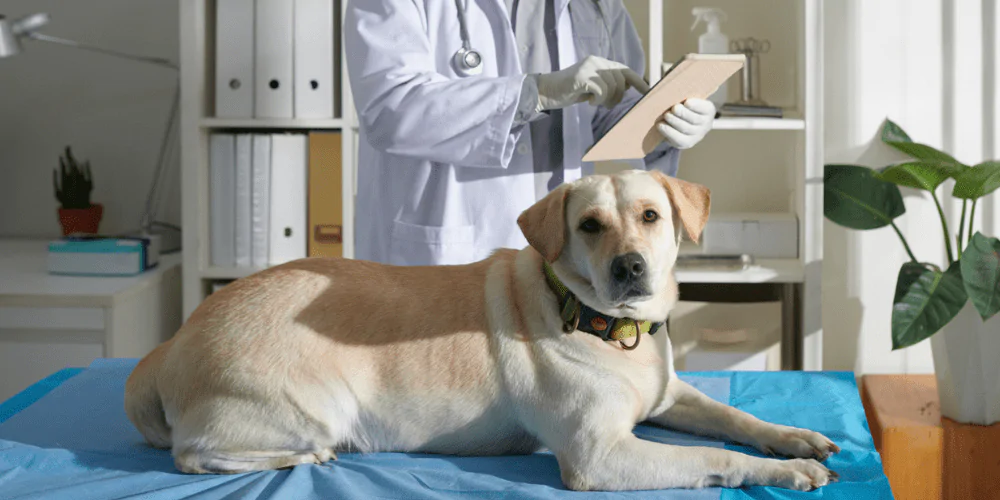
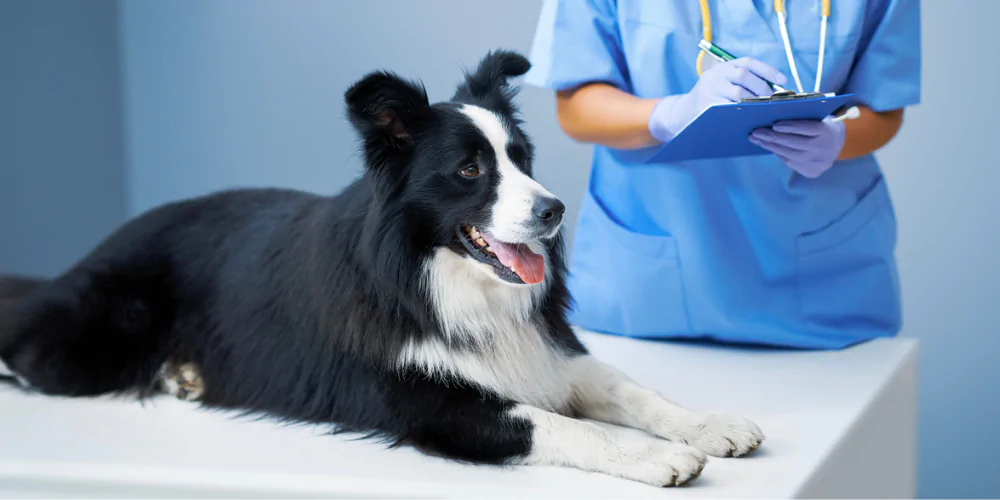
Diagnosis usually begins with a full clinical examination performed by your vet. They’ll assess your dog’s gait, check for lameness, examine the joints for pain or reduced range of motion, and check for muscle loss that can develop when a limb is used less.
Radiographs (X-rays) are often used to support the diagnosis and assess the degree of joint change. These images can reveal signs such as bone remodelling, narrowing of the joint space and the formation of new bone around the joint margins.
In some situations, additional imaging or referral to an orthopaedic specialist may be recommended – particularly if the underlying cause of the arthritis needs further investigation.
Management of osteoarthritis usually involves a combination of approaches aimed at reducing pain and supporting the joint function.
Weight management is nearly always one of the most important steps. Even small reductions in body weight can significantly reduce the pressure placed on joints during movement. Exercise is still important, but it should be gentle and controlled. Regular, moderate length walks help maintain joint mobility and muscle strength, which both support joint stability. Unpredictable and intense bursts of exercise should be avoided if possible.
Veterinary medications are frequently used to control inflammation and discomfort. Non-steroidal anti-inflammatory drugs (NSAIDs) are commonly prescribed, and some dogs may also benefit from additional pain relief medications or newer injectable treatments that target pain pathways.
Physiotherapy, hydrotherapy and structured rehabilitation exercises can also help maintain muscle strength and joint flexibility. Many dogs respond well to a multimodal approach where several management strategies are combined.
Osteoarthritis unfortunately can’t be reversed once joint damage has developed. However, many dogs respond well to long-term management and are able to maintain a good quality of life.
Early recognition allows treatment to begin before severe joint changes occur. With appropriate support, many dogs remain active and comfortable for years following diagnosis.
As osteoarthritis progresses, the clinical signs will often become more obvious. Dogs may struggle to stand up, climb stairs or walk for longer periods. Some develop persistent lameness or a noticeably altered gait.
Muscle loss around affected joints can occur because the limb is used less. In more advanced cases, the joints themselves can become thickened or swollen due to chronic inflammation and bone changes. Dogs experiencing significant pain may become less active overall.
As mentioned above, with mild and moderate disease, some dogs appear withdrawn or reluctant to move around the house – particularly on slippery floors or uneven surfaces. They may resent being handled or stroked and can become aggressive.
Diagnosis of more advanced osteoarthritis is similar to that used in earlier stages, but it can involve more detailed imaging to assess the severity of joint changes. Radiographs often show more pronounced bone remodelling and narrowing of the joint space. Your vet may also assess whether an underlying orthopaedic condition is contributing to the progression of the disease.
Management of advanced osteoarthritis focuses on improving comfort and maintaining mobility as much as possible. Medication will often be a central part of treatment and usually involves long-term anti-inflammatory medication alongside other pain relief options depending on the individual dog’s needs.
Physical rehabilitation can still be beneficial, although exercise plans quite often need to be adjusted to suit the dog’s mobility. Hydrotherapy and physiotherapy can help maintain muscle support around the joints.
Environmental adjustments at home can also make daily life easier. Ramps, supportive bedding, non-slip flooring and raised food bowls can help reduce strain on painful joints.
In selected cases where a single joint is severely affected, surgical options may be advised. Procedures such as joint replacement or joint fusion improve comfort for lots of dogs.
While severe osteoarthritis can’t be cured, careful long-term management can still provide significant improvement in comfort and mobility. Treatment plans often change over time as the disease progresses and the dog’s needs alter. Regular veterinary monitoring allows adjustments to be made so that pain control and mobility support remain appropriate.
“Osteoarthritis is something we see very commonly in general practice, and one of the challenges is that the early signs can be quite easy to miss. Many dogs appear to slow down gradually, which owners understandably assume is just part of getting older.
“One of the most helpful things owners can do is monitor for small changes in their dog’s behaviour or mobility. If a dog starts hesitating before jumping into the car, avoiding stairs, or becomes stiff after a period of rest, it’s worth discussing this with your vet so they can examine your dog properly.
“Early management can make a big difference to your dog’s quality of life. Maintaining a healthy body weight, keeping joints moving with appropriate exercise and using veterinary pain relief when needed all play an important role in supporting long-term comfort.”
Emma Chandley BVetMed PGCertSAS MRCVS
When getting a quote for Petgevity Lifetime Plus dog insurance, tell us about your dog’s osteoarthritis and any other conditions they’ve had in the past two years*.
It’s important to list your dog’s conditions when taking out pet insurance, so you increase your chances of a successful claim in future.
Find out more about our dog insurance for pre-existing medical conditions.
Choosing Petgevity to protect your pets gives you more than just vet fee cover. Here's what you get from our policy.
Dental accident
Covers your pet up to the chosen vet fee limit if they have a dental accident or injury. Always be sure to take your pet for annual dental check-ups, and follow your vet’s advice.
Behavioural treatment
Get expert help with your pet’s mental and emotional wellbeing, as advised by your vet. Cover up to your chosen vet fee amount or the cost of up to 12 sessions, whichever is lower (Lifetime Plus); or up to £1,000 (Lifetime).
Complementary therapy
As advised by your vet, this covers alternative treatments like acupuncture or hydrotherapy. Cover up to your chosen vet fee amount (Lifetime Plus); or up to chosen vet fee amount or £1,500, whichever is lower (Lifetime).
Emergency care
If you can’t look after your pet due to an emergency, such as an unplanned hospital visit, this covers you for up to £1,500 (Lifetime Plus) in minding costs.
Third-party liability for dogs
Covers you for legal costs if your dog causes injury to somebody or their pet, or causes loss or damage to someone’s property. Protects you for up to £2 million in a legal action.
Choice of optional extras
Need extra protection? Choose from several optional extras to cover your pet’s needs, including dental illness, or cover if your pet is stolen or lost.
Defaqto 5 star rating when you choose vet fees over £4,000 with all optional add-ons included.
Basic cover alone has 3 star rating
Three-time winner National Insurance Awards Pet Insurance Award 2022, 2023 & 2024.
Awarded Best Pet Insurance Provider at The Money Mentor Awards 2024
†For Lifetime Plus policies only – details correct as of 10 September 2024 via competitor websites. Competitor products are subject to their own T&Cs and can have different limits and requirements for cats versus dogs at different ages. For full details, please check the relevant policy wording. For full details of Petgevity pet insurance, please read our policy wording.
Early signs of arthritis often include lameness, stiffness after rest, reduced enthusiasm for exercise, or reluctance to jump or climb stairs. Some dogs develop subtle changes in their gait or appear slower on walks.
Osteoarthritis can’t be cured because the joint damage that has already occurred can’t be reversed. However, with appropriate treatment and long-term management, many dogs remain comfortable and active for a long time.

Some dogs benefit from long-term medication to control pain and inflammation. The exact treatment plan varies depending on the severity of the condition and how the dog responds to different therapies.
Maintaining a healthy body weight is one of the most effective ways to reduce stress on the joints. Even a small amount of weight loss can significantly improve comfort and mobility in dogs with osteoarthritis.
Hydrotherapy can be very helpful for some dogs with arthritis. Exercising in water supports the body while allowing muscles to strengthen and joints to move through a comfortable range of motion.
†Lifetime Plus policies only
*Cover for pre-existing medical conditions is subject to acceptance. They will not be covered unless you have declared them and they are shown on your Confirmation of Cover.
**Illnesses and symptoms won’t be covered in the first 14 days and accidents won’t be covered in the first 2 days of the policy. This is unless you are switching from another lifetime pet insurance product with no break in cover and the claim you want to make would have been covered by your previous policy. Other exclusions may apply to other sections.