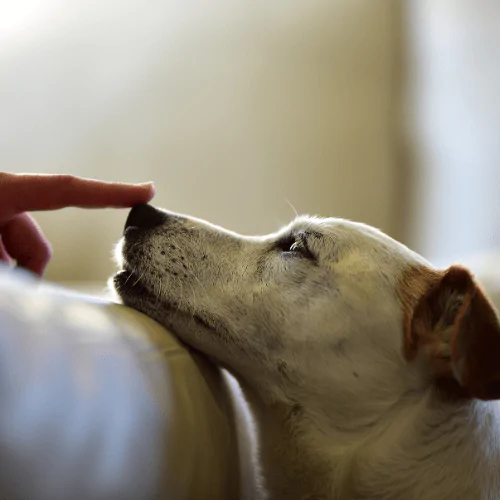
How to Handle Your Dog Safely
A head-to-tail guide for health checks and consensual care.
Philippa Short
23 February 2026
| 14 minutes read
Being a responsible dog owner means more than walks and playtime. It also involves confidently checking your dog from nose to tail so you can spot potential health issues early.
Expert dog behaviourist Philippa Short explains how to teach your dog to feel comfortable with handling, why consent matters and how to carry out thorough at-home checks without causing stress.
- Why it’s important to learn how to handle your dog
- Laying groundwork for teaching your dog to be handled
> Step one – Read your dog’s body language
> Step two – Do a consent test with your dog - Why a dog may struggle being handled
- How to teach your dog consent-based handling
- How to condition your dog to be handled
> How long does it take to desensitise a dog to being handled? - Handling different parts of your dog’s body
Why learning to handle your dog properly matters
Every dog parent should feel confident examining their pet. Regular handling helps you:
- Spot cuts, lumps, bites or soreness early
- Monitor changes in skin, coat and body condition
- Reduce fear around vet visits
- Prevent defensive behaviour caused by rough or rushed handling
Dogs that aren’t used to being handled respectfully may develop fear or aggression. In some cases, this can lead to heavy sedation being needed just for routine veterinary care.
Teaching your dog to feel safe during handling is an investment in their lifelong wellbeing.
Start with the basics: build positive experiences
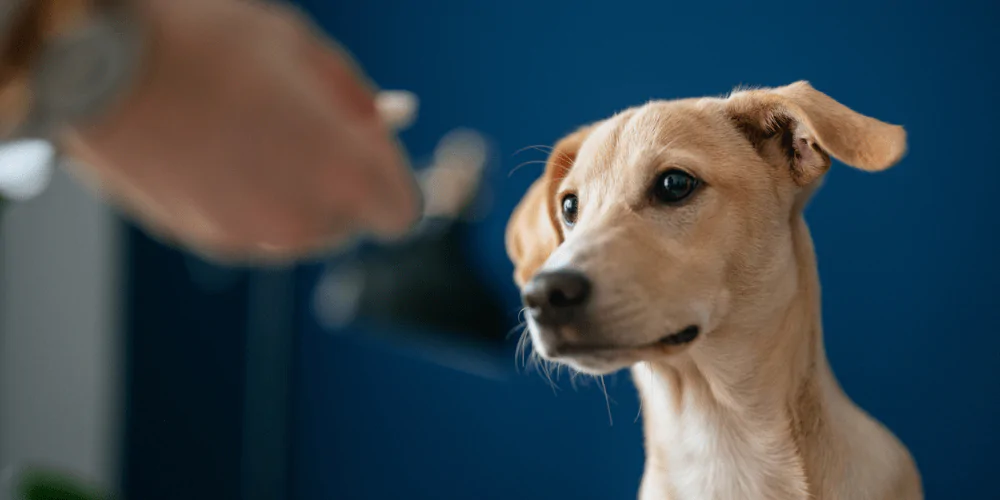
Short, successful sessions are the way forward. Keep interactions brief, use high-value rewards and avoid rushing through steps. Progress should always happen at your dog’s pace.
Step one: understand your dog’s body language
Before touching any body part, learn to recognise early signs of discomfort.
Subtle signals your dog may be uneasy include:
- Slightly pulling away from your hand
- Lowered posture
- Flattened ears
- Lip licking
- Head lowering
- Showing the whites of the eyes (‘whale eye’)
- Wrinkling the forehead
- Lifting a paw
If these warnings are ignored, dogs may escalate to clearer signals such as growling, snapping, lunging or biting. Bites rarely happen ‘out of nowhere’ – they usually follow missed communication.
Step two: use a consent test
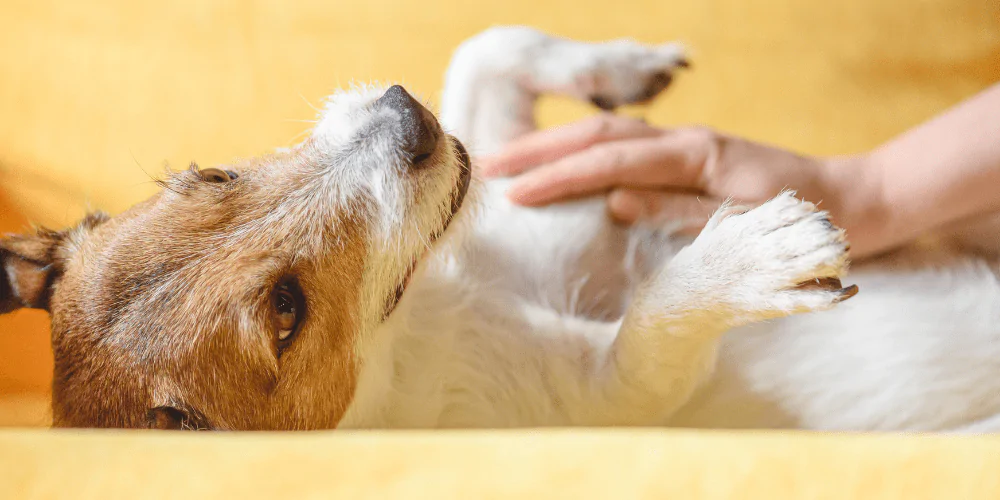
A consent test helps you check whether your dog is comfortable being touched.
Invite your dog towards your hands or slowly bring your hands into view. Gently touch for two to three seconds, then remove your hands.
If your dog remains relaxed and engaged, you can continue briefly. If they turn away or show discomfort, pause or stop. Consent should always guide the interaction.
Why some dogs struggle with handling
Certain areas are more sensitive than others, including tails, inner thighs, back legs and feet – areas that aren’t commonly petted.
Other reasons a dog may resist handling include:
- Pain or a previous injury
- Adolescence and body changes
- Age-related stiffness
- Lack of early socialisation
- Past trauma
If you suspect pain, be sure to get it checked out at the vet.
Teaching consent-based handling
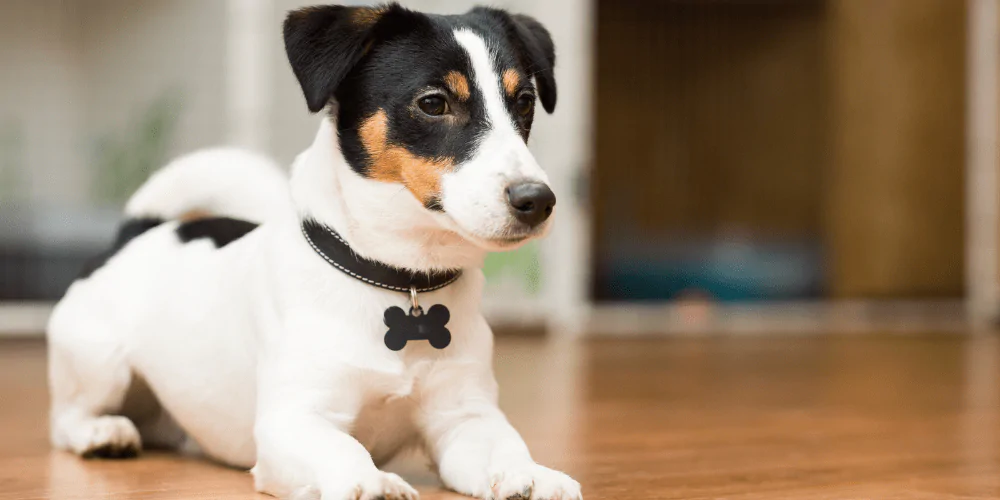
Consent-based handling allows your dog to communicate when they’re ready, when they need a break or when they want to stop.
One well-known method is Chirag Patel’s ‘bucket game’. A container of treats is placed in front of your dog. You gently handle them while they remain calmly focused on the bucket. If they look away or disengage, handling stops immediately. If they walk away entirely, the session ends.
This approach teaches your dog that they are in control – and that builds trust.
You can adapt this method by:
- Using a specific mat or area where handling always takes place
- Teaching a chin rest cue as a signal of readiness
- Ending contact immediately when your dog moves away
Conditioning your dog to accept health checks
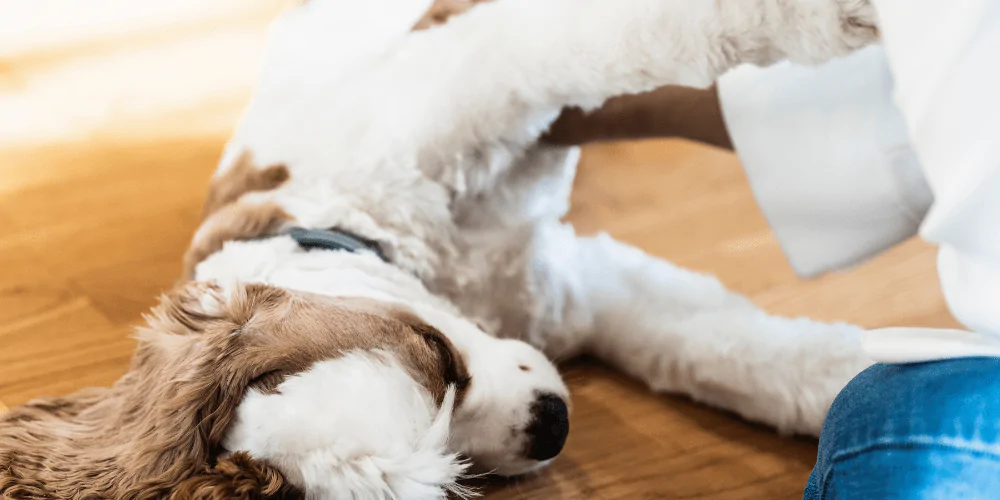
Handling is different from petting. It involves thoroughly feeling and examining body parts.
Choose a predictable location for checks, such as a mat or towel. Keep treats visible but not in your hand, so your dog isn’t distracted or frustrated.
Move predictably from one body part to the next. Keep one hand in contact while sliding to a new area, or move methodically from top to bottom.
Run your fingers gently against the direction of fur growth to check the skin underneath. Look for:
- Lumps or bumps
- Cuts or scratches
- Thorns
- Skin irritation
Don’t forget to give praise and reward throughout.
If your dog resists a particular area, break it into smaller steps. For example, when working towards touching an ear, first raise your hand and reward – then move closer gradually before making contact.
Short, frequent sessions work best.
How long does desensitisation take?
It depends on the reason for discomfort. Dogs with a history of trauma may need longer. Patience is essential – rushing will damage trust and set progress back.
If you’re struggling, seek guidance from a qualified behaviourist.
How to check each part of your dog’s body
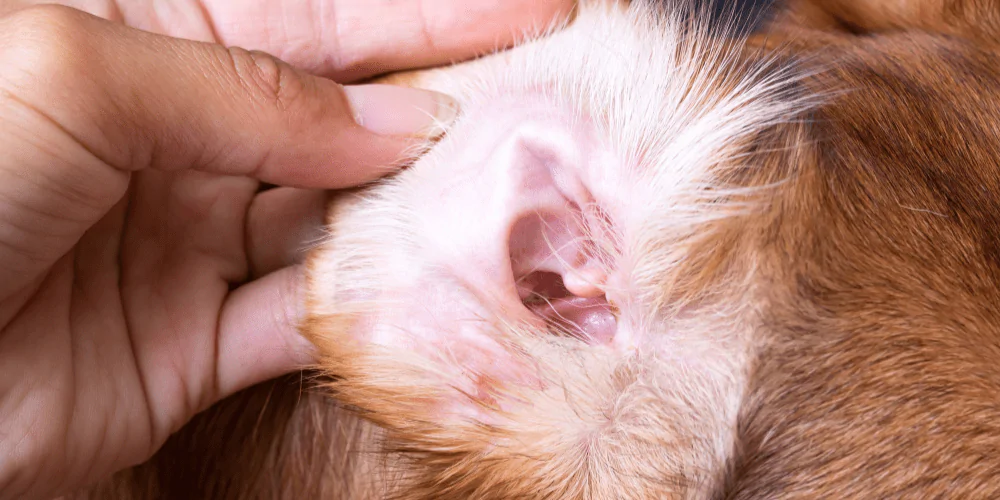
Ears
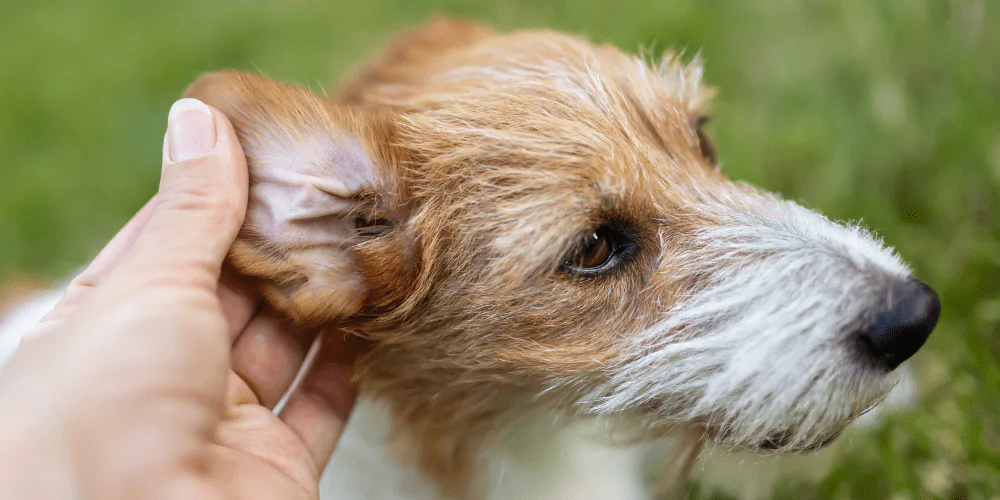
Gently examine the base, inside and outside of the ear flap. Look for debris, thorns and unusual smells such as yeast. Never pull ears against their natural position.
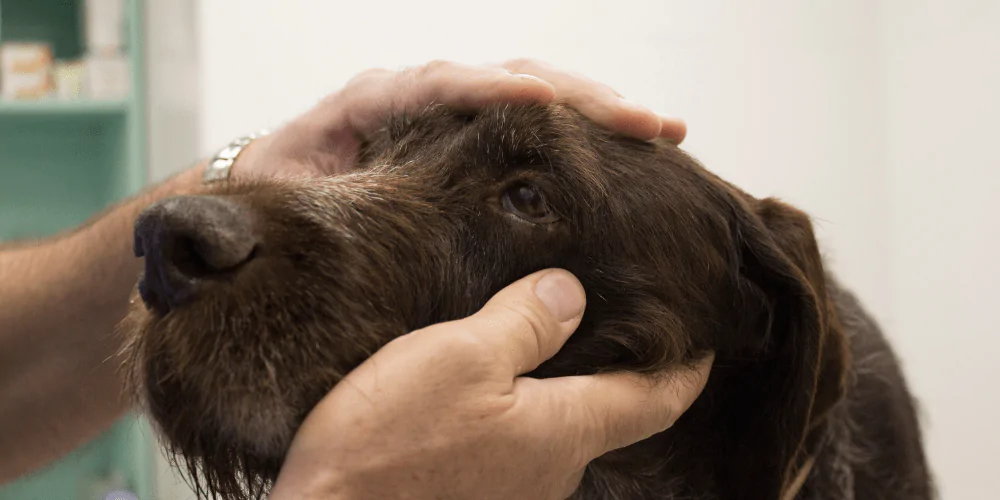
Eyes
Approach calmly, as direct staring can feel threatening. Gently lower the eyelid to check for redness, discharge or irritation. Seek veterinary advice promptly if you’re concerned.
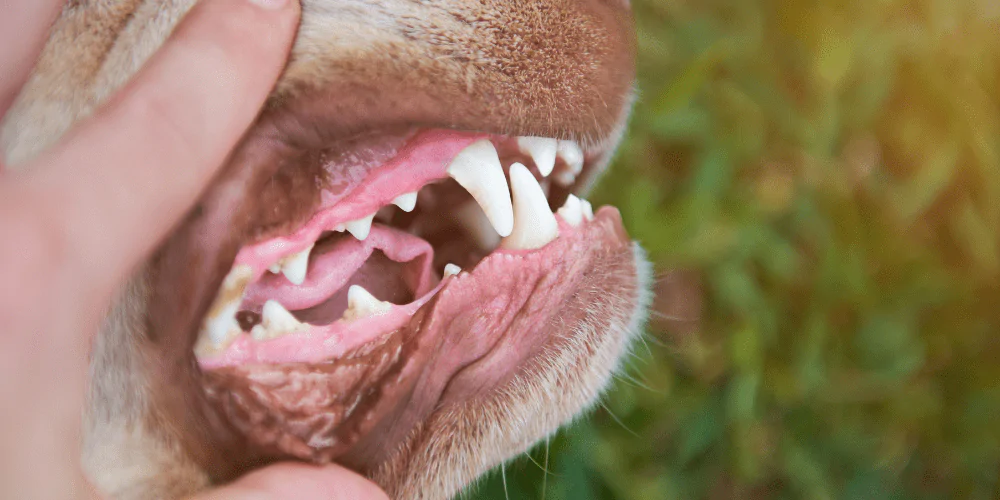
Mouth and muzzle
Being able to examine your dog’s mouth is really important. With consent, gently lift the lip to inspect teeth and gums. Look for redness, tartar build-up or sores. Check their nostrils for discharge or cracking.
Neck and shoulders
Run your fingers through the coat and feel for lumps, bumps or embedded objects.
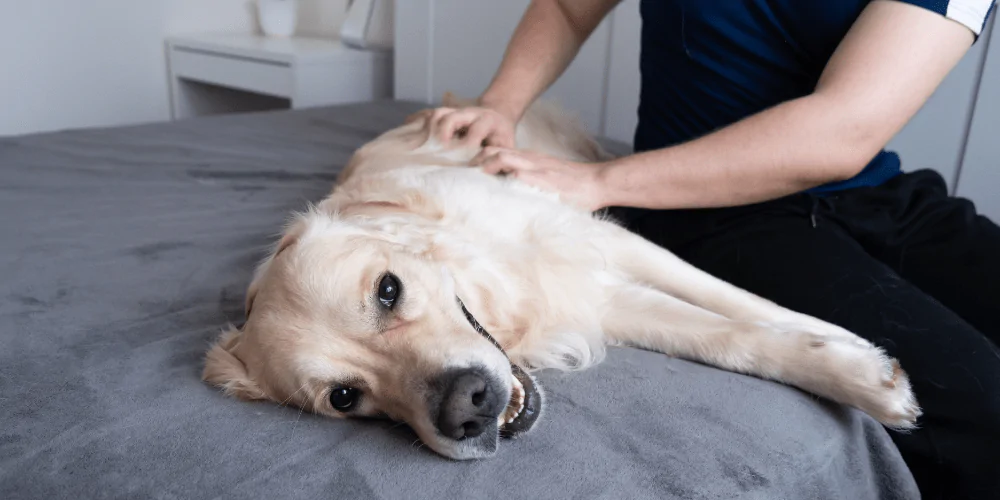
Back and belly
Although often petted, these areas still need proper checking. Look for nettles, seeds or skin irritation.
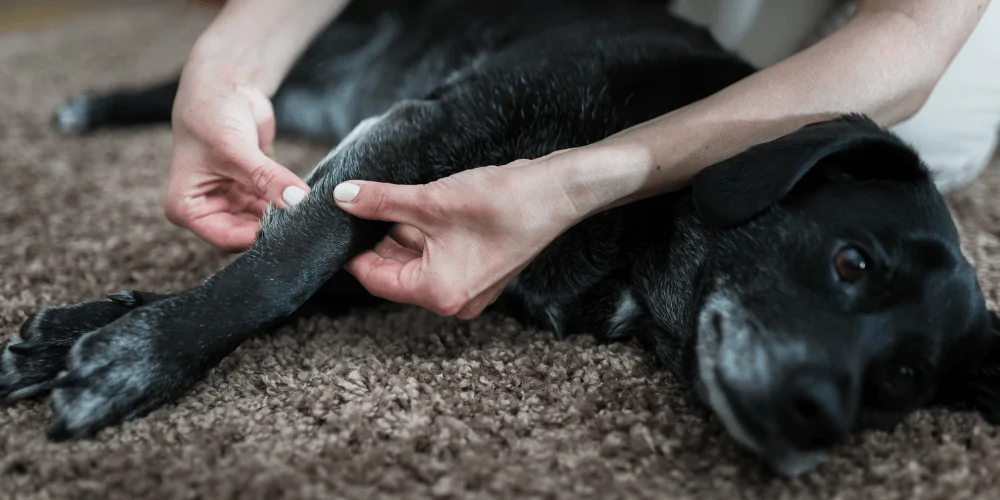
Legs
Always move legs in their natural range of motion. Check joints, inner thighs and armpits for lumps, ticks or yeast. Be mindful of sensitive veins.
Feet
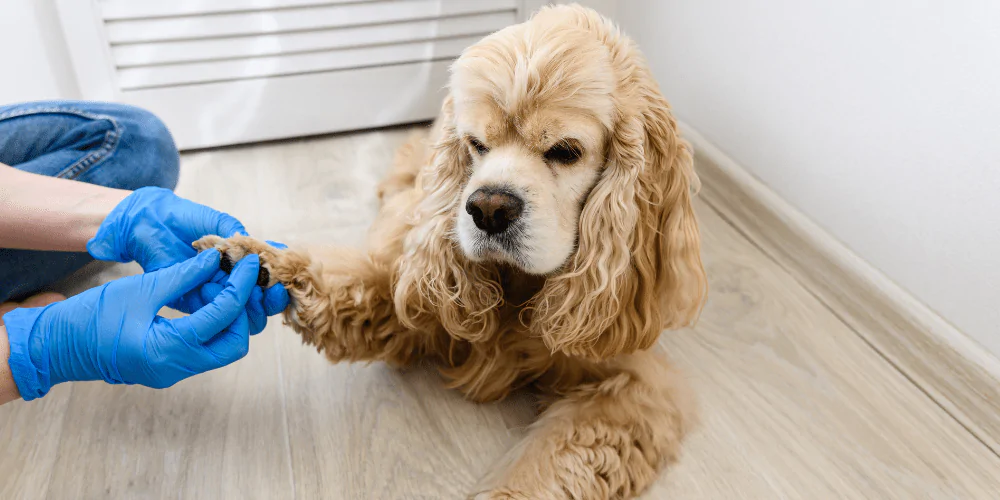
Inspect each toe and pad carefully. Look for torn nails, cysts, cuts or matting between pads. Check for lodged ice in winter.
Genitals and rear
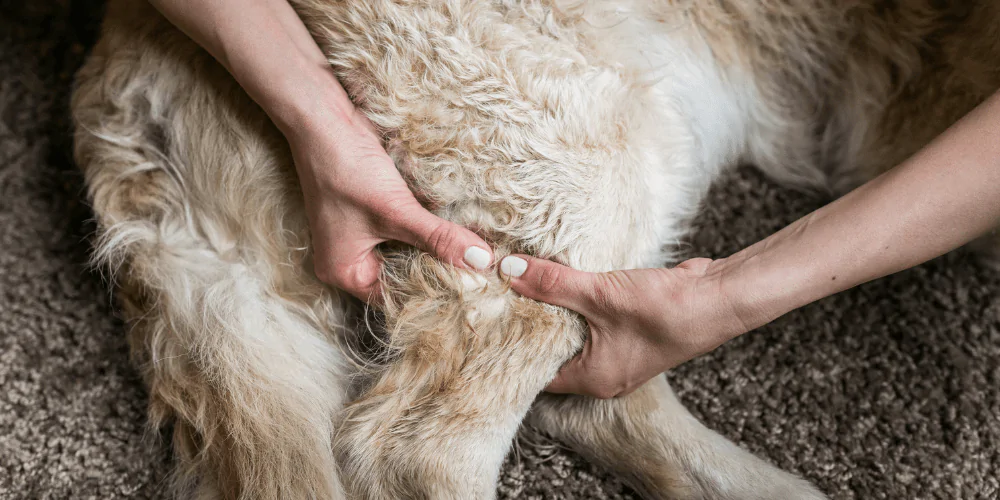
Examine gently for discharge, ticks, swelling or rashes. Regular checks make vet procedures such as temperature-taking less stressful.
Tail
Check along the entire tail, respecting its natural resting position. Avoid forcing it upward or downward.
The importance of handling
Regular, respectful handling builds trust and helps you detect potential health concerns early. Teaching consent-based care not only improves cooperation but strengthens your bond with your dog.
And if you ever notice something unusual during a check, contact your vet promptly. Early action can prevent small problems from becoming serious ones.
Protect your dog from the unexpected with flexible dog insurance from Petgevity.

