
Dealing with the puppy blues
Vet tips for coping with regret, stress and overwhelming feelings after getting a puppy.

Owe Carter
2 March 2026
| 7 minutes read
Bringing home a puppy is supposed to be one of life’s happiest moments. And it is… But it can also be exhausting, emotional and unexpectedly overwhelming.
If you’ve found yourself feeling anxious, tearful or even questioning your decision, you’re not alone. Many new dog owners experience what’s commonly known as the puppy blues. Learn why these feelings happen and how to look after your mental health.
- Is it normal to feel regret after getting a puppy?
- Why can a puppy affect your mental health?
- How to cope with the puppy blues
- When does it get easier?
Is it normal to feel regret after getting a puppy?
Yes, completely!
The puppy blues describe the emotional dip that can follow the initial excitement of bringing a new dog home. New owners often report feeling:
- Sad or tearful
- Anxious
- Stressed
- Overwhelmed
- Nostalgic for their pre-puppy routine
There can also be guilt for not feeling ‘grateful enough’. But these emotions are far more common than people realise.
A puppy represents a huge life change. It’s natural for that adjustment period to feel rocky.
Why can a puppy affect your mental health?
Puppies are wonderful, but they’re demanding. Like babies, they rely on you for everything. They also need training, structure and constant supervision.
That combination of responsibility, sleep disruption and behavioural challenges can take a toll.
Here are some of the biggest stress triggers for new puppy parents.
Disrupted routines and sleep
Any structure you may have had before gets totally upended. Your schedule suddenly revolves around:
- Night-time toilet breaks
- Early mornings
- Feeding schedules
- Training sessions
- Gradually building up time alone
Sleep deprivation alone can significantly impact mood and resilience.
A new lifestyle
Life changes fast when a puppy arrives. You may need to:
- Limit time away from home, as young puppies shouldn’t be left for long periods
- Budget for food, vaccinations, neutering and puppy insurance
- Decline spontaneous social plans
- Arrange pet care if you’re out for extended periods
With average annual dog ownership costs in the UK often running into the thousands once food, insurance and vet care are factored in, financial pressure can add to stress.
Damage around the home
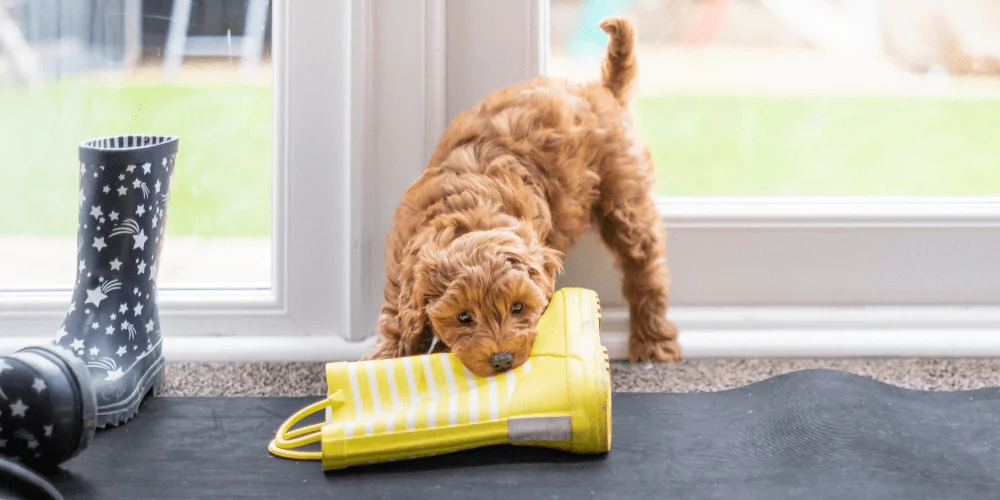
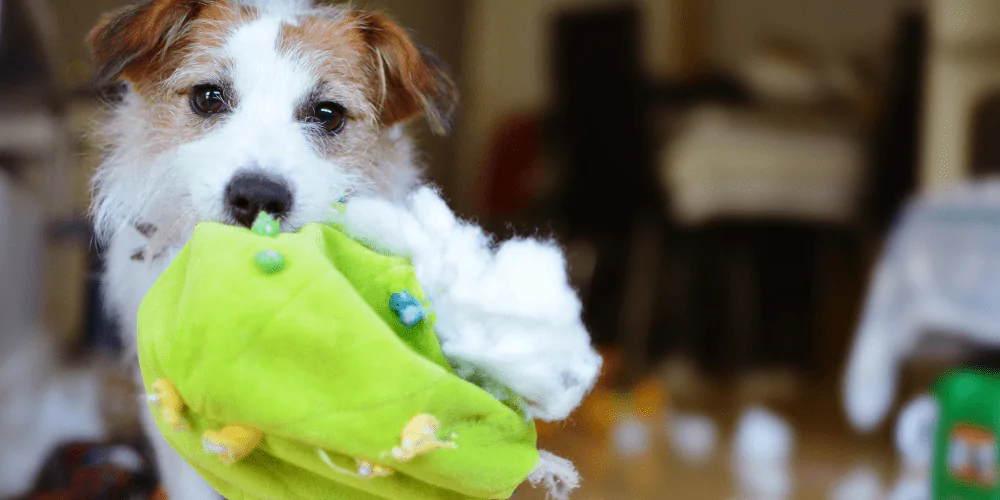
Chewed slippers. Gnawed table legs. Carpet accidents.
Even the most prepared owner can feel frustrated when their home becomes a training ground for a baby shark.
Challenging behaviour
Common puppy behaviours that test patience include:
- Barking during the night
- Toilet accidents
- Lead pulling
- Chewing
- Poor recall, or ignoring you
- Nipping
These behaviours are normal developmental stages, but they can feel relentless.
Self-doubt
Comparing yourself to other dog owners (especially online) can lead to second-guessing every decision.
‘Am I feeding the right food?’
‘Am I training correctly?’
‘Am I doing enough?’
This pressure can amplify the emotional strain.

How to cope with the puppy blues
The first step is simple but effective: be kind to yourself. You’re learning a completely new role.
Here are some practical ways to help ease the transition.
Puppy-proof your home
When you reduce the amount of risk, hopefully your stress levels will follow suit.
- Use stair gates to limit access
- Store toxic foods safely (including chocolate, grapes and onions)
- Remove poisonous plants
- Provide safe chew toys such as stuffed Kongs
- Create a calm crate space for downtime
A well-prepared environment gives you peace of mind and gives your puppy structure. Find out more about getting your home puppy-ready with this checklist.
Build flexible routines
Structure is important… But rigidity can backfire.
Instead of feeding or walking at the exact same minute every day, use time windows. For example:
- Breakfast between 7am and 8am
- Walk between 5pm and 6pm
This prevents your puppy from becoming overly dependent on fixed times and reduces anxiety if plans change.
Start positive training early
Reward-based training builds communication and confidence for both of you.
Focus on:
- Recall
- Handling
- “Leave it”
- Calm behaviour
Keep sessions short and upbeat. Mental enrichment is just as important as physical exercise – a stimulated puppy is less likely to be destructive.
Seek professional help if needed
If you’re struggling with biting, toilet training or fear-based behaviours, don’t wait.
Qualified trainers and behaviourists can provide tailored guidance. Your vet can also rule out medical causes if behaviour changes seem unusual.
Connect with other dog owners
Joining local dog groups or online forums can normalise what you’re experiencing.
Hearing “mine did that too” can be incredibly reassuring. And puppy parents are usually very happy to share stories and advice.
Protect yourself financially
Unexpected vet bills can add another layer of stress. Comprehensive dog insurance can provide reassurance during those unpredictable early months.
Financial peace of mind often eases emotional pressure too.

When does it get easier?
The honest answer? Gradually.
The first few months are the most intense. As your puppy settles, sleeps through the night and understands household rules, things begin to feel manageable.
Every dog develops at their own pace, so – while it’s good to hear about other owners’ experiences – it’s best to avoid comparisons if you can.
There may be another wobble during adolescence: the ‘teenage’ dog phase where training seems forgotten. This is completely normal, and mercifully temporary.
With patience, consistency and support, your whirlwind puppy will grow into a steady and loyal adult companion.

