Your need-to-knows about feline infectious peritonitis (FIP) 😿
A clear guide to the signs, diagnosis, treatment and prevention of FIP.

Owe Carter
22 October 2026
| 4 minutes read
Reviewed by Dr Nicole Olewinski – BVSc MRCVS
Feline infectious peritonitis (FIP) is one of the more frightening diagnoses a cat owner can hear – but it’s also an area where veterinary medicine has moved on hugely in recent years.
Here you can learn how to recognise the signs of this rare strain of feline coronavirus, how it’s diagnosed and treated, and how to help keep your cat safe.
- What is feline infectious peritonitis (FIP)?
> How does a cat get FIP? - What are the symptoms of FIP?
- Diagnosing FIP
- How to treat FIP
- How to help prevent FIP
- Other questions about FIP
> Can cats get COVID?
> Is FIP contagious to humans?
> Is FIP contagious to dogs?
What is feline infectious peritonitis (FIP)? ❓
FIP is caused by mutation of the feline coronavirus (FeCV), a virus that’s very common in UK cats. It usually causes nothing worse than mild diarrhoea, if any symptoms at all. Although in some cats, after infection, the virus changes into something much more dangerous.
Feline infectious peritonitis can take two forms:
- Wet (effusive) – causes a build-up of fluid in the abdomen or chest
- Dry (non-effusive) – causes inflammation and changes in organs like the lungs, eyes or brain.
Cats don’t seem to catch the mutated form of the virus from each other. But feline coronavirus does spread easily, especially in shelters and multi-cat households.
How does a cat get FIP?
Cats typically pick up feline coronavirus:
- From other infected cats
- As kittens, if their mother is infected during pregnancy
The virus is mainly found in cat faeces. And although it doesn’t last more than a couple of days at room temperature in dirty litter, dried faeces or in cool temperatures, it can survive several weeks.
It’s a virus that’s easy to accidentally transport – for example, on clothing, shoes or food bowls – but it’s also fairly easy to kill with heat and by cleaning.
Most cats who catch feline coronavirus fight it off without any lasting problems. In a small number of cases though, the virus mutates into FIP. It’s still not fully understood what triggers this mutation, although possible contributing factors include:
- Young age – FIP is most common in cats under two years old
- Stress
- A weak or developing immune system
Being male – some studies suggest male cats may be slightly more likely to develop FIP than females
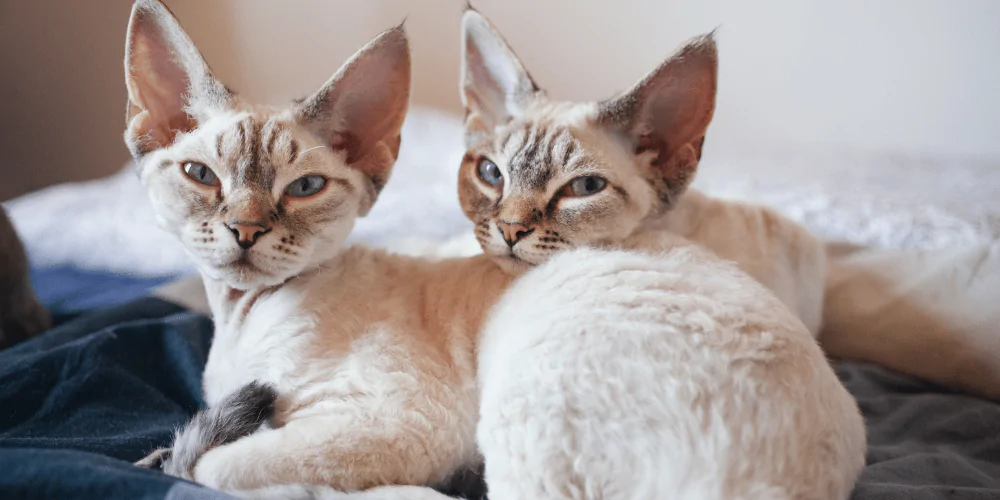
Any cat can develop FIP, but some breeds appear to be more vulnerable, including:
- Abyssinian
- Bengal
- Birman
- Ragdoll
- Devon Rex
Generally speaking, pedigree breeds seem to be slightly more susceptible to FIP than non-pedigrees and moggies.
What are the symptoms of FIP? 👀
The symptoms of FIP depend on which form of the disease your cat has developed. Always speak to your vet if you’re worried your cat is unwell.
Signs of wet FIP
- A swollen abdomen is the classic symptom
- Loss of appetite
- Difficulty breathing
Signs of dry FIP
- Lethargy
- Increased thirst and urination
- Weight loss
- Jaundice (yellowing of the gums, skin or eyes)
The signs of dry FIP can vary a great deal or mimic the signs of other diseases, making it more difficult to spot.
Diagnosing FIP 🔬
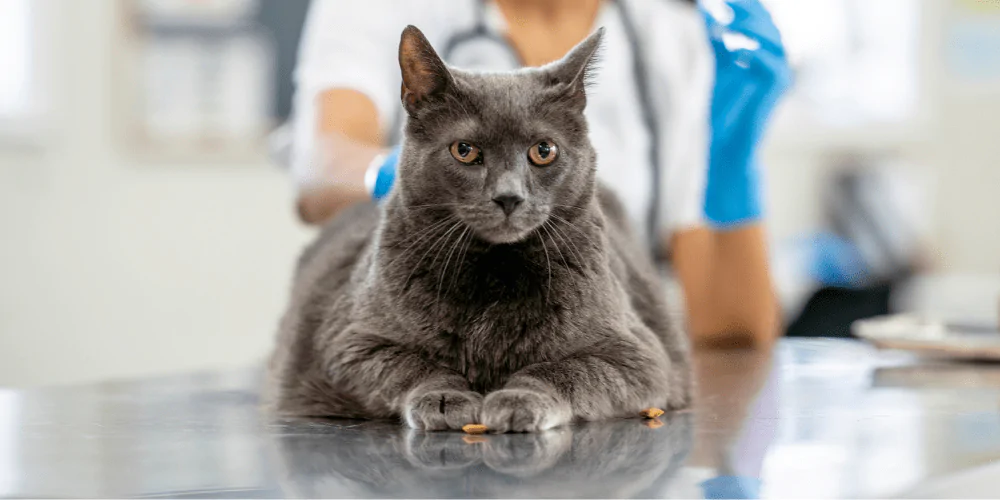
Diagnosing FIP can be genuinely difficult. Because it’s not just viral infection – it’s viral mutation – there’s no single specific blood test for it, and many of its symptoms overlap with other conditions.
Your vet will typically run a combination of tests and scans to check for:
- Inflammatory proteins
- Fluid build-up
- Other abnormalities
- Coronavirus antibody (titre) levels
If your cat is well enough, your vet may also take a biopsy of any inflamed tissue to help confirm the diagnosis.
How to treat FIP 💊
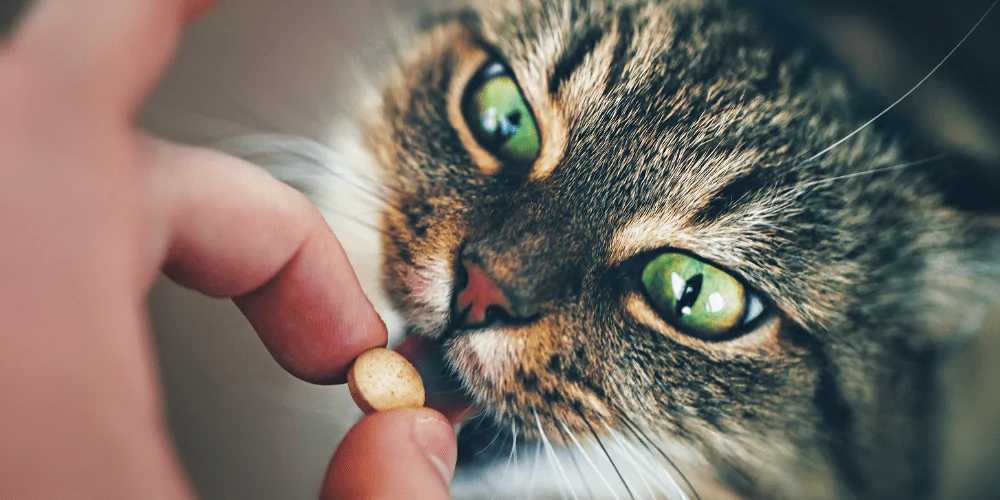
Until recently, FIP was considered almost universally fatal. That’s changed significantly: antiviral drugs are now legally available for UK vets to prescribe, with good recovery rates when treatment starts promptly.
These antivirals aren’t formally ‘licensed’ medicines in the usual sense – there’s currently no product with a standard UK marketing authorisation for FIP. But they are legally and safely available to your vet through specialist veterinary pharmaceutical suppliers, under what’s known as the prescribing cascade.
Treatment should be recommended by your vet. If you intend to source the medication online, you should only use VMD-accredited, government-approved pharmacies. Otherwise, buying online carries real risks around quality, dosing and safety.
A typical course of treatment involves:
- Admitting your cat to a vet hospital for a few days for close monitoring, often starting with an antiviral given by injection or drip.
- Continuing antiviral treatment, usually by injection or orally, for roughly 12 weeks in total. Your cat may need to stay with the vet initially so they can watch for side effects, before you’re able to continue treatment at home.
- Following up with a period of monitoring after treatment ends, to check for relapse.
Treatment costs can vary quite a bit depending on your cat’s weight, the form of FIP, and what your vet recommends. Costs can vary from just over £1,000 to £6,000 for a full course. According to Petgevity claims data, the average settlement in 2025 was £1,020 – although most claims are for ongoing treatments, which tend to be cheaper than first treatment. It’s also down from £1,481 in 2023, which suggests the cost of treatment is dropping in general.
It’s worth asking your vet for an up-to-date estimate for your cat’s specific situation though, since prices and protocols in this fast-moving area can change.
That’s exactly why it’s worth thinking about cover in advance. Learn more about how to choose the right pet insurance for your cat.
How to help prevent FIP 🛡️
The only way to avoid FIP entirely is to stop your cat catching feline coronavirus in the first place. In practice, this means both you and your cat avoiding contact with other cats and cat faeces altogether.
Since that’s practically impossible to achieve fully, a few sensible steps can help reduce the risk and catch problems early:
- Clean litter trays daily
- Keep food and water bowls away from litter trays
- Stay on top of your cat’s regular vaccinations – there’s currently no FIP-specific vaccine available in the UK, but keeping up with your cat’s core vaccinations supports their general health and immune function
- Keep an eye out for any symptoms or signs that your cat seems unwell
- Improve outdoor fencing, or consider keeping cats indoors, if you’re aware of FIP cases in your local area
A vet’s view 👩⚕️
“Since I qualified in 2006, I’ve seen a dramatic change in how we approach FIP. We’ve gone from preparing owners to say goodbye, often to very young cats, to seeing fluid-filled bellies gradually go down as treatment takes effect. That’s an extraordinary change, but the outlook isn’t universally positive.
“FIP can progress rapidly, mimic other diseases and – particularly in its non-effusive (dry) form – be notoriously difficult to diagnose. Sadly, there are still cats that don’t get a happy ending. It’s also important to understand that cats who respond successfully to treatment aren’t necessarily considered permanently cured. They’re generally regarded as being in remission, as we can’t definitively prove that all virus has been eliminated from the body. Relapse is possible, and recovery doesn’t mean a cat is immune to future infection.
“So, while suspecting FIP no longer brings that same sinking feeling, it does mean I spring into action quickly. Owners need to understand that treatment can be intensive, particularly in the early stages. Depending on the protocol, it may involve weeks of daily trips to the vet for injections, alongside other treatments and nursing care at home. But that’s a far more hopeful conversation than those I had when I first qualified.”
Dr Nicole Olewinski – BVSc MRCVS

Other questions about FIP ❓
Can cats get COVID?
Cats can get poorly from their own strain of coronavirus, feline coronavirus – but this is a different virus to COVID-19.
COVID-19 itself is very rare in cats, and only mild symptoms have been reported in the small number of confirmed cases.
It’s possible for a cat’s fur to carry COVID-19 on its surface, much like other household surfaces. So if someone in your home has COVID-19, it’s sensible to take the usual precautions and reduce close contact where you can.
Is FIP contagious to humans?
No. Feline coronavirus and feline infectious peritonitis only affect cats, so there’s no risk of either passing to you.
Is FIP contagious to dogs?
No. Dogs can be affected by their own, different strains of coronavirus, known as canine enteric coronavirus (CECoV) and canine respiratory coronavirus (CRCoV).
Keep your favourite feline happy and healthy with flexible cat cover from Petgevity pet insurance.

