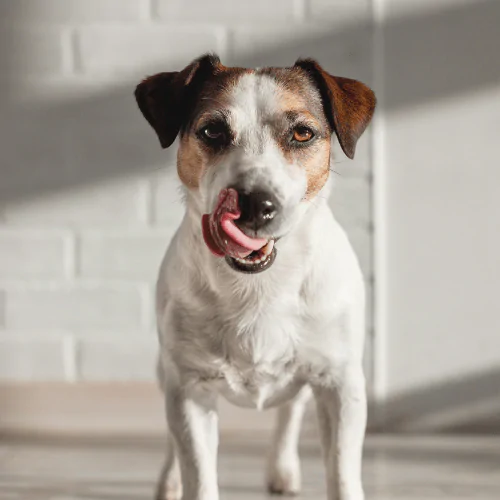
Why do dogs lick?
Dog licking: Why do they do it and what does it mean?

Philippa Short
20 January 2026
| 7 minutes read
What would life with a dog be without the occasional slobbery kiss?
While it’s easy to assume licking is simply your dog’s way of showing affection, this behaviour actually has a wide range of meanings.
Expert dog behaviourist Philippa Short explains why dogs lick, what it can tell you, and how to manage it if things get a little over the top.
- What does licking mean for dogs?
- Why is my dog always licking me?
- Why licking can be good for dogs
> When licking crosses the line - How to reduce excessive licking
- Practical ways to manage licking behaviours
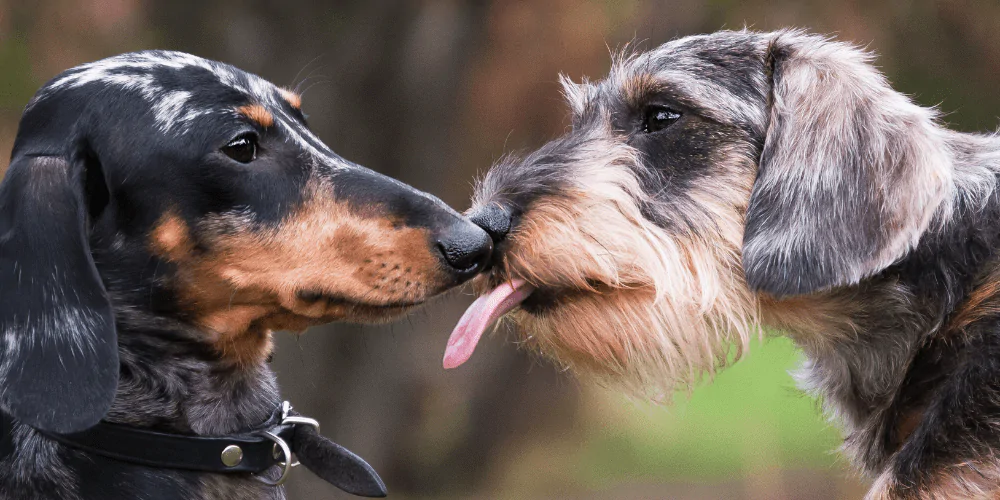
What does licking mean for dogs?
Licking is a form of communication. Through it, dogs can express emotions, relieve discomfort or respond to what’s happening around them.
In many cases, licking has a calming effect. It triggers the release of soothing hormones and can help dogs regulate their emotions. They may lick people, themselves, other animals, or even objects and surfaces.
However, calming behaviour is just one piece of the puzzle. Dogs lick for many different reasons.
Mating and courtship behaviour
A quick lick from a teenage male dog or a female in season can sometimes signal that humping behaviour is about to follow. If your arm or leg suddenly becomes the target, this may be what’s going on.
Helping digestion
Some dogs lick briefly after eating, which may help stimulate digestion. But persistent licking after meals can point to discomfort or stomach pain. In these cases, your dog’s food might not suit them.
Sampling scents in the air
Dogs experience the world through scent. Licking the air can be a way of ‘tasting’ smells – whether that’s food aromas or pheromones left behind by other dogs.
Phantom pregnancy
Dogs experiencing a phantom pregnancy may lick their nipples to ease soreness or pressure caused by milk production.
They might also lick your hands, arms or toys as a substitute nursing behaviour.
Grooming and bonding
When you stroke your dog, they may respond with grooming behaviours. This can include gentle nibbling followed by licking, mimicking how dogs groom each other to settle fur back into place.
Puppy suckling behaviour
Puppies that leave their mother too early sometimes seek comfort by suckling hands or skin. Human skin doesn’t replicate their mum’s teats very well, so licking often replaces proper suckling.
Young pups may also lick around people’s mouths, similar to how they lick their mother’s muzzle to encourage regurgitated food.
Indicators of pain
Licking without an obvious cause can sometimes mean your dog is in pain.
Dogs will often lick the area that hurts. But if the discomfort is internal or hard to reach – such as abdominal pain – they may lick the air instead, seemingly out of frustration.
This behaviour is common in brachycephalic breeds like Bulldogs, especially those prone to sore or infected tail pockets.
Detecting changes in their humans
Occasionally, a dog will become fixated on licking one specific area of their owner’s body. Dogs have an exceptional sense of smell and may notice changes we can’t.
If this behaviour is sudden, intense and focused on the same spot, you might consider visiting your GP.
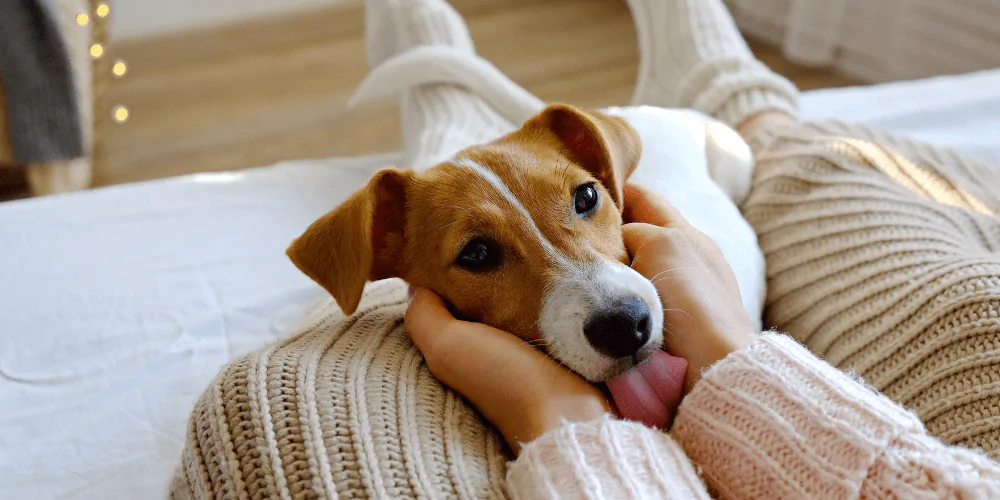
Why is my dog always licking me?
Sometimes, the answer is simple – you taste interesting.
Dogs may lick their owners because they enjoy:
- The salty taste of sweat
- The smell or flavour of lotions and creams
- Grooming wet skin after a bath or shower
- Gaining attention or interaction
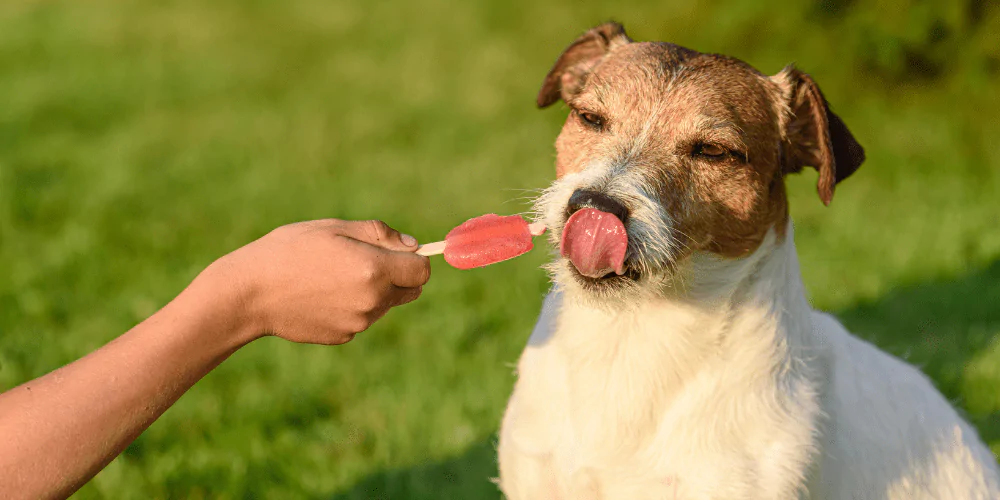
Why licking can be good for your dog
Licking isn’t a bad habit in itself. In fact, having appropriate outlets for licking can be beneficial.
Healthy licking activities can:
- Promote relaxation
- Ease anxiety
- Provide mental enrichment
- Engage sensory systems such as touch and smell
- Slow down eating
Positive ways to encourage healthy licking include:
- Licky mats
- Slow feeder bowls
- Stuffed food toys or puzzle feeders
The good news is you don’t need to buy anything fancy. You can easily make your own:
- Wash an empty takeaway container thoroughly
- Soak some kibble in warm water until it swells
- Mix with a dog-safe food your dog enjoys (such as mashed banana or natural peanut butter)
- Freeze the mixture
- Offer it once fully frozen for a calming licking session
When licking crosses the line
Licking can become an issue when it’s excessive. Generally, what counts as ‘too much’ is up to you.
If you’re comfortable with your dog licking you, it’s important to be consistent. For example, it’s confusing for dogs to be allowed to lick you but then told off for licking visitors.
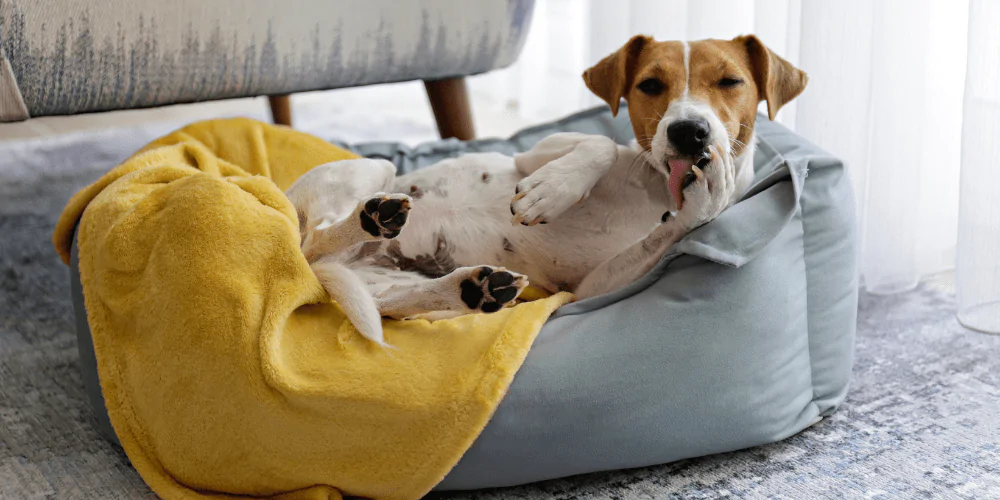
How to reduce excessive licking
Sudden, obsessive or unusual licking should always be checked by a vet. Medical causes such as gastrointestinal discomfort need ruling out first.
If licking is being used as a coping mechanism or as an intense bonding behaviour, support from a qualified dog behaviourist is probably a good idea.
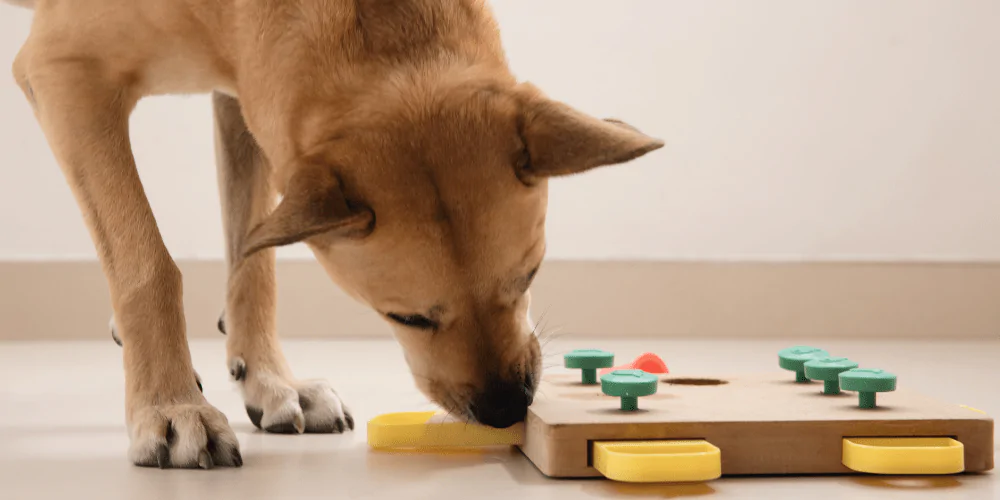
Practical ways to manage different licking behaviours
Managing licking linked to humping
You have two main approaches here:
- Accept it as natural behaviour and redirect it using training – for example, asking your dog to go to their bed or offering a licky mat
- Speak to your vet about neutering – castration for males, spaying for females (bearing in mind females usually only show this behaviour while in season)
Managing licking after meals
Persistent post-meal licking may mean your dog needs to:
- Eat more slowly – breeds like Labradors and Spaniels often benefit from slow feeder bowls
- Eat smaller, more frequent meals – younger dogs transitioning from four meals to three may struggle with larger portions
If neither applies, consider whether their food is suitable. A change in protein or advice from a pet nutritionist may help.
Managing air licking
Air licking linked to scenting is common, particularly in male dogs checking whether nearby females are in season. This behaviour usually fades once females are no longer in heat.
Managing phantom pregnancy licking
Excessive licking of the undercarriage during a phantom pregnancy can increase the risk of mastitis.
Putting your dog in a t-shirt temporarily can help, but veterinary treatment is often needed to resolve symptoms fully.
Managing grooming-related licking
If your dog has started grooming you:
- Redirect light licking to a toy you can hold
- Use a licky mat for more persistent behaviour
You can also manage situations where licking becomes inappropriate:
- Walk past your dog after exercise and shower before interacting
- Dry off fully before re-engaging
- Allow creams or lotions to absorb and get dressed
- Training cues such as “sit and stay”, “down” or “go to bed” can also be useful
Managing puppy suckling and licking
Very young puppies may need some extra reassurance:
- Place a small licky mat against your body so they can stay close
- Gradually move the mat away as they gain confidence and maturity
Managing licking caused by pain or anxiety
Any dog obsessively licking one area of their body should be seen by a vet.
If anxiety is the underlying cause, a behaviourist should address the root issue rather than focusing solely on the licking.
Managing attention-seeking licking
Dogs lick for attention because it works – even negative reactions count.
To reduce this:
- Ignore the licking completely and calmly walk away
- Redirect your dog before they start licking by giving them a calm task, such as sitting beside you
- Change routines if licking happens at predictable times, offering toys or food puzzles instead
Is your dog generous with the kisses? Return the favour by protecting them with flexible dog insurance from Petgevity.

