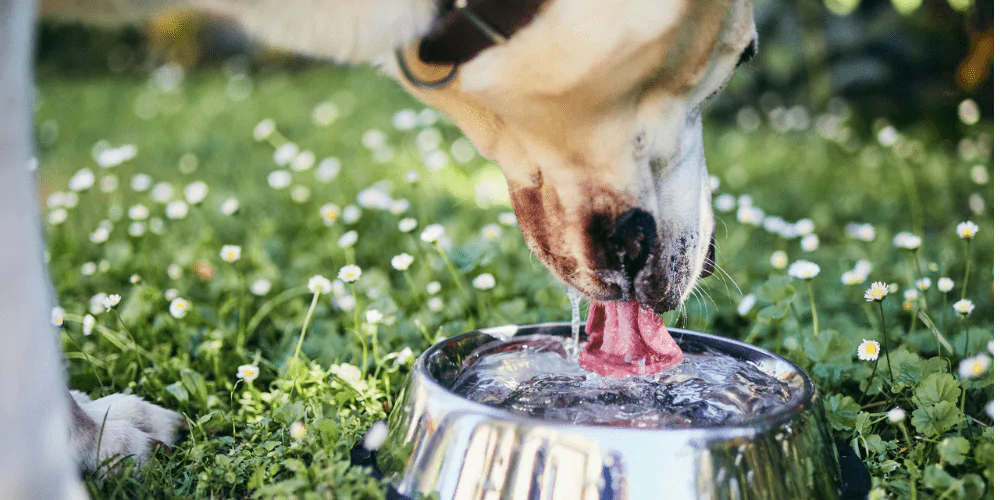
How often should you wash your dog’s water bowl?
Expert vet Dr Emma Chandley explains why daily cleaning matters.

Owe Carter
11 March 2026
Most dog owners refill their pet’s water bowl every day – but far fewer realise they should also be washing the bowl daily.
It might look clean at a glance, but bacteria can build up surprisingly quickly inside your dog’s bowl. According to veterinary advice, keeping it clean could help reduce health risks for your pet.
To raise awareness around pet hygiene, vet Dr Emma Chandley shares why washing your dog’s water bowl is such an important habit… and how to do it properly.
Another great way to look after your furry friend is with peace-of-mind dog insurance.
Why you should wash your dog’s water bowl every day
Many owners assume a quick rinse is enough if the bowl looks clean. But a thin layer of bacteria known as biofilm can develop on surfaces that regularly hold water.
Dr Emma Chandley explains: “I advise that owners wash their dog’s water bowl DAILY. Rinse thoroughly in hot soapy water – scrubbing inside and out for around 30 seconds – ensuring all residue is gone. Leave to air dry or wipe with a clean towel.
“This is because stagnant water bowls can harbour bacteria and environmental contaminants. In most healthy dogs, this will not lead to kidney damage… But repeated exposure to harmful bacteria could increase the risk of gastrointestinal illness or – in rare cases – ascending infections. Severe kidney infections, if left untreated, have the potential to cause longer-term renal damage.
“Chronic kidney disease (CKD) itself is a progressive condition in which the kidneys gradually lose their ability to filter waste products effectively.”
In other words, while an unwashed bowl isn’t guaranteed to cause illness, maintaining good hygiene can help reduce unnecessary exposure to bacteria.
Communal water bowls and travel bowls
As the weather warms up, many dog owners spend more time outdoors with their pets – whether that’s visiting pubs, cafés or heading out on long walks.
These environments often provide shared water bowls, which can expose dogs to bacteria from other animals. The same applies to portable bowls used during walks.
While communal bowls are convenient, it’s sensible to:
- Bring your own clean travel bowl where possible
- Rinse shared bowls before use
- Replace water regularly if you’re out for long periods
Good hygiene habits help reduce the risk of contamination.
What is chronic kidney disease in dogs?
Chronic kidney disease (CKD) is a long-term condition in which the kidneys gradually lose their ability to filter waste products from the bloodstream.
Dr Emma says awareness is important because early symptoms can be subtle:
“Early signs can be hard to spot. Increased thirst and urination are common but can develop gradually, so they may be overlooked. Some dogs lose weight slowly, are quieter than usual or seem slightly nauseous, which might present as lip licking or reduced appetite.
“As the disease advances, vomiting, lethargy, muscle loss and poor coat quality may become more obvious.”
Because the symptoms can develop slowly, many owners might not notice changes straight away.
Which dogs are more at risk?
Certain health conditions can increase the likelihood of kidney disease developing.
Dr Emma says: “Certain pre-existing conditions in dogs can increase the risk of developing CKD. These include chronic kidney infections, congenital kidney abnormalities, prolonged untreated dental disease, hypertension and endocrine disorders such as Cushing’s disease.
“If you have an older dog, age is also a significant factor, as kidney efficiency naturally declines over time. It’s worth checking whether your pet insurance covers pre-existing conditions – many standard policies don’t.”
Regular vet check-ups are important, particularly for older dogs or pets with underlying health issues.
Living with chronic kidney disease
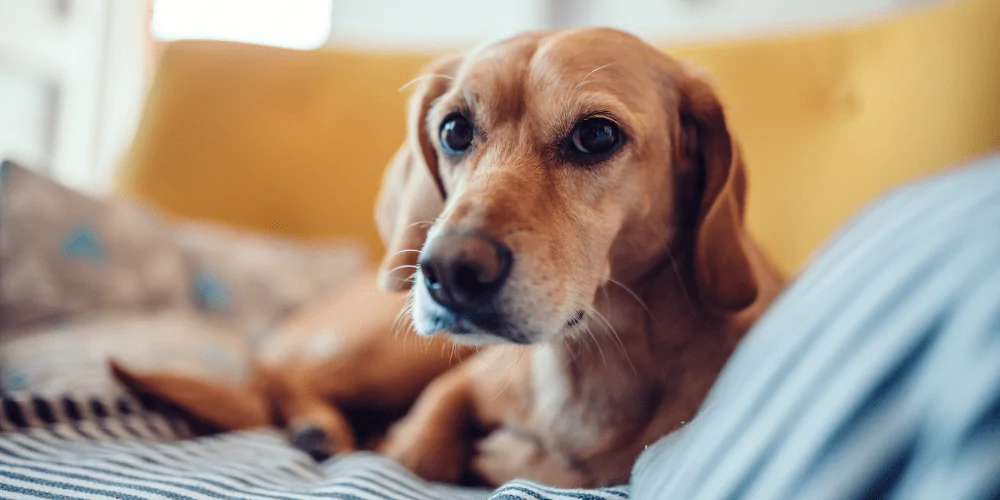
Although CKD can’t be cured, many dogs continue to enjoy a good quality of life with proper management and veterinary care.
Dr Emma says: “Management of CKD usually involves long-term treatment tailored to the individual dog. This often includes a prescription renal diet designed to reduce phosphorus intake (a mineral found in meat and fish that damaged kidneys struggle to process) and support kidney function.
“Some dogs require medications to control blood pressure, manage protein loss in the urine, reduce nausea, or bind excess phosphorus. In certain cases, fluid therapy may be advised.
“Although CKD cannot be reversed, many dogs can remain stable and comfortable for months or even years with appropriate monitoring and treatment. Regular testing of blood and urine allows your vet to make treatment adjustments if needed. This helps to maintain a good quality of life.
“Regular cleaning of water bowls is therefore sensible hygiene practice. While an unwashed bowl does not directly cause chronic kidney disease (CKD), poor hygiene can contribute to health risks that may indirectly affect overall wellbeing.”
A simple habit that supports your dog’s health
Washing your dog’s water bowl may seem like a small task, but it’s a simple way to support your pet’s overall health.
By cleaning it daily with hot soapy water and replacing the water regularly, you can help keep bacteria levels low – making sure your dog always has access to fresh, safe drinking water.

