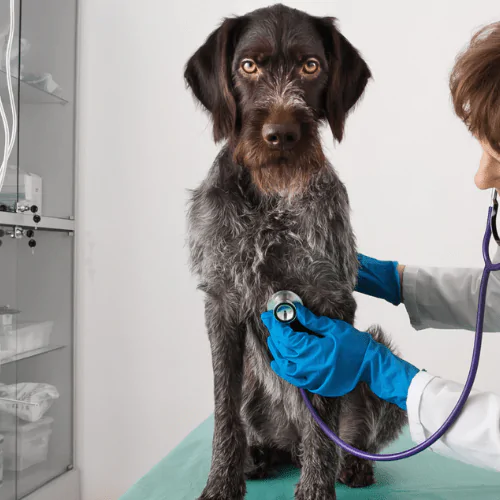
How to make vet visits less stressful for your pet
Top tips for making the vet less stressful, for both your pet and you.

Aisha-Lee Jackson
23 March 2026
| 4 minutes read
Trips to the vet can be nerve-racking for many cats and dogs. The unfamiliar smells, sounds and handling involved in an examination can leave some pets feeling anxious. This can make appointments stressful for both pets and their owners.
- Why is it important to take my pet to the vet?
> Benefits of keeping your pet calm at the vet - Why is my pet scared of the vet?
- How to prepare your pet for vet visits
- How to keep your pet calm during their vet visit
Why regular vet visits are important
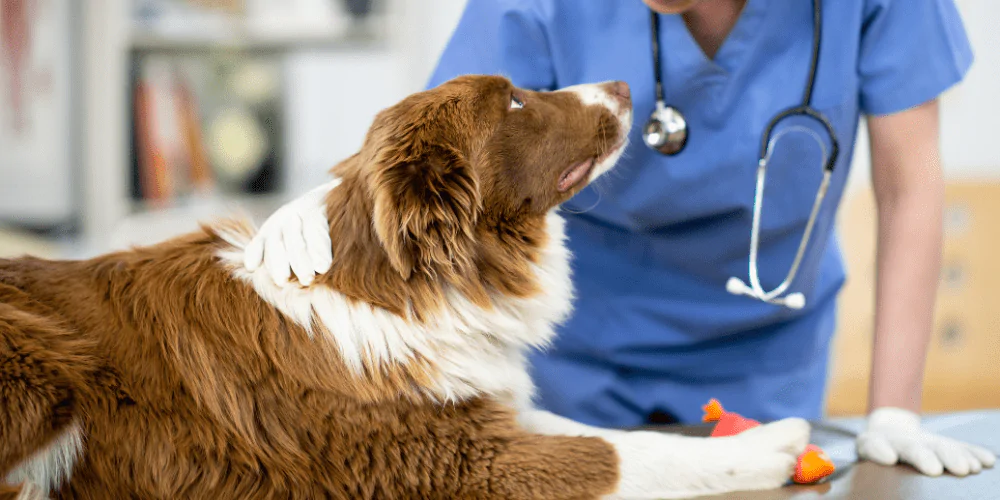
Routine veterinary care plays a major role in keeping your pet healthy. Regular appointments allow vets to monitor your pet’s wellbeing and identify potential health problems early.
Typical vet visits may include:
- Vaccination boosters for cats and dog boosters
- Routine health checks
- Diagnosis and treatment of illnesses or injuries
Your vet can also offer advice on areas such as nutrition, exercise and preventative care. If your pet develops a medical condition, they may discuss treatment options or lifestyle adjustments to help manage it.
Why it helps to keep your pet calm at the vet
Helping your pet feel relaxed during appointments can make the experience easier for everyone involved.
A calmer pet allows the vet to carry out examinations more effectively and safely. It can also make routine procedures – such as nail trimming, vaccinations or check-ups – quicker and less stressful.
When pets feel more comfortable at the clinic, owners are often more confident about attending regular appointments as well. This can improve overall health monitoring and reduce the risk of problems going unnoticed.
Why some pets are nervous of the vet
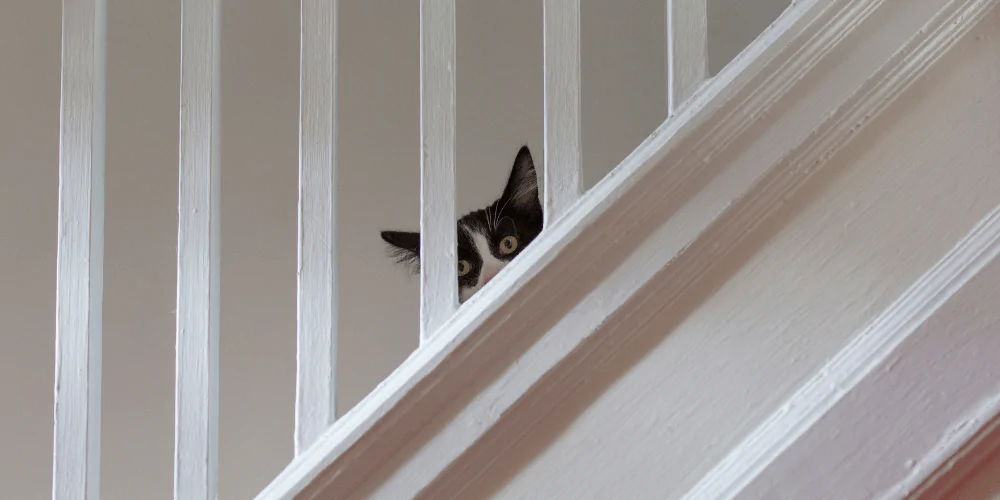
There are several reasons why animals can feel uneasy during veterinary visits.
Common causes include:
- Previous unpleasant experiences, such as injections or medical procedures
- Unfamiliar environments filled with new smells, sounds and animals
- Sensitivity to being handled by strangers
- Discomfort when people enter their personal space
Understanding what may trigger your pet’s anxiety can help you take steps to make future visits easier.
Find out more about dealing with stress in cats and stress in dogs.
How to prepare your pet for a visit to the vet
There are several ways you can help your pet become more comfortable with vet appointments before you even arrive at the clinic.
Choose a vet practice carefully
If you’re registering with a new vet, take some time to read reviews and visit the clinic in advance if possible. Meeting staff and getting familiar with the environment can help both you and your pet feel more confident.
Visit the clinic outside appointments
If your pet only ever visits the vet for examinations or treatment, they may associate the location with negative experiences.
Dropping by the clinic occasionally just to say hello, let your pet explore and receive a fuss from staff can help create positive associations. The earlier you introduce these visits, the better.
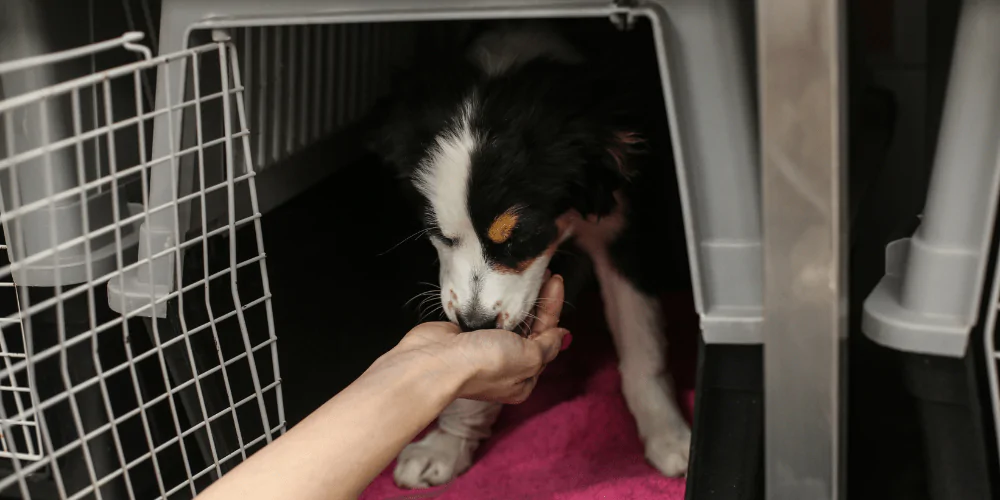
Get your pet used to a carrier
For cats and small dogs, carrier training is important. Keep the carrier in a visible place at home so it becomes a familiar part of your pet’s environment.
Encourage your pet to enter it willingly with treats or toys rather than only bringing it out when it’s time to go to the vet.
Practise gentle handling
At home, regularly get your pet used to having different parts of their body handled. This helps prepare them for veterinary examinations.
You can gently touch areas such as:
- Paws
- Ears
- Mouth
- Tail
- Belly
Gradually introducing handling can make the experience less surprising when a vet performs a check-up.
Find out more about getting your dog used to handling.
Choose quieter appointment times
If your pet is sensitive to noise or other animals, try booking an appointment early in the morning or near the end of the day. Vets may be quieter during these times, which can help reduce stress.
Consider calming aids
There are several pet-safe calming aids available that may help ease anxiety before a vet visit. These include pheromone sprays, calming supplements or anxiety wraps.
Your vet can recommend options that are suitable for your pet.
How to keep your pet calm at the vet
Once you arrive at the clinic, there are several simple ways to help your pet stay relaxed during their appointment.
Tell the vet if your pet is nervous
Let the veterinary team know if your pet tends to feel anxious at appointments. They can adjust their approach to help your pet feel more comfortable.
Use gentle reassurance
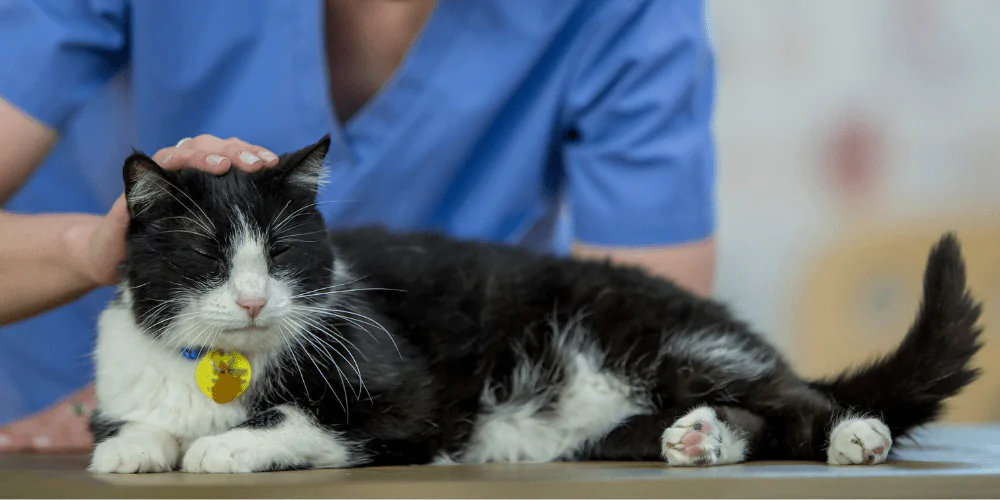
Stroking your pet gently, speaking in a calm voice and staying close to them during the examination can be reassuring.
Bring familiar items
A favourite toy or blanket that smells like home can provide comfort in an unfamiliar environment.
Treats can also be useful for rewarding calm behaviour and distracting your pet during examinations.
Follow your vet’s guidance
If the vet asks you to hold or position your pet during the exam, follow their instructions carefully. This helps keep your pet secure and prevents unnecessary stress.
Stay calm yourself
Pets are very sensitive to their owners’ emotions. If you remain calm and relaxed, your pet is more likely to mirror that behaviour.
Helping your pet build positive vet experiences
With preparation and patience, vet visits can become much less stressful for your pet. Gradual exposure, positive reinforcement and a calm environment can all help create better experiences over time.
Focusing on your pet’s comfort allows your vet to provide the best possible care – and helps keep routine health checks simple and stress-free.
With Petgevity pet insurance, you can focus on helping your pet feel better during appointments rather than worrying about unexpected vet bills.
For more expert tips on reducing clinic anxiety and reading your pet’s stress signals, listen to our podcast episode with animal behaviourist Dr Sophie White: How to make vet visits stress-free.

