
Should Pets Ever Be Given as Christmas Gifts?
Besides being the season to be jolly, Christmas is also a time of generosity, excitement and surprise. But the element of surprise isn’t always ideal when it comes to pets – specifically gifting them.

Owe Carter
18 December 2025
While the idea of gifting a puppy or kitten may seem heartwarming, new research from Petgevity* reveals that giving pets as Christmas presents can place animals and owners under unexpected strain. This can also have longer-lasting unwanted consequences.
Our study shows that nearly one in 10 people in the UK know someone who has been given a dog or cat as a Christmas gift, and a similar number know someone who has given up a pet within the first year of ownership. Animal charities are increasingly concerned that festive pet gifting is contributing to a surge in rehoming and abandonment in the months that follow Christmas.
The hidden costs of pet ownership

One of the biggest challenges new pet owners face is affordability. Almost half of dog and cat owners (47%) say owning a pet costs more than they expected, with vet bills proving the biggest financial shock. Over half of owners report being caught out by unexpected vet bills, while ongoing expenses such as pet food and insurance also add up quickly.
To protect against unexpected vet bills, it’s always a good idea to consider peace-of-mind pet insurance.
Here’s something that might give you a blue Christmas: 17% of pet owners say they’ve considered giving up their pet due to financial pressure alone. These realities can turn what was meant to be a joyful gift into a stressful situation for both owner and animal – particularly when the decision to bring a pet home was made impulsively or without proper preparation.
Last Christmas, I gave you a dog. The very next day, you gave it away 😥

Despite the adage ‘a dog is for life, not just for Christmas’, pets are still frequently given as surprise gifts. Behaviour experts warn that this can undermine the chance of a successful, lifelong bond.
Dog behaviourist Philippa Short explains that compatibility between a dog and owner is crucial:
“There must be genuine chemistry between pet and owner to secure a lifelong bond. In a litter, there might just be one puppy that’s the right match, and often that puppy will choose you. When a person makes the choice on behalf of someone else, the match can be hit or miss. And when it’s a miss, unfortunately it’s the dog that usually pays the price.”
Being gifted a pet also leaves recipients with little time to prepare emotionally, practically or financially. From arranging pet insurance and buying essentials, to understanding training, socialisation and long-term care, a lack of preparation can quickly lead to stress, behavioural problems and anxiety.
Don’t forget that while cats are often viewed as lower maintenance, they still get stressed and benefit from socialisation at a young age. Find out more about how to look after a kitten here.
Social animals: The role of social media in pet-gifting trends

Social media isn’t entirely blameless in trivialising what should be a serious subject. Two fifths of adults say they’ve seen videos of pets being ‘unboxed’ or revealed as surprise gifts online, and over a quarter admit they find this trend concerning. In spite of this, 27% of people say these videos have inspired them to buy a pet.
On platforms like TikTok, festive pet content attracts millions of views. For example, there are over 31 million global views of #puppyforchristmas content.
Plus UK searches for ‘puppy gift box’ spike sharply in the run-up to Christmas. Vets strongly advise against these practices, warning that placing pets in boxes or wrapping can be frightening and distressing – especially when they’ve just been separated from their mother.
A better way to give the gift of a pet
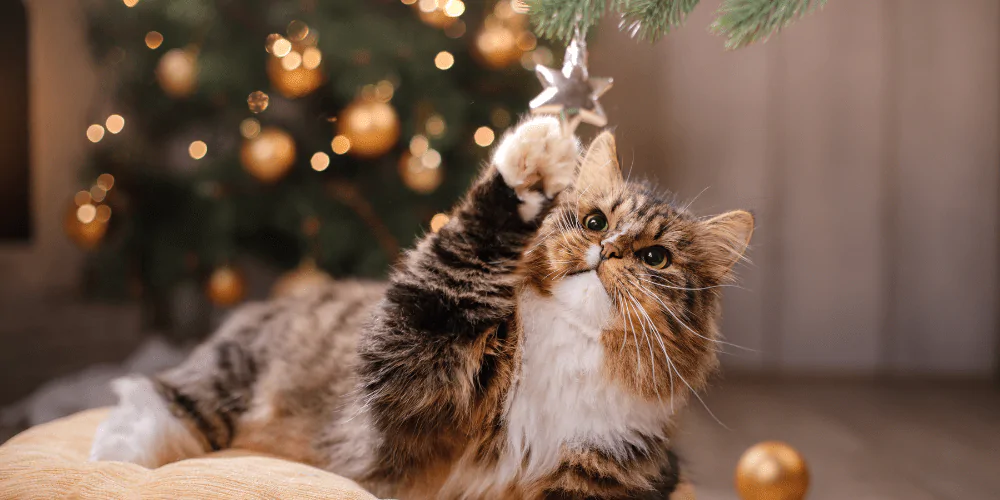
Experts agree that pets should never be rushed decisions. In fact, the average UK pet owner spends over five months considering pet ownership before committing – and 80% of adults believe people should demonstrate they’re ready before buying or adopting an animal.
Dog behaviourist Philippa Short says:
“If you’re really set on the idea of giving a pet as a present, gifting some money or a certificate of the promise of a pet can be a much better option. It lets the recipient have the excitement of choosing the breed, age and most importantly, the individual animal themselves. That choice is critical for lifelong bonding.”
This Christmas, Petgevity encourages families to pause before gifting a pet, and to remember that the most loving choice is one that puts the animal’s long-term wellbeing first.
Research credit:
The research was conducted by Opinium among a sample of 2,000 UK adults between 5 and 9 December 2025.

