
Old Dogs, New Trips
Old Dogs, New Trips bow tie created with David Gandy helps senior dogs feel comfortable while out and about 🐶🎀
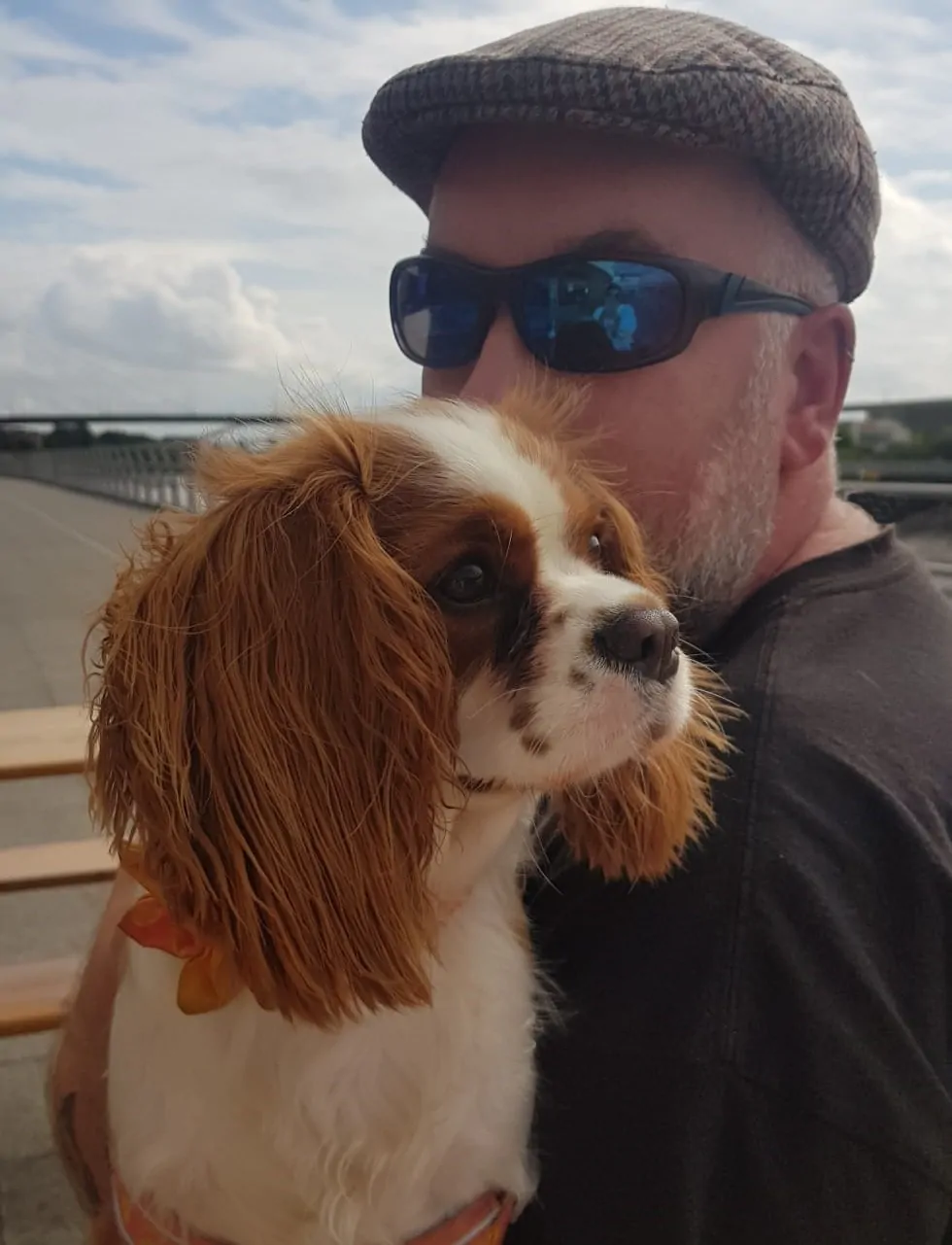
Owe Carter
10 September 2026
Entering their senior years doesn’t mean a dog has to miss out on new sights, sounds and smells. But travelling, busy public spaces and unfamiliar surroundings can get harder for dogs as they get older.
That’s why Petgevity has teamed up with David Gandy to create Old Dogs, New Trips: a real-world initiative, created with a dog-loving famous face, to raise awareness of how dogs’ needs change over time.
We also quizzed 1,000 owners of senior dogs* to better understand their experiences while out and about. See what we discovered below.
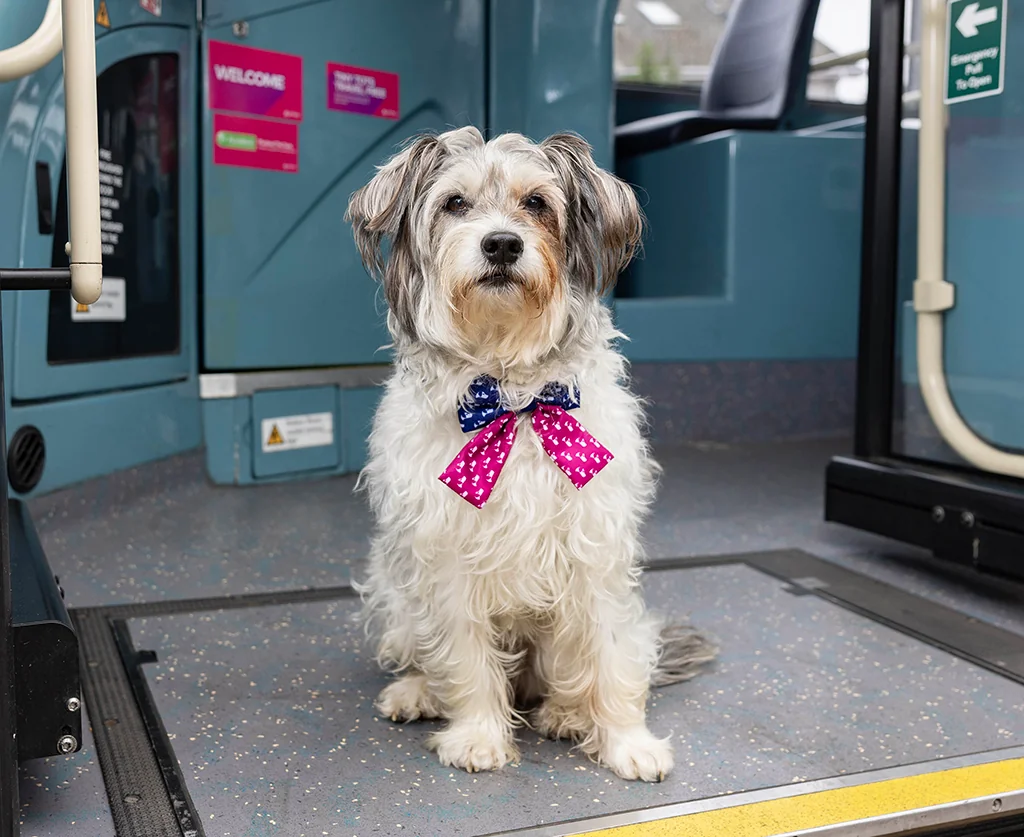
Meet Dora: the rescue dog behind awareness-raising bow tie David Gandy helped create 🎀
Model and entrepreneur David Gandy has teamed up with Petgevity to help create a bow tie made specifically for senior dogs age 7+ (complete with matching collar).
Here it is modelled by his own rescue terrier, Dora, 9.
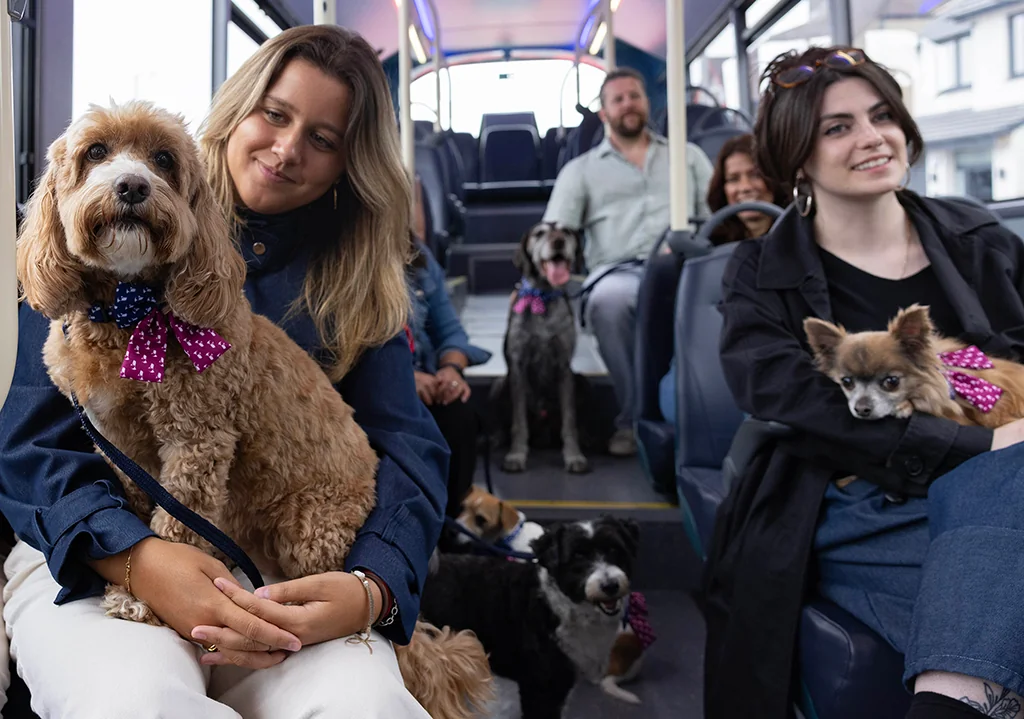
And it’s not just a fashion statement. It’s a sign they need a little more time, patience and consideration in public spaces, including on public transport. Like a ‘baby on board’ badge, just with a few added years.
“Dora acts like a young dog but it’s on my mind what support she may need as the years go on,” David says. “I know there’ll be owners of senior dogs across the UK who are thinking the same.
“As dogs get older, they can suffer from worsening eyesight or hearing and need a little more time, support and space. By having the bow ties out and about, I hope it will encourage people to be just as understanding of age-related health changes in dogs as they are with humans.”
Take a bow!
The bow ties and collars come in an eye-catching navy and plum pattern, across four sizes (XS, S, M and L) to suit dogs of all shapes and sizes… no one left behind! They’re free, but due to overwhelming demand, we’re currently out of stock. We’re hoping to get more in soon.
What 1,000 owners of senior dogs told us 📣
Nearly half of the UK’s dog population is now over the age of 7 – officially senior – which means millions of owners are navigating this stage of their dog’s life. So we surveyed over 1,000 UK owners of senior dogs to understand their experiences out and about, and what we found got us thinking about how we could help.
Over a third (36%) of senior-dog owners have avoided public transport because they thought it would be too difficult or stressful for their dog. The top reasons why:
- Too crowded (56%)
- Too loud (34%)
- Too hot (30%)
- People approaching without asking (26%)
- Nowhere comfortable to sit (25%)
Why travelling gets harder with age 🚌
As a dog’s health changes with age, they can find themselves overwhelmed by things they wouldn’t have even sniffed twice at before. Common changes include:
- Mobility: progressive conditions like osteoarthritis (OA) or cruciate ligament damage can affect how easily they walk.
- Hearing: deafness in dogs can be caused by age-related degeneration of the inner ear.
- Vision: bulging eyes in breeds like Bulldogs and Pugs leave them more susceptible to eye conditions like glaucoma, though any dog can be affected.
- Cognitive processing: dogs can develop a form of dementia known as Canine Cognitive Dysfunction.
The behaviour changes owners have noticed 🐕🦺
Owners taking part in the survey noticed their dog’s behaviour shifting as they’ve aged. The most common changes reported were:
- Started walking more slowly (19%)
- Struggled to jump up (13%)
- Became more clingy (12%)
- Wanted to be on their own more (12%)
Nearly 2 in 5 (37%) owners admitted to mistaking age-related changes for their dog simply being naughty – an easy mix-up to make, since the signs of ageing and less forgivable behaviours can often overlap. The most commonly misread behaviours were:
- Becoming grumpy (50%)
- Seeming stubborn (38%)
- Not coming when called (38%)
Our vet says… 👩⚕️
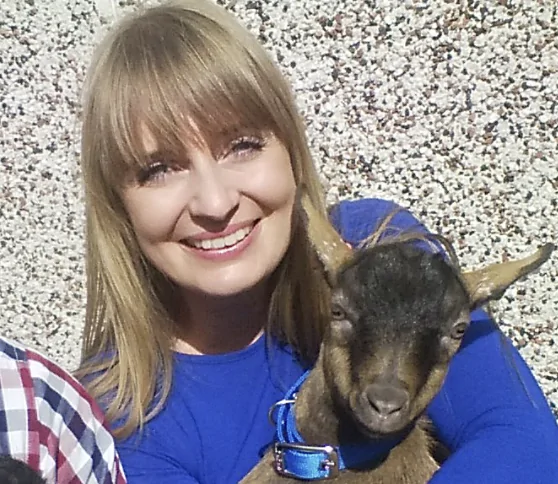
Expert vet Dr Emma Chandley explains why it’s worth looking a little closer before writing a change off as ‘just getting older’:
“Owners can sometimes put behavioural changes, such as becoming more irritable or withdrawn, down to simply getting older. However, pain, sensory loss or cognitive dysfunction may all contribute to changes in behaviour in senior dogs,” she says.
“Every dog has their own personality, and some may naturally be less tolerant than others. However, if a dog becomes noticeably more withdrawn, irritable, growly or snappy – particularly if this is a change from their usual behaviour – it’s important not to simply put it down to ageing.
“Any persistent or significant change in behaviour warrants veterinary advice, particularly if it occurs alongside signs such as pain, reduced mobility, changes in hearing or vision, increased anxiety, altered appetite or changes in toileting habits.”
On why public transport specifically can be so tricky for dogs with canine dementia, Dr Emma adds:
“Sadly, canine dementia can begin from around 6 to 8 years. Public transport exposes dogs to all different sounds, smells and movement. Dogs with dementia may struggle to process these changes, which may be why they become restless.”
How you can help senior dogs feel more comfortable in public 🐶
Dr Emma’s advice for anyone out and about who spots a senior dog finding things a bit tricky:
- Avoid approaching or touching them unexpectedly. A dog with age-related vision loss might be startled by sudden movement.
- On public transport, allow a dog more time – no matter how much of a rush you’re in. Dogs with arthritis can be slow to rise and need extra time balancing.
- Avoid making or causing loud noise, since this can be distressing. Dogs with canine dementia can be especially wary of unfamiliar sounds.
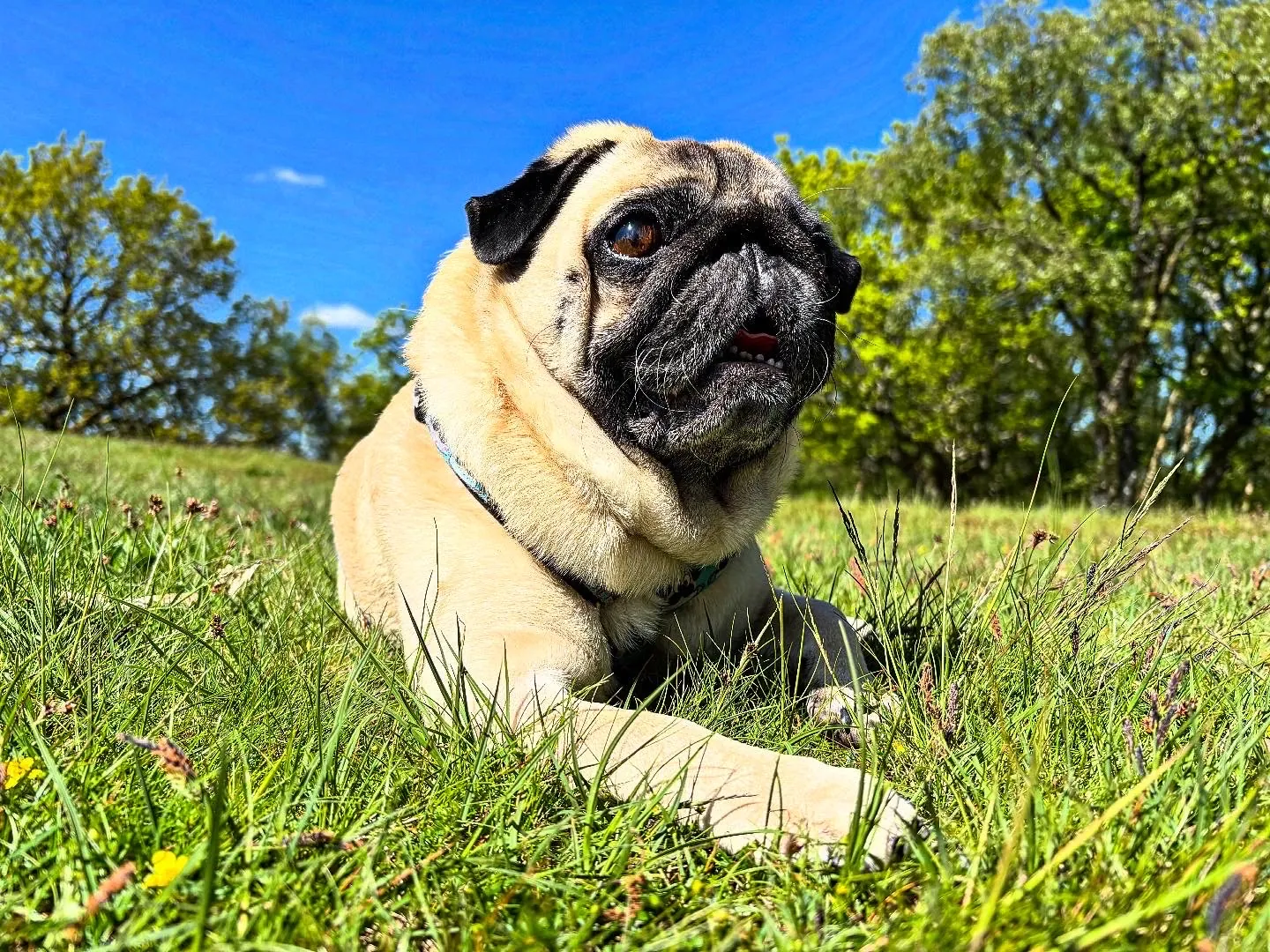
Wafel’s story: a life well looked after
Justyna Sych, a dog owner from Leicester, dotes on her 9-year-old pug Wafel and takes his quality of life seriously.
“We opted for soft palate surgery when he was about 3,” she says. “It’s common for flat-faced breeds to struggle with breathing, so we followed a vet’s advice. The change was immediate. He had way more stamina on walks and acted like a puppy again.
“Surgery gets riskier as dogs age, so we’re glad we did it young. He’s naturally slowing down a few years on, so we watch his body language to know when he’s had enough.”
Wafel also has a chicken allergy that causes itchy, dark skin patches, managed with hypoallergenic food, and gets daily eye drops for life following corneal ulcer surgery.
“Wafel has helped me so much with my mental health during tough times,” Justyna adds. “So it’s only fair that I support him now when he needs it. I think that dogs are the purest creatures that exist and taking care of them is an absolute privilege.”
Getting older shouldn’t mean missing out 💕
A little more time and patience are some of the easiest things we can offer our ageing dogs. We’re hoping the Old Dogs, New Trips bow ties help encourage exactly that from others in public spaces.
Getting older is inevitable, but it doesn’t have to mean missing out – and their longevity is something worth taking care of.
They’ve been with us through thick and thin, so it’s only right they get the support they need as they age. That’s why we’re here for dogs at every stage of life, with no upper age limit on our dog insurance policies.
*A survey of 1,037 owners of senior dogs aged 7+ in the UK, conducted in July 2026 by Ripple Research.

