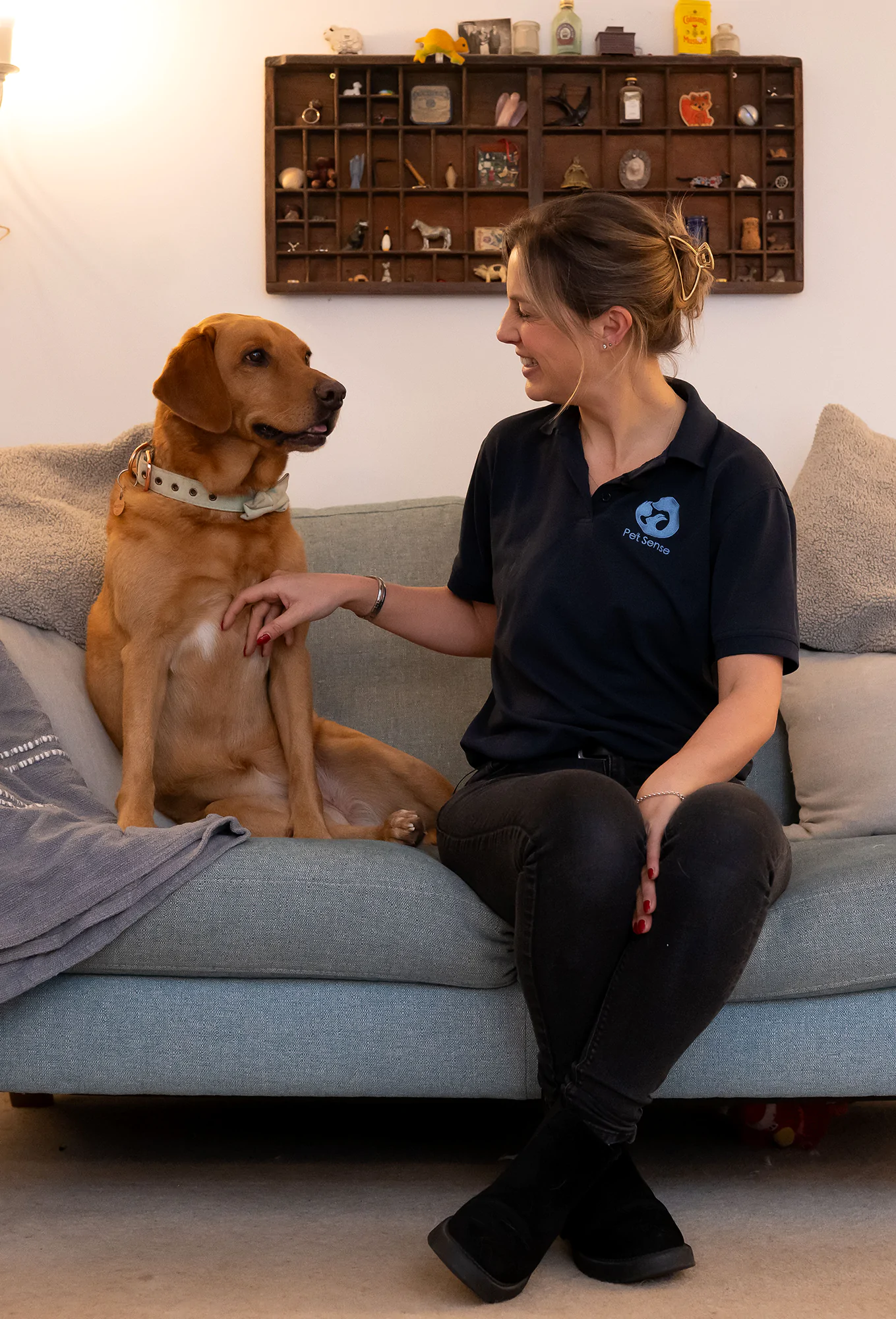
Old dog, new tricks
How to keep your senior dog’s mind sharp.

Owe Carter
6 January 2026
Despite the adage “you can’t teach an old dog new tricks”, it’s perfectly possible to do this, it turns out. Dogs never lose their ability to learn, and teaching your older dog new skills can be one of the most rewarding ways to keep them happy, stimulated and connected to you as they age.
At Petgevity, we’re passionate about helping pets live longer, healthier lives at every stage. That’s why we’ve been working with clinical animal behaviourist Rosie Bescoby to highlight just how capable senior dogs still are, and to share a few simple tricks that can enrich their daily lives.
Watch our ‘Old dog, new tricks’ video on YouTube [opens in new window]
Psst… Another way to enrich your older dog’s life is with dog insurance for total peace of mind.
Why mental stimulation matters for older dogs
As dogs age, their physical abilities often change. Long walks might become shorter, joints may stiffen and energy levels can dip. But while their bodies slow down, their brains still need stimulation.
According to Rosie, keeping an older dog mentally active helps “keep the neurons firing” and supports emotional wellbeing. Learning new tricks offers enrichment without placing strain on ageing joints, and it can also help prevent boredom, anxiety and cognitive decline.
There’s also a relationship benefit: training strengthens the bond between dog and owner, helping maintain that close emotional connection even as routines change.
Can senior dogs really learn new tricks?
Absolutely. Rosie explains that while older dogs may need more patience, a slower pace and adaptations for their physical needs, they’re fully capable of learning brand-new skills. Teaching a trick is very different from trying to correct an ingrained behaviour – it’s a positive challenge that dogs of all ages can enjoy.
Age, breed or previous training history doesn’t disqualify a dog from learning. Some breeds, like Border Collies or Poodles, may pick things up faster, but every dog can learn with the right motivation and approach.
Finding the right motivation
One of the keys to success is understanding what motivates your dog – and that can change as they age. While treats work well for some, others may become overstimulated by high-value food. Toys, praise, attention or even part of their regular meal can be just as effective.
The first step is simply observing your dog and experimenting gently to see what keeps them engaged and focused.
Five easy tricks to teach your older dog
Here are Rosie’s top five senior-friendly tricks that are easy to adapt and gentle on ageing bodies:
1. Nose to hand touch
Hold out your hand with a treat between your fingers and encourage your dog to touch it with their nose. Gradually remove the treat and increase distance. This is especially useful for dogs with hearing loss, as it becomes a strong visual recall cue.
2. Middle position
Guide your dog to walk behind you and then through your legs using a lure. This is a great alternative for dogs who struggle to sit, and helps with coordination and confidence.
3. Spin
An old favourite – just slow it down. Use a wide circular motion at your dog’s pace and gradually add the verbal cue “spin”. Adjust the movement to suit their mobility.
4. Shake (the coat!)
Most dogs naturally shake off water. By predicting the behaviour and adding the verbal cue “shake”, you can teach them to do it outside before coming indoors – practical and achievable at any age.
5. Go to bed
Make your dog’s bed a positive, exciting place by placing treats there and using the word “bed”. Gradually increase distance to turn it into a fun game that reinforces comfort and security.
Celebrating older dogs
There’s often an unspoken ageism when it comes to pets – a sense that once they’re older, their world should shrink. At Petgevity, we believe the opposite. Senior dogs still have curiosity, personality and plenty of life to live.
As an insurer that supports pets of any age – including dogs with pre-existing conditions if agreed and accepted (with our Lifetime Plus policies*) – we’re proud to stand up for older dogs and show that with the right care, enrichment and encouragement, they can continue to surprise us.
Because sometimes, teaching an old dog new tricks isn’t just possible – it’s one of the best things you can do for them!
*Cover for pre-existing medical conditions is subject to acceptance. They will not be covered unless you have declared them and they are shown on your Confirmation of Cover.

