Vet fees up to £15,000
To suit your pet’s needs, choose vet fee cover from £1,000 to £15,000. The limit resets every year you renew.
Design your own pet insurance
Policies as unique as your pet. Set your own limits, excess and optional extras, for cover as snug as a collar.
Switch with unbroken cover
If you switch to us from a like-for-like policy, there’ll be no gap in cover, with protection starting straight away**.
Content by Emma Chandley BVetMed PGCertSAS MRCVS
A cruciate ligament injury in dogs refers to the damage of one of the important stabilising ligaments within the knee joint (called the stifle). The cranial cruciate ligament helps keep the joint stable when a dog walks, runs or turns. When this ligament becomes stretched, partially torn or completely ruptured, the joint becomes unstable and painful.
Unlike many human sports injuries, cruciate ligament problems in dogs often develop gradually. In lots of cases, the ligament weakens over time before it eventually tears (rather than failing as the result of a single traumatic event). Once the ligament is damaged, inflammation and joint instability can lead to arthritis developing in the joint if it’s not appropriately managed.
Cruciate ligament disease is one of the most common orthopaedic conditions seen in dogs. It can affect pets of many different ages and breeds. Early recognition and veterinary assessment are important to help manage pain and protect long-term joint health.
Cruciate ligament injuries can occur for lots of different reasons. In many dogs the ligament gradually weakens over time before eventually tearing. This degeneration can be influenced by factors such as genetics, joint conformation, body weight and overall activity level – as well as the type of activities the dog is doing day to day.
Sudden injuries can still occur during activities that involve twisting or rapid turning, such as chasing a ball or jumping. However, even in these cases where an acute injury has occurred, the ligament is often already weakened beforehand.
Other contributing factors may include obesity, poor muscle support around the joint, or abnormal alignment of the hind limbs. In some dogs, inflammation within the joint may also play a role in weakening the ligament structure over time.
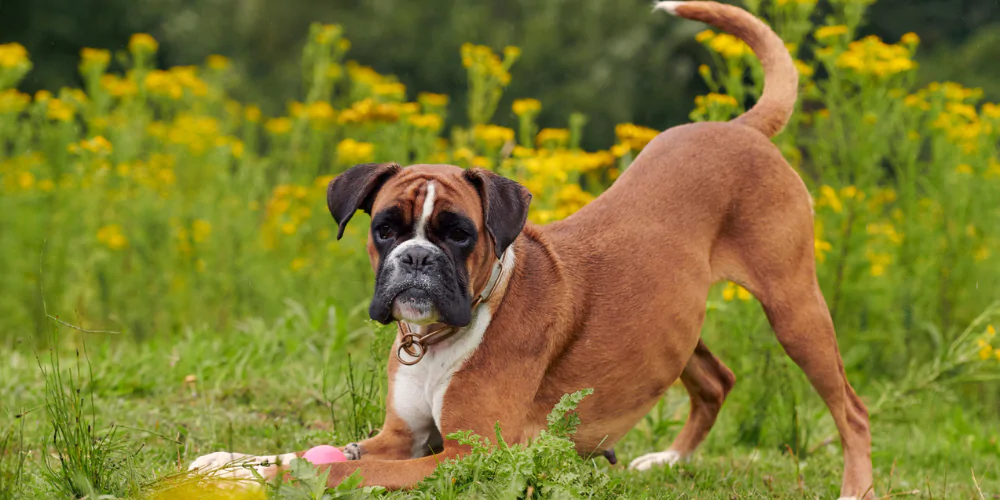
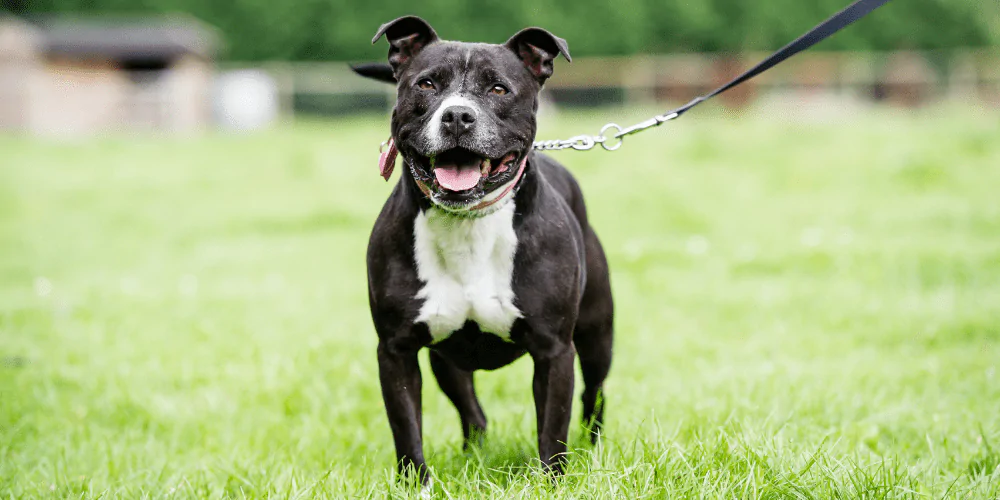
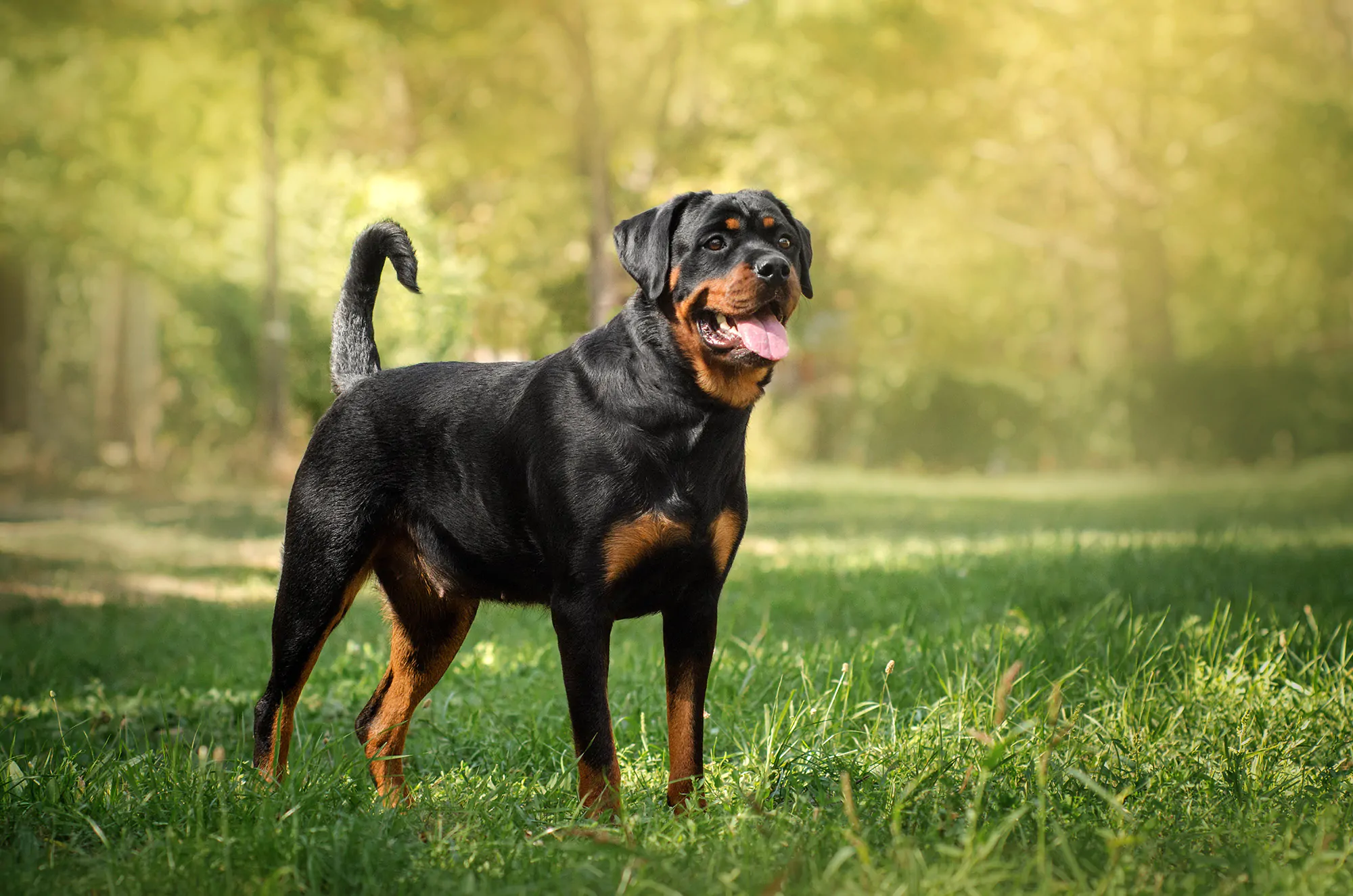
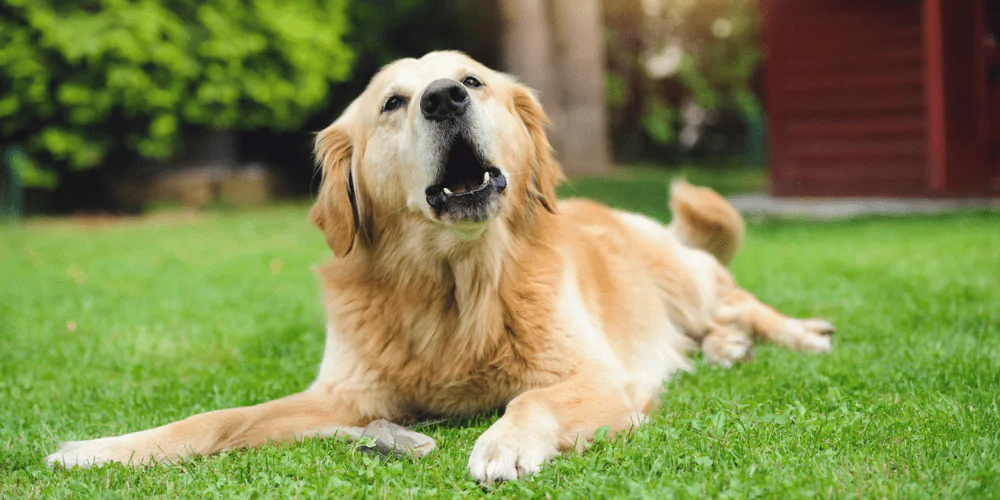
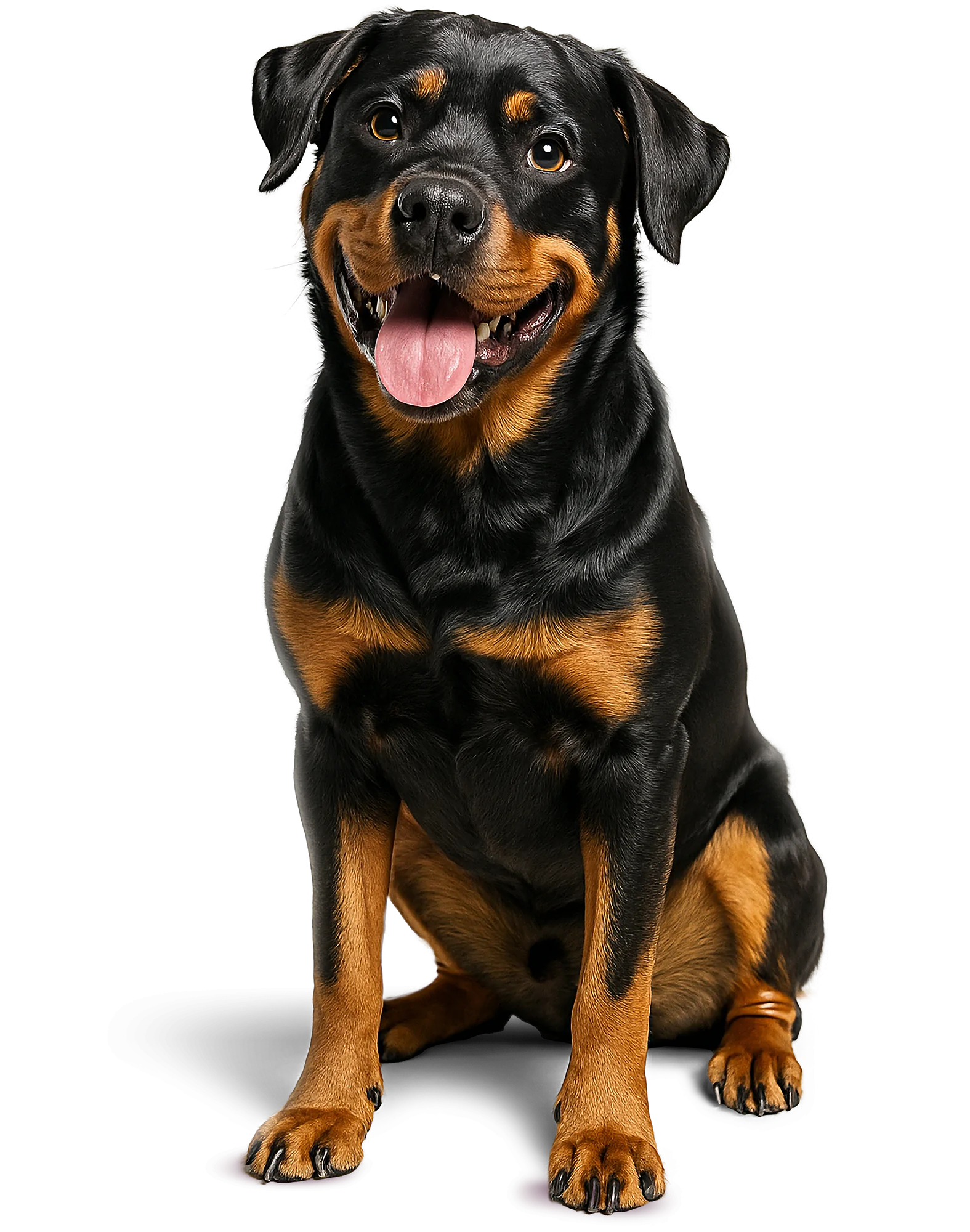
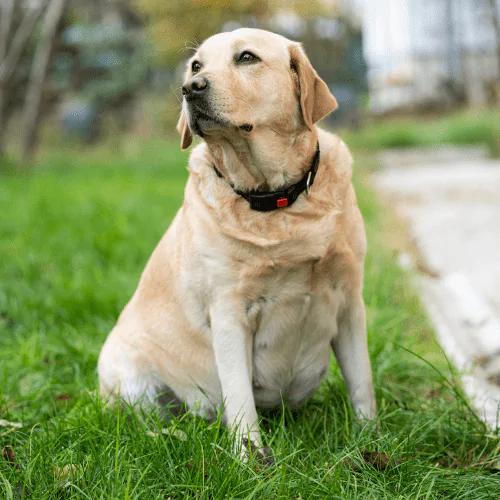
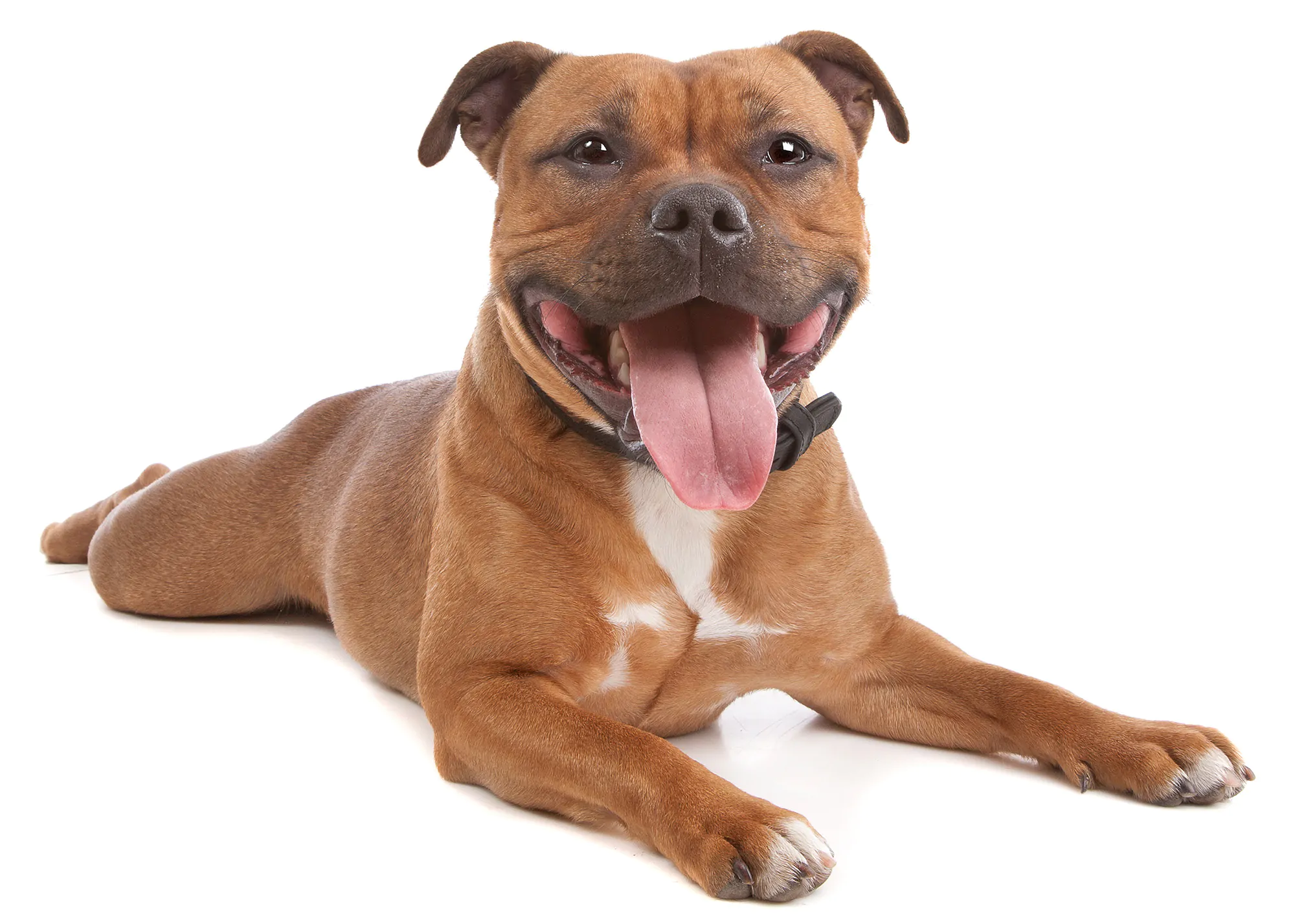
Cruciate ligament disease can occur in any breed of dog, but some dogs appear to be at higher risk. Medium-to-large breeds are more commonly affected, particularly:
Smaller breeds are certainly not immune, and vets regularly diagnose cruciate ligament injuries in dogs of many different sizes. Body condition can also play a role, as excess weight places additional strain on the joints and ligaments. Maintaining a healthy body weight and good muscle condition can therefore be an important part of supporting long-term joint health in any breed.
In milder or partial cruciate ligament injuries (often referred to as grade 1 or grade 2), the ligament is stretched or only partially torn. Clinical signs can be very subtle at first. Common symptoms may include intermittent lameness in one of the hind legs, stiffness after rest, reluctance to jump or climb stairs, or reduced enthusiasm for exercise. Some dogs may appear comfortable at rest but begin limping after activity.
Owners may also notice their dog sitting with the affected leg held slightly out to the side, or they may report difficulty rising from a lying position. These early signs should always be assessed by a vet, as early intervention can help slow the progression of the condition.
Diagnosis of the condition starts with a clinical examination by your vet. Your vet will assess the dog’s gait and examine the knee joint for swelling, pain and instability. Specific orthopaedic tests can help detect abnormal movement within the joint.
In some cases sedation may be required to allow a full examination, especially if the dog is in a lot of pain. X-rays are often taken to assess the joint and rule out other causes of lameness, although ligament damage itself may not always be directly visible on radiographs.
Treatment options for partial cruciate ligament injuries vary depending on the severity of symptoms, the dog’s size and their activity level. In some dogs, particularly smaller or less active pets, conservative management may be advised.
This can include strict exercise restriction, weight management, anti-inflammatory medication and physiotherapy. Controlled rehabilitation exercises and hydrotherapy can help strengthen the surrounding muscles and improve joint stability.
In larger or more active dogs, surgery may still be recommended to stabilise the joint and reduce the risk of further damage. Your vet will discuss the most appropriate options based on the individual case.
The prognosis is often very good in these cases. Many dogs with partial cruciate ligament injuries respond well to appropriate management, particularly when the condition is recognised early.
However, there’s always a risk that a partial tear may progress to a complete rupture over time. So it’s very important to monitor closely and have regular check ups with your vet.
Long-term joint health is usually improved when weight is carefully controlled and exercise is managed appropriately. Some degree of arthritis may still develop within the joint, but many dogs can return to a comfortable and active lifestyle.

A grade 3 injury refers to a complete rupture of the cruciate ligament. In these cases the knee joint becomes unstable and dogs often develop sudden and more severe lameness.
Affected dogs may hold the leg up completely when walking (non weight bearing) or place very little weight on it. The knee joint may appear swollen and painful, and some dogs show obvious pain and discomfort when attempting to stand or move.
Over time the instability in the joint can lead to progressive arthritis and muscle loss in the affected limb if the injury isn’t treated.
Vets diagnose a complete cruciate ligament rupture through a combination of clinical examination and imaging. Orthopaedic tests can demonstrate abnormal forward movement of the tibia relative to the femur, which is characteristic of cruciate rupture.
X-rays are usually recommended to assess joint changes and to rule out other orthopaedic problems and help plan treatment. In some cases, advanced imaging or referral to an orthopaedic specialist may be advised.
For most dogs with a complete cruciate ligament rupture, surgery is the recommended treatment. The aim is to stabilise the knee joint and reduce ongoing damage within the joint. Several surgical techniques may be used, including procedures such as TPLO (tibial plateau levelling osteotomy) or TTA (tibial tuberosity advancement). In some cases a lateral suture method may be used. These operations change the biomechanics of the joint, so that stability is restored even without the damaged ligament.
Post-operative care is extremely important. Your vet will give you a detailed plan which usually includes several weeks of restricted exercise followed by a structured rehabilitation programme. Physiotherapy and hydrotherapy are often recommended to support recovery.
With appropriate surgical treatment and rehabilitation, many dogs recover really well and are able to return to normal activity levels. Recovery times can vary, but most dogs begin to show significant improvement within a few months.
Arthritis can still develop over time, but stabilising the joint helps to reduce further damage and improves long-term comfort and mobility.
“Cruciate ligament injuries are one of the most common orthopaedic problems we see in dogs, and it can be so worrying for owners when they first notice their dog limping. The good news is that with the right treatment and rehabilitation, many dogs go on to make an excellent recovery. My own dog has had cruciate surgery in both knees, and she still enjoys her walks and is very comfortable.
“One of the most important factors we can influence and manage is body weight. Keeping your dog at a healthy weight significantly reduces the strain placed on their joints and can make a real difference both in recovery from cruciate ligament injury and long-term joint health.
“If you notice persistent limping or stiffness in your dog, it is always worth having it checked by your vet early. Addressing the problem sooner rather than later can help improve the outcome.”
Emma Chandley – BVetMed PGCertSAS MRCVS
Tell us about your dog’s cruciate ligament injury when you get a quote for Lifetime Plus insurance and we’ll see if we can cover them*. If we accept, we cover vet fees for cruciate ligament injury up to £2,000.
You must tell us about all the conditions they’ve had in the last two years – including those which need ongoing treatment, monitoring or check-ups. This way we can offer the exact level of cover for your dog’s individual needs.
Find out more about our dog insurance for pre-existing medical conditions.
Choosing Petgevity to protect your pets gives you more than just vet fee cover. Here's what you get from our policy.
Dental accident
Covers your pet up to the chosen vet fee limit if they have a dental accident or injury. Always be sure to take your pet for annual dental check-ups, and follow your vet’s advice.
Behavioural treatment
Get expert help with your pet’s mental and emotional wellbeing, as advised by your vet. Cover up to your chosen vet fee amount or the cost of up to 12 sessions, whichever is lower (Lifetime Plus); or up to £1,000 (Lifetime).
Complementary therapy
As advised by your vet, this covers alternative treatments like acupuncture or hydrotherapy. Cover up to your chosen vet fee amount (Lifetime Plus); or up to chosen vet fee amount or £1,500, whichever is lower (Lifetime).
Emergency care
If you can’t look after your pet due to an emergency, such as an unplanned hospital visit, this covers you for up to £1,500 (Lifetime Plus) in minding costs.
Third-party liability for dogs
Covers you for legal costs if your dog causes injury to somebody or their pet, or causes loss or damage to someone’s property. Protects you for up to £2 million in a legal action.
Choice of optional extras
Need extra protection? Choose from several optional extras to cover your pet’s needs, including dental illness, or cover if your pet is stolen or lost.
Defaqto 5 star rating when you choose vet fees over £4,000 with all optional add-ons included.
Basic cover alone has 3 star rating
Three-time winner National Insurance Awards Pet Insurance Award 2022, 2023 & 2024.
Awarded Best Pet Insurance Provider at The Money Mentor Awards 2024
†For Lifetime Plus policies only – details correct as of 10 September 2024 via competitor websites. Competitor products are subject to their own T&Cs and can have different limits and requirements for cats versus dogs at different ages. For full details, please check the relevant policy wording. For full details of Petgevity pet insurance, please read our policy wording.
In many dogs the ligament gradually weakens over time before eventually tearing. Factors such as genetics, body weight, joint structure and activity level can all play a role. Sudden twisting movements or jumping can sometimes trigger the final rupture.
Costs vary depending on the surgical technique used and whether the procedure is performed by a specialist surgeon. In the UK, surgery for cruciate ligament rupture can often range from around £3,000 to £6,000 per knee, including imaging and follow-up care.
Some dogs with mild or partial ligament injuries may improve with strict rest, medication and physiotherapy. However, many larger or more active dogs benefit from surgery to stabilise the joint and prevent further damage. Your vet will advise what is most appropriate for your dog.
Unfortunately, dogs that have experienced one cruciate ligament rupture are at increased risk of damaging the ligament in the other knee. They’re often predisposed to the condition anyway, and the extra strain from favouring the injured leg causes more wear and tear on the other knee joint.
Maintaining a healthy weight and good muscle condition can help reduce this risk.
Hydrotherapy is often recommended as part of rehabilitation after cruciate ligament surgery. Exercising in water allows dogs to build muscle strength and improve joint movement while placing less strain on the healing joint. Rehabilitation programmes should always be guided by your vet or a qualified physiotherapist.
†Lifetime Plus policies only
*Cover for pre-existing medical conditions is subject to acceptance. They will not be covered unless you have declared them and they are shown on your Confirmation of Cover.
**Illnesses and symptoms won’t be covered in the first 14 days and accidents won’t be covered in the first 2 days of the policy. This is unless you are switching from another lifetime pet insurance product with no break in cover and the claim you want to make would have been covered by your previous policy. Other exclusions may apply to other sections.