
Dog and cat blood donation: How does it work? 🩸
Could your dog or cat save another pet's life?

Owe Carter
27 October 2026
| 8 minutes read
Reviewed by Dr Emma Chandley BVetMed PGCertSAS MRCVS
If you didn’t realise pets could donate blood, you’re not alone. Learn everything you need to know about dog and cat blood donation, including how it works, where you can donate, and why it’s so important.
Jump to:
- Why would a dog or cat need a blood transfusion?
- Where can my dog or cat donate blood?
> Is it safe for my dog or cat to donate blood? - What are the canine and feline blood donor requirements?
> How does dog and cat blood donation work?
> How much blood can a dog or cat donate?
> How often can a dog or cat donate blood? - What are the different dog blood types?
> Is there a universal donor dog blood type?
> Can certain breeds not donate blood? - What are the different cat blood types?
> Is there a universal donor cat blood type?
> Can cats donate blood to dogs?

Why would a dog or cat need a blood transfusion? 🩸
Did you know that the very first successful recorded blood transfusion was all the way back in 1665? It was performed by English physician Richard Lower between two dogs – not humans.
Pet blood donation is a crucial service. And, as with human blood, there are sometimes shortages in supply.
So why exactly would a dog or cat need a transfusion? Just like humans, pets can suffer serious blood loss, and a blood transfusion can sometimes save their life. Reasons a pet might need blood include:
- Living with a disease that causes clotting or bleeding problems
- Suffering a serious trauma, such as a road traffic accident
- Losing blood during surgery
- Ingesting toxins like rat poison, or being bitten by an animal with toxic venom
Vet clinics get in touch with a pet blood bank when they need blood for a sick animal.
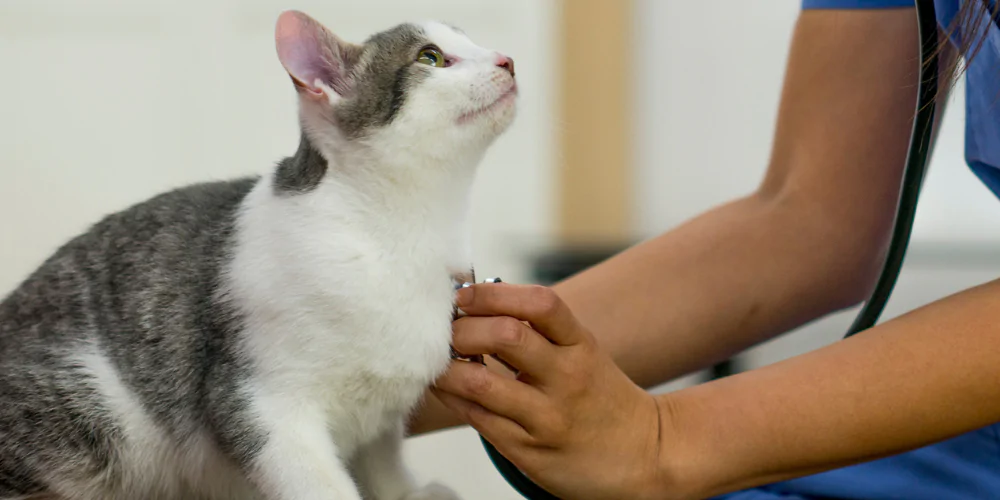
A vet’s take
“Blood donation can make a big difference to dogs and cats who need lifesaving treatment, whether they have suffered significant blood loss, have a serious bleeding disorder or need surgery.
“Not every pet will be suitable to donate – but healthy, eligible donors can help give other animals a second chance. Speak to your vet if you would like your pet to become a blood donor.”
Dr Emma Chandley BVetMed PGCertSAS MRCVS

Where can my dog or cat donate blood? 📍
Set up in 2007, Pet Blood Bank UK is a UK charity dedicated to providing a blood bank service for pets. They run sessions across the country where owners can bring their dogs to donate, staffed by a fully trained team including a vet and vet nurse.
In July 2026, Pet Blood Bank UK launched the UK’s first national cat blood donation service, after receiving approval from the Veterinary Medicines Directorate. Previously cat owners could only register with their local vet practice and wait to be called in an emergency. Now cats can be registered directly with Pet Blood Bank UK, and donation sessions are gradually being rolled out at venues across the country, much like existing dog sessions.
Some vet practices still run their own local donor registers for cats too, so it’s worth asking your own vet what’s available in your area alongside the national service.
Is it safe for my dog or cat to donate blood?
Looking after your pet’s safety and wellbeing is always the top priority during a donation session.
For a dog donating blood, the Pet Blood Bank team will:
- Check that your pet is fully comfortable throughout each stage
- Stop the donation if your pet shows signs of anxiety or distress
For a cat donating through the new national service, donation now takes place while your cat is fully conscious, in a calm, quiet environment, with you present throughout.
If your cat donates through a local vet practice’s own arrangement instead, light sedation may be used.
Either way, you’ll usually be asked to keep your cat or dog indoors and calm for 24 hours afterwards, so their body can start replacing the donated blood cells.

What are the canine and feline blood donor requirements? ✅
There are a few things cats and dogs need to meet to be suitable blood donors.
Dogs should:
✔Have a happy, confident personality, so they don’t get distressed by the procedure
✔Weigh over 25kg
✔Be aged between one and eight years old
✔Be fit and healthy, and not currently on any medication
✔Have never travelled abroad (outside the UK/Ireland)
✔Be up to date with their vaccinations, flea and worming treatment
Cats should:
✔Enjoy being handled and feel comfortable around people
✔Weigh at least 4.5kg
✔Be aged between one and eight years old
✔Be fit and healthy, and not on any ongoing medication
✔Have never travelled abroad (outside the UK/Ireland)
Whether they’re an indoor or outdoor cat doesn’t affect their eligibility.
Confidence and a calm temperament matter here, since your pet will need to be comfortable in a new environment, around new people, without feeling nervous or anxious.
Find out more about cat anxiety and dog anxiety.
How does dog and cat blood donation work? 🩺
Dogs:
- Your dog gets a full health check first, including a physical examination and a small blood test.
- If they’re safe to donate, your dog is asked to lie on their side after being lifted onto a table.
- The vet takes their blood while the vet nurse gives them plenty of reassurance.
- After donating, your dog gets a tasty treat and some water.
Cats, via the new national service:
- A vet checks your cat’s health.
- A small blood sample is also taken to check their blood type and screen for viruses like feline immunodeficiency virus (FIV) and feline leukaemia.
- Your cat donates while fully conscious, gently held in a calm, quiet space, with you there throughout.
- The team gives your cat a full check afterwards, plus some post-donation care.
After donating, you’ll be asked to keep your pet indoors and watch them for at least 24 hours. Let them rest so their body can begin replacing the donated blood cells, which takes around three days.
How much blood can a dog or cat donate? 🩸
Pet Blood Bank takes around 450ml of blood from a donor dog. One unit of blood could save the lives of up to four dogs.
For cats, a donation is typically a smaller volume, in the region of 40-60ml. The process normally takes just a few minutes, followed by a period of monitoring afterwards.
How often can a dog or cat donate blood? 📅
How often a dog can donate depends on their blood type. Dogs with the more common DEA 1 positive type are typically invited to donate once or twice a year, while DEA 1 negative dogs – whose blood is in higher demand – can donate roughly every eight weeks, so up to six or seven times a year.
Pet Blood Bank will only get in touch when they specifically need your dog’s blood type.
Cats can typically donate a few times a year, with gaps between sessions to let their body fully recover. Your vet or Pet Blood Bank will advise on a safe schedule for your individual cat.

What are the different dog blood types? 🩸
Dogs have multiple blood groups, classified mainly under the Dog Erythrocyte Antigen (DEA) system.
Most dogs are DEA 1 positive, while only around 30% of eligible donor dogs are DEA 1 negative. If your dog has a negative blood type, they’ll likely be invited to donate more often throughout the year.
Is there a universal donor dog blood type?
Some dogs have the blood type DEA 1-negative. Their red blood cells lack the marker known as DEA 1, so their blood can be used for dogs with either DEA 1-negative or DEA 1-positive blood. These dogs are often described as universal donors – although this term isn’t strictly accurate because dogs have other blood group markers that can also affect transfusion compatibility.
Breeds more likely to be DEA 1 negative include:
- Airedale Terriers
- Border Collies
- Boxers
- Dobermanns
- German Shepherds
- Greyhounds
- Lurchers
- Weimaraners
Can certain dog breeds not donate blood?
A small number of breeds are excluded from blood donation, generally for welfare or practical reasons, including:
- Dogs registered under the Dangerous Dogs Act, like Dogo Argentinos and Pit Bull Terriers
- Chow Chows – their pigmented gums make it harder for vets to assess their health before donation
- English Bulldogs – their body and skull shape can make lying down and breathing comfortably during donation more difficult

What are the different cat blood types? 🐱
Cats have a different blood group system to dogs, with three types: A, B, or AB. Cats with an AB blood type are the hardest to find.
A cat with an A or B blood type needs to receive blood from another cat with the same type.
Is there a universal donor cat blood type?
There’s no true universal donor type in cats, though cats with AB blood can receive blood from any of the three types. Giving whole blood from a cat with an A or B type to the wrong recipient could cause an acute, severe and very serious reaction – which can be fatal.
Can cats donate blood to dogs?
No – cannot donate blood to dogs. In rare emergencies, dog blood may be given to a cat as a temporary measure (xenotransfusion), but cat blood is not suitable for transfusion into dogs.
It’s important to be prepared for an emergency, which is why we offer flexible pet insurance for cats and dogs.

