
Do you need dog insurance?
Having cover in place for your dog could be a lifeline if they get sick or have an accident.

Owe Carter
12 January 2026
| 6 minutes read
Just like people, dogs can get sick or have accidents. If that happens, you’ll want to make sure they get the best care possible without worrying about the cost.
There’s no NHS for dogs, so having dog insurance can help you avoid difficult decisions when your dog needs medical attention.
-
- Why dog insurance matters
> Cover for illness and long-term conditions
> Protection against accidents and emergencies
> The risks of self-insuring
> Beyond vet bills: extra benefits - When to arrange cover
> How much cover do I need?
> Cost of dog insurance in the UK
> Cover for older dogs - Common questions about dog insurance
> Is teeth cleaning included?
> Does insurance cover neutering, spaying or castration?
> Are vaccinations included?
> Does insurance cover behavioural treatment and complementary therapies?
> What if my pet is lost or stolen? - Why dog insurance matters

Why dog insurance matters
Cover for illness and long-term conditions
Dogs can develop many of the same illnesses as humans. These conditions may be inherited, appear suddenly, or develop as they get older.
According to information published in 2021 by VetCompass, part of The Royal Veterinary College (RVC), the most common disorders diagnosed in dogs in the UK are:
- Dental disease – 12.5% (of dogs affected of the 22,333 sample)
- Ear infection – 7.3%
- Obesity – 7.1%
- Overgrown nail(s) – 5.5%
- Anal sac impaction – 4.8%
- Diarrhoea – 3.8%
- Vomiting – 3.0%
- Lameness – 2.7%
- Arthritis – 2.3%
- Aggression – 2.2%
Treating these issues can be costly over time, especially if they recur. Remember, most insurers won’t cover pre-existing conditions – only new illnesses that appear after the policy starts.

Protection against accidents and emergencies
Even healthy, young dogs can get into trouble.
- VetCompass data from 200,000 UK dogs found that four in every 1,000 dogs were involved in road traffic accidents. Younger, larger dogs often suffer limb fractures, while smaller and older dogs may sustain pelvic injuries.
Vet bills can add up quickly. Simple fracture treatment can start around £2,000, and more complex surgery can cost much more.
The risks of self-insuring
Some owners choose to save money instead of taking out insurance. But vet costs are rising, and treatments are becoming more advanced and expensive.
Self-insuring carries the risk that you might not have enough money if your dog suddenly needs care, potentially forcing compromises on treatment or leaving you in debt.
You also won’t be covered if someone chooses to take legal action against your dog, and legal costs can be high. On the other hand, certain pet insurance policies can protect you financially for third-party liability (although always check a policy covers this when you’re thinking about getting insurance).

Beyond vet bills: extra benefits
Dog insurance isn’t just for medical care. Policies can sometimes include cover for:
- Holiday travel expenses
- Third-party liability
- Behavioural therapy or complementary treatments
- Advertising and rewards if your dog goes missing
Always check the policy carefully to see what’s included and what’s optional.

When to arrange cover
It’s impossible to predict when a dog might fall ill or have an accident. Many providers offer insurance for puppies from as young as four weeks.
Some insurers limit cover for older dogs, pre-existing conditions or have strict exclusions. Choosing cover early often means better protection.

How much cover do I need?
The right level of cover depends on your dog’s needs. The cheapest policy may not cover all treatments.
Consider:
- Vet fees for different types of care
- Breed-specific health risks
- What’s standard and what’s an optional add-on

Cost of dog insurance in the UK?
Dog insurance prices vary depending on:
- Type of policy
- Vet fee limits and additional cover options
- Excess or co-payment choices
- Age and breed of your dog
- Pre-existing conditions
If you’re unsure what type of policy is right, check our guide to choosing the best pet insurance.
Cover for older dogs
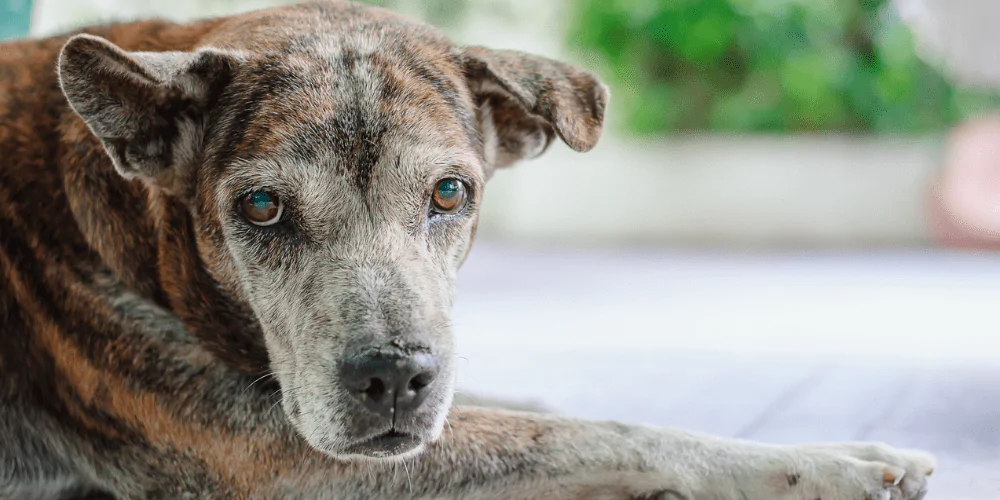
As dogs get older, they’re more likely to develop health issues. Insurance can still be worth it, even for older dogs.
Some providers may limit cover, add extra fees or restrict pre-existing condition cover. Always check the terms carefully
Common questions about dog insurance
Is teeth cleaning included?
Routine dental care is often excluded as preventative treatment. Keeping up with home oral hygiene can help avoid expensive vet treatments.
Does insurance cover spaying, neutering and castration?
Routine procedures like neutering (spaying or castration) are usually not covered, as they’re considered standard care.
Are vaccinations included?
Most insurers class vaccinations as routine care, so they typically won’t cover puppy vaccinations or annual booster vaccines.
Does insurance cover behavioural treatment and complementary therapies?
Some policies may cover behavioural treatments or things such as physiotherapy, acupuncture or hydrotherapy, as advised by a vet. It’s worth checking before buying a plan.
What if my pet is lost or stolen?
Some insurance policies offer cover for lost or stolen pets, sometimes as an optional extra (as is the case with Petgevity policies). This can include advertising costs, rewards or compensation if your dog isn’t recovered. Coverage varies, so always check the policy details carefully.

