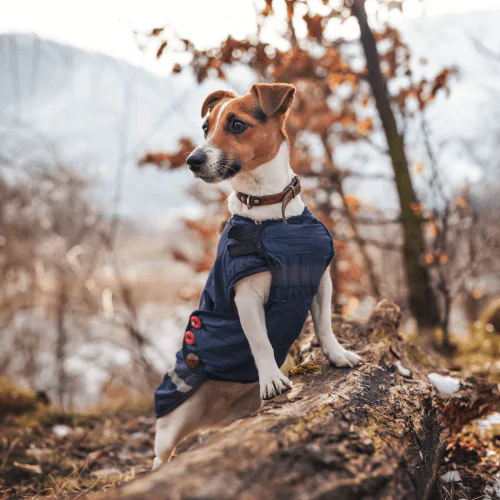
How to keep your dog warm & safe when the temperature drops ❄️
Is your dog feeling the winter chill? Keep them warm and safe indoors, on walks and overnight.

Owe Carter
26 October 2026
| 6 minutes read
Reviewed by Dr Emma Chandley BVetMed PGCertSAS MRCVS
Frosty mornings, dark afternoons and soggy walks… Winter can be tough going for dogs as well as their owners. Some pups take it all in their stride, while others feel the chill far sooner than you might expect.
Here’s how to spot the signs that your dog is too cold. We also look at which dogs need the most help, plus how to keep them warm, safe and comfortable indoors, on walks and overnight.
- How to tell if your dog is cold
- Can dogs get sick from cold weather?
> Does cold weather affect arthritis in dogs?
> Can dogs vomit or get diarrhoea from cold weather? - How to keep dogs warm in winter
> How to keep a dog warm at night - Tips for walking dogs in cold weather
> What do I do if my dog won’t walk in the cold?

How can you tell if your dog is cold? 🥶
Dogs show a range of signs when they’re feeling cold, not unlike their humans. Keep an eye out for:
- Ears, paws or a tail that feel cold to the touch
- Shivering or trembling
- Lethargy, or seeming flat and quiet
- Whining, tucking their tail in, or lifting their paws off the ground on walks
- Hunting for somewhere warm to curl up, or trying to find shelter
- Reluctance to go outside, or trying to head home early
Which dogs feel the cold most? 🐕
How well your dog copes with the cold depends on their size, coat, age and general health. Prolonged time in very cold temperatures can put any dog at risk, particularly if it’s wet or windy – but some will feel the chill sooner than others, including:
- Puppies and older dogs
- Underweight dogs
- Small dogs, and those with short or thin coats – like Chihuahuas, Greyhounds and Whippets
- Short-legged breeds such as Dachshunds may also feel the cold more quickly because their bodies are closer to cold, wet ground
- Dogs with certain health conditions which can make it harder to regulate body temperature – like diabetes, heart or kidney disease, or Cushing’s disease
Thick-coated dogs tend to cope better, but they’re not immune – especially once their fur is soaking wet.
Can cold weather make dogs poorly? 🤒
The cold can take a toll on your dog’s health in a few different ways:
- Lower resistance to illness: Long spells in the cold, especially when wet, put extra strain on your dog’s body and can leave them more prone to picking up infections.
- Extra strain on dogs with health conditions: Dogs with certain health conditions can find it harder to keep their body temperature steady, so they may need extra protection when it’s cold.
- Hypothermia: If your dog gets too cold, their body temperature can drop to a dangerous level.
- Frostbite: In extreme cold, especially when it’s wet or windy, the ears, tail and paws are particularly vulnerable because blood flow to these areas can become greatly reduced. Contact your vet if you suspect frostbite.
What should I do if I think my dog has hypothermia?
Hypothermia is a serious condition that needs prompt veterinary attention. Signs include shivering, lethargy and weakness, slower breathing, pale gums and confusion – and in severe cases, collapse. Call your vet straight away if you’re worried.
While you’re getting help:
- Move your dog somewhere warm and dry
- Wrap them in dry blankets
- Warm them up gradually. Blasting them with direct heat – like a fire or a car heater turned up high – can do more harm than good
Even if your dog seems to perk up, get them checked over. Hypothermia can lead to illness or injury after they’ve warmed up.
Does cold weather make arthritis worse? 🥶
Take extra care of an arthritic dog in winter. Some owners notice that their arthritic dog seems stiffer or more uncomfortable during cold, damp weather.
A few things can help:
- A warm, well-padded bed, ideally an orthopaedic one
- Non-slip rugs on smooth floors
- Shorter, gentler walks, steering clear of icy pavements where they could slip
- A chat with your vet about pain relief if they seem sore – never give human painkillers, which can be dangerous for dogs
Can dogs vomit or get diarrhoea in cold weather? 🤢
The cold itself doesn’t cause vomiting or diarrhoea.
Winter can bring changes to your dog’s routine and diet, particularly around Christmas. Rich foods, extra treats or access to foods they wouldn’t normally eat can cause vomiting or diarrhoea. Chocolate, raisins, sultanas and currants are also toxic to dogs, so keep these well out of reach.
If your dog is being sick or has loose stools that don’t clear up, get in touch with your vet.

How to keep your dog warm at home 🏠
Keeping the heating on all day isn’t realistic or affordable for many households, so here are some cheaper ways to keep your dog cosy:
- Draught-proof where you can. Draught excluders on doors and windows, thick curtains and insulating window film can all help keep the heat in.
- Dry your dog off whenever they come in from a toilet trip in the garden. Cold, wet bellies and paws don’t make for a cosy pup.
- Leave plenty of blankets around for them to burrow into when they feel the chill.
- Consider a pet specific heat mat for extra warmth. Check them regularly, keep a close eye on chewers, and always make sure your dog can move away from the heat if they get too warm.
How to keep your dog warm at night 🌙
A few more things to try when bedtime rolls around:
- Check they’re properly dry after the day’s adventures, since damp fur makes them feel colder.
- Find a warm, draught-free spot for them to sleep, ideally with their bed raised off any cold floor.
- Layer up their bed with extra blankets and towels for insulation but always make sure they can move away from the blankets if they become too warm.
The safest place for your dog overnight in cold weather is indoors. Never leave them shut outside during winter.
Tips for walking your dog in cold weather 🧣
Winter walks don’t have to be daunting. You just need to take a little extra care:
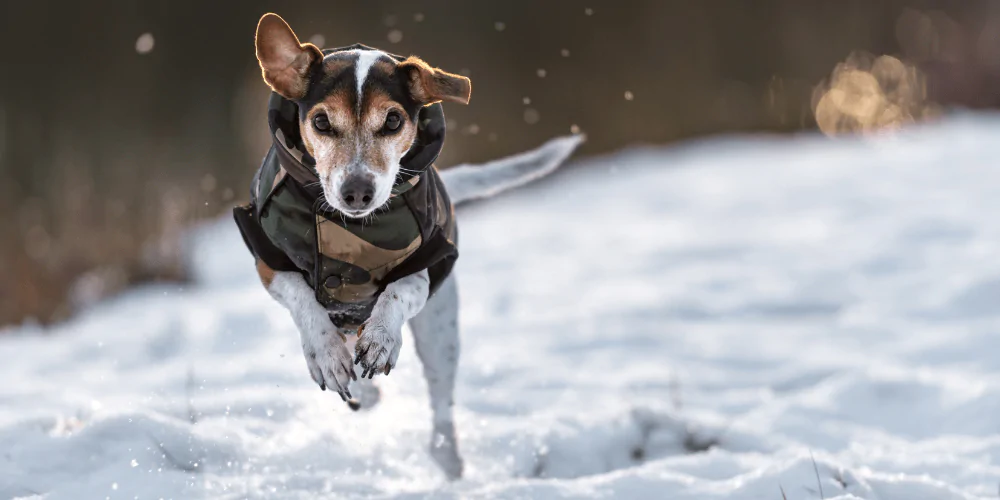
- Consider an insulated, waterproof dog coat, particularly for short-coated, small, older or thin dogs. Many thick-coated breeds won’t need one. If you use dog boots, make sure they’re properly fitted and that your dog can walk comfortably in them. Use a reflective dog collar, harness or lead so drivers can spot you in the darker parts of the day.
- Pick your moment. It’s often coldest first thing in the morning and late in the evening, so if you can, head out around midday when it may be warmer. Wind and rain make it feel colder still, so keep walks shorter in bad weather.
- Give parked cars a wide berth. Antifreeze can leak from them, and it’s poisonous to dogs. Antifreeze often contains ethylene glycol, which is highly toxic to dogs and can cause severe kidney failure. Even a small amount can be fatal. If you think your dog has licked or swallowed any, treat it as an emergency and contact a vet straight away.
- Wipe your dog’s paws and belly after walks to remove salt, grit and other substances they could lick off later.
- Keep away from frozen ponds and lakes. Ice may look solid but can break under your dog’s weight. Keep dogs on a lead around frozen water and don’t try to rescue a dog yourself if they fall through the ice – call the emergency services.
Dr Emma Chandley BVetMed PGCertSAS MRCVS says: “Every dog copes with cold weather differently, so pay attention to their behaviour as well as the weather outside. If your dog starts shivering, seems uncomfortable or is reluctant to keep walking, it’s a good idea to get them somewhere warm.”
Keep your dog protected throughout winter and beyond with flexible dog insurance from Petgevity.

