Dogs in season
Understanding your dog’s heat cycle
Philippa Short
12 January 2026
| 8 minutes read
Seeing your female dog go through her first season can feel daunting if you’re unsure what’s normal and what isn’t.
The good news is that with the right knowledge, there’s no need to panic.
Dog behaviourist Philippa Short explains what happens during the canine heat cycle, how to spot the signs and how to support your dog through this hormonal time. From physical changes to emotional ups and downs, here’s everything you need to know about dogs in season.
- Do female dogs have periods?
> When does a dog have her first season?
> How long does a dog’s season last? - Early signs your dog is coming into her first season
> Other typical symptoms of a dog in heat - Understanding the dog heat cycle
> How long is a dog fertile for?
> How often do dogs come into season? - Caring for and training a dog in season
> What to do if a male dog mounts your dog
Do female dogs have periods?
Dogs do experience something similar to periods, but it’s quite different from the human menstrual cycle.
Rather than shedding a uterine lining, female dogs go through a reproductive phase known as being in heat or in season.
During this time, your dog is fertile and capable of becoming pregnant. Hormonal changes can affect her body, mood and behaviour, which is why owners often notice significant differences during this stage.
When does a dogs have her first season?
Dogs reach sexual maturity at different ages. A first season can begin anytime between six months and two years old. Smaller breeds generally mature sooner than larger dogs.
Occasionally, very small breeds may come into season as early as five months, but this is uncommon. Most female dogs will experience their first season before they turn one, though some take a little longer.
Genetics can play a part, so it’s worth asking your breeder when the dam (the female parent of a litter) had her first season. In multi-dog households, females can sometimes synchronise their seasons if there’s a male dog present.
If your dog reaches around 16 months without any sign of a season, it’s sensible to speak to your vet to rule out any underlying issues.
How long does a dog’s season last?
The length of a dog’s season varies. Bleeding can last anywhere from three days up to three weeks, depending on the individual dog and how often she cycles each year. Some dogs come into season once annually, while others do so twice.
Early signs your dog is entering her first season
You won’t be able to predict the exact day your dog comes into season, but hormonal changes often bring noticeable behavioural shifts. Your dog may become:
- Moody or resistant to commands
- Nervous, unsettled or easily startled
- Socially awkward with other dogs, even if previously well-mannered
- Withdrawn or avoidant
- Extra clingy and keen to stay close to you
It’s common for behaviour to fluctuate from day to day. Try to be patient and allow her to express these changes without pressure.
Appetite changes are also normal. Some dogs lose interest in food, while others seem constantly hungry. You may need to make meals more appealing if she turns her nose up at her usual food.
Mild nausea can occur, particularly during the first week. Occasional vomiting isn’t unusual, but if she refuses food for more than five days, or shows persistent sickness or diarrhoea, contact your vet.
Other typical symptoms of a dog in heat
- Abdominal or lower back discomfort
- Panting due to pain or overheating
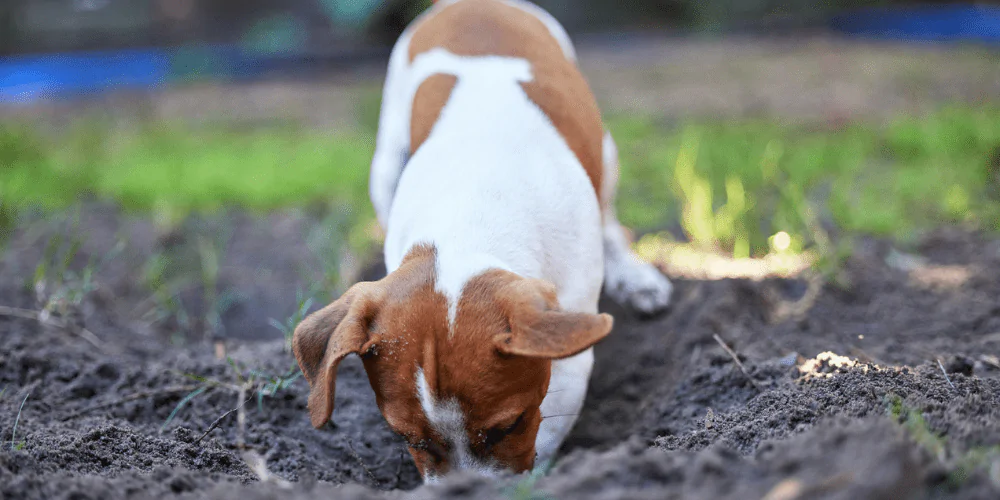
- Digging or nesting-type behaviours
- Tension or aggression towards other female dogs
If you have multiple female dogs at home, monitor interactions carefully. Arguments during a season can sometimes affect long-term relationships. If behaviour starts to escalate or feels unmanageable, seek professional advice promptly.
Understanding the dog heat cycle
How long is a dog fertile for?
A dog’s season can last anywhere from two days to around four weeks. It officially starts when bleeding begins and ends once she loses interest in mating and the swelling reduces.
Here’s a general breakdown of what happens during the cycle:
Days 1-4
- Vulva begins to swell
- Light spotting may appear on floors or bedding
Days 5-9
- Swelling is more pronounced
- Bleeding becomes heavier (first seasons may be lighter)
- Male dogs show interest, but she is not yet receptive
- She may sit frequently and protect her rear
Days 9-15
- Bleeding turns into a paler discharge
- Ovulation occurs – she is now fertile
- Sexual behaviours increase
- Tail may move to the side, and mounting behaviour can occur
- Extra care is needed with fencing and leads
Days 21–30
- Sexual behaviour subsides
- Vulva gradually returns to normal size
How often do dogs come into season?
Most female dogs come into season approximately every five to seven months. Some, however, cycle just once a year. This pattern can be breed-specific, with breeds such as Beagles and Basenjis more likely to have annual cycles.
Spaying prevents seasons altogether and eliminates the risk of pregnancy.
Caring for and training a dog in season
Training during a season should be approached gently and flexibly. Always consider how your dog is feeling emotionally and physically.
Because her vulva may be swollen, she may be reluctant to sit or remain seated for long. If she shows little interest in training and prefers rest, cuddles or space, respect that.
During the fertile stage, dogs can become determined escape artists. Always use secure leads and double-check garden fencing. Long leads can help keep her safe outdoors.
While it’s legal to walk a dog in season, many owners prefer quieter times or private dog parks with secure fencing to avoid unwanted attention.
At home, provide mental stimulation through puzzle toys, scent games and stuffed Kongs to help burn off nervous energy.
Once her season has finished, a thorough bath can help remove lingering scents. You may need to wash her more than once, particularly around her back legs and tail area.
What to do if a male dog mounts your dog
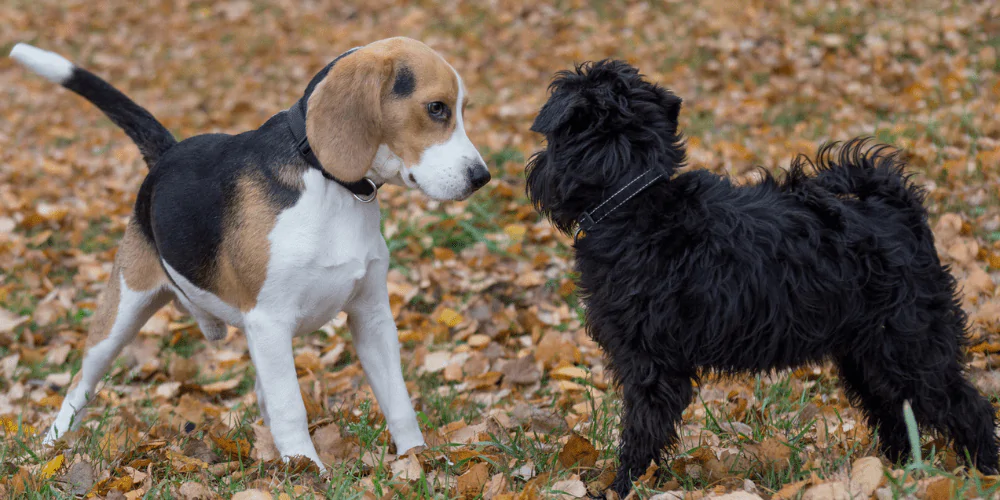
If a male dog manages to mount your female while she’s in heat, do not attempt to pull them apart.
Male dogs have a gland that swells during mating, causing the dogs to lock together and turn back-to-back. Forcing separation can seriously injure both dogs, and even calm males may react defensively.
Instead:
- Hold your dog calmly and keep her still
- Reassure her with gentle praise
- Allow the mating to continue
- Dogs can remain tied for anywhere between five and 50 minutes. Once they separate naturally, take your dog straight to the vet to discuss options such as an emergency injection to prevent pregnancy
Supporting your dog through her season requires patience, empathy and understanding. She’s dealing with intense physical and emotional changes, so let her guide you on what she needs.
Give your female dog the freedom to live comfortably – even during those challenging seasons – with flexible protection from Petgevity dog insurance.

