Covers your pet up to the chosen vet fee limit if they have a dental accident or injury. Always be sure to take your pet for annual dental check-ups, and follow your vet’s advice.
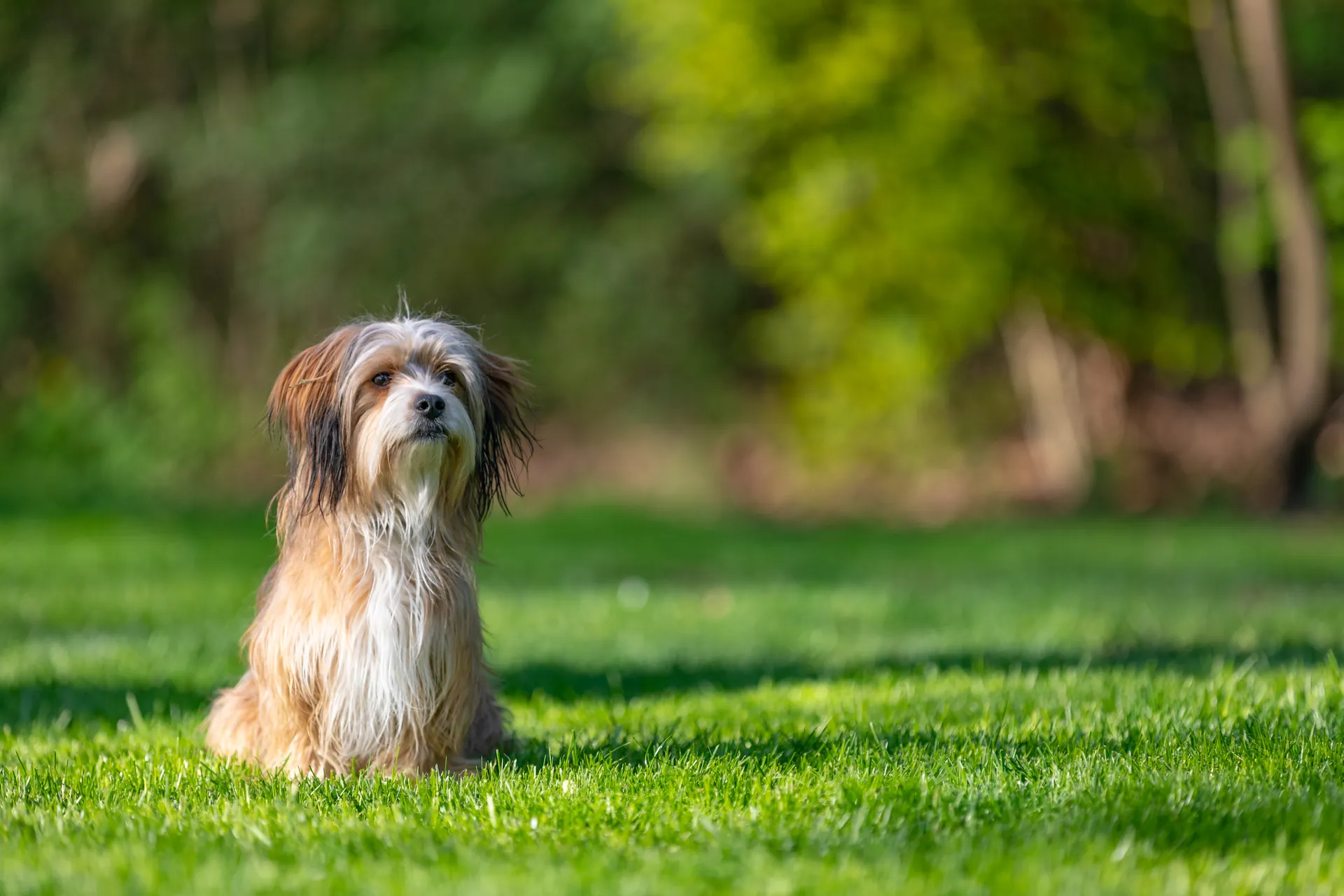
Shih Tzus are small in size but big on personality. Bred for centuries to be a devoted companion, they’re happiest curled up next to their favourite person. But don’t mistake that for laziness – there’s a playful, confident little dog under all that hair. Their flowing coat needs serious commitment to keep looking (and feeling) its best.
A guide to owning a Shih Tzu
The Shih Tzu is one of the world’s oldest companion breeds, bred specifically to sit in the laps of Chinese royalty rather than to work, herd or guard. That heritage still shows: Shih Tzus are sociable, affectionate and happiest when they’re within touching distance of their favourite people.
Don’t let the glamorous coat fool you… Underneath it is a sturdy, confident little dog with a playful streak and plenty of personality. They’re generally easy-going with familiar faces, but can be a little wary of strangers until they’ve had a proper introduction.
Like any breed, Shih Tzus come with their own set of needs, particularly around grooming and specific health conditions linked to their flat face and long coat. Here we look at their personality, appearance, common health issues, plus everything else worth knowing before bringing one home.
Are Shih Tzus good family dogs?
Yes. Shih Tzus are typically gentle, affectionate and well suited to family life, including homes with older, considerate children. Their small size and sturdy build make them a good match for many households, though their long coat and delicate eyes mean younger children need to be taught how to handle them gently.
With proper socialisation, Shih Tzus tend to form close bonds with everyone in the household, rather than fixating on just one person.

Shih Tzu size and appearance
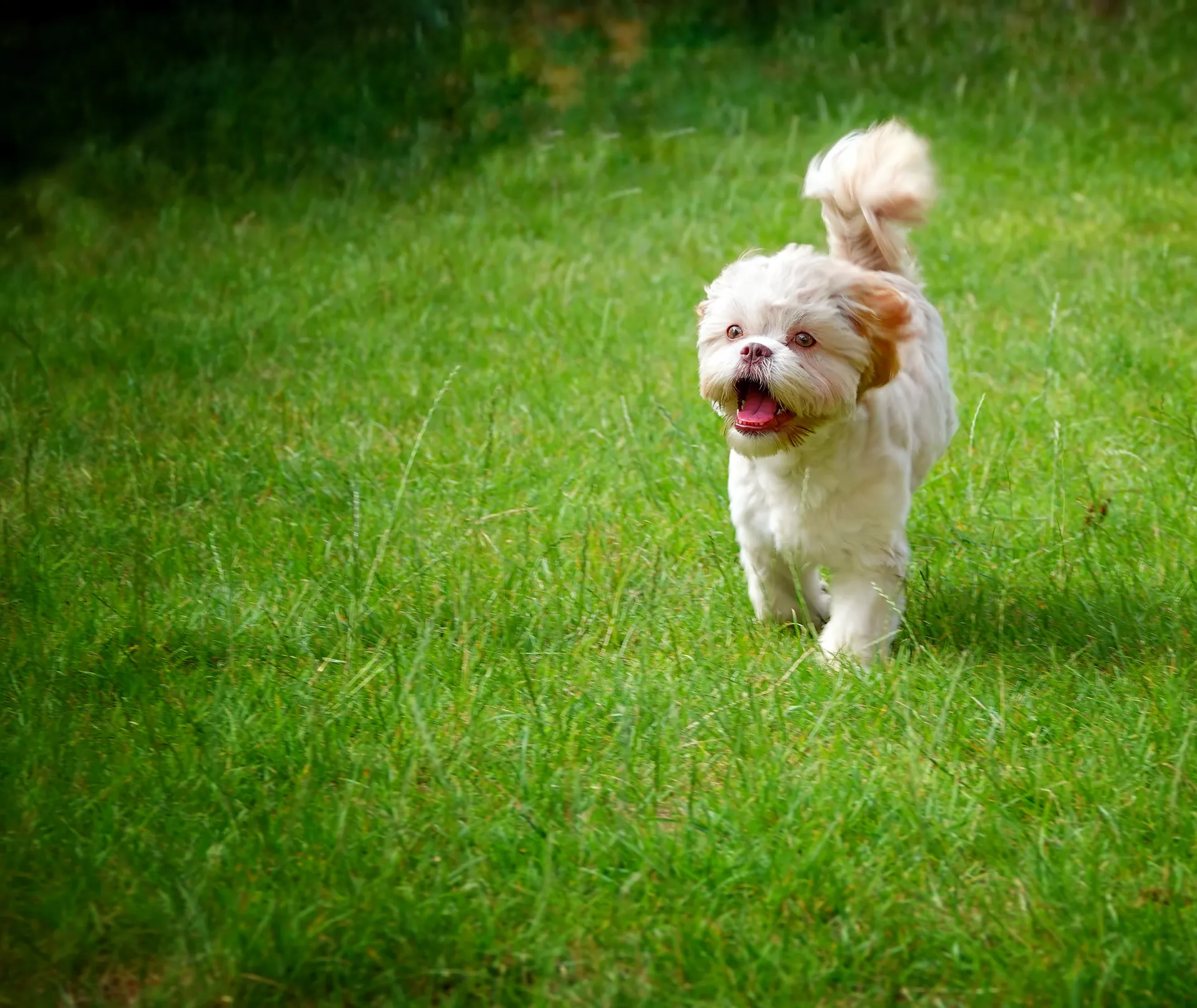
The Shih Tzu is a small, sturdy toy breed with a compact, solid frame. They typically stand 20-28 cm tall at the shoulder and weigh between 4.5-8 kg.
Their most recognisable features are a broad, round head, short muzzle, large round eyes, and long, floppy ears – all giving them the distinctive ‘lion dog’ look their name translates as. Raaawwwrrrr!
Their long, flowing double coat can come in almost any colour or combination, including:
- Gold
- Black
- White
- Black and white
- Liver and white
- Brindle (dark, tiger-like stripes on a lighter base)
What was the Shih Tzu bred for?
The Shih Tzu’s story stretches back centuries in China, where they’re thought to have been developed from Tibetan dogs, raised by monks as long ago as 600 AD. They were later gifted to the Chinese imperial court, likely crossed with breeds such as the Pekingese and Lhasa Apso. Their name translates roughly to ‘lion dog’, a nod to their resemblance to the stone lion statues that guard Chinese temples and palaces.
Unlike most breeds, the Shih Tzu wasn’t developed for any working purpose – no herding, hunting or guarding. Their entire job was companionship, kept as treasured pets within the Chinese imperial court for generations.
The breed reached the West in the early 20th century, and today Shih Tzus continue to do exactly what they were always bred for: being a devoted, people-focused companion.

What is a Shih Tzu’s temperament?
The Shih Tzu’s temperament is:
- Born companion: Affectionate and devoted, happiest by your side
- Confident charmer: Outgoing and self-assured, despite their small size
- Playful: Cheerful and fun-loving, with bursts of energy
- A little stubborn: Independent-minded, which can make training a bit of a negotiation
- Sociable: Generally good with familiar people, pets and (once introduced) strangers
Can Shih Tzus be left alone?
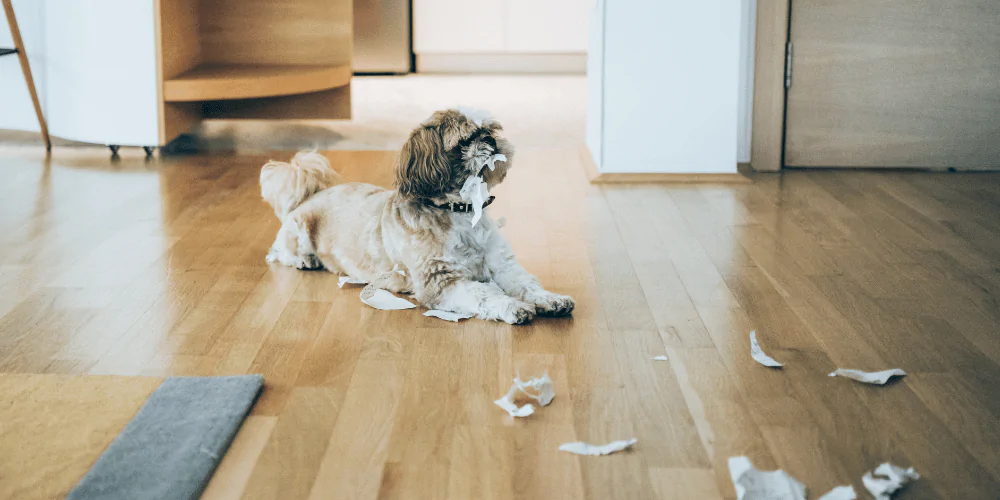
Shih Tzus were bred purely for companionship, so they don’t love being left alone for long stretches. Without the right preparation, they can become anxious, vocal or destructive when separated from their people.
Build up independence gradually, starting with very short absences and working up slowly. This should help make time alone far more manageable.
As a general rule, no dog should be left alone for more than four hours. If you do need to pop out, make sure they’ve got familiar comforts – a favourite toy, a cosy bed, and perhaps some background noise like the radio or TV.
For longer periods, it’s worth arranging for someone to check in, offering company, a toilet break, and a bit of exercise along the way.

How much exercise does a Shih Tzu need?
Shih Tzus don’t need much exercise compared to most breeds. Around 20 to 40 minutes a day, split across a couple of walks, is usually plenty. Given their brachycephalic (flat) face, it’s worth keeping walks gentle and avoiding strenuous exercise. This is especially the case in warm weather, since Shih Tzus can struggle to regulate their body temperature and are prone to overheating.
Playtime and mental stimulation matter just as much as physical exercise for this breed. Short training sessions, puzzle toys and games around the house all help keep a Shih Tzu’s mind busy.
Can Shih Tzus swim?
Generally speaking, no. Shih Tzus aren’t natural swimmers. Their flat face makes breathing while swimming harder work, their short legs aren’t built for strong paddling, and their heavy coat can quickly become waterlogged – dragging them down.
If you’d like to introduce your Shih Tzu to water, do so cautiously, always under close supervision, and consider a dog life jacket to help keep them safe and afloat.
Our expert says…
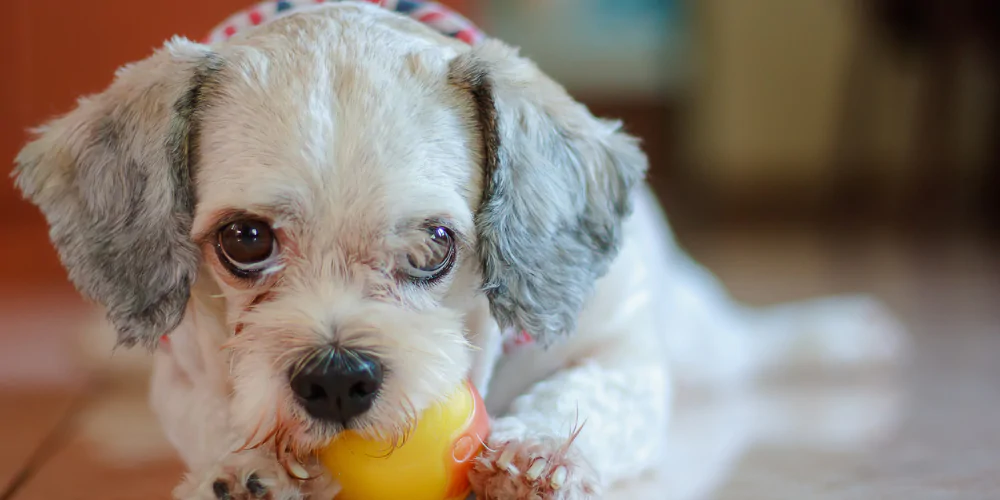
“Shih Tzus are little bundles of personality – they’re not going to let you forget they were bred as a pet for royalty!
“As a vet, the health issues I see in this breed are mostly related to their high grooming needs not being met. Too long between grooms can cause skin disease when fur grows this quickly.
“Plus long facial hair can also rub the eyes which are large and round, and not well protected given the short muzzle. Ulcers of the cornea (the front of the eye) are very common and can be very hard to treat… especially as many Shih Tzus also suffer from ‘dry eye’, a lifelong condition where they don’t make healthy tears – which are essential in protecting the eye.”
Dr Siân Burwood MA VetMB MRCVS

How long do Shih Tzus live?
A healthy Shih Tzu typically lives between 10 and 16 years. Keeping them at a healthy weight, staying on top of dental care, and attending regular vet check-ups all help give them the best chance of a long, comfortable life.
What are the common health issues for a Shih Tzu?
As a brachycephalic (flat-faced) breed, Shih Tzus can be prone to brachycephalic obstructive airway syndrome (BOAS), which can cause noisy breathing, snoring and difficulty regulating their temperature in hot weather.
Eye conditions, including corneal ulcers and dry eye, are also common in the breed.
Other conditions worth knowing about include:
- Patellar luxation, where the kneecap slips out of place – common in small breeds
- Hip dysplasia, which can lead to arthritis over time
- Portosystemic shunt, a liver condition where blood partly bypasses the liver, sometimes causing stunted growth or neurological symptoms
- Dental disease, since a full set of teeth in a small jaw makes overcrowding, plaque and tartar build-up more likely
Keeping your Shih Tzu at a healthy weight, staying on top of dental hygiene, and attending regular vet check-ups all go a long way towards catching and managing these conditions early.
Shih Tzu grooming and hygiene
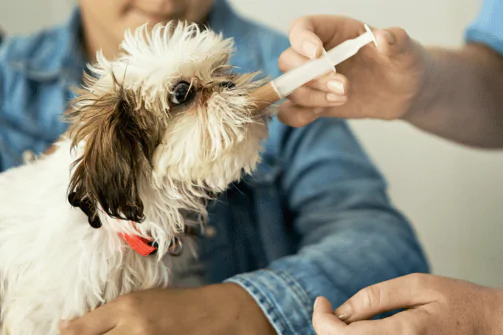
Grooming isn’t optional with a Shih Tzu – it’s a significant, ongoing commitment. Here’s what’s involved in keeping them comfortable and healthy:
- Brush their coat daily to prevent painful mats and tangles, which can build up quickly.
- Book professional grooming every four to six weeks, or consider a shorter ‘puppy cut’ if daily brushing isn’t realistic for your routine.
- Clean around their eyes daily to prevent tear staining and reduce the risk of irritation from hair rubbing against the eye.
- Bathe them every few weeks using a gentle dog shampoo.
- Brush their teeth several times a week to help prevent tartar build-up, given how prone the breed is to dental disease.
- Check and clean their floppy ears regularly, as trapped moisture and hair can increase the risk of infection.
- Keep their nails regularly trimmed. It can be easy to cut nails to the quick, so visit a groomer if you’re not confident doing this yourself.
Do Shih Tzus shed?
Shih Tzus shed very little compared to most breeds, since they have hair rather than a typical double coat of fur. The trade-off is that their hair keeps growing continuously, much like human hair, which is exactly why daily brushing and regular grooming appointments are so essential. Without them, that lovely coat quickly becomes a matted, uncomfortable mess.
Are Shih Tzus hypoallergenic?
No breed of dog is truly hypoallergenic, Shih Tzus included. Their low shedding does mean less hair circulating around your home, which can help some allergy sufferers. But they still produce dander (dead skin) and saliva, both of which can trigger allergic reactions.
If allergies are a concern for you or your family, it’s always worth spending time with a Shih Tzu – ideally more than once – before committing to bringing one home.
How to train a Shih Tzu
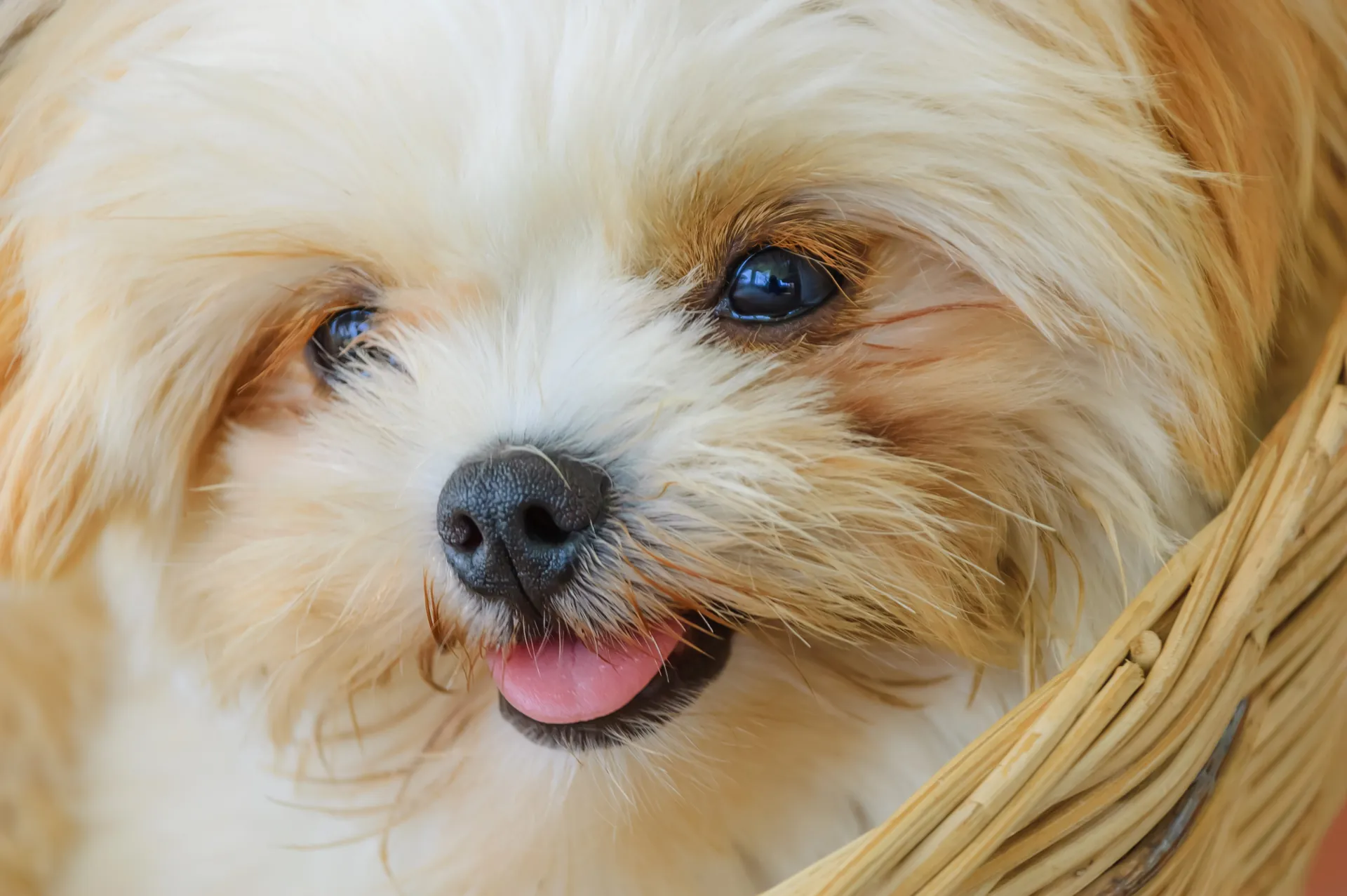
Shih Tzus are intelligent and eager to please, but their independent streak means training sometimes takes a bit more patience than with more eager-to-obey breeds. Housetraining in particular can take longer than expected with this breed, so consistency really pays off.
A few tips to help things along:
- Start socialisation and basic training early, while they’re still young and impressionable.
- Use positive reinforcement – treats, praise and affection – to keep them motivated and engaged.
- Keep training sessions short and varied, since Shih Tzus can lose interest quickly.
- Stay consistent and patient, especially with toilet training, which can take a little longer with this breed.
- Avoid harsh corrections – Shih Tzus respond far better to encouragement than firmness.
What insurance do I need for my Shih Tzu?
The level of dog insurance to get for your Shih Tzu will usually come down to your budget and circumstances. To find out exactly what you’re getting for your money, read our guide to whether pet insurance is worth it.
At Petgevity, we think all dogs deserve the most comprehensive level of cover as possible. This is why we only sell different types of lifetime cover. We could also cover your Shih Tzu for any pre-existing conditions they may have with our Lifetime Plus policy, subject to acceptance*.
Guides and advice from experts
Our expert vets and behaviourists have great pointers to help keep your pet happy and healthy.
If your dog gets ill or has an accident, you want to give them the best care possible. Let’s take a look at why having pet insurance is important for your pooch.

Owe Carter
19 May 2023
6 minute read

How to choose the best pet insurance for my pet
We explain the top things you may want to think about when it comes to researching pet insurance policies, including how you can compare pet insurance.
Owe Carter
19 May 2023
6 minute read
What is lifetime pet insurance?
We’re saying farewell to all of the confusion around lifetime pet insurance. Join us as we explore what it is and how it works.
Owe Carter
19 May 2023
6 minute read
What’s included in your dog cover
Choosing Petgevity to protect your dog gives you more than just vet fee cover. Here's what you get from our policy.

Dental accident
Covers your pet up to the chosen vet fee limit if they have a dental accident or injury. Always be sure to take your pet for annual dental check-ups, and follow your vet’s advice.
More info
Covers your pet up to the chosen vet fee limit if they have a dental accident or injury. Always be sure to take your pet for annual dental check-ups, and follow your vet’s advice.

Behavioural treatment
Get expert help with your pet’s mental and emotional wellbeing, as advised by your vet. Cover up to your chosen vet fee amount or the cost of up to 12 sessions, whichever is lower (Lifetime Plus); or up to £1,000 (Lifetime).
More info
Get expert help with your pet’s mental and emotional wellbeing, as advised by your vet. Cover up to your chosen vet fee amount or the cost of up to 12 sessions, whichever is lower (Lifetime Plus); or up to £1,000 (Lifetime).

Complementary therapy
As advised by your vet, this covers alternative treatments like acupuncture or hydrotherapy. Cover up to your chosen vet fee amount (Lifetime Plus); or up to chosen vet fee amount or £1,500, whichever is lower (Lifetime).
More info
As advised by your vet, this covers alternative treatments like acupuncture or hydrotherapy. Cover up to your chosen vet fee amount (Lifetime Plus); or up to chosen vet fee amount or £1,500, whichever is lower (Lifetime).

Emergency care
If you can’t look after your pet due to an emergency, such as an unplanned hospital visit, this covers you for up to £1,500 (Lifetime Plus) in minding costs.
More info
If you can’t look after your pet due to an emergency, such as an unplanned hospital visit, this covers you for up to £1,500 (Lifetime Plus) in minding costs.

Third-party liability for dogs
Covers you for legal costs if your dog causes injury to somebody or their pet, or causes loss or damage to someone’s property. Protects you for up to £2 million in a legal action.
More info
Covers you for legal costs if your dog causes injury to somebody or their pet, or causes loss or damage to someone’s property. Protects you for up to £2 million in a legal action.

Choice of optional extras
Need extra protection? Choose from several optional extras to cover your pet’s needs, including dental illness, or cover if your pet is stolen or lost.
More info
Need extra protection? Choose from several optional extras to cover your pet’s needs, including dental illness, or cover if your pet is stolen or lost.
Dental accident
More info
Behavioural treatment
More info
Get expert help with your pet’s mental and emotional wellbeing, as advised by your vet. Cover up to your chosen vet fee amount or the cost of up to 12 sessions, whichever is lower (Lifetime Plus); or up to £1,000 (Lifetime).
Complementary therapy
More info
As advised by your vet, this covers alternative treatments like acupuncture or hydrotherapy. Cover up to your chosen vet fee amount (Lifetime Plus); or up to chosen vet fee amount or £1,500, whichever is lower (Lifetime).
Emergency care
More info
If you can’t look after your pet due to an emergency, such as an unplanned hospital visit, this covers you for up to £1,500 (Lifetime Plus) in minding costs.
Third-party liability for dogs
More info
Covers you for legal costs if your dog causes injury to somebody or their pet, or causes loss or damage to someone’s property. Protects you for up to £2 million in a legal action.
Choice of optional extras
More info
Need extra protection? Choose from several optional extras to cover your pet’s needs, including dental illness, or cover if your pet is stolen or lost.
*Cover for pre-existing medical conditions is subject to acceptance. They will not be covered unless you have declared them and they are shown on your Confirmation of Cover.