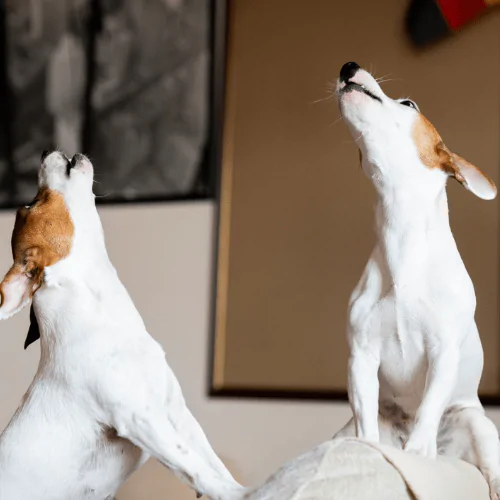
How to stop your dog from barking
Is your dog a bit borky? Here are some practical training tips from a behaviour expert.

Philippa Short
16 March 2026
| 10 minutes read
Dogs communicate in many ways – barking, whining, howling and even the famous Beagle bay. Some breeds are naturally more vocal than others, but all dogs bark at times.
But when barking becomes constant or disruptive, it can be stressful for both you and your pet. Dog behaviourist Philippa Short shares practical advice on understanding why dogs bark and how to manage excessive vocalisation in a positive way.
- Why do dogs bark?
> Practised barking becomes habitual barking - How to teach a dog other ways of communicating (other than barking)
> The two common traps of dealing with barking - How to stop a dog barking for attention
- How to stop a dog barking from anxiety
- How to stop a dog barking out of excitement
- How to stop a dog barking from boredom
- Managing other barking situations
> How to stop a dog barking at the door
> How to stop a dog barking while you’re eating
> How to stop a dog barking at things going past the house
> How to stop a dog barking in the car

Why do dogs bark?
Barking is one of the main ways dogs communicate with people and other animals. While it’s normal behaviour, frequent barking often happens for a specific reason.
Common causes include:
- Boredom or lack of physical activity
- Anxiety or stress
- Excitement
- Frustration
- Fear
- Seeking attention
- Habit or learned behaviour
Understanding the reason behind the barking is the first step towards addressing it effectively.

How barking becomes a habit
Like any behaviour, barking can quickly become ingrained if it’s repeated often.
Dogs may continue barking even if it doesn’t always achieve their original goal. That’s because vocalising can release rewarding brain chemicals that reinforce the behaviour.
It’s also important to remember that dogs often seek attention – even negative attention. If a dog barks and receives a reaction, they may learn that barking is an effective way to engage with you.
Instead of focusing only on stopping the barking, it’s helpful to reward quiet behaviour and teach alternative ways for your dog to communicate.

Teaching your dog different ways to communicate (besides barking)
You don’t want to stop your dog from communicating entirely – but you can help them learn better ways to ask for things.
For example, some owners teach their dog to bark when they need the toilet. When the dog barks, the door opens.
But from your dog’s perspective, the lesson may become: “barking makes doors open.”
Instead, encourage a calmer behaviour. For instance, you might teach your dog to:
- Sit or stand quietly in front of you
- Make eye contact
- Wait calmly for your attention
Once they show the behaviour you prefer, you can respond to their request and reward the calm communication.

Common mistakes when dealing with barking
There are two common traps many owners fall into when trying to stop excessive barking.
Ignoring barking
Some advice suggests completely ignoring barking and only rewarding silence. While this can work for certain dogs, it doesn’t always succeed because barking can be self-rewarding.
In some cases, teaching an alternative behaviour is more effective.
Accidentally rewarding barking
Another mistake is asking your dog to perform a behaviour after they bark – then immediately giving them a treat.
This can unintentionally teach them: “bark first, then perform the behaviour to earn a reward.”
Instead, try to reward the alternative behaviour before barking starts. This approach is known as teaching a mutually exclusive behaviour – one that prevents barking from happening at the same time.
If you miss the moment and your dog already barked, use verbal praise rather than food rewards.
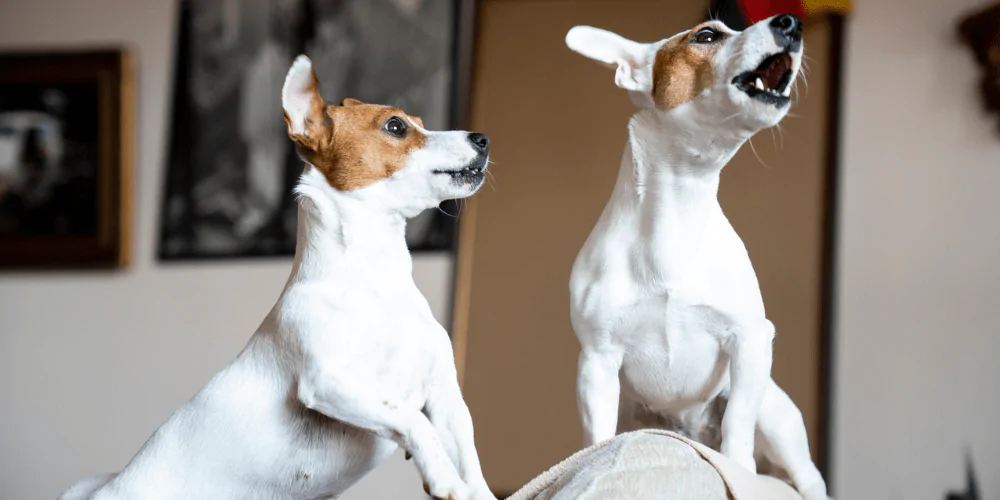
How to stop your dog barking for attention
Attention-seeking barking is very common.
If your dog barks to get a toy, fuss or interaction:
- Avoid responding when they bark
- Give attention when they’re calm and quiet
- Reward behaviours such as lying down or relaxing beside you
If ignoring the behaviour doesn’t work, training a calm alternative response may help.

How to stop your dog barking from anxiety
Some dogs bark excessively because they feel anxious. This can happen in two main ways:
- Separation anxiety – when a dog becomes distressed if left alone
- Generalised anxiety – when a dog feels anxious even when their owner is present
If anxiety is the cause, the barking is a symptom of a deeper issue. In these cases, it’s best to work with a qualified behaviourist who can identify the underlying trigger.
They may assess factors such as:
- Your dog’s health
- Their history or rescue background
- Environmental stressors such as noise
- Interactions with other dogs
In some situations, medication may also be recommended by a vet to help manage severe anxiety.
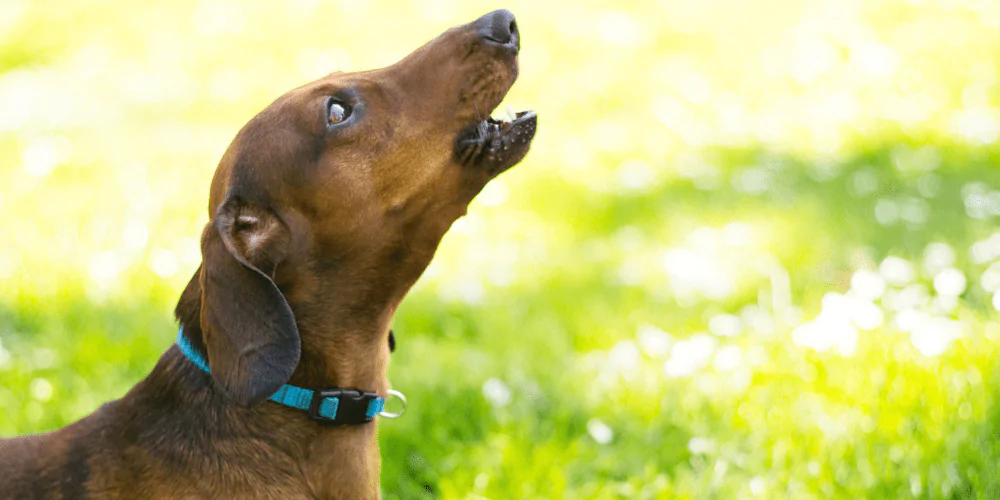
How to stop excitement barking
Some dogs bark excessively when they’re excited. This might happen when:
- People arrive or leave the house
- You prepare for a walk
- They see other dogs
- They’re about to go somewhere fun
Excitement-based barking can be difficult to manage alone, so behaviourist support is often helpful.
Training focuses on helping your dog stay calm during stimulating situations and rewarding quieter behaviour.

How to stop your dog barking from boredom
A dog with too little stimulation may start barking simply because they have nothing else to do.
Increasing exercise can help – but mental stimulation is just as important.
You could try:
- Interactive puzzle toys
- Scent games
- Short training sessions
- Rotating toys regularly
These activities provide enrichment and help reduce boredom-driven behaviours.
Dealing with other barking situations
How to stop your dog barking at the door
Many dogs bark when they hear a knock or doorbell. This could be excitement, fear or territorial behaviour.
Two common approaches include:
Managing the environment:
Move your dog behind a gate or into another room so they can’t see visitors approaching.
Training a ‘go to place’ cue:
Teach your dog to go to a specific bed or mat when the doorbell rings.
When your dog hears someone at the door:
- Thank them for alerting you
- Ask them to go to their designated spot
- Reward them heavily for staying there quietly
With consistent practice, your dog learns that staying calm is more rewarding than barking.
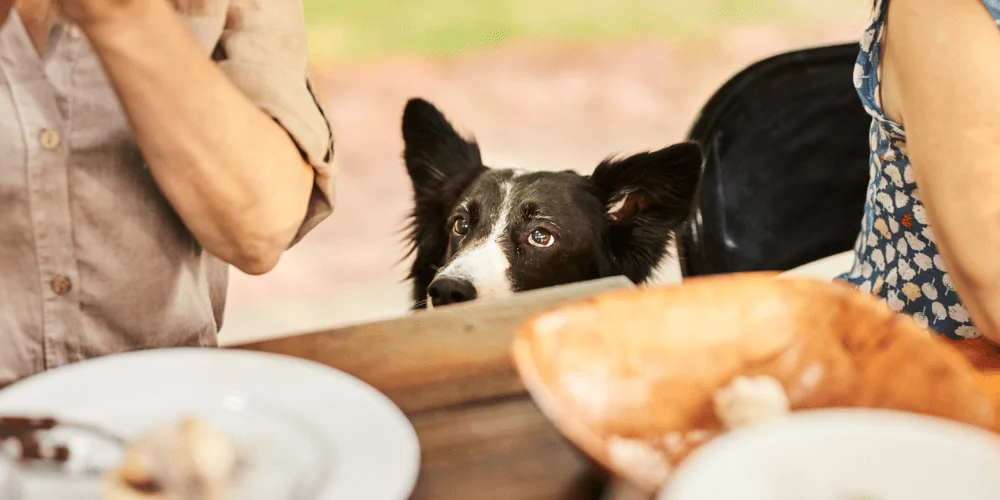
How to stop your dog barking at mealtimes
If your dog barks while you’re eating, hunger could be part of the problem – especially for puppies or adolescents.
Feeding your dog before you sit down can help them feel calmer.
You can also manage the situation by:
- Using a crate or baby gate
- Teaching your dog to settle quietly on a bed
- Providing a chew toy or stuffed food toy during your meal
This allows your dog to remain in the room without demanding attention.

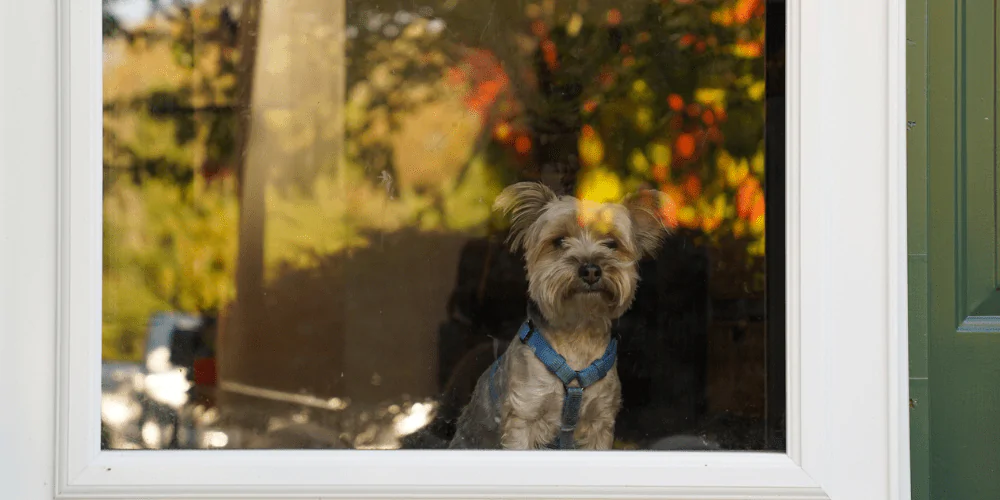
How to stop your dog barking at things outside
Some dogs bark at passing people, animals or vehicles they see through the window.
Management strategies include:
- Preventing access to windows that trigger barking
- Moving furniture away from windows
- Using frosted window film to block visual triggers
You can also train your dog using a three-step response:
- First bark: Thank them and calmly ask them to stop
- Second bark: Repeat the cue in a slightly firmer tone
- Third bark: Gently guide them away from the area for a short one-minute break
This teaches your dog that you’ve acknowledged the alert and they no longer need to continue barking.
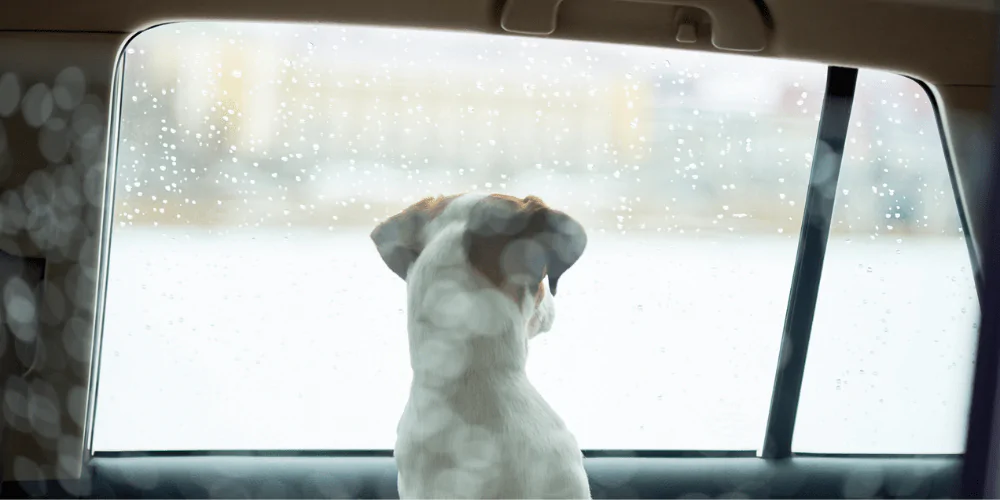
How to stop barking in the car
Dogs often bark in the car out of excitement, especially when arriving somewhere they enjoy.
Avoid letting your dog jump out of the car while barking, as this rewards the behaviour.
Instead:
- Wait until they’re quiet before opening the door
- Close the door again if barking begins
- Only move forward with the walk when they’re calm
Excitement is natural – tail wagging and body wiggling are fine – but the goal is to teach that barking isn’t necessary.
When to seek help
If your dog’s barking feels difficult to manage or is linked to anxiety, a qualified behaviourist can help identify the cause and create a tailored training plan.
With Petgevity Lifetime Plus dog insurance, behavioural sessions with an accredited animal behaviourist might be covered, provided they’re recommended by your vet.

