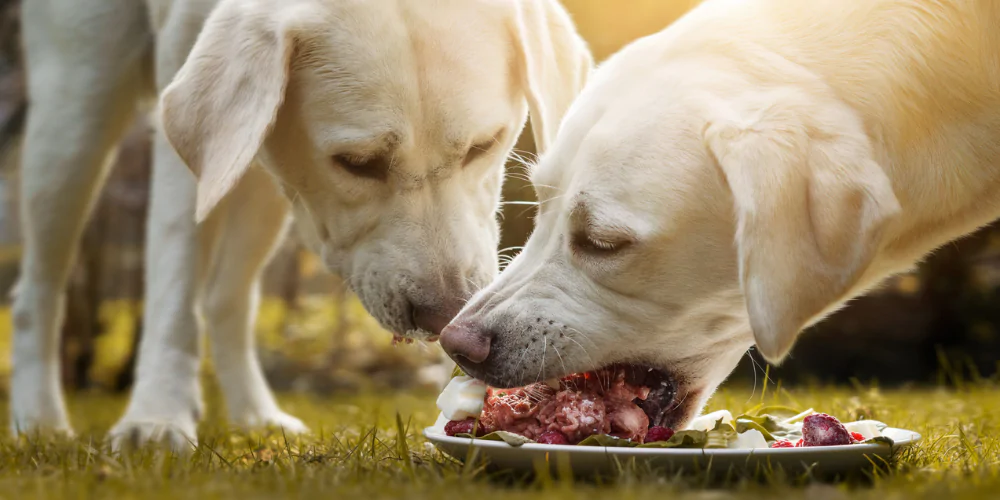
Raw Pet Food Safety Alert: FSA Warns of Bacteria Risks
Over a third of raw pet food samples have been found contaminated. Here’s how to handle food properly to protect your pets, vulnerable groups and yourself from infection.

Owe Carter
17 February 2026
The Food Standards Agency (FSA) is urging pet owners and feed manufacturers to handle food safely. This follows a nationwide survey that found harmful bacteria in a significant proportion of raw pet food products.
The findings highlight potential risks not only to pets, but also to owners and vulnerable people in the same household. The regulator is now pressing for stricter hygiene practices during production, retail handling and preparation at home.
Because raw pet food isn’t heat-treated, bacteria that would normally be destroyed during cooking can remain active. This increases the risk of cross-contamination, infection and the potential spread of antimicrobial resistant (AMR) bacteria.
Harmful bacteria found in over a third of products
Lab testing of 380 raw dog and cat food products was undertaken between March 2023 and February 2024, sourced both from shops and online retailers. These samples were analysed by the UK Health Security Agency (UKHSA), with results revealing widespread contamination and multiple breaches of food safety standards.
The survey results raise alarming safety concerns. Testing found that:
- 35% of products contained harmful bacteria, including Salmonella, Campylobacter and E. coli
- 29% failed to meet UK legal safety standards
Some raw pet food products are clearly labelled. But others – including certain dried treats and chews – may contain uncooked meat without obvious labelling. This makes careful handling even more important.
Pets that consume contaminated food may not always appear ill, but they can still carry and transmit bacteria to humans.
Rick Mumford, Interim Chief Scientific Advisor at the FSA, says:
“We know that many pet owners choose raw pet food. This survey shows that these products can pose risks to human and animal health.
“Good hygiene practices and safe handling can help reduce the risks to you and your family. Follow the same hygiene principles you would when preparing food for the humans in your life; washing hands thoroughly with soap and water, cleaning all surfaces, and storing and defrosting pet food and treats away from human food.
“Detailed information on the safe handling of raw pet food can be found on the FSA’s dedicated raw pet food guidance page.”
The FSA confirmed it has worked with local authorities and affected businesses to address the issues identified during testing.
Who is most at risk?
Public health experts warn that contaminated raw pet food can cause illness through:
- direct handling
- contaminated kitchen surfaces, or
- contact with pets that have eaten the food
Gauri Godbole, Deputy Director for Gastrointestinal Infections, Food Safety and One Health at UKHSA, says:
“Raw pet food products can carry harmful bacteria such as Salmonella and Campylobacter, which can cause diarrhoea, stomach cramps and sometimes vomiting and fever. These bacteria can be passed to people through handling raw pet food, contaminated products or surfaces or contact with pets who have eaten the food.
“Young children, pregnant women, older people and those with weakened immune systems are at greater risk of becoming severely unwell.
“To reduce the risk of illness, pet owners should wash their hands thoroughly after handling raw pet food, clean and disinfect bowls, utensils and surfaces, store raw pet food separately from food for people and ensure good hygienic practices for handling of pet faeces.
“Anyone who is concerned about symptoms should contact a healthcare professional for further advice.”
Antimicrobial resistance concerns
Beyond immediate infection risks, animal health experts have also raised concerns about antimicrobial resistance (AMR). When bacteria survive and spread between animals and humans, it can contribute to resistance against antibiotics, making infections harder to treat.
Stephen Wyllie, Veterinary Head of One Health at the Animal and Plant Health Agency (APHA), says:
“APHA is a world leader on Antimicrobial Resistance (AMR) in animals, carrying out vital research to reduce the spread of AMR. Today’s report is a reminder that raw pet food can carry harmful bacteria that pose a risk to animal health.
“Pet owners should handle raw pet food in the same way as they would raw meat to avoid food-borne infections and increased risk of antimicrobial resistance spreading between pets.”
Safe handling advice for raw pet food
If you choose to feed your cat or dog a raw diet, strict hygiene is essential. It’s best to:
- Wash your hands thoroughly with soap and water after handling
- Clean and disinfect all bowls, utensils and preparation surfaces
- Store raw pet food separately from human food
- Defrost raw food safely, away from kitchen worktops
- Handle pet waste hygienically
The FSA has confirmed it’ll continue working with regulators and the pet food industry to strengthen oversight and uphold safety standards across the UK raw pet food sector.
For pet owners, the message is clear: raw feeding requires the same level of care and hygiene as preparing raw meat for human consumption – especially in households with vulnerable people.
Another way to look after your furry friend is with peace-of-mind lifetime pet insurance.

