Blindness in dogs: Symptoms, treatments, and how to give care
Dr Rebecca MacMillan BVetMed BSAVA PGCertSAM MRCVS
6 August 2024
Navigating the world without eyesight can be a challenge for dogs. But your pup can still lead a happy and fulfilling life with the right care and support.
Below, learn about the causes of canine sight loss, the symptoms to look out for, and how to care for a blind dog.
- Why do dogs go blind?
> Dog breeds with poor eyesight - What are the different types of blindness in dogs?
- How to tell if your dog has vision problems
> Symptoms of sudden blindness in dogs
> Symptoms of intermitted blindness in dogs - Dog blindness test
- How is blindness in dogs treated?
> Dog blindness treatment cost UK - Caring for a blind dog
> How to walk a blind dog
> How to play with a blind dog - Other questions about dog blindness
> Is it safe a blind dog alone safe?
> Is it cruel to keep a blind dog?
Why do dogs go blind?
Dogs can lose their eyesight for many different reasons:
- Genetics – certain breeds are more prone to blindness, so screening and regular vet checkups are key to early detection.
- Diseases – conditions like hypertension, diabetes, glaucoma, and autoimmune diseases can lead to partial or complete blindness.
- Injury – accidental trauma to the eye can cause vision loss.
- Age – just like us, a dog’s vision can deteriorate as they reach their twilight years.
> Dog breeds with poor eyesight
Some dog breeds are at a higher risk of inheriting vision problems, so it’s important to do your research and know the increased risks.
- Dachshunds, Cocker Spaniels, and Poodles – prone to progressive retinal atrophy (PRA), a genetic condition that leads to blindness.
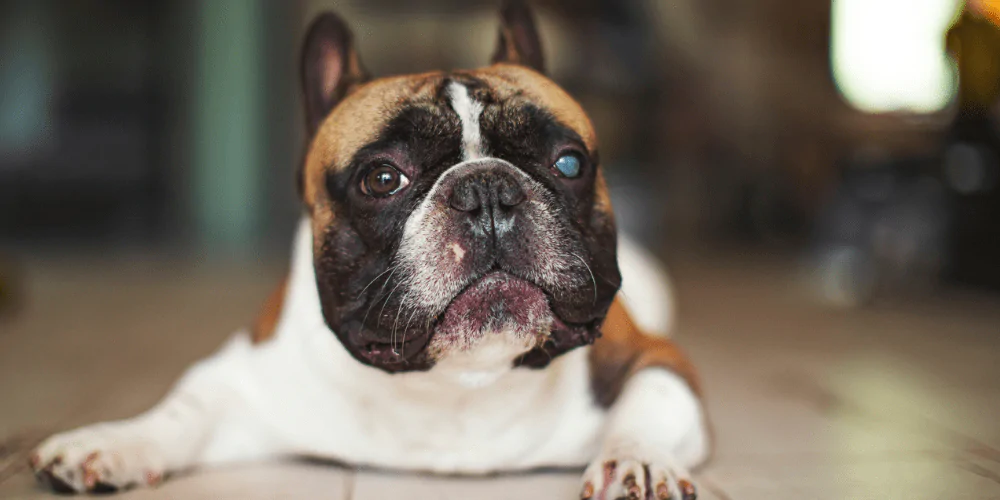
- Boston Terriers, Pugs, and Bulldogs – their prominent, bulging eyes are susceptible to injuries and conditions like glaucoma and cataracts.
- Siberian Huskies – prone to hereditary cataracts which can develop from a young age and rapidly progress.
What are the different types of blindness in dogs?
Just like with humans, many people assume that blindness in dogs is a one-size-fits-all condition. But in reality, there are different types of blindness which develop and impact dogs in unique ways.
- Congenital blindness – some dogs are born blind due to an inherited condition or developmental issues during pregnancy.
- Progressive blindness – this type of sight loss develops over time due to conditions like glaucoma, retinal diseases, and cataracts.
- Sudden blindness – acute health conditions like retinal detachment, trauma to the eye, or sudden acquired retinal degeneration syndrome (SARDS) can cause sudden vision loss.
Understanding the type of blindness your dog has is key for deciding the best care and treatment plan.
How to tell if your dog has vision problems
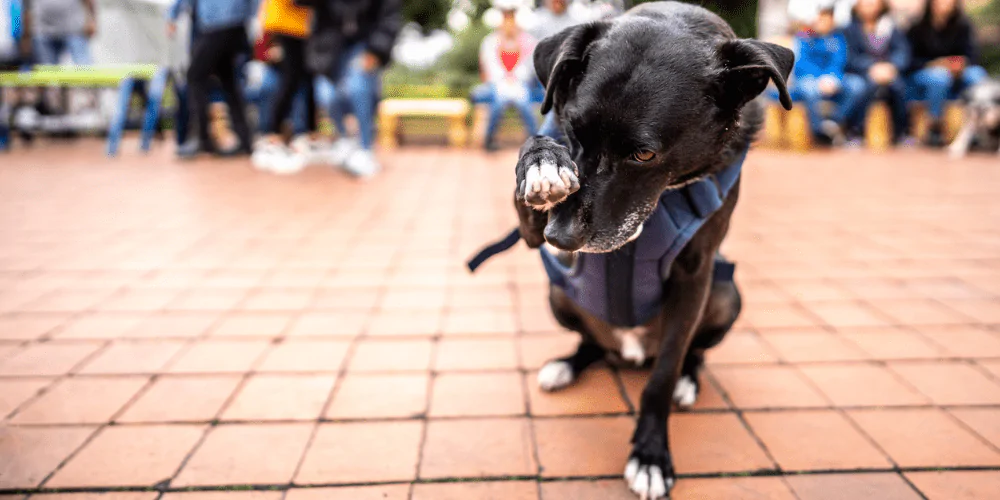
Your dog may start to show a mix of physical and behavioural signs when they’re struggling with their vision. This includes:
- Cloudy or red eyes
- Discharge
- Swelling
- Excessive tearing
- Bumping into furniture
- Acting more hesitant in unfamiliar environments
- Anxiety
- Being more clingy or easily startled
Speak to your vet if you’re worried about your dog’s health. Some insurers include 24/7 vet video calls with your dog’s cover, meaning you can chat with a vet anytime in the comfort of your home.
> Symptoms of sudden blindness in dogs
It can be distressing for you and your dog if they suddenly lose their vision. You’ll notice your dog may be:
- Disoriented
- Uncoordinated
- Acting lost in familiar surroundings
- Anxious or clingy
- Fearful
- Pupils not dilating in light
> Symptoms of intermitted blindness in dogs
Sight loss that comes and goes can cause your dog confusion and unease. Signs of intermittent blindness include:
- Periods of disorientation
- Unexplained clumsiness
- Hesitation in dim lighting
- Changes in confidence and behaviour
- Rubbing their eyes
- Squinting

Dog blindness test
If you think your dog may be struggling to see, a vet can perform several tests to check their vision level.
- Visual tracking – moving an object in front of your dog’s eyes to see if they track it
- Maze test – guiding your dog through an obstacle course to watch their navigating skills
- Menace test – gently waving a hand near your dog’s eyes to see if they blink
- Electroretinography (ERG) – measuring the retina’s electrical response to light, which can help diagnose conditions like PRA and SARDS
How is blindness in dogs treated?
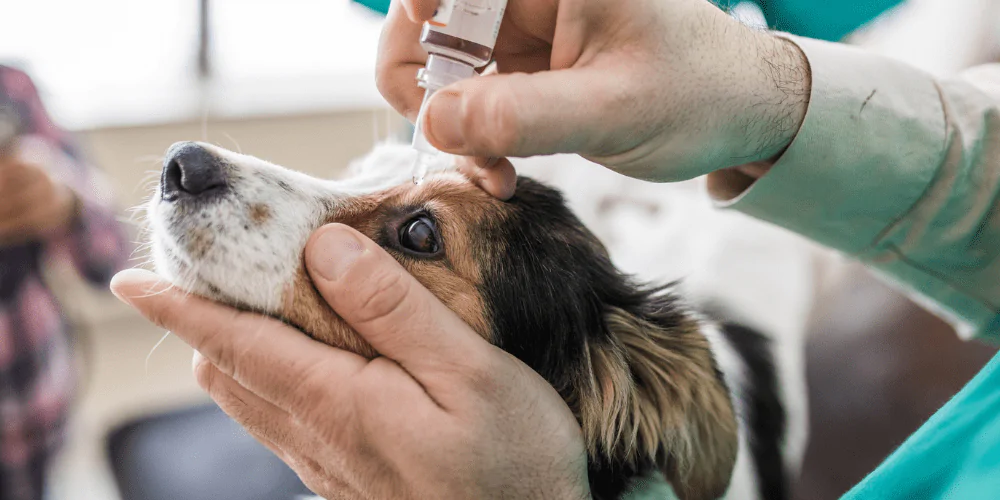
Treatment for blindness varies based on the underlying cause. Looking out for symptoms and taking your dog to the vet as early as possible can give you a better chance at preserving their vision.
- Surgery can often restore vision in dogs with cataracts. This involves replacing the cloudy lens with a clear, artificial one.
- Medications are used to manage the symptoms of symptoms like glaucoma and slow down the progression of vision loss.
- Sadly there’s no cure for genetic conditions like PRA, which is why it’s important to get parents screened before having puppies.
> Dog blindness treatment cost UK
How much you’ll pay for medications and surgery depends on where you live in the UK and the complexity of your dog’s condition.
For example, cataract surgery can start from £1,500 upwards while glaucoma medicine can cost £50+ per month. Diagnostic tests like ERG can add an extra £300+ to your vet bills.
Always check your dog insurance to see what’s covered as you may be able to claim back for some of these costs.
Caring for a blind dog
Helping your dog adjust to life without sight can take some navigating. Continue to show them lots of love and affection and they’ll soon find their new rhythm.
As part of this lifestyle shift, here are a few things you can do to support your pup:
- Keep a safe, consistent environment – dogs rely on their memory to navigate, so keep furniture in the same place. You can also set up baby gates to limit access to areas where they could have accidents.
- Use scent markers around the house – these can help your dog identify different areas of your home.
- Create a reliable routine – set up specific windows for feeding and walking to establish a daily structure that’s reassuring but not too rigid.
- Stay calm – your dog can pick up on how you feel, so try to stay calm and confident in stressful situations.
- Keep up with training – practice their verbal cues daily using lots of positive reinforcement to keep them fresh and consistent.
> How to walk a blind dog
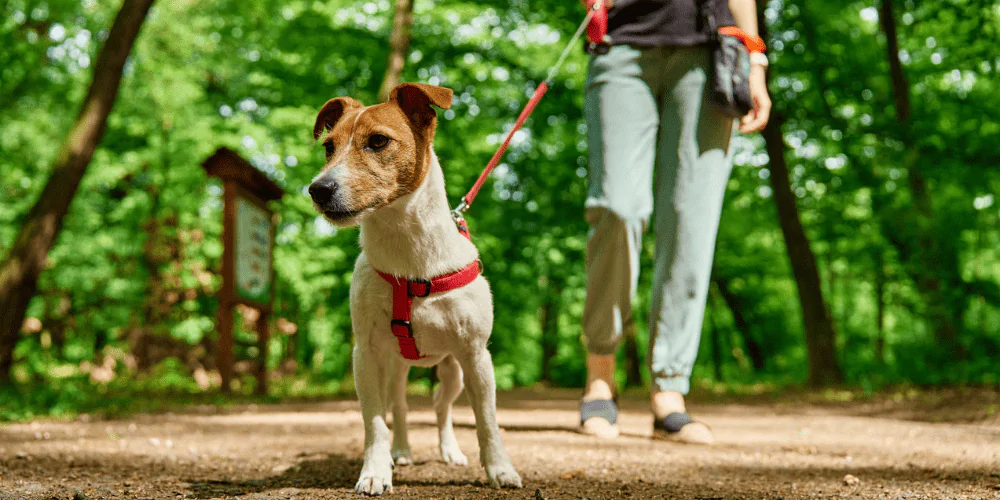
Keeping your dog safe on walks is always important but even more so when they are blind or have sight loss. Ways you can take extra care on walks include:
- Use a harness – a y-front harness with gives you better control to help safely guide your dog around while still being comfortable for them to wear.
- Use verbal cues to navigate – teach your dog cues like ‘stop’, ‘step up’, and ‘step down’ to help them get around their environment more easily.
- Keep to familiar areas – being around recognisable sounds and smells can help your dog feel more confident when out and about.
- Choose calm routes – noisy traffic can overwhelm your dog’s other senses, so opt for quieter routes away from stressors.
> How to play with a blind dog
Quality time with your dog is still super important and this includes playtime. Choose games and toys that appeal to their other senses, which could be:
- Scented toys and food-based toys like stuffed Kongs.
- Toys with different textures and noises, such as those made from crinkly material.
- Interactive games like hide-and-seek encourage them to use their snouts and sniff out hidden treats.
- Gentle tug of war doesn’t rely on vision and can be done safely with enough space around your dog.
Other questions about dog blindness
> Is leaving a blind dog alone safe?
It’s not a good idea to leave any dog alone for more than four hours at a time. But you’ll need to take some extra steps to keep your blind dog safe if you leave the house:
- Gradually increase your time apart – start with short periods and slowly extend this to no more than a few hours away.
- Set up a safe space – create somewhere secure for your dog to stay in with a comfy bed, fresh water, and toys.
- Have calming sounds in the background – put the radio or TV on a low volume to help them feel less isolated through comforting noises.
- Remotely monitor your dog – using a pet camera to keep an eye on your dog while you’re out can help you make sure they stay safe and relaxed.
> Is it cruel to keep a blind dog?
As we’ve seen, living with a blind dog can be positive and fulfilling for the whole family. Blindness doesn’t mean the end of joy, play, or adventure for your pup.
Just remember:
- Create the right set-up to keep them comfortable and safe, from daily routines to your home environment.
- Show them lots of love and affection as well as extra reassurance for those times they need it.
- Make sure they get lots of mental enrichment and appropriate exercise.
- Take them for regular vet check-ups to manage any underlying conditions and maintain their overall health.

