
What to do if your dog gets lungworm
With lungworm on the rise in the UK, here’s a practical guide for dealing with lungworm for dog owners

Owe Carter
29 January 2026
| 5 minutes read
Vets across the UK have seen a noticeable rise in lungworm infections in dogs. Reports from pet owners suggest hundreds of cases nationwide, with numbers continuing to climb.
Learn what dog owners need to know about lungworm, including how it spreads, the warning signs to watch for, and what to do if you’re concerned about your dog’s health.
- What is lungworm in dogs?
> How do dogs get lungworm?
> Where in the UK have cases of lungworm been reported? - What are the signs and symptoms of lungworm in dogs?
> What should I do if I think my dog has lungworm? - What are the treatment options for lungworm?
> How long do dog worming tablets take to work? - Dog lungworm prevention
- Other questions about lungworm
> How common is lungworm in dogs?
> Can dogs catch lungworm from other dogs?
> Can humans catch lungworm from dogs?

Understanding lungworm in dogs
Lungworm is a parasitic disease caused by larvae commonly found in slugs and snails. When a dog accidentally ingests these larvae, they migrate through the body, passing through the bloodstream and heart before settling in the lungs to mature.
If left untreated, lungworm can lead to a range of serious health problems, including:
- Inflammation
- Pneumonia
- Breathing difficulties
- Heart complications
- Excessive bleeding due to damaged blood vessels
- Organ failure
While lungworm is usually treatable when detected early, advanced infections can be life-threatening.
How dogs become infected
Dogs typically contract lungworm by swallowing infected slugs, snails or frogs, either in the garden or while out on walks.
Larvae can also be picked up more indirectly, such as through:
- Eating grass
- Drinking from stagnant water
- Chewing toys left outdoors
- Grooming their own fur after contact with larvae
UK regions reporting lungworm cases
The parasite is now regarded as widely established throughout the UK, including in areas that were once considered low risk.
Historically, the highest infection rates have been seen in southern England and South Wales.
But reports of infection are rising, including in Scotland – particularly in Ayrshire, Glasgow and Edinburgh – as well as across northern England and parts of Ireland.

Recognising lungworm symptoms
The signs of lungworm vary depending on how advanced the infection is and where the parasites are located in the body. Common symptoms include:
- Persistent coughing
- Difficulty breathing
- Unexplained bleeding
- Tiredness or weakness
- Loss of appetite
- Changes in mood or behaviour
What to do if you’re concerned about your dog
If your dog appears unwell or shows any of the symptoms above, it’s important to contact your vet as soon as possible. At the practice, your vet may:
- Perform a full physical examination
- Ask about your dog’s symptoms and recent behaviour
- Carry out blood tests if required
- Analyse stool samples (usually collected over three days)
- Take X-rays if symptoms are severe
Having dog insurance in place can help cover the cost of unexpected tests and treatment.
Treating lungworm in dogs
Early diagnosis plays a key role in helping dogs recover fully from lungworm.
Treatment depends on the severity of the infection. Mild cases may only require a worming treatment and short-term medication at home.
More serious infections can require hospitalisation and intensive care, which may include:
- Oxygen therapy
- Blood transfusions
- Intravenous fluids
- Additional medication to manage complications
How quickly worming treatments work
Most oral or spot-on worming treatments begin killing lungworms within two to six hours.
If adult worms are present and symptoms are already showing, more targeted treatment is needed. In some cases, dogs can experience an allergic reaction as the parasites die, which is why vets may recommend monitoring your dog in a clinic during treatment.
Preventing lungworm
Monthly, vet-approved lungworm prevention is the most effective way to protect your dog. Many treatments also guard against other parasites, including roundworms and tapeworms.
Your vet can advise on the most suitable product for your dog’s age, lifestyle and health needs.
Additional steps to reduce risk include:
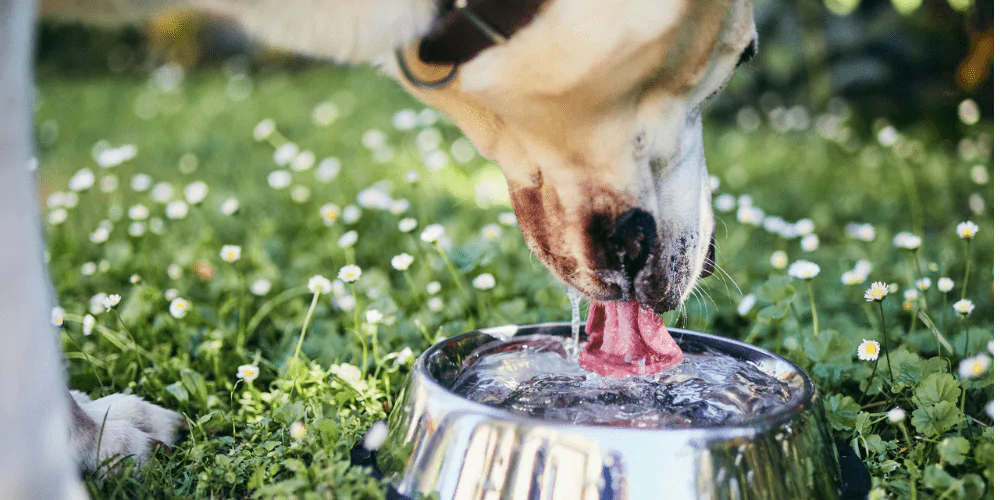
- Cleaning food and water bowls regularly and refilling with fresh water
- Avoiding leaving bowls or toys outside overnight
- Discouraging your dog from eating slugs or snails
- Picking up dog poo promptly
- Preventing your dog from drinking from puddles
Common questions about lungworm
How widespread is lungworm in the UK?
Lungworm is becoming increasingly common across the UK, and any dog can be affected. Puppies and younger dogs are particularly at risk, as are dogs that are curious eaters or frequently encounter slugs and snails.
Can lungworm spread between dogs?
Dogs can’t pass lungworm directly to one another, but they can contribute to its spread. Infected dogs cough up larvae, swallow them and pass them out in their faeces.
These larvae can then infect local slugs and snails, increasing the risk for other dogs in the area.
Can Is lungworm a risk to humans?
Humans can’t catch lungworm from dogs. However, good hygiene is always important, particularly washing hands after handling dog waste.
Cats can also contract lungworm, but they’re generally less affected as they tend to be more selective about what they eat.
Protect your dog against common illnesses and unexpected vet bills with flexible dog insurance from Petgevity.

