What human foods can cats eat?
Here's what food's safe to feed your cat, and what to avoid.

Dr Jessica May, FirstVet vet
2 December 2025
You’ve barely sat down with your dinner when you feel a pair of eyes honing in on your plate. Your cat is creeping closer, whiskers twitching, clearly convinced they deserve a bite of whatever you’re eating. Before you give in to their charm offensive, it’s important to know which human foods are actually safe for them.
FirstVet vet Dr Jessica May looks at what human food is suitable for your cat, and what should stay far out of paw’s reach.
Find out what human foods are safe for dogs here.
- Safe human foods for cats
> Can cats eat chicken?
> Can cats eat carrots?
> Can cats eat broccoli?
> Can cats eat peas?
> Can cats eat blueberries?
> Other human foods cats can eat - Human foods cats can eat but aren’t nutritious
> Can cats eat bread and pasta?
> Can cats eat rice?
> Can cats eat bananas?
> Can cats eat cucumbers? - Human foods cats shouldn’t eat
> Can cats eat cheese?
> Can cats eat chocolate?
> Can cats eat peanut butter?
> Can cats eat nuts?
> Can cats eat avocado?
> Other human foods cats shouldn’t eat
Safe human foods for cats
Some foods from your kitchen are absolutely fine for cats in moderation, and a few can even offer nutritional benefits. Still, every cat is different, so introduce new foods slowly and check with your vet if you’re unsure. And remember – cats are obligate carnivores, so meat should remain the foundation of their diet.
Can cats eat chicken? 🍗
Yes! Cooked chicken (never raw) is a favourite for most cats. Boiling is best, and all bones must be removed before serving. Chicken works well as an occasional treat alongside their usual balanced diet.
Can cats eat carrots? 🥕
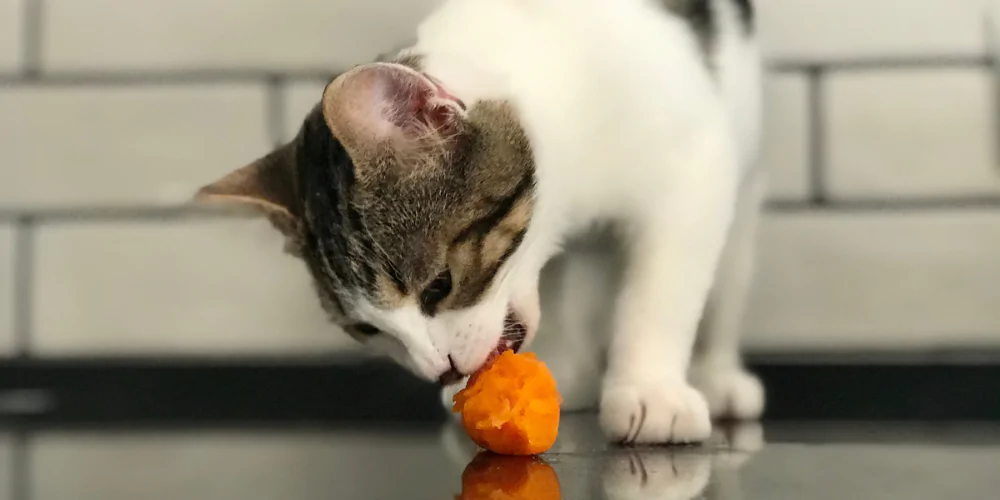
Yes, they can. Carrots contain fibre and useful nutrients such as potassium, manganese and vitamins K and E. Cook them until soft and cut into small pieces to avoid choking.
Can cats eat broccoli? 🥦
Absolutely – and many cats surprisingly love it. Steamed broccoli is gentle on the stomach and offers antioxidants and fibre. If feeding it raw, chop it into small, manageable bites.
Can cats eat peas? 🫛
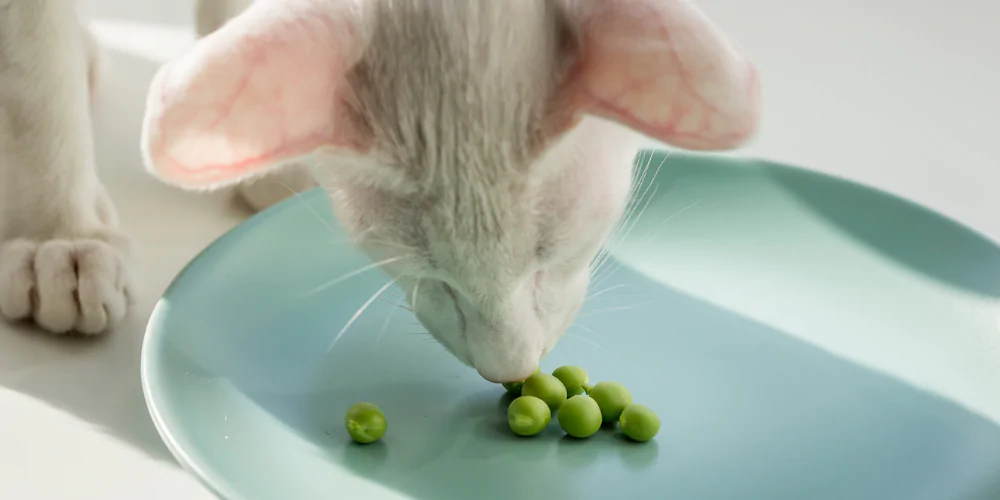
Peas are a great low-calorie, high-fibre treat packed with vitamins and minerals. Garden peas or sugar snaps (plain and cooked) are perfectly safe. Some cats even enjoy them frozen if they’re soft enough to chew.
Can cats eat pumpkin? 🎃
A Halloween favourite, this seasonal squash is safe for cats to eat – with a few caveats that we’ll come to. Fresh pumpkin contains potassium, phosphorus, calcium, vitamins A, C and K, plus plenty of fibre.
For this reason, it can be used to help with gastrointestinal problems. In particular, pumpkin can be used as a remedy for cats with constipation. Add a couple of teaspoons of tinned pumpkin to their cat food, and this can help do the trick.
A few things to bear in mind… Avoid feeding them pumpkin seeds, which can potentially be a choking hazard. And if you buy canned pumpkin – such as pumpkin puree – make sure there are no added sugars, salt or other additives. Your safest bet if you want to feed your cat pumpkin is to buy fresh and mash it yourself.
Can cats eat blueberries? 🫐
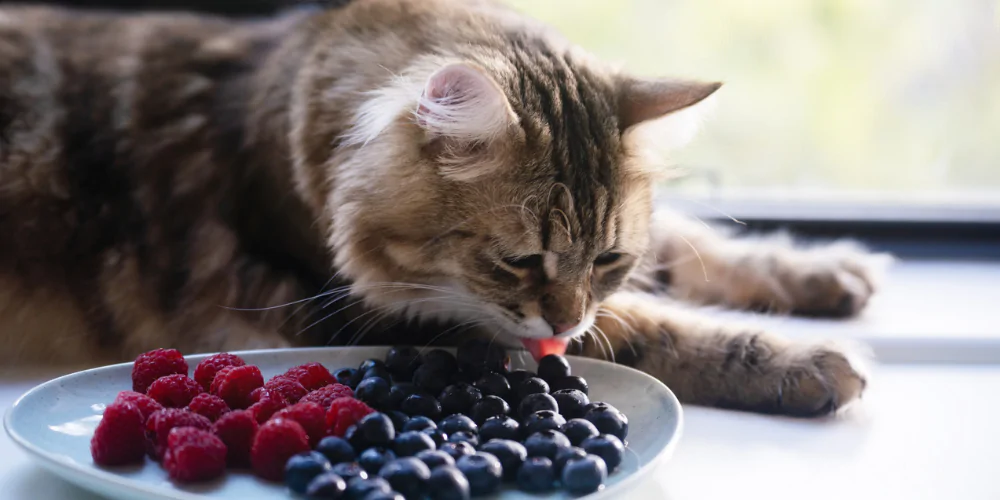
Yes, in small quantities. They’re hydrating, fibrous and make a fun little treat – think two or three blueberries every so often.
Other safe foods for cats
In small amounts, cats can also enjoy:
- Cooked meats such as beef, pork, lamb or ham – fully cooked, unseasoned and bone-free.
- Cooked fish and seafood, which contribute omega-3 fatty acids for skin and coat health.
- Boiled or scrambled eggs – a protein-rich occasional snack.
- Melon or watermelon – a hydrating nibble, provided seeds are removed.
Human foods cats can eat – but probably shouldn’t
These foods won’t poison your cat… But they offer very little nutrition and aren’t really recommended.
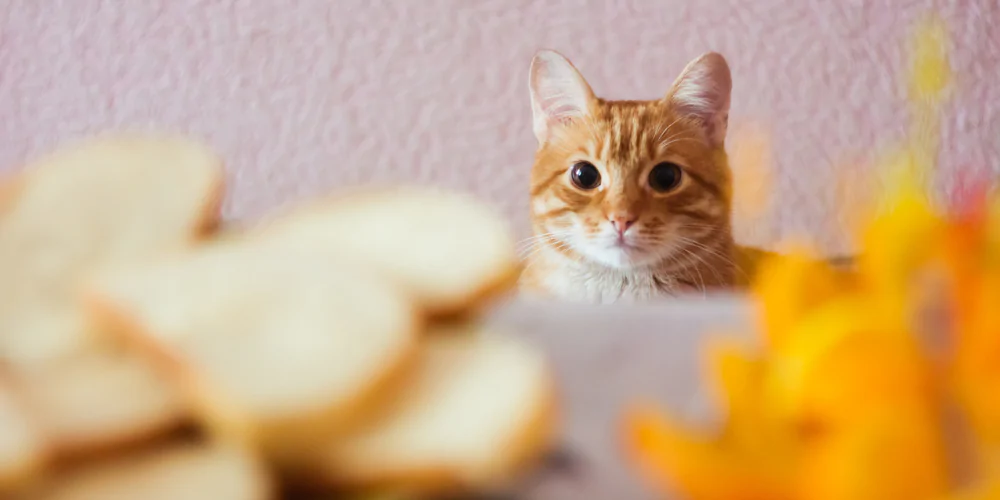
Can cats eat bread and pasta? 🍞
Cats don’t need carbohydrates, and these foods are unlikely to excite them. They’re safe but nutritionally pointless.
Can cats eat rice? 🍚
Cooked rice is generally safe and sometimes used for sensitive stomachs. Outside of that, it doesn’t add nutritional value.
Can cats eat bananas? 🍌
Small amounts are technically okay, but they’re sugary and calorie-dense. Too much could contribute to weight gain or risk of diabetes.
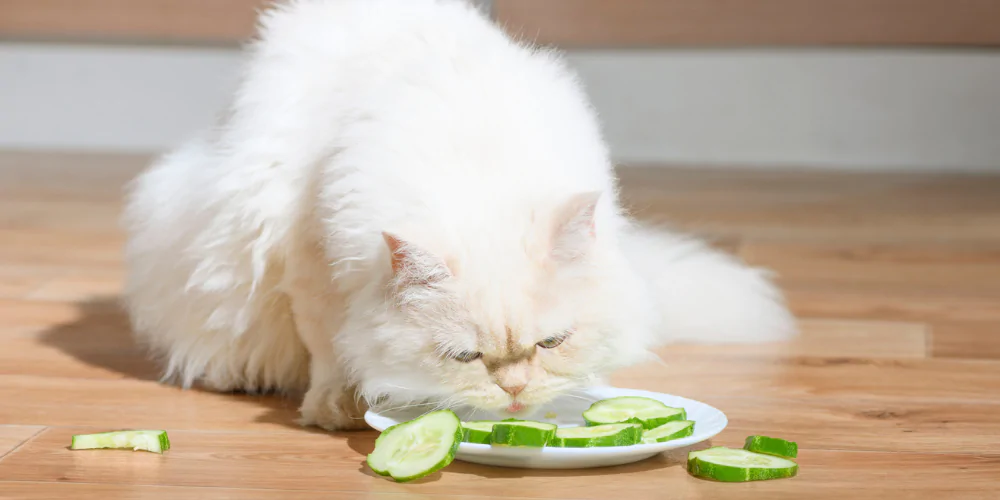
Can cats eat cucumbers? 🥒
Low-calorie and safe in moderation – but remove the skin, which can irritate sensitive stomachs.

Human foods cats should avoid entirely
Even the cutest begging face doesn’t change the fact that some foods are dangerous for cats.
Can cats eat cheese and dairy? 🧀🚫
No. Most cats are lactose intolerant. Dairy can trigger vomiting, diarrhoea and long-term weight gain due to high fat content.
Can cats eat chocolate? 🍫🚫
Absolutely not. Chocolate is extremely toxic and potentially fatal. It contains theobromine and sometimes xylitol – both are poisonous to cats.
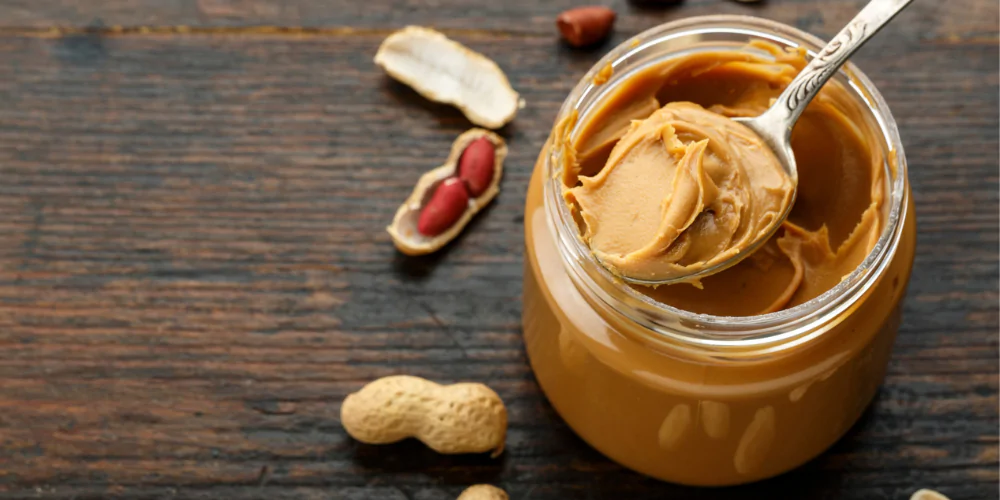
Can cats eat peanut butter? 🥜🚫
Nope. It’s high in fat, difficult to swallow and offers no nutritional value. Some commercial varieties contain toxic sweeteners.
Can cats eat nuts? 🚫
Not really. Nuts are a choking hazard, high in fat and tough on digestion. Best avoided altogether.
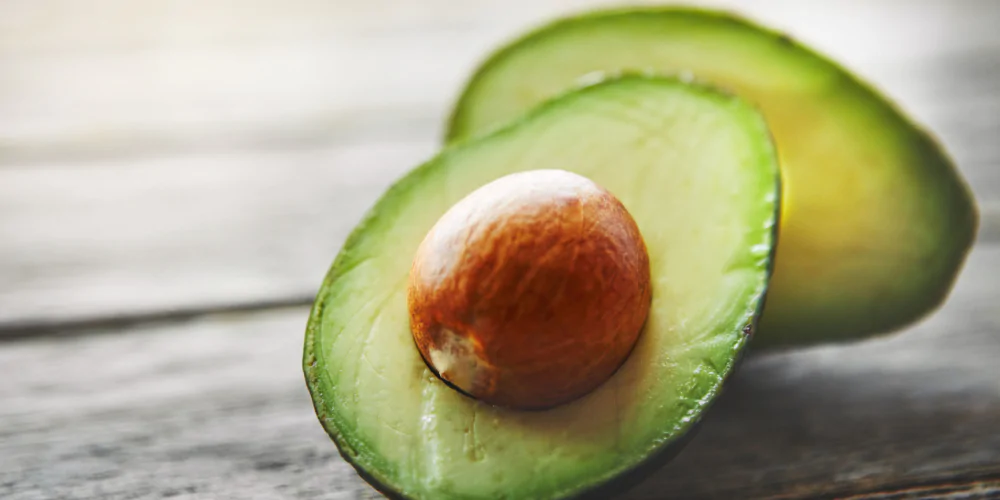
Can cats eat avocado? 🥑🚫
Again, no. Avocado is high in fat and may cause gastrointestinal upset or pancreatitis. Large amounts may be toxic.
Other human foods cats must not eat
- Onions, garlic, chives, leeks – all forms are toxic and can damage red blood cells, leading to anaemia.
- Grapes and raisins – can cause dangerous kidney problems.
- Citrus fruits – mildly toxic and likely to irritate the stomach.
- Anything seasoned – salt, herbs, spices, and sauces are unsafe for cats.
Whenever you offer cooked food, let it cool to a safe temperature so your cat doesn’t burn their mouth.
What to do if your cat eats something unsafe
If your cat consumes food which is risky, contact your vet immediately. Fast treatment can make a huge difference.
Find out more about what to do if you think your cat might be poisoned.
And if you’re a Petgevity customer, you also have free 24/7 access to FirstVet video calls, helping you get advice quickly in emergencies.
Protect yourself from food-related mishaps and unexpected vet bills… Consider taking out cat insurance so you’re prepared for the unexpected.

