
How to recognise and prevent poisoning in cats
Learn how to keep your cat safe from accidental poisoning in and around the home.

Dr Jessica May, FirstVet vet
19 February 2026
| 5 minutes read
Cats are natural climbers, explorers and investigators. But that curiosity can sometimes put them at risk – especially if they come into contact with something toxic at home or in the garden.
Poisoning is one of the more common reasons owners claim on their cat insurance. Understanding the risks, recognising symptoms early and acting quickly can make a life-saving difference. Learn what to watch out for and what to do if you suspect your cat has been poisoned.
- What plants and flowers are poisonous to cats?
- Household items that are toxic to cats
- Cat poisoning symptoms
- How is cat poisoning treated?
> How long does it take for a cat to recover from poisoning? - How to prevent cat poisoning

Poisonous plants and flowers for cats
Some popular houseplants and garden favourites can be highly dangerous to cats.
Plants known to be toxic include:
- Lilies – All parts of the lily plant, including pollen, are extremely poisonous to cats. Even small amounts can cause kidney failure and may be fatal.
- Daffodils – Can lead to vomiting, diarrhoea, abdominal pain, convulsions and heart problems.
- Tulips – The bulb contains toxins that can cause severe digestive irritation, drooling, loss of appetite and in serious cases, nervous system or heart issues.
- Carnations – May cause vomiting, diarrhoea and mild skin irritation.
- Chrysanthemums (mums) – Can trigger vomiting, diarrhoea, hypersalivation, incoordination and dermatitis.
- Peonies – Associated with vomiting, diarrhoea and lethargy.
- Aloe vera – Can cause digestive upset, lethargy and tremors.
- Foxgloves – May interfere with normal heart function.
Some plants are not widely known to be toxic, but it’s still a good idea to be cautious:
- Orchids
- Roses (thorns can cause injury if chewed)
- Primroses (may cause mild digestive upset)
If in doubt, it’s safest to prevent your cat from chewing or eating any household plants.
Here’s how to create a cat-friendly garden.

Toxic household items to keep secure
Cats can access surprisingly high places, so simply placing items ‘out of reach’ may not be enough. Proper storage is super important.
Foods that are harmful to cats
- Chocolate – Can cause vomiting, diarrhoea, rapid breathing, increased heart rate and seizures.
- Onions and garlic – All members of the onion family can irritate the digestive system and, in larger amounts, cause anaemia.
- Grapes and raisins – Even small quantities may result in kidney failure.
If you’d like to offer treats, stick to foods known to be safe for cats.
Other common hazards
- Human medications, including paracetamol and ibuprofen, can lead to severe organ damage and may be fatal.
- Cleaning products containing bleach, ammonia, chlorine, phenols or alcohol can cause chemical burns, breathing issues or digestive upset.
- Antifreeze is especially dangerous, as symptoms may not appear until kidney damage has occurred.
- Essential oils and diffusers, including peppermint, citrus and tea tree oil, may cause liver damage and neurological symptoms in cats.
Keeping these products securely stored away is one of the most effective preventative measures you can take.
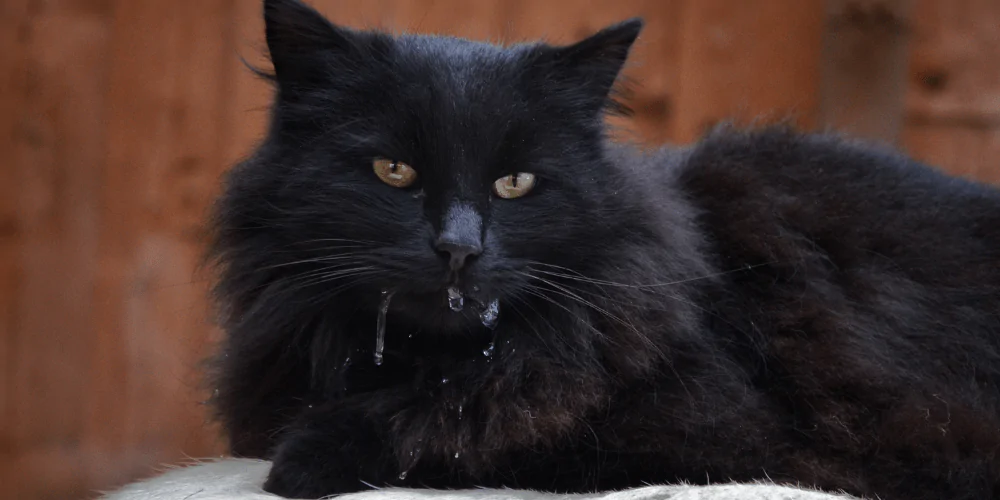
Signs of poisoning in cats
The symptoms of poisoning vary depending on the substance involved. But general warning signs include:
- Vomiting
- Diarrhoea
- Excessive drooling
- Loss of coordination
- Seizures
- Changes in breathing
If you notice any of these symptoms, contact your vet immediately. Quick action significantly improves the chances of recovery.
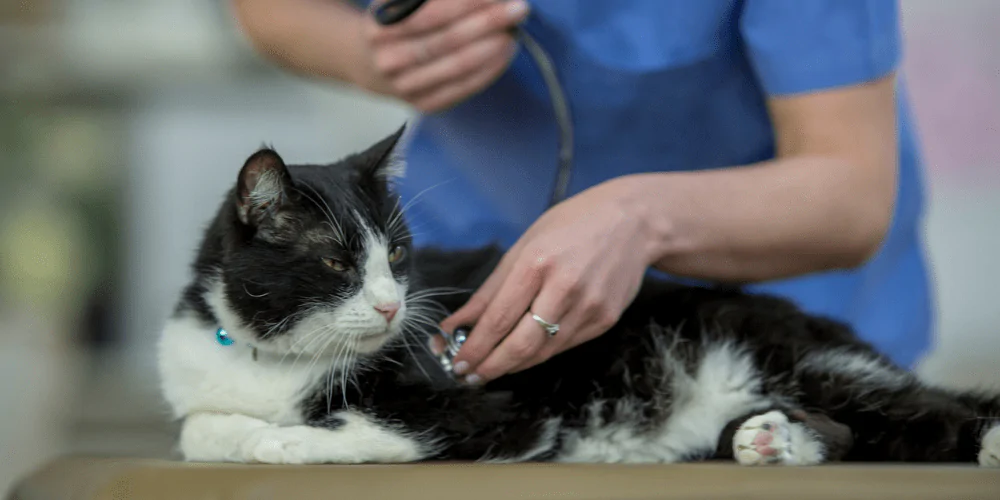
How is cat poisoning treated?
If you suspect poisoning, try to provide your vet with as much information as possible, including:
- What your cat may have ingested
- The estimated amount
- When it happened
Treatment will depend on the type of toxin and how quickly your cat is seen. Your vet may:
- Carry out blood tests or urine analysis
- Induce vomiting (if appropriate)
- Administer intravenous fluids to flush out toxins
- Provide oxygen therapy
- Regulate body temperature
- Give a specific antidote, if available
The sooner treatment begins, the better the outcome is likely to be.
How long does recovery take?
With prompt veterinary care, some cats recover within hours or a few days. More serious cases may require hospitalisation and take weeks to fully resolve.
Your vet will advise on any at-home care needed after discharge, including how to administer medication safely.
Taking simple preventative steps and staying alert to potential hazards can greatly reduce the risk of poisoning – helping keep your curious feline safe and well.

