UK dog laws: What you need to know
From microchipping to fouling fines, here's what every UK dog owner needs to know about the law.

Owe Carter
28 August 2026
| 7 minutes read
Bringing a dog into your life is exciting – there’s the new bed to choose, the toys to buy, the tricks to teach… But being a responsible owner goes well beyond day-to-day care.
The UK has a number of legal requirements applicable to dog ownership, some better known than others. Here’s a rundown of the important UK dog laws to be aware of.
Table of contents
- The law on dogs in cars
- The dog microchipping law
- The dog collar and tag law
- The dog fouling law
- The dog breeding law
- Breed-specific legislation
The law on dogs in cars 🚗
Before you set off anywhere with your dog, it’s worth knowing Rule 57 of the Highway Code, which states:
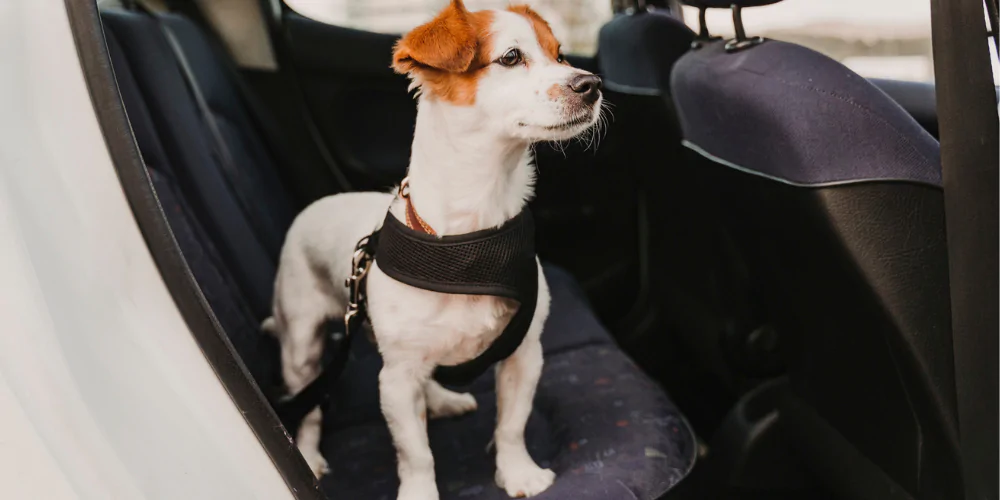
When in a vehicle make sure dogs or other animals are suitably restrained so they cannot distract you while you are driving or injure you, or themselves if you stop quickly. A seat belt harness, pet carrier, dog cage or dog guard are ways of restraining animals in cars.
Wearing a seatbelt or restraint
A proper harness, carrier, crate or dog guard helps stop your dog distracting you at the wheel, and limits injury to everyone in the car if you brake suddenly or you’re involved in a collision.
Rule 57 itself isn’t an offence with a fixed penalty (legally binding Highway Code rules include the word ‘MUST’ in caps). But if an unrestrained dog is judged to have contributed to careless or dangerous driving, you could face prosecution:
- Careless driving could land you with a Fixed Penalty Notice (FPN) of £100 and 3 penalty points. This could go up to an unlimited fine and 3-9 penalty points if it goes to court, with a discretionary driving ban in more severe cases.
- Dangerous driving is more serious still, which could land you an unlimited fine, mandatory minimum 12-month driving ban, and prison sentence of up to two years in extreme cases.
It’s also worth knowing that travelling with an unrestrained dog could affect a car insurance claim if you’re involved in an accident.
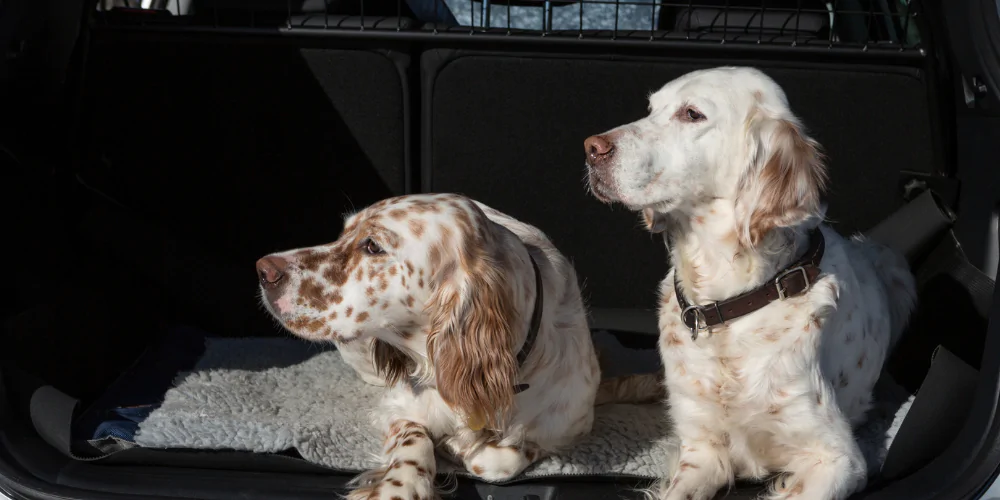
The right restraint depends on your dog’s size: a carrier or crate often suits smaller dogs, while a dog guard can help keep larger dogs contained in the boot.
Leaving a dog in the car
Leaving your dog alone in the car isn’t automatically illegal. But if your dog suffers, falls ill or dies from heat or distress, you can be prosecuted for animal cruelty.
This is an offence under section 9 of the Animal Welfare Act 2006, and can carry a prison sentence of up to five years – alongside an unlimited fine – in the most serious cases.
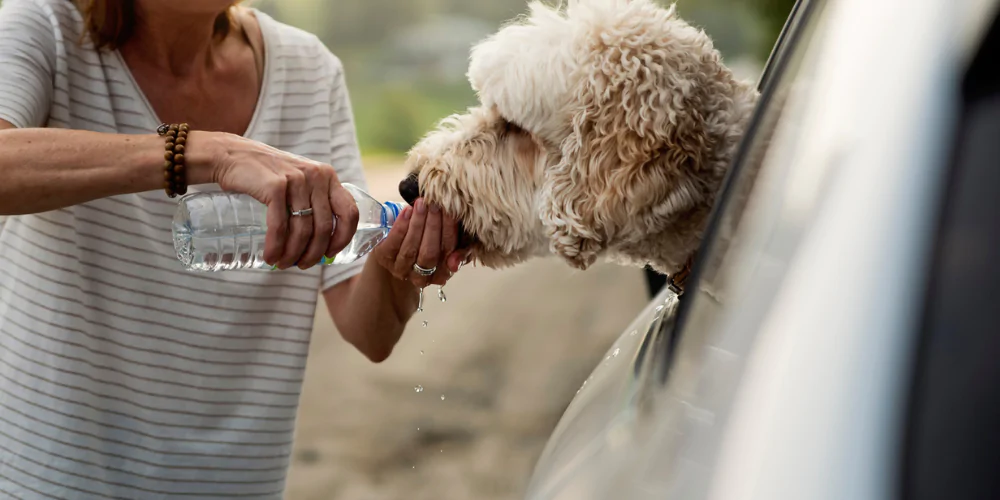
Keeping your dog safe on longer trips
On longer journeys, aim to stop roughly once an hour so your dog can stretch, relieve themselves and get some fresh air.
If you do need to leave them in the car briefly, make sure it’s neither too hot nor too cold, there’s good ventilation, and they have access to water. And go easy on food beforehand if your dog’s prone to travel sickness.
The dog microchipping law 📶
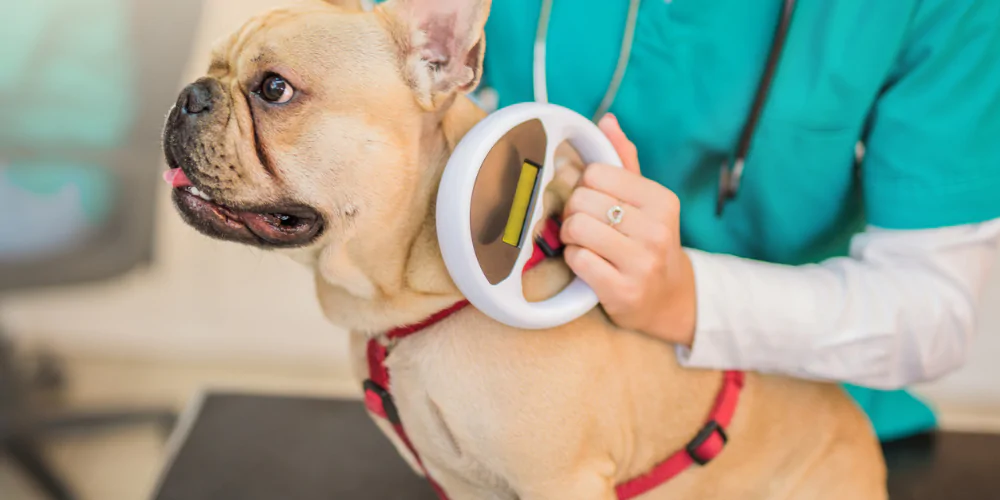
Microchipping has been a legal requirement for dogs since April 2016. These are the main rules:
- Puppies must be microchipped and registered on an approved database by 8 weeks old.
- Chips must be fitted by a qualified professional – a vet, veterinary nurse or trained implanter.
- If a dog’s found without a chip, or with outdated details, owners are typically given 21 days to sort it before facing a fine of up to £500.
As of June 2024, the same requirement now applies to owned cats in England too, who must be chipped by 20 weeks old. Worth knowing if you’ve got a cat as well as a dog at home.
The average cost of getting a dog microchipped costs between £10-£30 according to PDSA, and could go higher depending on where you live. But that’s considerably less painful than the £500 fine for skipping it.
Microchipping was introduced to:
- Improve overall dog welfare
- Reunite lost dogs with their owners more easily
- Deter theft, since a microchipped dog is traceable
- Increase accountability where a dog has attacked a person or another dog
Keeping your microchip details current matters just as much as having one in the first place. If your contact details change, or you’ve taken on a new dog, update the registration straight away.
It’s also likely to be a condition of your dog insurance policy that your dog is microchipped before cover applies. If you’ve rescued a dog and aren’t sure whether they’re chipped, your local vet can check for you.
The dog collar and tag law 🏷️
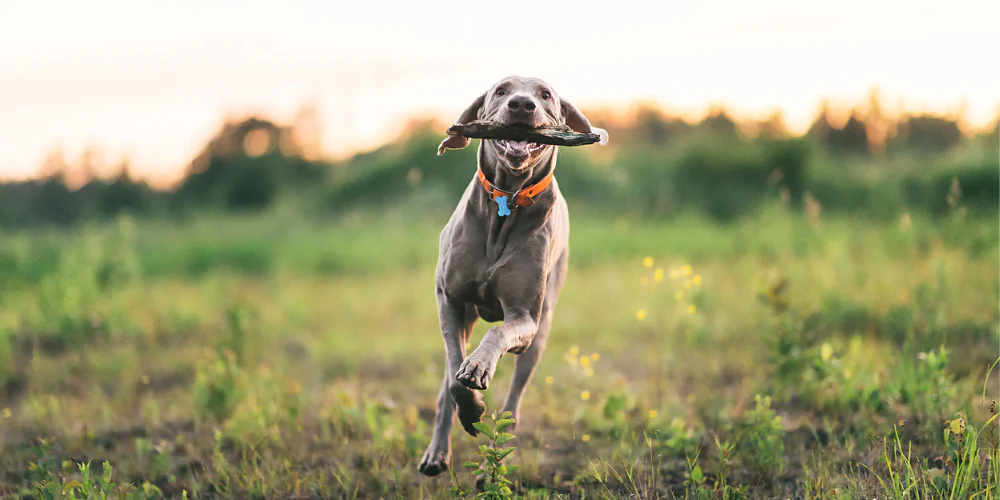
Under the Control of Dogs Order 1992, every dog in a public place must wear a collar with an ID tag or plate showing the owner’s name and address – even if they’re also wearing a harness. A phone number is recommended but not legally required, and your dog’s name is entirely optional.
This rule doesn’t apply to guide dogs or police dogs.
Non-compliance is treated as an offence under the Animal Health Act 1981, and can result in a dog being treated as a stray and seized – and owners could face a fine of up to £5,000.
The dog fouling law 💩
Picking up after your dog matters more than most people realise. Beyond the obvious unpleasantness, contact with dog faeces can cause toxocariasis. This is an infection that can lead to nausea and – in rare cases – vision loss.
As of 29 June 2026, the Crime and Policing Act 2026 gives councils the power to issue FPNs of up to £500 for breaches of Public Spaces Protection Orders (PSPOs) and Community Protection Notices (CPNs) – which cover dog fouling, along with other local dog control rules like lead requirements in certain areas.
The exact fine issued will vary by local authority and can depend on the specific circumstances. But councils now have considerably more scope to issue higher penalties than before.
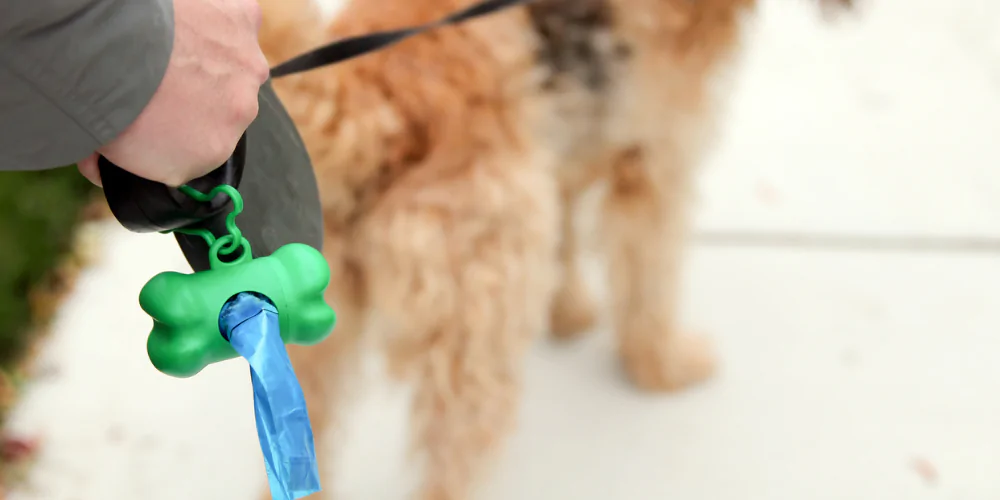
Responsibility falls on whoever’s walking the dog at the time. Not knowing the rule, or not having a bag on you, isn’t accepted as a valid excuse.

The dog breeding law 🐶
Some breeds sell for whopping sums of money. This unfortunately attracts a number of breeders more interested in profit than animal welfare. Several laws exist to help regulate and control puppy breeding as a result.

Dog breeding licence
Anyone breeding three or more litters in a 12-month period must hold a breeding licence, the conditions of which include:
- Keeping dogs in suitable conditions
- Providing regular exercise
- Ensuring adequate bedding, food and water
- Protecting dogs from disease, suffering, pain and injury
Breeding without the required licence can carry a prison sentence of up to five years and an unlimited fine under Lucy’s Law.
What is Lucy’s Law?
Lucy’s Law came into force in April 2020, banning unlicensed breeders and third parties – including pet shops – from selling puppies and kittens.
It’s named after Lucy, a Cavalier King Charles Spaniel kept in a puppy farm cage for years of breeding, left with fused hips, a curved spine and epilepsy by the time she was rescued. Her owner, Lisa Garner, campaigned to stop the same thing happening to other dogs.
Since Lucy’s Law, the only legal routes to a new pet dog are:
- Directly from a licensed breeder registered with an official body such as the Royal Kennel Club, who should be able to show you puppies interacting with their mother in a safe environment
- Through a registered rescue charity or adoption shelter

Breed-specific legislation ⚠️
The Dangerous Dogs Act 1991 makes it illegal to own certain breed types in England, Scotland and Wales without specific exemption, including:
❌The Pit Bull Terrier
❌Japanese Tosa
❌Dogo Argentino
❌Fila Brasileiro
Since February 2024, this list has also included the XL Bully type. Owning one without an official Exemption Certificate is illegal in England and Wales. Exempted dogs must be:
Neutered (castrated for males; spayed for females)
- Microchipped
- Kept on a lead and muzzled in public
- Covered by third-party liability insurance
The rules are similar in Scotland and Northern Ireland, with some slight variations. For example, in Scotland, the handler must be at least 16 years old. In Northern Ireland, there’s no requirement for third-party liability insurance.
Also worth knowing: A supervision rule comes into force later this year. From 1 November 2026, you must not leave a child under 12 in close contact with an exempted dog in a private place without adult supervision
Find out more about excluded breeds, including which dogs (and cats) we won’t cover.
Being a responsible dog owner covers a lot of areas. It’s always worth considering lifetime dog insurance as part of this, for peace of mind against unexpected vet bills.

