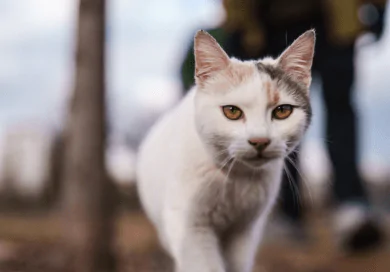
Cat flu

  • Up to £15,000 vet fees

  • No compulsory excess or bill share, even as your pet ages†

  • No upper age limit

  • Free 24/7 access to FirstVet video consultations

  • All pre-existing conditions considered*†

Why choose Petgevity pet cover for cat flu?

Vet fees up to £15,000

More info

To suit your pet’s needs, choose vet fee cover from £1,000 to £15,000. The limit resets every year you renew.

Design your own pet insurance

More info

Policies as unique as your pet. Set your own limits, excess and optional extras, for cover as snug as a collar.

Switch with unbroken cover

More info

If you switch to us from a like-for-like policy, there’ll be no gap in cover, with protection starting straight away**.

What is cat flu?

Content by Dr Siân Burwood MRCVS

Cat flu is not actually ‘the flu’ at all, but a common and well-recognised upper respiratory disease caused by viruses that produce flu-like symptoms. Many cats catch cat flu when they’re very young, and then have signs of the disease on-and-off throughout their life.

It can be very serious if caught in kittens or elderly cats whose immune systems don’t work very well. For this reason, it’s recommended that all cats are vaccinated against it every year, including house cats.

For cats who survive cat flu infection, they never fully clear the disease, and the viruses go latent in the body. This means that they start multiplying again when the body and immune system are under stress. As such, many cats with flu need to be seen by their vets frequently for chronic weepy eyes and runny nose, for eye ulcers and for early onset dental disease.

What Causes What Causes
Overview
  • Cat flu is a viral disease of the upper respiratory tract in cats
  • It’s not caused by a flu virus, but mainly feline herpes virus and feline calicivirus
  • It’s highly contagious between cats and – once caught – cannot be cured
  • Infections vary from mild cold symptoms to severe life-threatening disease
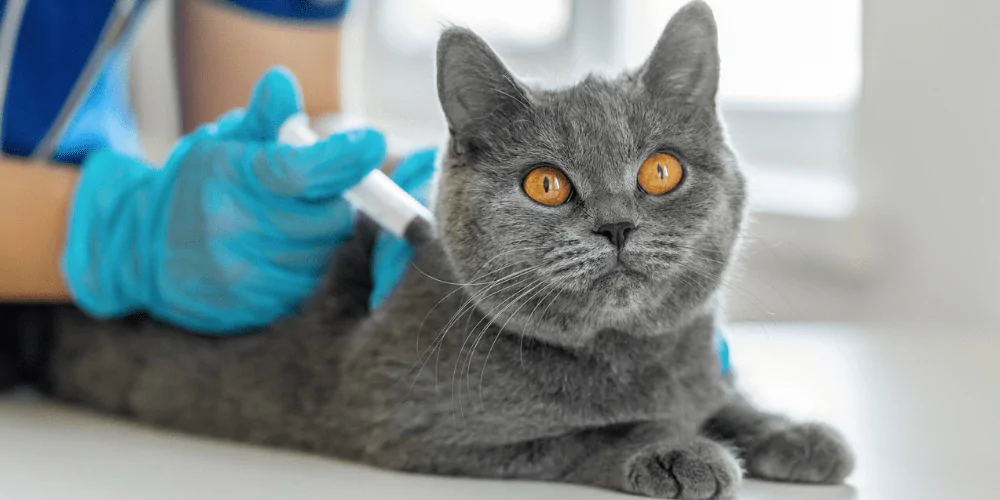
  • Vaccination is an effective and vital way to prevent cat flu, and boosters are needed every year
What Causes What Causes
What causes cat flu?

Cat flu is mostly caused by two viruses: feline herpes virus (FHV) and feline calicivirus (FCV). These viruses are spread by contact with infected body fluids such as saliva, aerosol from coughs and sneezes, and through cat bites… although they can also live on items in the cat’s environment for up to 10 days and cause infection that way.

  • Feline herpes virus is more commonly associated with eye ulcers, conjunctivitis and inflammation of the throat that causes appetite loss and coughing.
  • Feline calicivirus is more commonly associated with inflammation in the mouth, causing painful ulcers in the short term and gingivitis in the longer term.

More than 90% of cat flu cases are due to infection with one or both of these viruses. But there may also be secondary infection with bacteria such as Bordetella bronchiseptica and Chlamydia felis.

What Causes What Causes
Which breeds are most affected?

There are no particular breeds more likely to get cat flu, but there are definitely particular groups of animals more at risk.

Kittens and young cats who haven’t been vaccinated are especially at risk of cat flu as their immune system is not fully developed. They’re more likely to experience severe disease and go on to develop lifelong problems if they survive.

Other cats with immune system problems – such as the elderly and those with other health conditions – are also more at risk. For this reason, yearly vaccination is considered essential for all cats.

Cats who live in large groups are also at high risk of cat flu, as the viruses can spread more easily and build up in large numbers in the environment. This includes colonies of feral cats and in rescue centres, but equally applies to pedigree breeding catteries and homes with lots of cats.

It’s essential to maintain rigorous hygiene standards and keep up with annual vaccination to prevent this. If you’re buying a pedigree cat, make sure you see proof of vaccination for all animals.


What Causes What Causes
What are the signs and symptoms of cat flu?

The signs and symptoms of cat flu include:

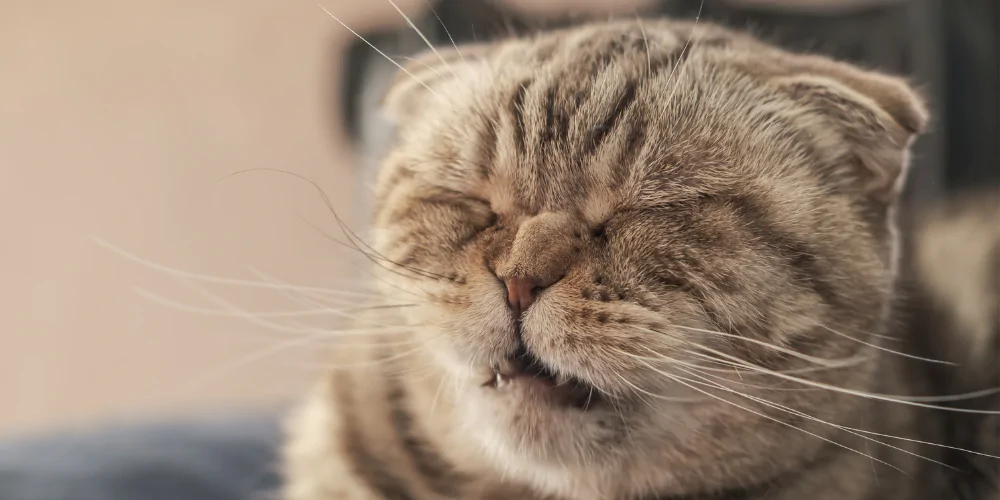
  • Sneezing
  • Coughing
  • Discharge from the eyes and nose, either clear or green
  • Loss of appetite
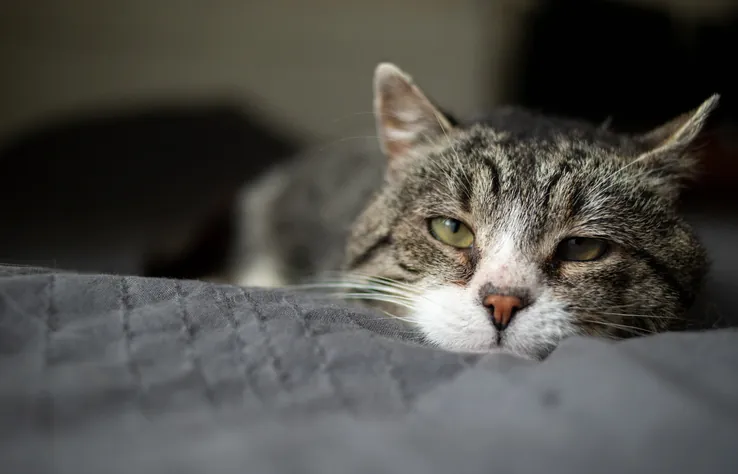
  • Lethargy
  • High temperature
  • Dehydration
  • Eye ulcers
  • Mouth ulcers

Not all cats will show all symptoms, and every cat will show them to different degrees. For some, they’re just a bit snotty and under the weather. For others, it can be a life-threatening condition.

What Causes What Causes
Diagnosis

Diagnosis of cat flu is usually made presumptively based on clinical history, vaccination history and clinical signs. This is enough to allow your vet to start treating the symptoms and supporting your cat through.

If you and your vet wish to get a more exact diagnosis, or if there’s a worry that more unusual bacteria or viruses are involved, a swab can be taken from the throat or eyes that is then sent to an external laboratory.

What Causes What Causes
Treatment of cat flu

Treatment of cat flu mainly focuses on supportive care to help the cat’s own body and immune system fight back. Much like when we have the flu, this involves:

  • Keeping the temperature under control
  • Providing warmth and comfort
  • Cleaning away discharges from the eyes and nose
  • Tasty, easy-to-eat food and lots of fluids

Antibiotics may be needed if there’s a risk of secondary infection, and pain relief may be needed if there’s a sore throat.

If cases are mild they can be treated at home, but more severe cases may need to be admitted to hospital for more aggressive nursing care – involving fluid therapy, supportive feeding and nebulisation.

Severe cases or those that keep coming back (for example with recurrent eye ulcers) may benefit from specific anti-viral therapy.

What Causes What Causes
Prognosis

The prognosis for cat flu can be really variable. And while life-threatening cases are fortunately rare, the lifelong nature of the disease and the secondary issues it causes means that it’s always something to be taken seriously.

Some cats may become very poorly when they catch flu, requiring long hospital stays until they’re able to go home. Others may clear the initial infection easily, but be plagued by recurrent eye ulcers and dental issues for the rest of their life.

What Causes What Causes
Our expert says…

“Prevention is definitely better than cure when it comes to cat flu. I would strongly recommend that all cats, indoors or otherwise, keep up with their annual vaccinations as a very effective way to do that.

“We still see cat flu commonly in practice, usually in cats who are rescued after they’ve already caught it – but also in pedigree cats where the breeders have not been as strict in their hygiene and vaccination protocols as they should be.

“Cat flu can cause a lifetime of hassle and heartache for both cats and caregivers, so it really is important to do what we can to prevent spread. Even for cats who already have the flu, vaccination can help reduce the severity of symptoms and keep it under control”

Dr Siân Burwood MA VetMB MRCVS

What Causes What Causes
Can I get insurance for a cat with cat flu?

If you’re thinking about buying a Petgevity Lifetime Plus policy, we’ll consider all pre-existing conditions – including cat flu – when offering cover for your cat*.

When you apply for cat insurance, you need to let us know: 

  • Which medical conditions they’ve had in the last two years 
  • Their health status now

Find out more about Petgevity’s cat insurance for pre-existing conditions.

What Causes What Causes

What’s included in your pet cover

Choosing Petgevity to protect your pets gives you more than just vet fee cover. Here's what you get from our policy.

Dental accident

More info

Covers your pet up to the chosen vet fee limit if they have a dental accident or injury. Always be sure to take your pet for annual dental check-ups, and follow your vet’s advice.

Behavioural treatment

More info

Get expert help with your pet’s mental and emotional wellbeing, as advised by your vet. Cover up to your chosen vet fee amount or the cost of up to 12 sessions, whichever is lower (Lifetime Plus); or up to £1,000 (Lifetime).

Complementary therapy

More info

As advised by your vet, this covers alternative treatments like acupuncture or hydrotherapy. Cover up to your chosen vet fee amount (Lifetime Plus); or up to chosen vet fee amount or £1,500, whichever is lower (Lifetime).

Emergency care

More info

If you can’t look after your pet due to an emergency, such as an unplanned hospital visit, this covers you for up to £1,500 (Lifetime Plus) in minding costs.

Third-party liability for dogs

More info

Covers you for legal costs if your dog causes injury to somebody or their pet, or causes loss or damage to someone’s property. Protects you for up to £2 million in a legal action.

Choice of optional extras

More info

Need extra protection? Choose from several optional extras to cover your pet’s needs, including dental illness, or cover if your pet is stolen or lost.

Award-winning pet insurance provider

best_pet_insurance_provider_logo

Defaqto 5 star rating when you choose vet fees over £4,000 with all optional add-ons included.

Basic cover alone has 3 star rating

best_pet_insurance_provider_logo

Three-time winner National Insurance Awards Pet Insurance Award 2022, 2023 & 2024.

best_pet_insurance_provider_logo

ERGO / compliance sign off
- shared resource

Compare our multi-pet cover†

petgevity-logo-white p-only-petgevitylogo ManyPets Petplan Agria
Maximum vet fees £15k per year £15k per year £12k per year £20k per year
Cover for pre-existing conditions? ✓ ✓ ✗ ✗
No compulsory excess? ✓ ✗ ✗ ✗
No compulsory co-payments for older pets? ✓ 20% (from age 9) 20% (from age 7) Min. 10% (from any age)
Tailor limits per pet on a multi-pet policy ✓ ✓ ✓ ✓
Dental treatment for accidents? ✓ ✓ ✓ ✓
Behavioural treatment and complementary therapy? ✓ ✓ ✓ ✓

†For Lifetime Plus policies only – details correct as of 10 September 2024 via competitor websites. Competitor products are subject to their own T&Cs and can have different limits and requirements for cats versus dogs at different ages. For full details, please check the relevant policy wording.
For full details of Petgevity pet insurance, please read our policy wording.

Frequently asked questions about cat flu

  • What are the first signs of cat flu?

    The first signs of cat flu are usually watery eyes and nose, coughing and sneezing, and a cat who’s more lethargic than usual with a picky appetite. If you see these signs, make sure you make an appointment with your vet to see what treatment is most appropriate.

  • Can I treat cat flu at home?

    Mild cases of cat flu can be treated at home once a vet has assessed if it’s safe to do so, and if any medications are needed. Keeping a cat comfortable and warm, providing lots of fluids and tasty, easy-to-eat food is a key part of treatment, and is often done best in a familiar environment.

  • Can cat flu be cured?

    Cat flu cannot be cured, because the viruses that cause it go latent in the body – meaning that they always exist at low levels and then flare up in times of stress. Most episodes of cat flu are manageable, but cat flu itself lasts for a lifetime and is associated with other medical conditions like eye ulcers and dental disease.

  • Is cat flu contagious to humans?

    Cat flu is not contagious to humans, as the viruses that cause it are specific to cats. It is highly contagious to other cats. Strict hygiene is always required between humans and cats however, and especially when they’re sick – such as with cat flu – as the ways in which cat flu is spread can also spread other germs.

  • Is cat flu deadly?

    Cat flu can be deadly to cats who don’t have an immune system able to deal with the infection, such as kittens or elderly cats, or unvaccinated cats. Cats also cannot break down fat in the same way that dogs or humans do, so any prolonged period of not eating properly can become deadly.

†Lifetime Plus policies only

*Cover for pre-existing medical conditions is subject to acceptance. They will not be covered unless you have declared them and they are shown on your Confirmation of Cover.

**Illnesses and symptoms won’t be covered in the first 14 days and accidents won’t be covered in the first 2 days of the policy. This is unless you are switching from another lifetime pet insurance product with no break in cover and the claim you want to make would have been covered by your previous policy. Other exclusions may apply to other sections.