
Ticks on dogs and cats
How to spot, remove and prevent them

Dr Lizzie Youens BSc (Hons) BVSc MRCVS
2 December 2025
| 6 minutes read
Keeping an eye out for parasites is an essential part of pet care, especially during the warmer months. Here we look at how to recognise ticks, remove them safely, and protect your cat or dog from future bites.
- What are ticks?
> What does a tick look like on a pet? - Signs your cat or dog may have been bitten
- How pets pick up ticks
- How to remove a tick safely
> How NOT to remove a tick - Tick treatment after removal
- Preventing ticks on cats and dogs
- Other questions about ticks
> Tick or scab: how to tell the difference
> Can I remove a tick without tweezers?
> What to do if the tick’s head stays in
What are ticks?
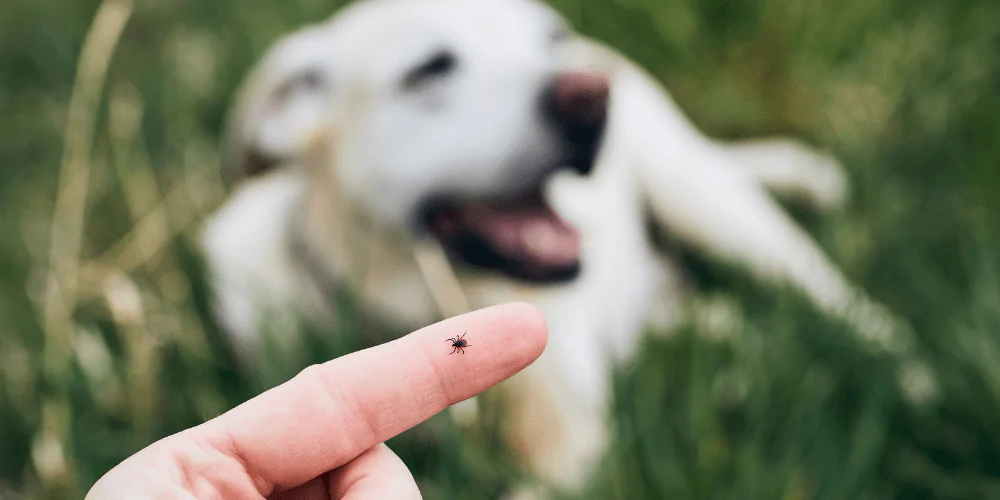
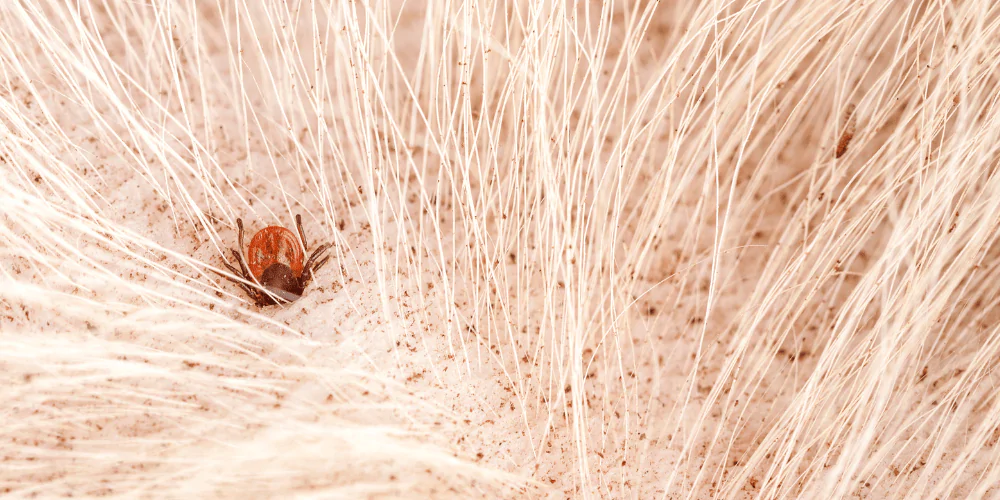
Ticks are small, blood-sucking parasites that attach themselves to animals and people. They have rounded, pale bodies with eight legs, and are typically under 1cm long. After latching on, they feed slowly over several days, swelling and darkening as they drink blood before dropping off once they’re full.
Aside from being gross, ticks can pass on harmful infections.
What does a tick look like on a pet?
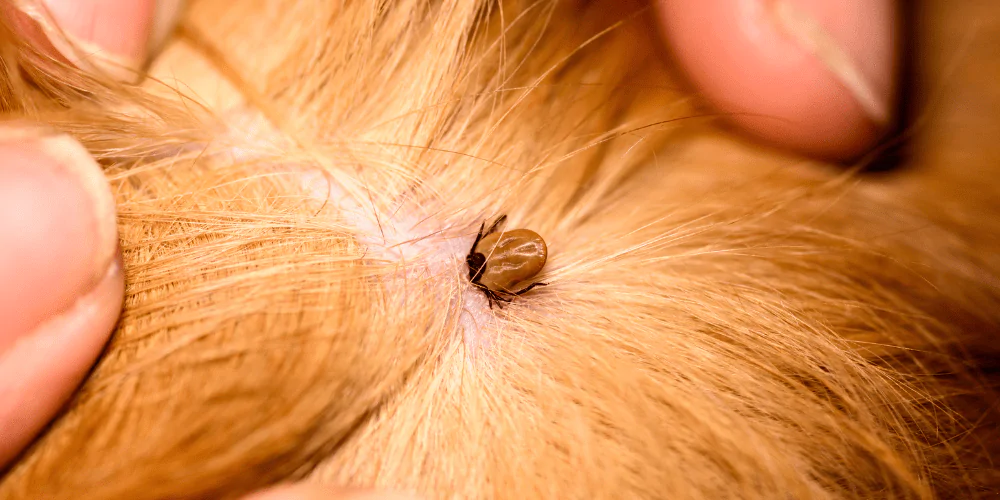
On cats and dogs, a tick often looks like a small, raised lump – similar to a wart or a bean – protruding from the fur. They start off small and light in colour, but grow larger and turn greyish-brown after feeding.
Check your furry companion regularly from spring to autumn (March to October), paying close attention to:
- Head (including nose and ears) and neck
- Between toes and around feet
- Groin and belly
- Armpits
Running your hands over their coat can help you feel any unexpected bumps.

Signs your cat or dog may have been bitten
Sometimes pets show symptoms of illness after a tick bite, due to infections ticks can transmit.
Two main tick-borne conditions include:
Lyme disease
Caused by Borrelia burgdorferi bacteria, Lyme disease can affect the kidneys, heart and nervous system. Dogs tend to be more at risk than cats.
Early symptoms include:
- Reduced appetite
- Low energy
- Swollen lymph nodes or joints
- Limping or stiffness
- Fever
If you notice these signs, contact your vet straight away. They’re likely to prescribe antibiotics, which are most effective when given early.
Don’t forget that pet insurance can protect you against these types of unexpected bills.
Babesiosis
This disease is caused by Babesia parasites that target red blood cells and can lead to severe anaemia. Symptoms can include:
- Sudden weakness or collapse
- Loss of appetite
- Very dark urine
- Pale gums
- Swollen abdomen
- High temperature
It’s essential to take your cat or dog straight to the vet if you suspect they may have contracted Babesiosis.

How pets pick up ticks
Ticks thrive in grassy fields, woodland and rural gardens. They latch onto animals that brush past them, making outdoor adventures a common source of exposure. Although they can appear year-round, numbers peak from spring through autumn.
How to tell how long a tick has been attached
A tick that’s swollen and darker is likely to have been feeding for at least 24-48 hours. However, you should remove any tick as soon as you find it to reduce the risk of disease.
How to remove a tick safely
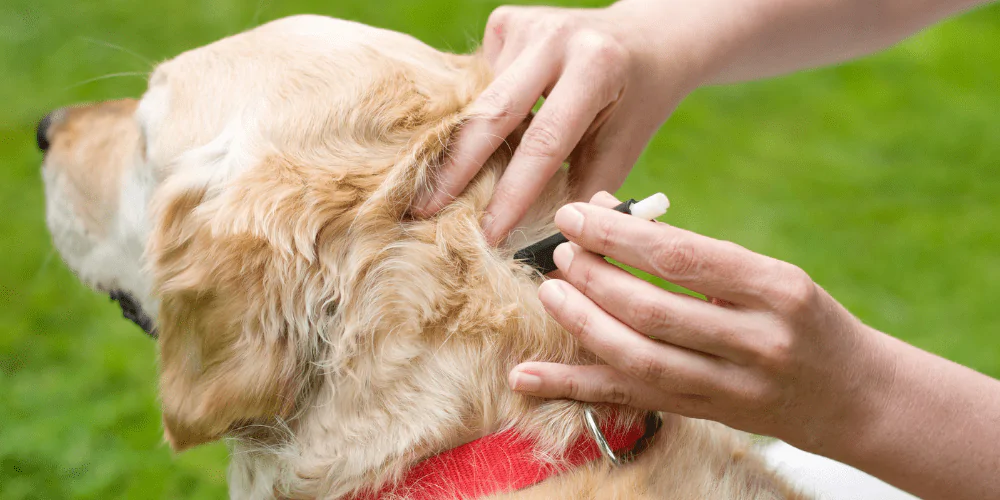
- Part your pet’s fur to clearly expose the tick.
- Slide a tick-removal tool (or fine-tipped tweezers) underneath the tick’s body.
- Twist it slowly several times to loosen the tick.
- Lift it away gently, ensuring the whole tick – including the mouthparts – comes out.
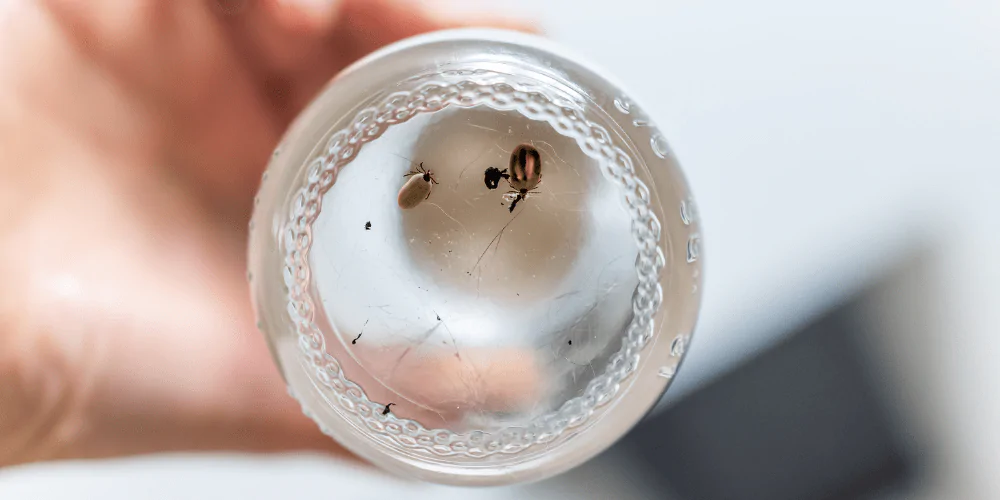
- Place it in alcohol to kill it.
If you’re unsure, you can ask your vet to demonstrate the technique.
How NOT to remove a tick
Avoid methods that can cause the tick to release more bacteria or break apart:
- Don’t squeeze, crush or yank the tick.
- Don’t poke or scratch at it.
- Don’t apply vaseline or oils.
- Don’t burn the tick.
These approaches increase the chance of infection and leave the mouthparts behind.
Tick treatment after removal
Once the tick is disposed of, keep a close eye on the area and your pet’s behaviour. If you’re worried about infection or disease, your vet can run tests and recommend the right treatment. They may also suggest preventative medication.

Preventing ticks on cats and dogs
To reduce the risk of future bites:
- Use vet-approved tick prevention products such as spot-on treatments, collars or sprays.
- Check your pet after walks, especially in high-risk areas.
- Keep grass and other garden vegetation trimmed.
- Carry a tick-removal tool on walks and keep one at home.
- Ask your dog walkers or pet-sitters to check regularly too.
Other questions about ticks
Tick or scab: how to tell the difference
A tick will stick up from the skin and have legs, whereas a scab is flatter and doesn’t move. Parting the fur and looking closely usually gives a clear answer.
Can I remove a tick without tweezers?
It’s best to always use a proper tick-removal tool or tweezers. They reduce the risk of leaving the head behind and make removal safer and easier.
If the tick’s head stays in
Don’t panic. Clean the area with salt water and contact your vet for advice. Avoid using harsh disinfectants or alcohol on your pet’s skin, as these can cause irritation.
Another way to make sure your four-legged chum is protected is with flexible pet insurance from Petgevity.

