Why is my dog’s tail suddenly limp after swimming?

Dr Rachel Cox, FirstVet vet
26 January 2026
| 4 minutes read
Have you noticed your dog holding their tail low or letting it hang limply after a swim or a busy day outdoors? This can be a sign of a condition commonly known as limber tail syndrome. You may also hear it referred to as frozen tail, cold tail or acute caudal myopathy.
While it can look alarming, limber tail is usually temporary and treatable. FirstVet expert vet Dr Rachel Cox explains what causes it, which dogs are more at risk and how to manage recovery. We can help you keep your dog comfortable and avoid repeat episodes.
Table of contents
- What is limber tail syndrome?
> Which dogs are more likely to develop limber tail? - Common causes of limp tail in dogs
- Signs and symptoms to watch for
- Treatment and recovery for limber tail syndrome
What is limber tail syndrome?
Limber tail syndrome affects the muscles at the base of a dog’s tail, causing the tail to droop or hang lifelessly between the hind legs. Dogs with this condition may find tail movement painful, and some will avoid sitting or wagging altogether.
Although it can look dramatic, limber tail isn’t usually a serious condition. However, because it is uncomfortable, it’s important to recognise how it develops and what you can do to reduce the risk.
Some dogs appear more prone than others. Male dogs are affected more frequently, and certain breeds seem to be at higher risk due to their activity levels and tail use.
Which dogs are more likely to develop limber tail?
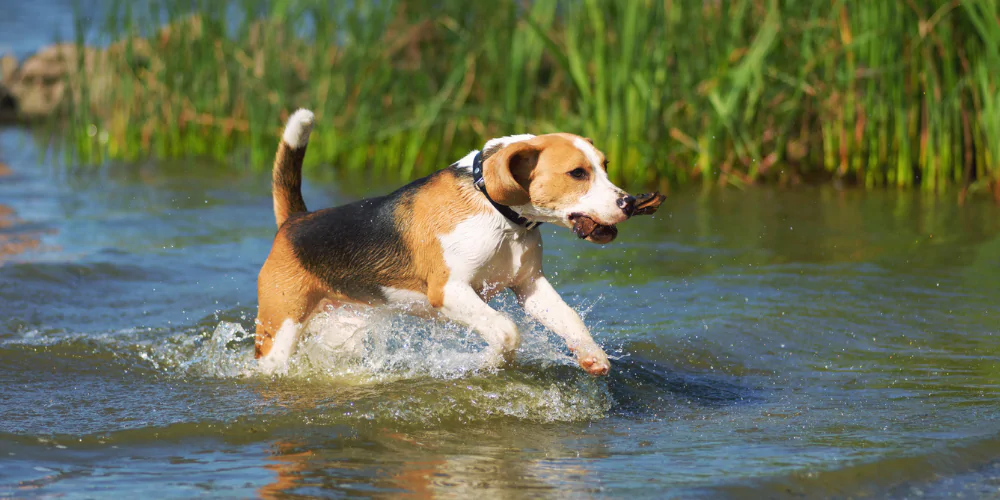
Dogs bred for working, hunting or high-energy activities are more commonly affected, particularly those that spend long periods swimming or working outdoors.
Breeds more frequently associated with limber tail include:
- Labrador Retrievers
- Beagles
- English Pointers
- English Setters
- Foxhounds
That said, limber tail isn’t limited to these breeds, and can occur in any dog under the right conditions.
Common causes of limp tail in dogs
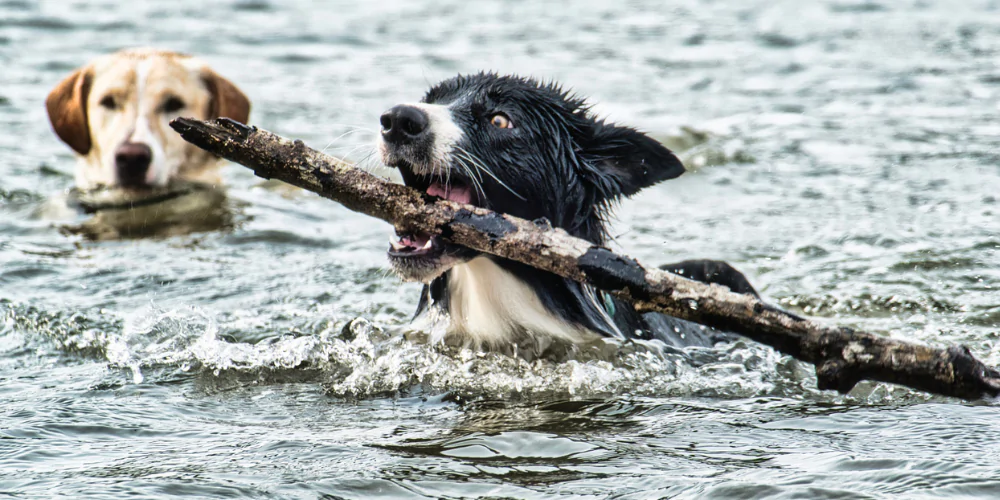
Extended or repeated swimming is one of the most common triggers of limber tail syndrome. Dogs use their tails for balance and steering in water, which can place significant strain on the tail muscles.
The exact cause isn’t fully understood, but limber tail is thought to result from reduced blood flow to the tail muscles, leading to inflammation and pain.
Cold or wet environments can increase the risk, such as:
- Swimming in the sea or lakes
- Playing in cold or windy weather
- Bathing in water that is very hot or very cold
Overuse can also play a role. Dogs that wag their tails vigorously for long periods – during play, training or hunting – may strain the muscles at the tail base.
Episodes of limber tail typically last one to two weeks, depending on severity and rest.
It’s important to note that a limp tail can also indicate other medical issues, including spinal injury, nerve problems or nutritional deficiencies. If you’re unsure of the cause, FirstVet has an online service that can help you decide whether an in-person examination is needed. Petgevity dog insurance policies include unlimited access 24/7.
If necessary, a physical veterinary examination – which may include neurological checks or imaging – can confirm whether limber tail is the cause or rule out more serious conditions.
Signs and symptoms to watch for
The most obvious sign of limber tail syndrome is a tail that hangs low and appears lifeless. Other symptoms may include:
- Pain or stiffness when walking
- Whimpering or signs of discomfort
- Difficulty standing or sitting
- Restlessness or trouble settling down
- Discomfort when toileting
If your dog shows severe pain, sudden weakness or worsening symptoms, contact your local vet straight away.
Treatment and recovery for limber tail syndrome
If you suspect limber tail, it’s important to seek vet advice to confirm the diagnosis and rule out other causes. The good news is that most dogs recover fully, often within a few days, although some cases may take up to two weeks.
While awaiting veterinary guidance, you can help support your dog’s recovery by:
- Keeping them comfortable and encouraging rest
- Reducing exercise and avoiding vigorous activity
- Applying warm compresses to help relax sore muscles
- Keeping your dog warm and dry, especially in cold weather
- Avoiding swimming or prolonged exposure to extreme water temperatures
Once assessed, your vet may prescribe pain relief or anti-inflammatory medication to reduce discomfort and speed healing. Always follow veterinary instructions and avoid giving human medications.
If you’re ever uncertain about changes in your dog’s behaviour or health, FirstVet’s online vet consultations can provide reassurance and guidance, with follow-up clinic visits arranged if needed.
Keep your dog protected with flexible dog insurance from Petgevity – so unexpected health concerns don’t catch you off guard.

